A hardwood floor can look flawless on installation day and show narrow seams after its first dry winter. To prevent hardwood floor gaps, the work begins long before the first board is fastened. Wood is a natural material that responds to its environment, and a lasting result depends on managing that movement with knowledgeable product selection, careful preparation, and consistent home conditions.
Some seasonal movement is normal, especially in the Washington, D.C. Metro area and along Maryland’s Eastern Shore, where humid summers and heated winters create meaningful swings in indoor moisture. The goal is not to force wood to remain perfectly still. It is to allow for expected movement while preventing gaps that become visually distracting, collect debris, or compromise the finished appearance of a carefully designed room.
Why Hardwood Floor Gaps Form
Hardwood absorbs and releases moisture from the air. When humidity rises, boards take on moisture and expand. When indoor air becomes dry, they release moisture and contract. Because a floor is made of many individual boards, contraction can reveal spaces at the joints.
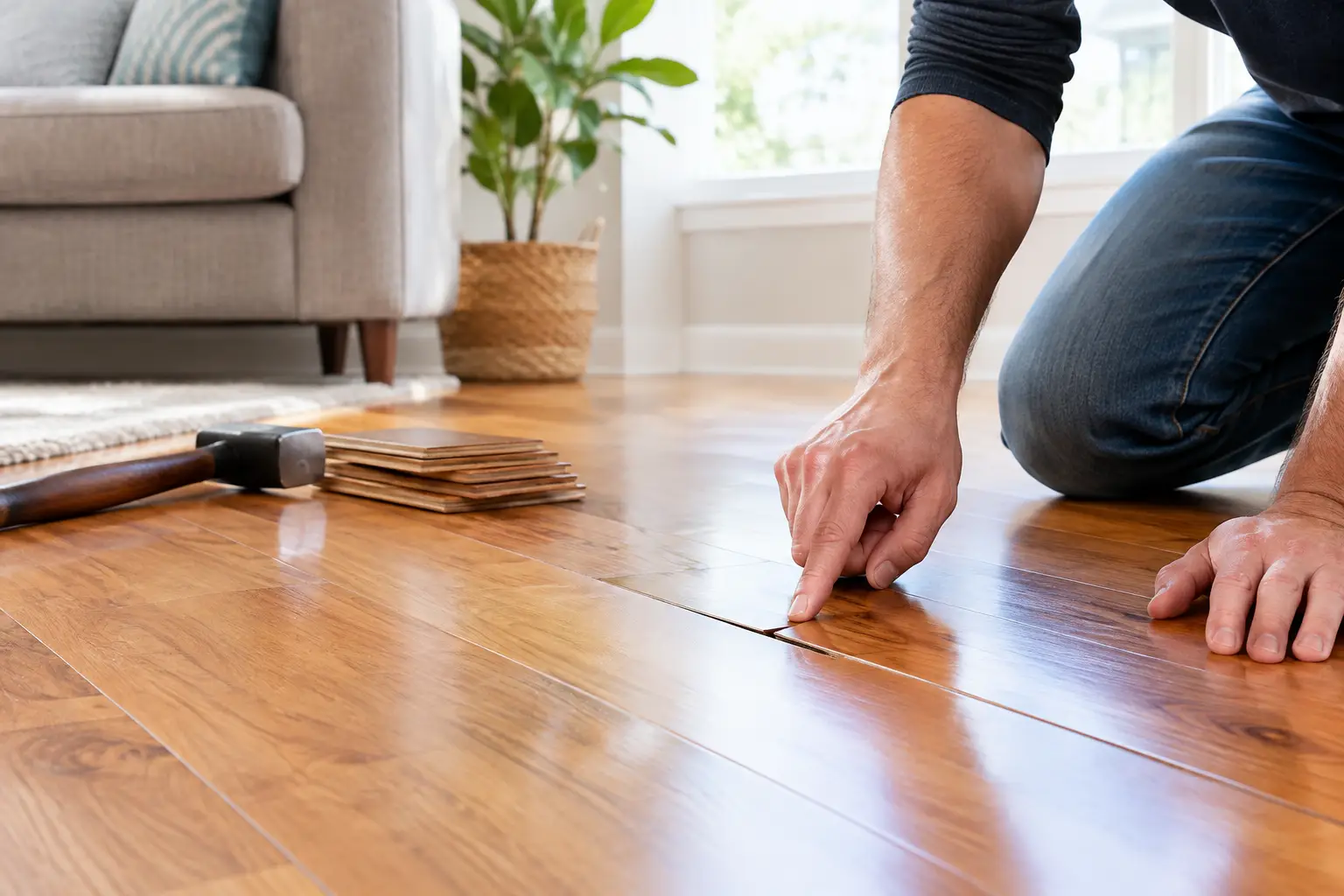
This is why gaps often appear during the heating season and become less noticeable when warmer, more humid weather returns. A fine, seasonal hairline opening can be part of hardwood’s natural character. Persistent, unusually wide, or irregular gaps deserve closer attention, particularly if they appear soon after installation.
The cause is not always low humidity. Gaps can also result from flooring that was installed before it acclimated to the home, subfloor moisture that was not properly measured, inadequate fastening, poor board selection, or an installation method that did not match the product and site conditions. In older homes, structural movement and uneven subfloors can add another layer of complexity.
Prevent Hardwood Floor Gaps Before Installation
The most reliable gap prevention happens during planning. Premium material cannot compensate for moisture conditions that have been overlooked, and even the finest installation benefits from a clear understanding of how the home performs through the seasons.
Choose the Right Wood Construction
Solid hardwood remains a remarkable choice for its longevity, depth, and ability to be refinished over generations. It is especially well suited to rooms above grade where indoor humidity can be maintained consistently. However, it moves more across its width than engineered hardwood, which means the species, plank width, and room conditions all matter.
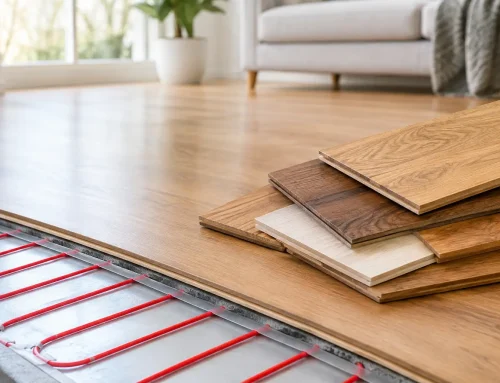
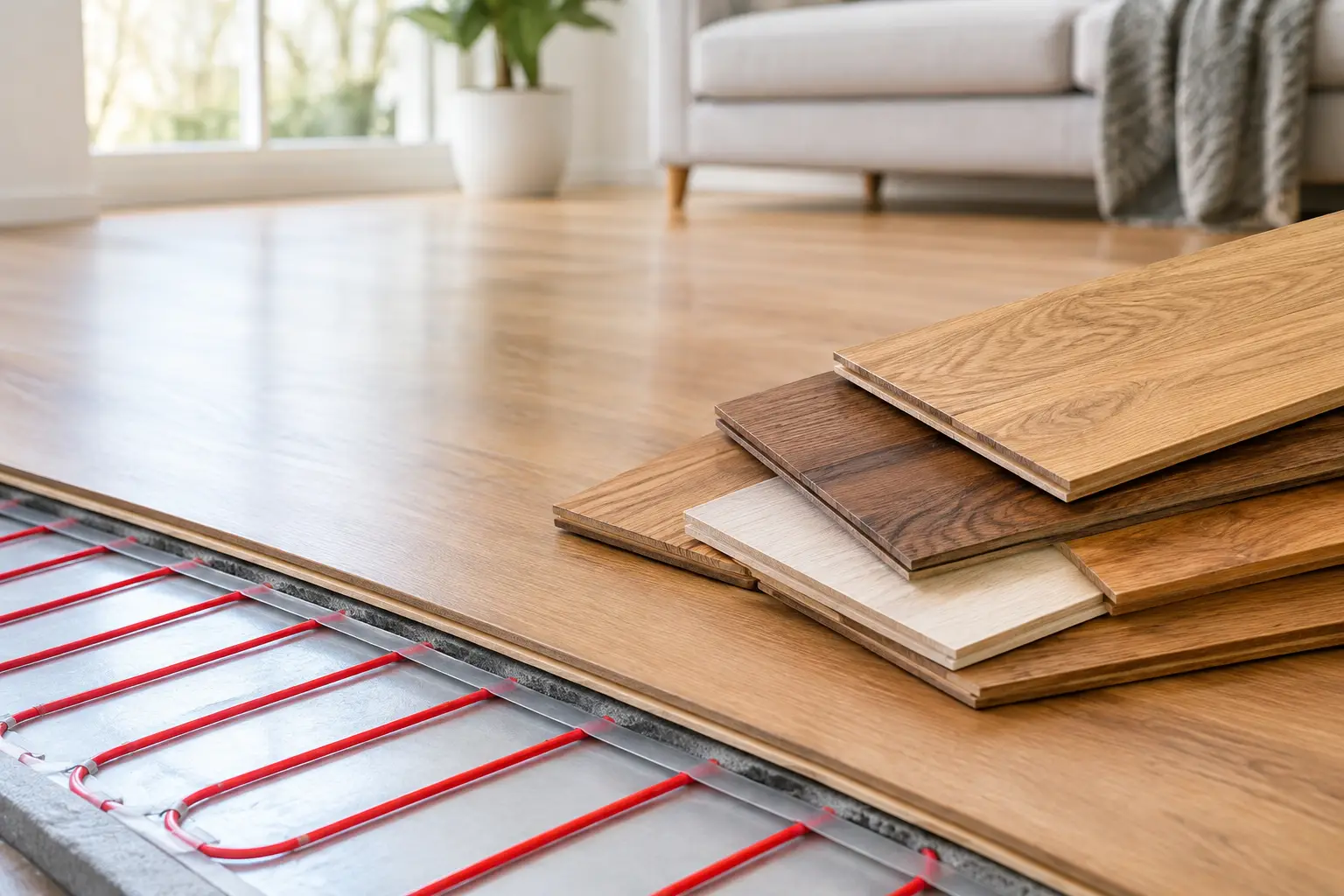
Engineered hardwood has a real hardwood wear layer over a layered core designed for greater dimensional stability. It can be an excellent choice for wide-plank looks, homes with variable conditions, and certain installations where solid hardwood may not be appropriate. That does not mean engineered flooring is immune to movement. It still contains wood, and it still requires proper acclimation and moisture control. It simply offers a different balance of visual character, stability, and installation flexibility.
Species also affect movement. Maple and oak are established choices for a reason: they are durable, beautiful, and familiar to skilled installers. Wider boards, whether oak, walnut, reclaimed wood, or another premium species, make a stronger visual statement but require greater precision. A wider plank has more surface area to respond to changes in moisture, so it demands thoughtful site evaluation and installation details.
Measure Moisture, Do Not Guess
A professional installation should begin with moisture testing of both the flooring and the subfloor. The readings help determine whether materials are within an acceptable range for one another and for the product manufacturer’s requirements.
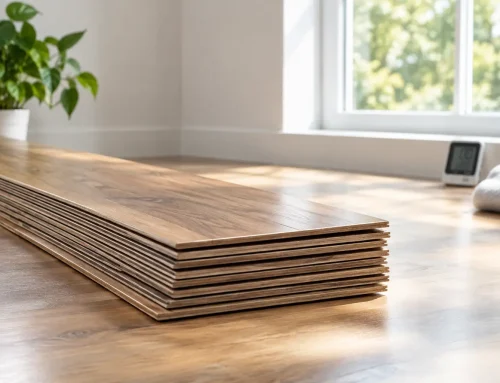
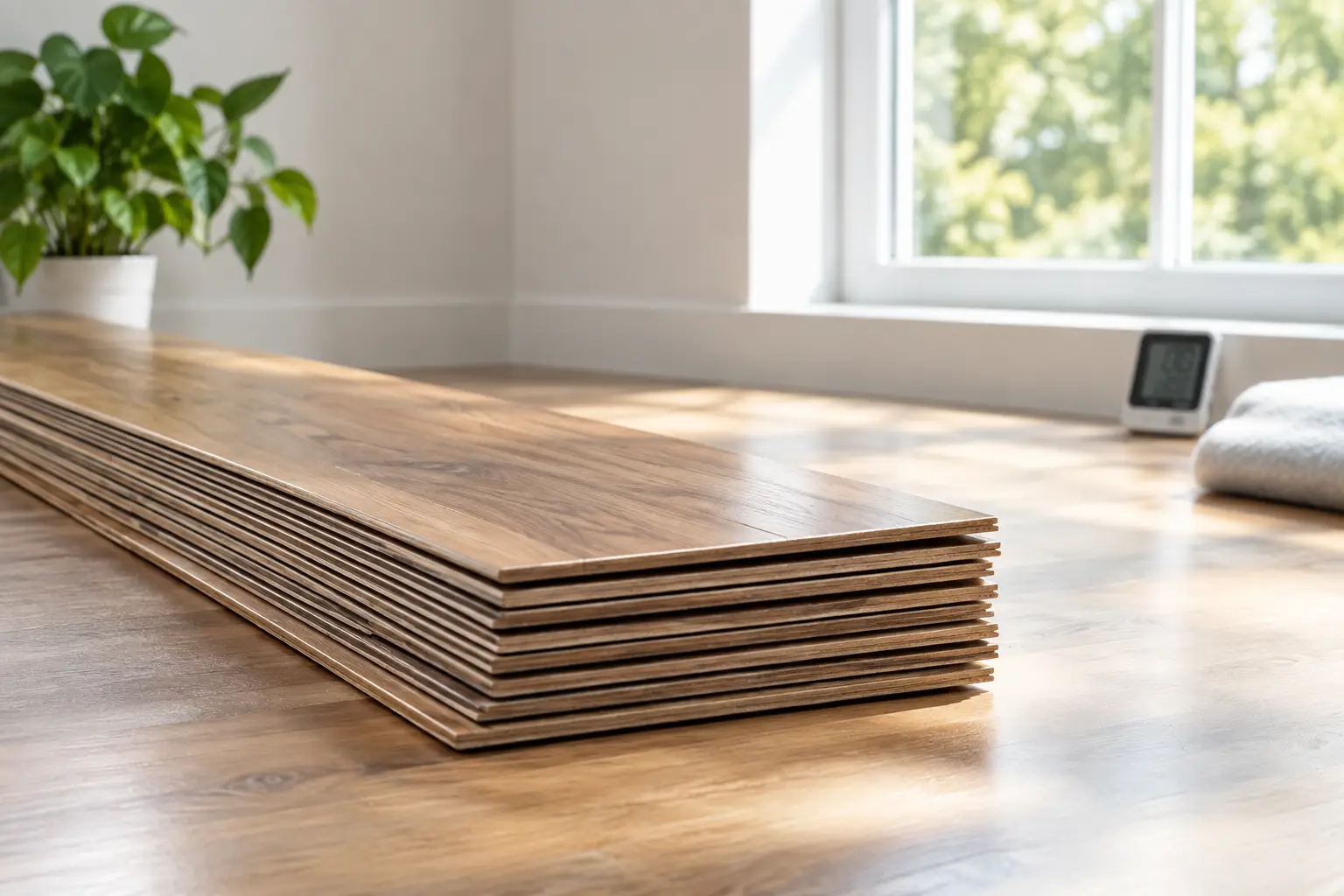
This is a critical distinction. Bringing unopened cartons into a room for a few days is not a complete acclimation strategy. Flooring must be evaluated in the actual conditions of the finished space, after the building is enclosed and the heating or cooling system is operating normally. The right acclimation period varies by product, species, width, season, and jobsite conditions. It depends on measurements, not a fixed number of days.
For wood subfloors, installers also assess dryness, flatness, structural soundness, and fastening integrity. For concrete, moisture testing and approved moisture-mitigation methods may be required. Skipping these steps can leave a beautiful floor vulnerable before it has had the chance to settle into the home.
Prepare the Space, Not Just the Floor
Hardwood should be installed after wet trades and major construction work are complete. Fresh drywall, plaster, paint, masonry work, and other moisture-producing activities can alter indoor conditions dramatically. Windows and exterior doors should be in place, and the HVAC system should be functioning as it will after the project is complete.
The subfloor must also be flat within the flooring manufacturer’s tolerance. A floor that bridges low spots or rides over high areas can flex underfoot, loosen fasteners, and develop irregular openings over time. Proper preparation is not glamorous, but it is where craftsmanship protects the visible finish.
Maintain the Right Humidity After Installation
For most hardwood floors, a relative humidity range of roughly 35% to 55% is a practical target. The ideal range can vary by product and manufacturer, but consistency matters more than chasing a perfect daily number.
During winter, forced-air heat can dry a home quickly. A properly sized humidifier, whether portable or integrated with the HVAC system, can help keep the floor from shrinking excessively. In humid summer months, air conditioning and dehumidification help limit expansion. A simple hygrometer provides a useful reading of indoor conditions and gives homeowners an early signal when adjustments are needed.
Humidity control supports more than the flooring. It can also improve comfort for people, furniture, millwork, musical instruments, and other natural materials throughout the home. The key is gradual, steady adjustment. Rapid swings in humidity can be as hard on wood as prolonged dryness or dampness.
Area rugs should be used thoughtfully. They can add warmth and protect high-traffic areas, but large rugs can create uneven exposure to sunlight and air over time. Use breathable rug pads designed for hardwood floors, and move rugs occasionally where practical to promote more even aging.
Installation Details That Protect the Finished Floor
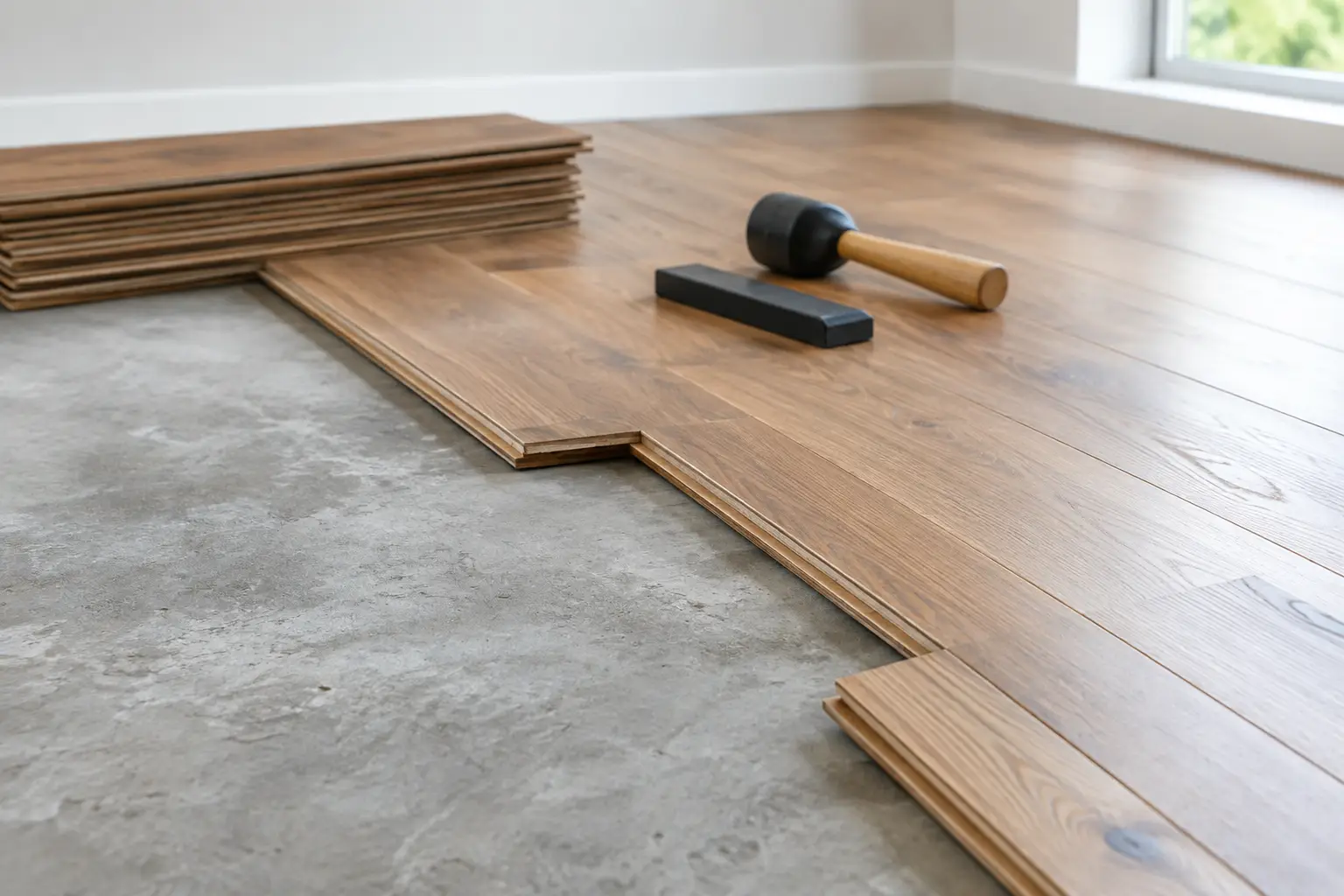
A refined floor is not simply rows of boards placed tightly together. It is a system of material, subfloor, adhesive or fasteners, expansion planning, and finish work executed in the correct order.
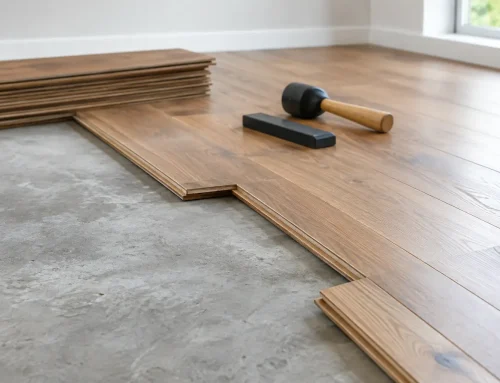
Perimeter expansion space is essential. Hardwood needs room at the walls and fixed vertical obstructions so it can respond to seasonal changes without pushing against the structure. Baseboards and shoe molding typically conceal this planned space, preserving a clean architectural appearance while allowing the floor to move as intended.
The fastening or adhesive method must suit the product, subfloor, and installation location. Solid hardwood commonly relies on a carefully specified nailing or stapling schedule. Engineered flooring may be floated, glued, nailed, or installed with a combination of methods depending on the product. Each approach has trade-offs, and the manufacturer’s instructions are part of the technical standard, not a suggestion.
Board selection also matters. Skilled installers inspect material as they work, distribute color and grain variation attractively, and avoid forcing boards together in a way that creates stress. With reclaimed wood and antique materials, the process can require even more judgment. Their character is often the reason homeowners choose them, but that character calls for a realistic understanding of natural variation and movement.
When Gaps Are Normal and When to Call a Professional
A small, consistent gap that appears in a dry season and lessens when humidity returns is often normal. Resist the urge to fill every seasonal seam. Filler may crack, crumble, or look worse when the boards expand again.
It is wise to have the floor evaluated when gaps are wide, suddenly appear throughout the room, remain open year-round, or occur alongside cupping, crowning, squeaks, loose boards, staining, or signs of moisture. Those symptoms can point to an underlying humidity issue, a plumbing leak, a moisture problem below the floor, or an installation concern that should be addressed before it worsens.
Avoid soaking hardwood during routine cleaning. Use a manufacturer-approved wood floor cleaner with a lightly damp microfiber pad, then allow the surface to dry promptly. Do not use steam mops, wet mops, oil soaps, or excessive water. Place mats at exterior doors, clean spills promptly, and use protective pads beneath furniture legs. These habits will not eliminate normal seasonal movement, but they help preserve the finish and prevent moisture-related damage that can complicate it.
For homeowners investing in a restoration, wide-plank installation, or custom hardwood project, a pre-installation assessment is one of the most valuable parts of the process. Royal Oaks Flooring approaches that assessment with the same care given to the finished surface: measuring conditions precisely, respecting the material, and planning for the home the floor will serve for years.
A hardwood floor should feel settled, substantial, and beautifully at home in its surroundings. Give it the stable environment and expert preparation it deserves, and its natural movement becomes part of its living character rather than a distraction from its craftsmanship.