A floor can look flawless on installation day and still be the wrong floor for the way a household lives. The best wood species for floors is not simply the hardest or most expensive option. It is the species whose grain, color, stability, and ability to accept a finish suit the room, the architecture, and the people who will use it every day.
For homeowners planning a meaningful renovation, wood selection deserves the same care as cabinetry, stone, or lighting. A well-chosen hardwood floor becomes the quiet foundation of a home: warm underfoot, visually grounding, and more beautiful after years of living. The wrong choice can make maintenance harder than it needs to be or leave a floor vulnerable to dents, seasonal movement, and a finish that never quite achieves the intended character.
What Makes One Wood Species Better Than Another?
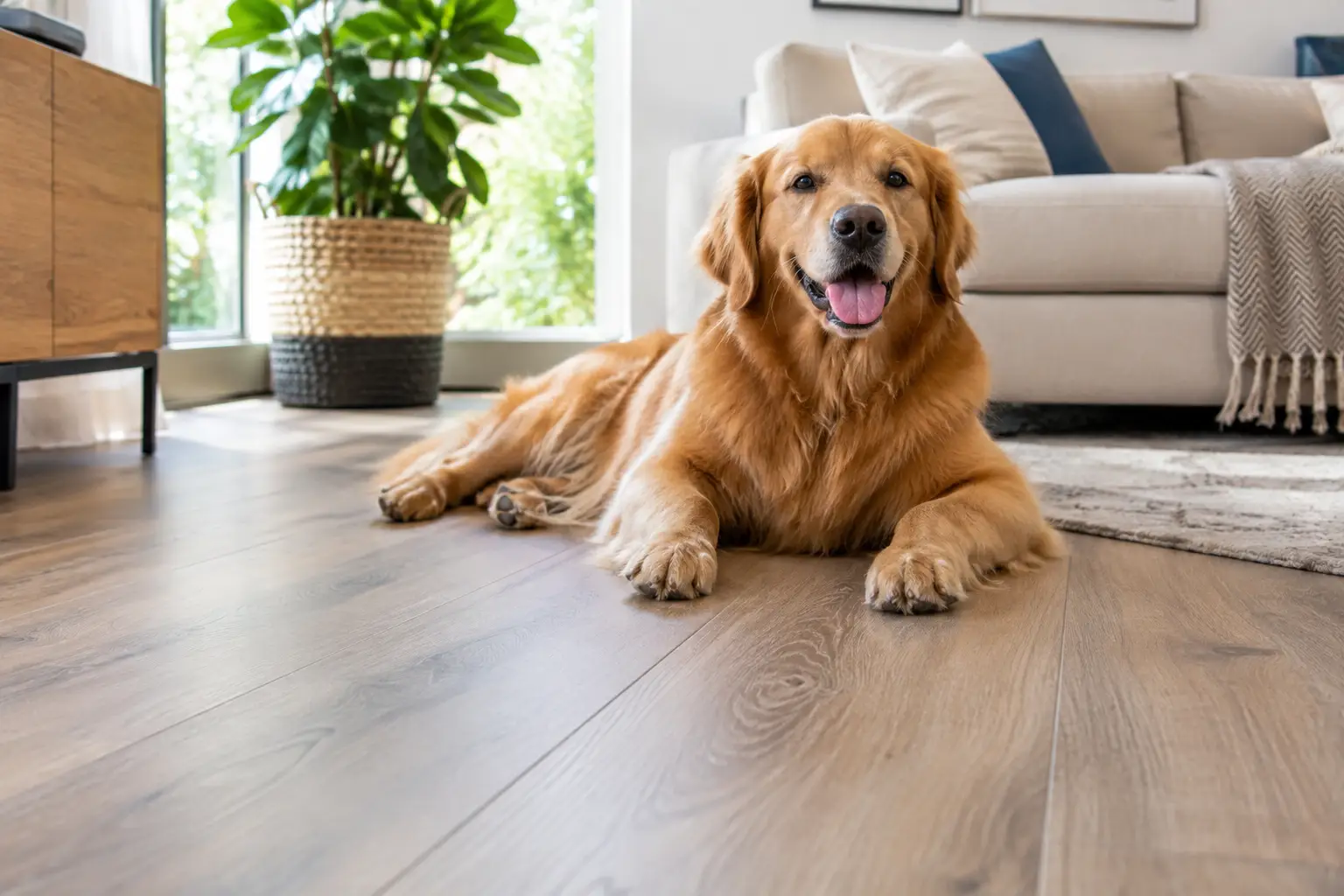
Hardness matters, but it is only one part of the decision. The Janka hardness rating measures resistance to denting, which is useful for comparing species. A busy family room with a large dog generally benefits from a harder species than a formal library. Yet an exceptionally hard floor with a dark, glossy finish may still show scratches more readily than a moderately hard oak finished in a low-sheen natural tone.
Grain pattern is equally important. Open-grained woods such as oak have visible texture and forgiving variation that help everyday wear blend into the floor’s character. Close-grained maple offers a cleaner, quieter surface, but its uniform appearance can reveal dents and finish inconsistencies more clearly. Color, board width, cut, and finish all change how a species performs visually.
In Maryland, Northern Virginia, and the greater D.C. area, seasonal humidity also deserves serious consideration. Wood expands and contracts as conditions change. Proper acclimation, moisture testing, subfloor preparation, and installation details protect the investment, but naturally stable species and carefully selected board dimensions provide an additional margin of confidence.
The Best Wood Species for Floors in Premium Homes
White Oak: The Most Versatile Choice
White oak is often the first recommendation for good reason. It is durable, stable, readily available in long lengths and wide planks, and adaptable to nearly every design direction. Its grain has enough movement to feel natural without overpowering a room, and it takes stains, reactive treatments, and clear finishes exceptionally well.
It is especially suited to homeowners seeking a calm, tailored floor in natural tones, warm browns, soft taupes, or contemporary lighter finishes. Rift- and quarter-sawn white oak provide a more linear, refined grain and greater dimensional stability, while plain-sawn boards offer the familiar cathedral pattern many homeowners associate with traditional hardwood.
White oak is not indestructible. Heavy furniture, sharp pet claws, and dropped objects can still mark it. But its balanced hardness and forgiving grain make it one of the most practical long-term choices for living rooms, hallways, kitchens, and open-plan homes.
Red Oak: Timeless Character and Excellent Value
Red oak remains a classic American flooring species, particularly in older homes and traditional interiors. It is slightly softer than white oak and has a more pronounced grain with pink-to-amber undertones. Those features give it warmth and familiarity, especially when paired with detailed millwork, historic architecture, or a traditional stain color.
Its open grain is remarkably forgiving of ordinary wear, and it can be refinished many times over a long service life when installed as solid hardwood. For homeowners restoring an existing red oak floor, matching the original species often preserves the home’s visual integrity better than replacing it with a trend-driven alternative.
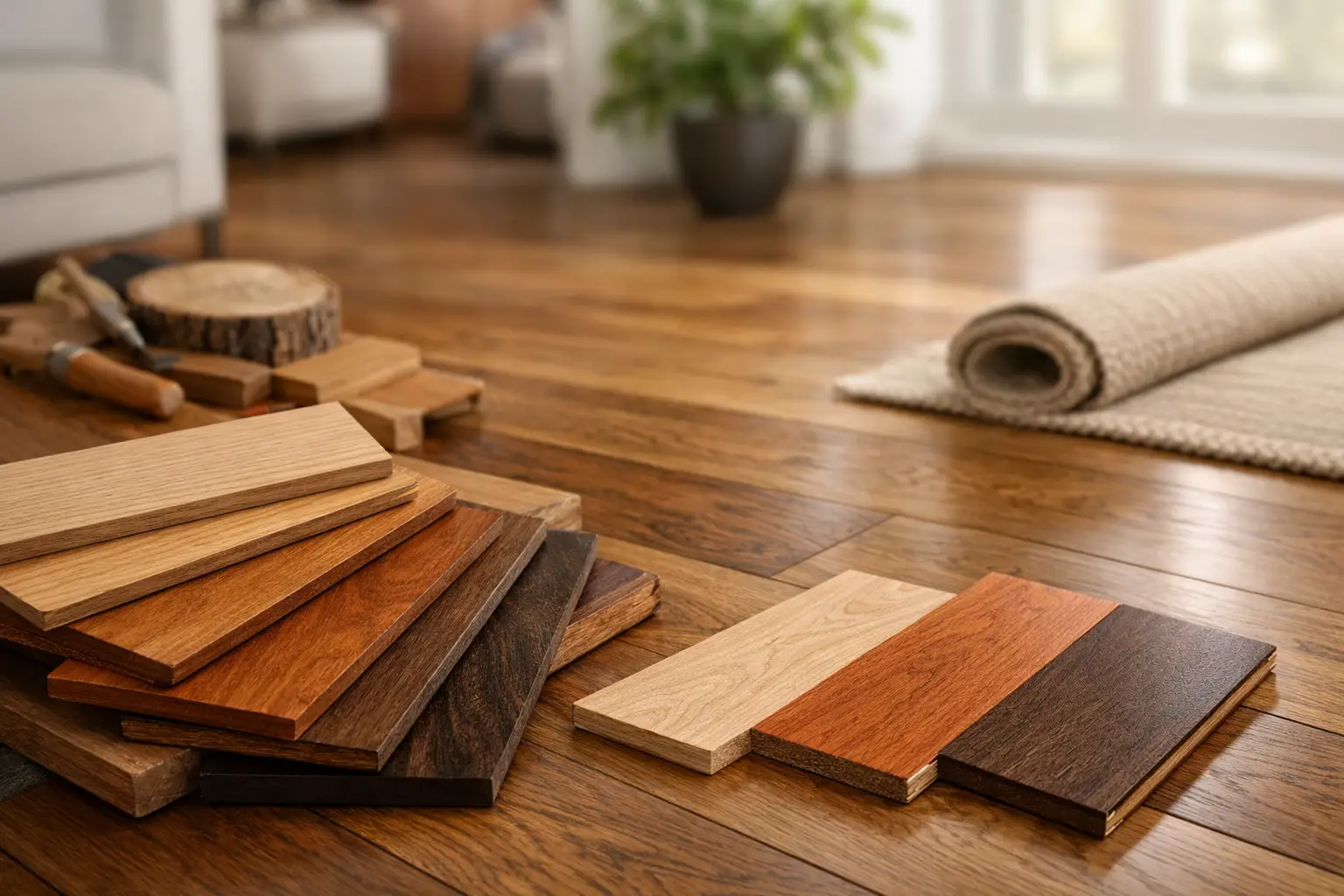
The trade-off is color. Red oak’s undertones can influence pale gray or very cool finishes, so it is not always the best canvas for every modern color palette. An experienced flooring professional can prepare samples on the actual wood before a final finish is selected. That small step prevents costly surprises.
Maple: Clean, Bright, and Built for Activity
Hard maple is one of the harder domestic flooring species and is familiar from basketball courts, bowling alleys, and high-use interiors. It has a fine, tight grain and a naturally light color that creates a crisp, uncluttered appearance. In a contemporary home, maple can feel elegant and architectural rather than rustic.
Its density gives it good resistance to denting, making it a strong candidate for active households. However, maple can be more challenging to stain evenly because of its closed grain. Dark stains may appear blotchy without the right preparation, and the species is often at its best under a clear or lightly toned finish that honors its natural color.
Maple also asks for careful installation because it responds to moisture changes. With disciplined site conditions and proper acclimation, it is an excellent floor. Without that preparation, its beauty can be compromised by avoidable movement.
Walnut: Rich Color With a Softer Touch
American walnut brings depth that few domestic woods can match. Its chocolate brown tones, flowing grain, and occasional pale sapwood create a floor with immediate distinction. Walnut belongs in homes where visual richness matters as much as raw hardness – libraries, dining rooms, primary suites, and carefully designed living spaces are natural settings.
Walnut is softer than oak and maple, so it will collect small impressions and signs of use sooner. That is not necessarily a flaw. Many homeowners value the gentle patina walnut develops over time, much as they value worn brass or natural stone. Still, a household with energetic children, large pets, and frequent entertaining may prefer walnut in lower-traffic rooms or choose a protective matte finish that softens the appearance of wear.
Hickory: Exceptional Strength and Natural Variation
Hickory is among the hardest domestic hardwoods used for flooring. Its dramatic grain and pronounced variation can range from pale cream to deep brown within a single board, producing a floor with energy and unmistakable natural character. It is a compelling choice for homes that lean toward a farmhouse, lodge-inspired, or casually elegant look.
For active households, hickory’s dent resistance is a major advantage. It is also a practical choice when a floor needs to stand up to substantial daily use. The same variation that gives hickory personality, however, can feel too busy in a formal or highly restrained interior. It also requires skilled installation due to its hardness and the attention needed to create an even, polished final surface.
Cherry: Warm, Graceful, and Best in Quieter Rooms
Cherry is prized for its smooth grain, refined appearance, and warm reddish-brown color that deepens gracefully with exposure to light. It has long been associated with fine furniture and traditional interiors, and it can give a home a particularly finished, enduring feel.
Because cherry is softer than oak, it is usually best reserved for bedrooms, offices, dining rooms, and other spaces where its elegance can take center stage without absorbing the full force of family traffic. Its color changes over time, which is part of its appeal, but homeowners should expect the floor beneath area rugs and furniture to age differently from exposed areas during the first years.
Choose the Cut and Finish With Equal Care
Species is the beginning, not the entire specification. A wide-plank white oak floor can look dramatically different depending on whether it is plain-sawn, rift-sawn, or quarter-sawn. A natural oil-look finish emphasizes grain and invites a softer, more organic appearance. A high-performance waterborne finish provides excellent protection, cures quickly, and helps preserve indoor air quality with very low VOC formulations.
Sheen deserves particular attention. Satin and matte finishes are popular not simply because they suit current design preferences, but because they are practical. They diffuse light and make fine scratches, dust, and everyday footprints less obvious than a high-gloss surface. For a family home, that can mean the difference between admiring the floor and constantly policing it.
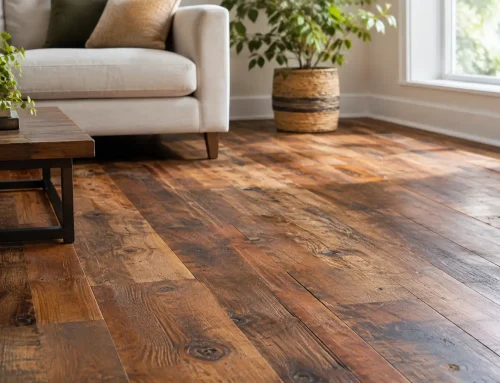
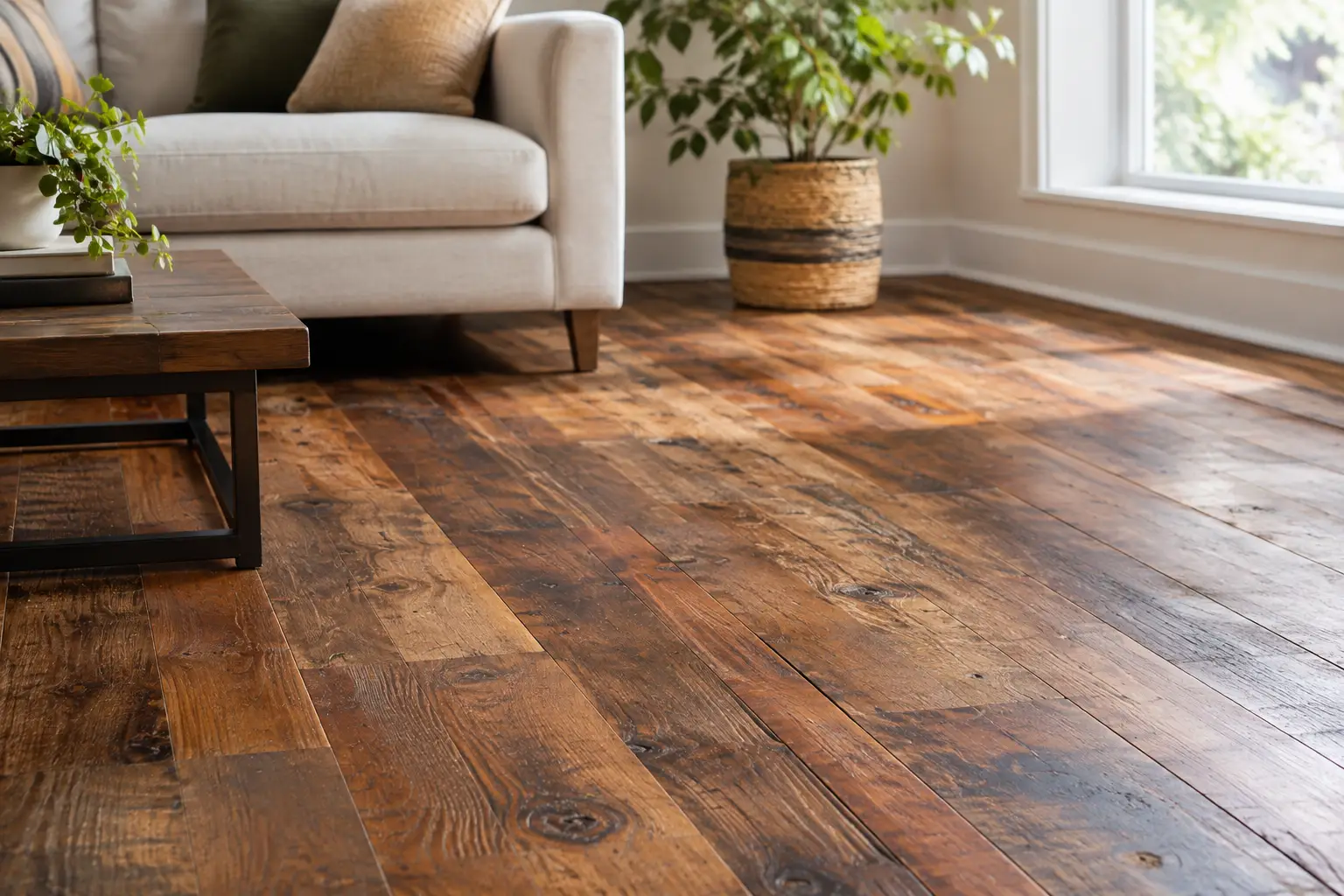
Reclaimed wood introduces another worthy option. Its age, nail marks, mineral streaks, and varied tones bring a sense of history that new material cannot replicate. It requires thoughtful sourcing, milling, and installation, but in the right home, reclaimed oak or heart pine can become the defining architectural element of the entire interior.
Let the Home Guide the Decision
The most successful hardwood floors feel inevitable once they are installed. They respect the home’s age and style, hold their own against daily life, and gain character rather than losing appeal as years pass. That outcome comes from looking beyond a showroom sample and considering natural light, adjoining materials, pets, traffic patterns, humidity, and the finish that will protect the wood.
For a historic home in Annapolis, a carefully matched oak may preserve the character that made the house special. For a new build in Potomac or a refined Eastern Shore retreat, wide-plank white oak, walnut, or reclaimed material may create a more distinctive foundation. Royal Oaks Flooring approaches that choice as craftsmen, using samples, precise site evaluation, and a clear understanding of how each wood will live in the finished space.
A floor should not merely survive the years ahead. Choose a species and finish that will make those years visible in the most beautiful way.