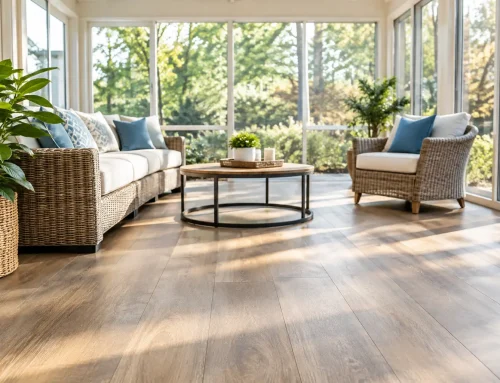
A hardwood floor rarely loses its beauty all at once. It happens gradually: a dull path through the entry, shallow scratches around the dining table, water marks near a door, or a finish that no longer reflects the warmth of the wood beneath it. Thoughtful floor restoration addresses those signs without erasing the history and character that made the floor worth keeping in the first place.
For homeowners who value lasting materials, restoration is not simply a cosmetic project. It is a chance to correct wear, preserve a valuable architectural feature, and choose a finish that suits how the home is lived in now. Done well, the result should feel true to the house – not overly uniform, not artificially new, but renewed with care.
What Floor Restoration Really Involves
Floor restoration is a tailored process, not a single service. A lightly worn oak floor may need only a careful screen-and-coat to renew its protective finish. A century-old floor with cupping, stains, gaps, old repairs, or deeply worn traffic lanes may require more extensive repair and sanding before a new finish can be applied.
The first step is always evaluation. A skilled flooring professional looks beyond surface scratches to assess the thickness of the wear layer, the stability of the boards, moisture conditions, prior coatings, damaged areas, and movement around transitions or exterior doors. Those details determine whether the floor can be refreshed, refinished, repaired, or should be selectively replaced in certain sections.
This distinction protects both the floor and the homeowner’s investment. Sanding a floor that only needs recoating removes material unnecessarily. Applying a fresh coat over contamination, adhesion issues, or a failing finish can lead to disappointing results. Precision begins with choosing the least invasive method that will deliver a durable, beautiful outcome.
Recoating for Finish Wear
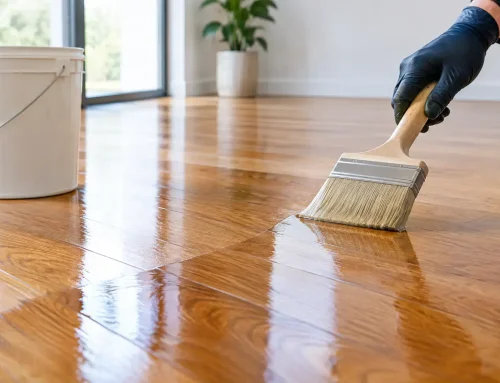
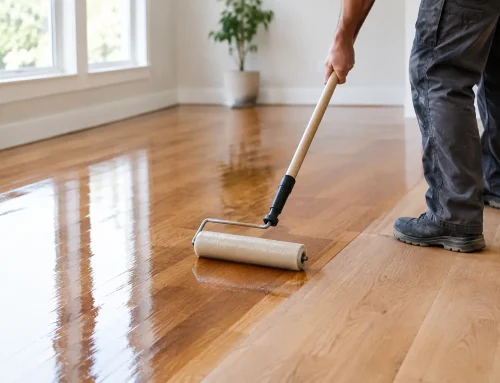
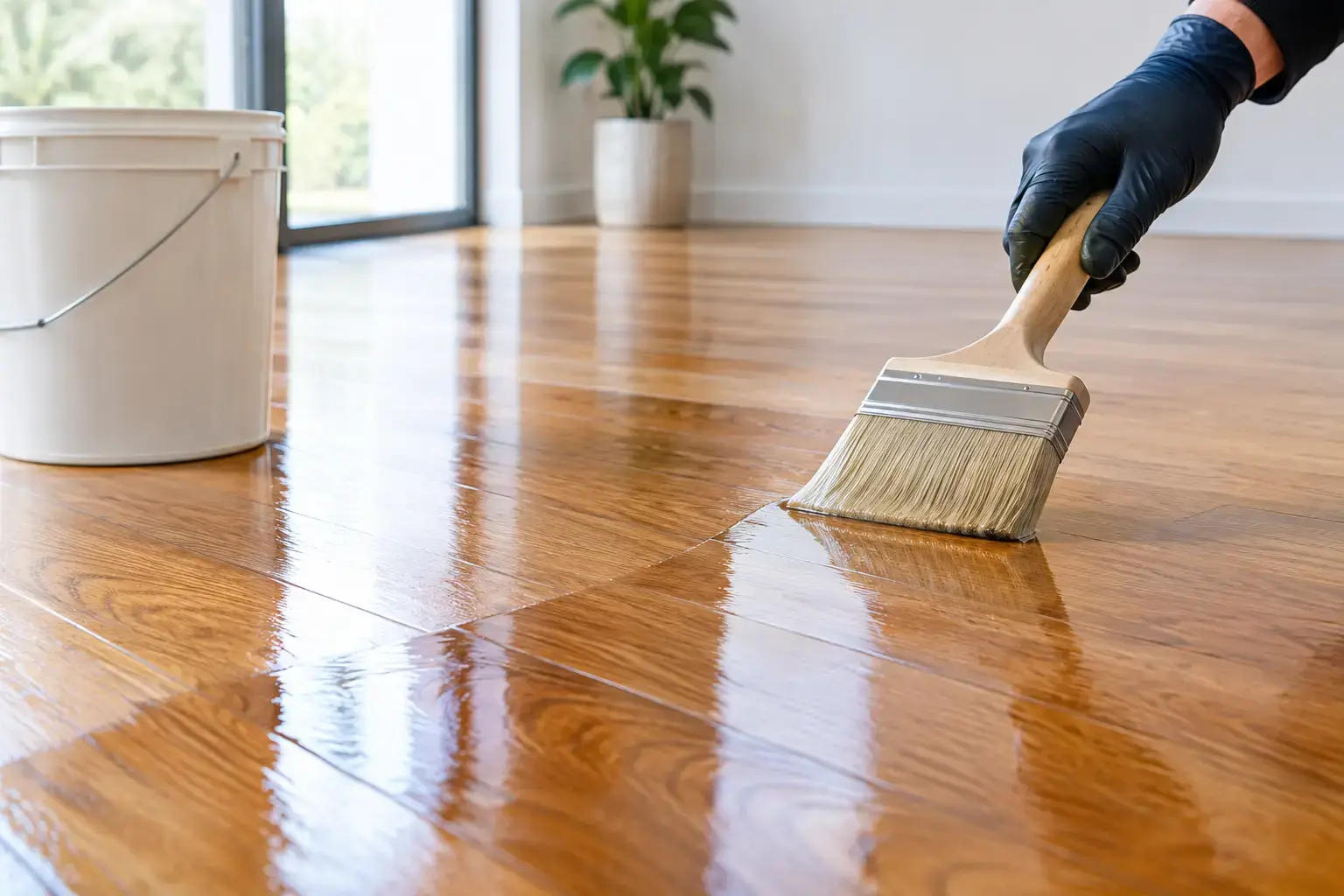
When the wood itself is sound and the existing coating is still well bonded, a screen-and-coat service can be an excellent option. The finish is lightly abraded, cleaned with great care, and recoated to restore sheen and protection.
This approach is often faster and less disruptive than full refinishing. It is particularly valuable for homes where the floor has become dull from daily use but has not been worn through to bare wood. It will not remove deep scratches, change the stain color, or correct uneven boards, so honest assessment matters.
Refinishing for Deeper Wear and Change
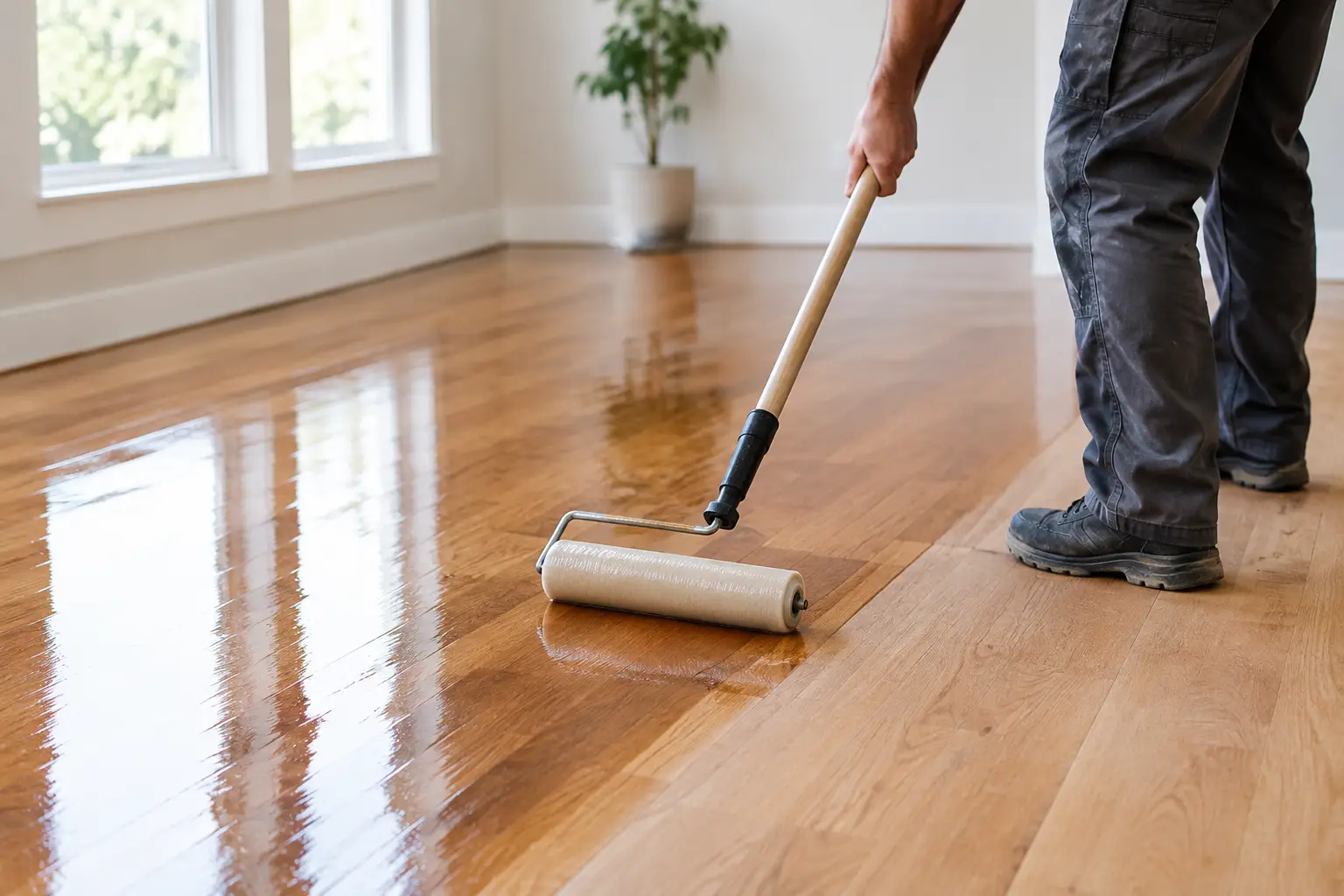
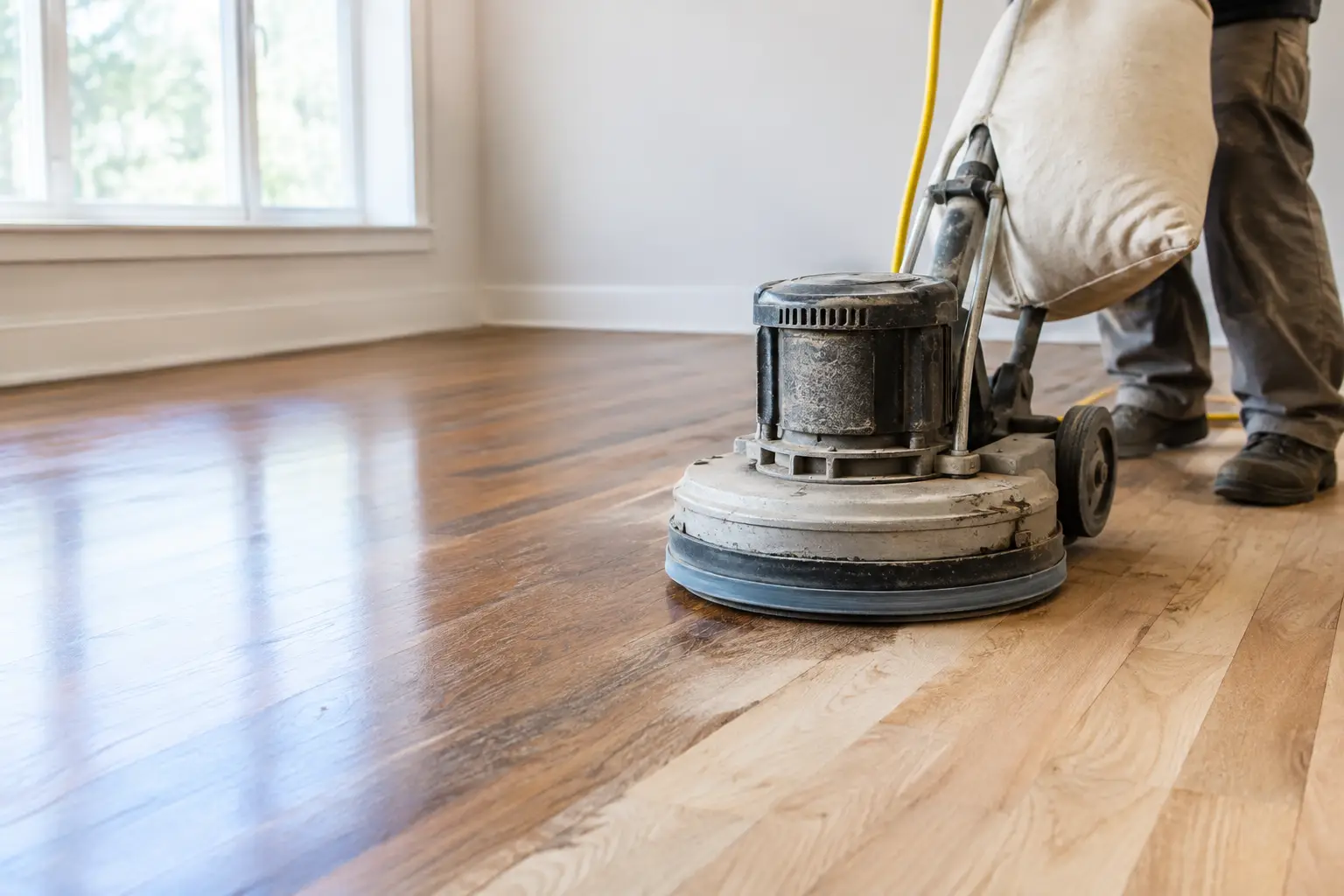
Full refinishing takes the floor back to raw wood through controlled sanding. This creates the opportunity to remove many scratches and stains, flatten minor unevenness, repair imperfections, adjust the color, and apply a completely new finish system.
The sanding process requires a practiced hand. Too aggressive an approach can leave chatter marks, dish out softer grain, round board edges, or shorten the life of an older floor. Too little preparation can leave behind visible damage and prevent stain from absorbing evenly. Fine sanding between stages, detailed edging, and careful cleanup are not minor steps. They are what separate a refined surface from one that looks merely redone.
Repair Before Refinishing
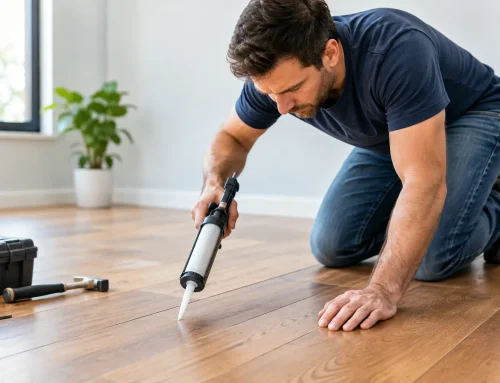
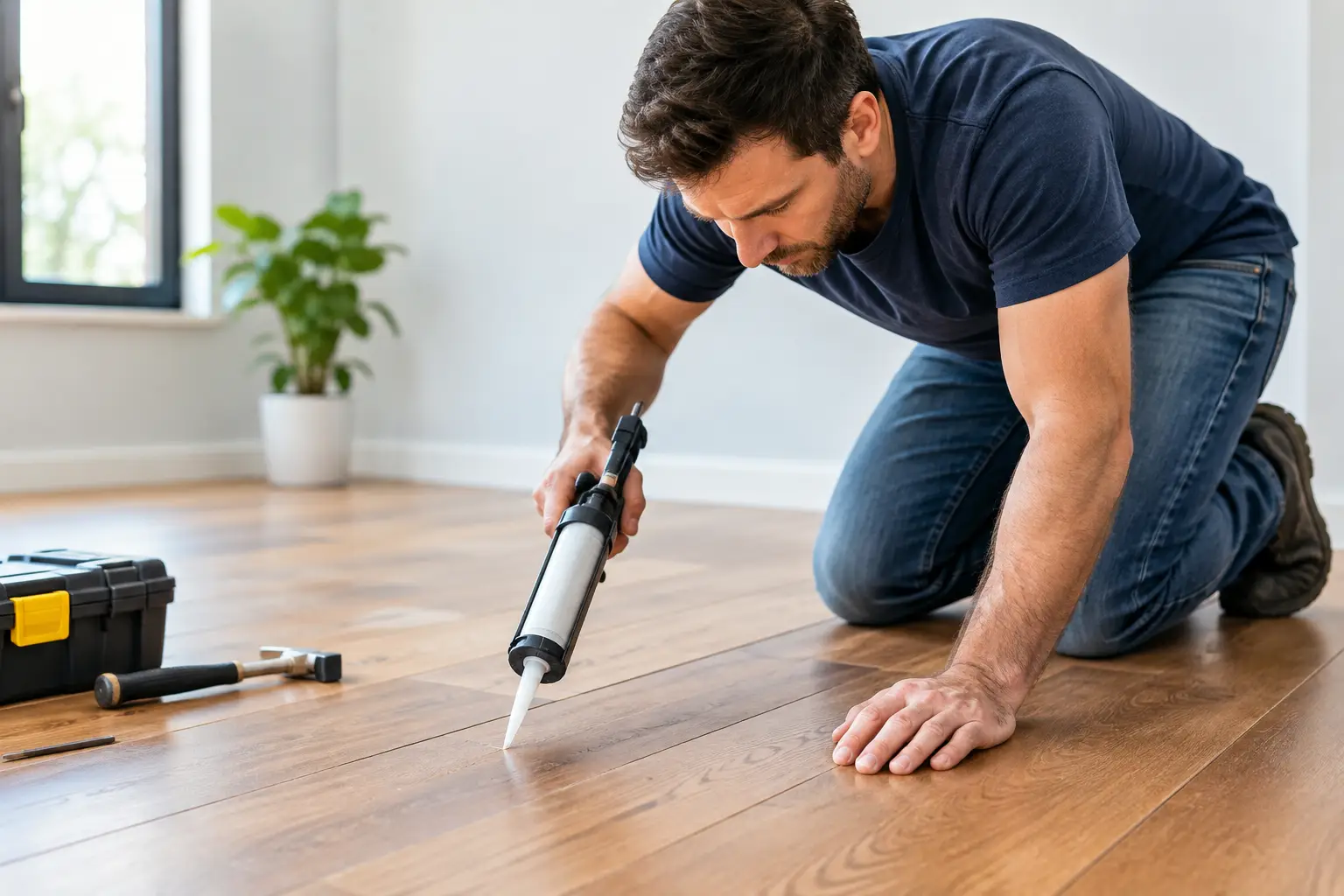
A beautiful finish cannot compensate for a floor that has unresolved structural or moisture-related problems. Before restoration begins, damaged boards may need to be replaced, loose planks secured, gaps evaluated, and old patches addressed. In historic homes, the goal is often to retain as much original material as possible while making repairs that blend naturally with the surrounding floor.
Water damage deserves special attention. Dark staining can sometimes be reduced during sanding, but black marks that have penetrated deeply into the wood may require board replacement or a thoughtful color strategy. Cupping, crowning, and buckling are not simply appearance issues. They can point to moisture below or above the floor, and that source should be corrected before the wood is refinished.
Matching replacement boards also takes judgment. Wood changes color with age and exposure to light, and grain patterns vary from board to board. A knowledgeable craftsman considers species, width, cut, grade, grain direction, and stain behavior so repairs support the overall composition of the floor rather than calling attention to themselves.
Choosing a Color That Belongs in the Home
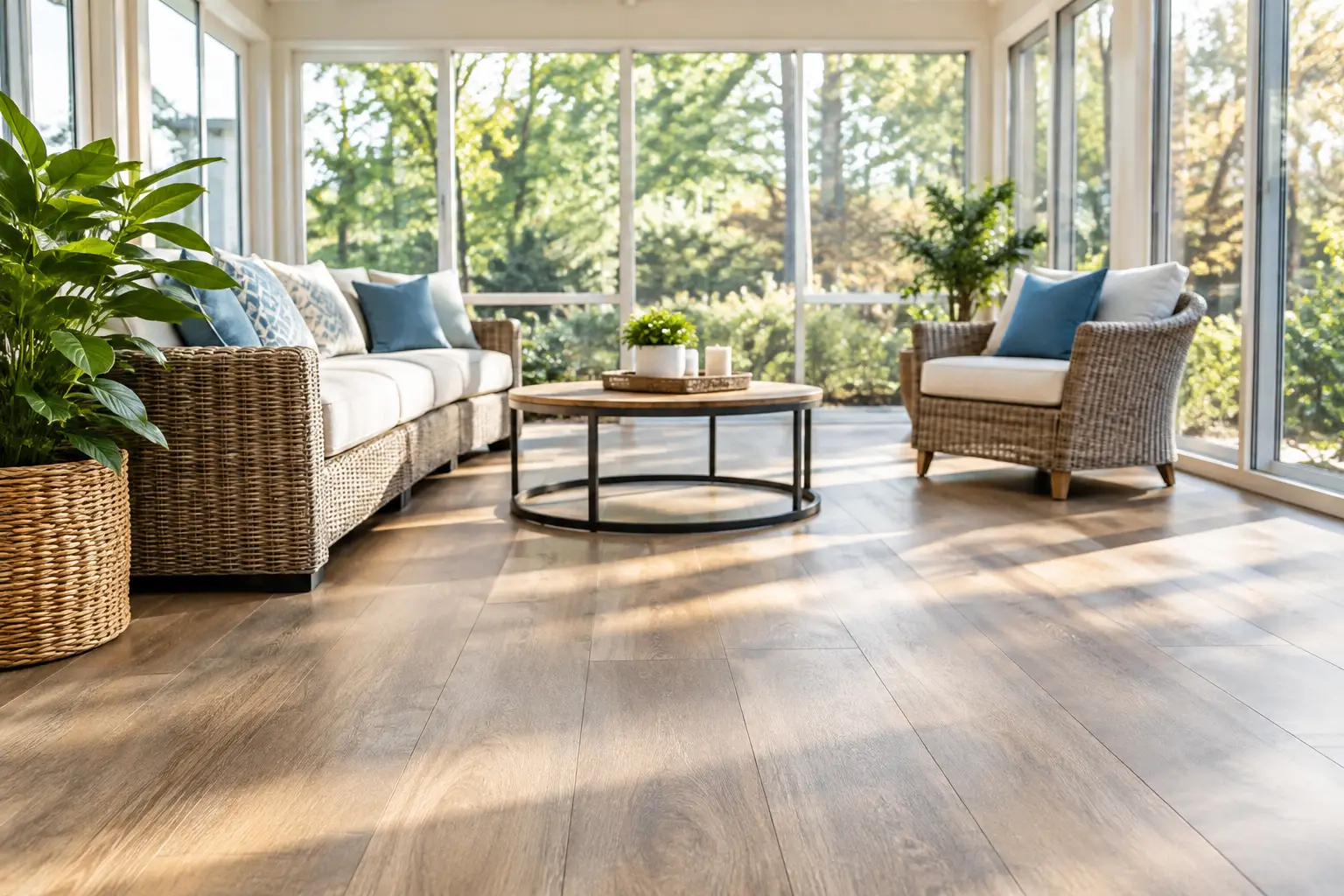
A restoration project is an opportunity to reconsider color, but trends should never be the only guide. The right finish should work with the home’s natural light, cabinetry, wall colors, furnishings, and architecture. A warm natural oak can bring calm and continuity to a traditional home. A deeper walnut-toned stain may add formality and visual depth. A muted custom blend can make wide-plank boards feel contemporary without losing their organic character.
Samples should be prepared on the actual floor whenever possible. Stain behaves differently on red oak, white oak, maple, pine, and reclaimed lumber. It can also vary between boards within the same room. A small sample board is useful, but the existing floor tells the more accurate story.
Keep in mind that darker stains can emphasize dust, pet hair, and surface scratching. Very pale finishes can reveal ambering in some wood species or coatings over time. Natural and medium tones tend to be forgiving, but personal preference and the way a household uses the space should guide the final decision.
The Finish Is the Floor’s Working Surface
A floor’s finish is more than its sheen level. It is the protective layer that stands between the wood and daily life: shoes at the door, chair movement, spilled water, children, pets, and sunlight crossing the room each afternoon.
Modern waterborne finishes offer exceptional clarity, durability, and lower odor than many older coating systems. High-quality low-VOC, GreenGuard-certified products can support healthier indoor air while allowing families to return to normal routines sooner. The right product depends on the floor’s condition, desired appearance, household activity, and the needed cure schedule.
Sheen matters as well. Matte and satin finishes create a soft, understated appearance and tend to disguise small marks better than glossier surfaces. Semi-gloss can offer a more formal look, especially in a carefully maintained dining room or traditional interior, but it reflects more light and may show wear sooner. There is no universally correct choice – only the finish that best suits the room and the people who use it.
Preparing the Home for a Better Result
A professional restoration should feel orderly, even when the work is substantial. Homeowners can help by removing furniture, clearing fragile items from nearby shelves, arranging access to the work area, and discussing pets, ventilation, and daily household needs before the project begins.
Dust containment equipment reduces airborne particles, but no sanding project is completely dust-free. Doorways, adjoining rooms, and HVAC considerations should be reviewed in advance. It is also wise to plan around drying and curing times. A floor may be ready for light foot traffic before it is ready for rugs, furniture, or the full pressure of everyday use.
Clear expectations make the process easier. Ask how repairs will be handled, where stain samples will be placed, which rooms will be inaccessible, and when normal cleaning can resume. The answers should be specific, not vague.
Protecting Restored Hardwood for the Long Term
The best time to establish a maintenance plan is immediately after restoration. Use felt pads under furniture, place breathable mats near exterior entrances, clean spills promptly, and avoid wet mops or harsh household cleaners. Grit is one of hardwood’s greatest enemies, so regular sweeping or vacuuming with a hard-floor setting makes a meaningful difference.
Area rugs should be added only after the finish has cured as directed. Rugs with non-breathable backings can trap moisture or affect the finish, particularly in entryways and sunlit rooms. Periodic professional cleaning and timely recoating can extend the life of the finish and postpone the need for another full sanding.
For homes in Annapolis, Potomac, McLean, and throughout the Eastern Shore, seasonal humidity also deserves attention. Wood naturally expands and contracts as conditions change. Maintaining stable indoor humidity helps limit excessive gaps, cupping, and movement over time.
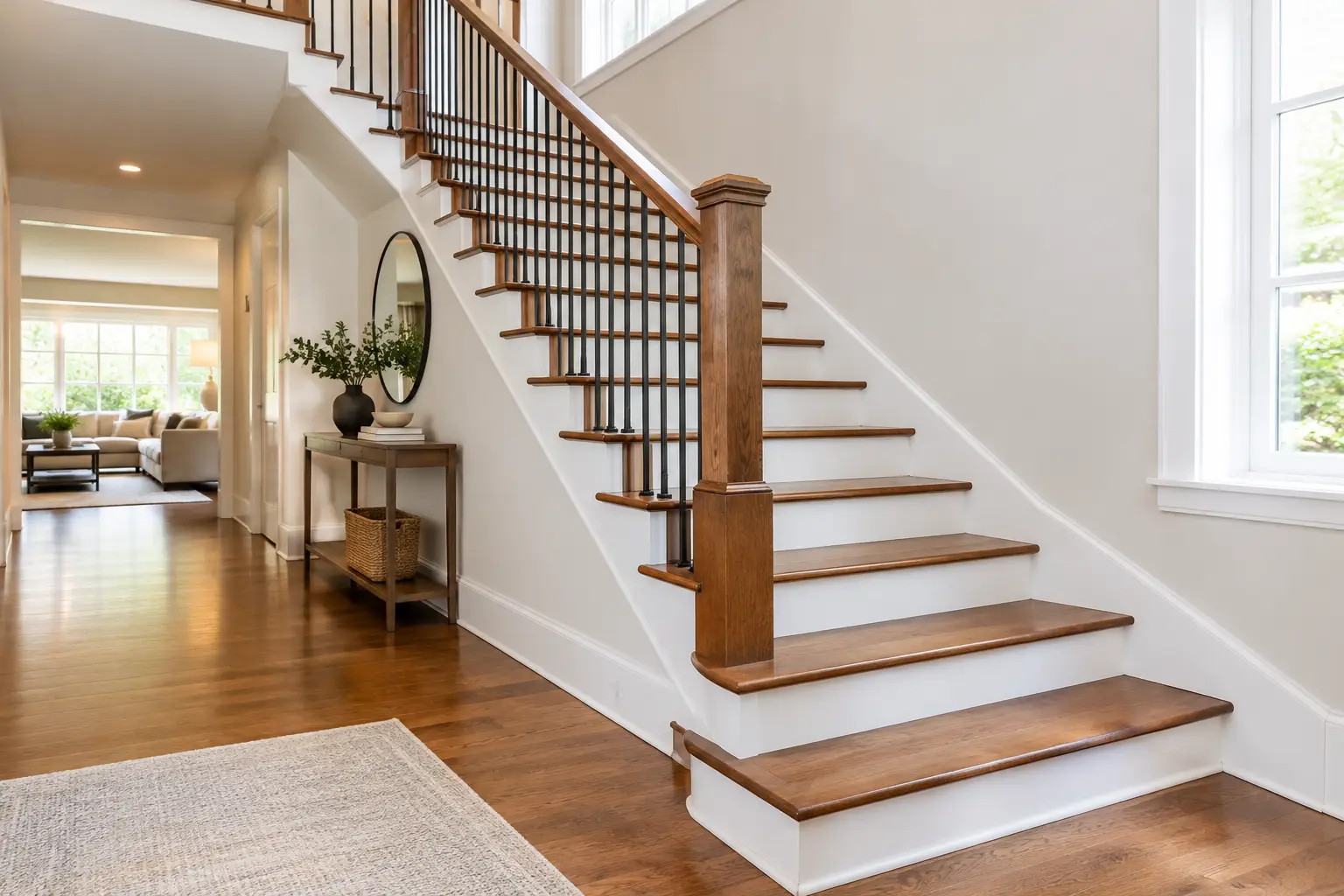
A restored hardwood floor should not look like it has been covered up by a coating. It should reveal the grain, depth, and quiet strength already present in the wood. With a careful assessment, disciplined preparation, and a finish selected for real life, Royal Oaks Flooring helps make that enduring character the foundation of the room once again.