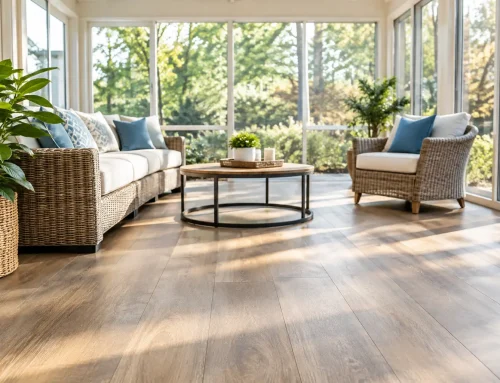
A hardwood floor rarely announces that its finish is failing all at once. More often, the change is gradual: a once-rich sheen looks tired near the entry, chair paths feel rougher underfoot, or a spilled glass of water no longer beads on the surface. Homeowners often ask when should hardwood floors be recoated because timing determines whether a straightforward maintenance service can preserve the floor or whether a more involved refinishing project is needed.
A timely recoat renews the protective layer above the wood. It can restore clarity and luster while helping prevent moisture, soil, and everyday abrasion from reaching the boards themselves. The goal is not simply to make a floor look newer. It is to protect the craftsmanship, grain, and character that made hardwood worth choosing in the first place.
When Should Hardwood Floors Be Recoated?
Most well-maintained hardwood floors benefit from recoating every three to five years, but a calendar alone is not a reliable guide. A quiet formal room may go much longer between maintenance coats, while a kitchen, foyer, or family room with children and pets may need attention sooner.
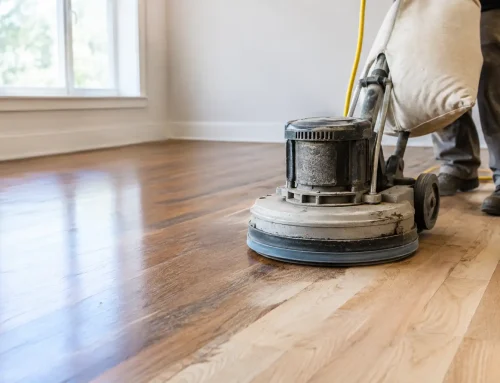
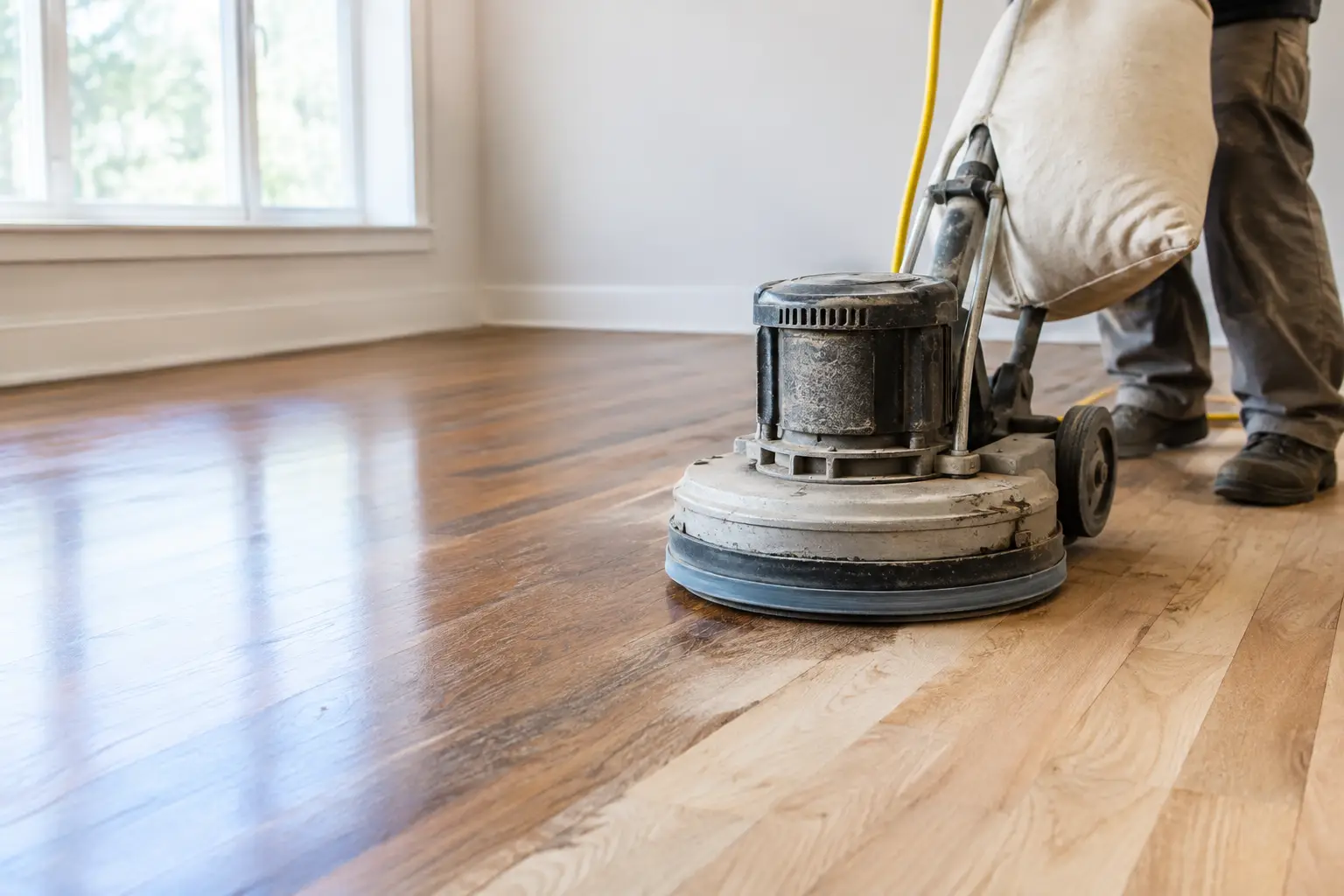
The finish condition matters more than the floor’s age. Recoating is appropriate when the existing finish is worn but still intact enough to protect the wood. A professional can lightly abrade, or screen, the top layer of finish and apply a fresh coat without sanding deeply into the hardwood. This preserves more of the original wood and is usually less disruptive than a complete refinish.
In homes throughout Annapolis, Potomac, and the Eastern Shore, seasonal humidity can also affect how floors wear. Expansion and contraction are normal for wood, but tracked-in moisture, wet shoes, and grit can shorten the life of a finish in heavily used areas. Consistent indoor humidity and thoughtful entryway protection make a meaningful difference.
The Signs That a Recoat Is Due
A floor does not need to look severely damaged before it deserves attention. In fact, waiting for obvious damage is one of the costliest maintenance mistakes a homeowner can make.
Look closely at high-traffic paths rather than judging the room from the doorway. Dullness in these areas, fine scratches that catch the light, and a finish that looks cloudy or uneven are common early signals. You may also notice that the floor has lost the depth and warmth it once had, even after careful cleaning.
A small water-drop check can offer useful information. Place a few drops of water on a clean section of flooring in a frequently traveled area. If the water beads and remains on the surface, the finish is likely still providing good protection. If it quickly spreads, soaks in, or leaves a darker mark after drying, the protective barrier may be compromised. This is not a substitute for an inspection, especially on older or specialty finishes, but it is a worthwhile warning sign.
Other signs call for prompt attention: bare-looking traffic lanes, minor surface scratches throughout a room, or fading that is limited to areas exposed to strong sunlight. A maintenance coat can often slow further deterioration if the wood has not been exposed.
Recoating Is Not the Same as Refinishing
The distinction matters. A recoat refreshes the finish layer. Full refinishing removes the existing finish through sanding, addresses scratches and discoloration in the wood itself, and then applies new stain and finish as needed.
If scratches are shallow and remain in the clear coat, recoating may be the right solution. If they cut into the wood, if boards have gray or black water stains, or if the finish is worn away to bare wood, a recoat alone will not correct the problem. Applying finish over exposed, stained, or damaged wood can leave the floor uneven in appearance and may not provide a durable result.
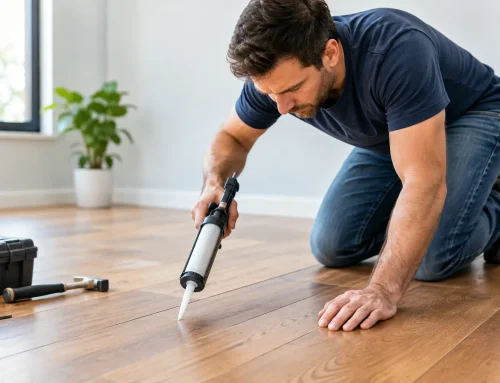
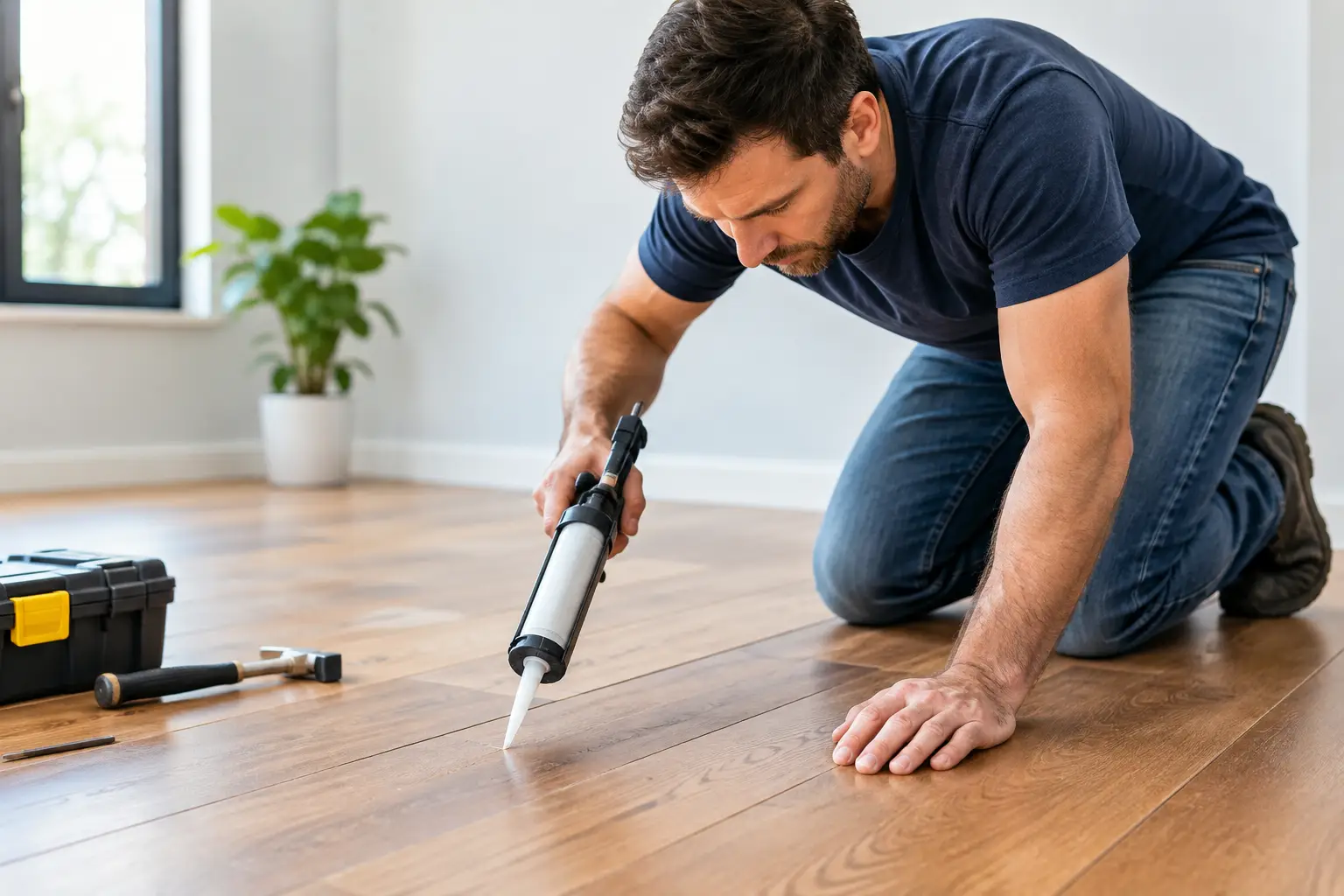
Deep dents, pet stains, cupping, loose boards, and significant gaps require a more careful assessment. Historic oak, reclaimed boards, and wide-plank floors deserve particular restraint. These materials can often be restored beautifully, but the method should respect their age, movement, and unique surface character rather than treat them like a commodity floor.
When Recoating May Not Be Possible
Not every floor can be screened and recoated successfully. Floors treated with wax, oil soap residue, silicone-based products, or certain cleaning polishes may reject a new finish. The result can be adhesion failure, with the fresh coat peeling or separating soon after application.
This is why product history matters. Many homeowners reach for store-bought “shine” products when floors look dull, not realizing that some leave a residue that complicates professional maintenance. A floor that has been waxed may need a different restoration approach. Likewise, aluminum oxide factory finishes and some prefinished products may require specialized preparation and compatible coating systems.
Engineered hardwood also deserves a measured approach. Many engineered floors can be recoated, provided the existing finish is suitable and the surface is professionally prepared. Their wear layers vary, however, and aggressive sanding is not always an option. A skilled flooring professional will identify the floor construction before recommending a service.
Protect the Finish Before It Reaches the Breaking Point
The best time to recoat is before the finish wears through. That timing reduces the need for heavy sanding and helps retain the floor’s original material for future restoration. It also keeps everyday cleaning simpler because a healthy finish resists soil and moisture more effectively.
A few habits extend the interval between recoats. Use quality mats at exterior doors, but avoid rubber or vinyl backings that can trap moisture or discolor the finish. Place felt pads beneath chairs and furniture, and replace them when grit becomes embedded. Sweep or vacuum with a hardwood-safe attachment regularly, because fine sand behaves like sandpaper beneath shoes and furniture.
For cleaning, use a product intended for your finish system and a lightly damp microfiber mop. Standing water and steam are not friends of hardwood. Neither are excessive amounts of cleaner. A floor should dry quickly after cleaning, not remain wet or streaked.
Sunlight deserves consideration as well. Wood naturally changes color with exposure, particularly cherry, walnut, and many oak finishes. Window treatments, UV-filtering glass, and occasional rug rotation help the floor age more evenly. Recoating can renew protection and sheen, but it cannot fully erase color changes that have occurred within the wood.
What a Professional Recoat Should Include
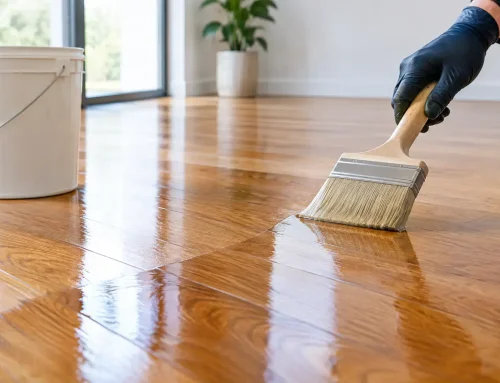
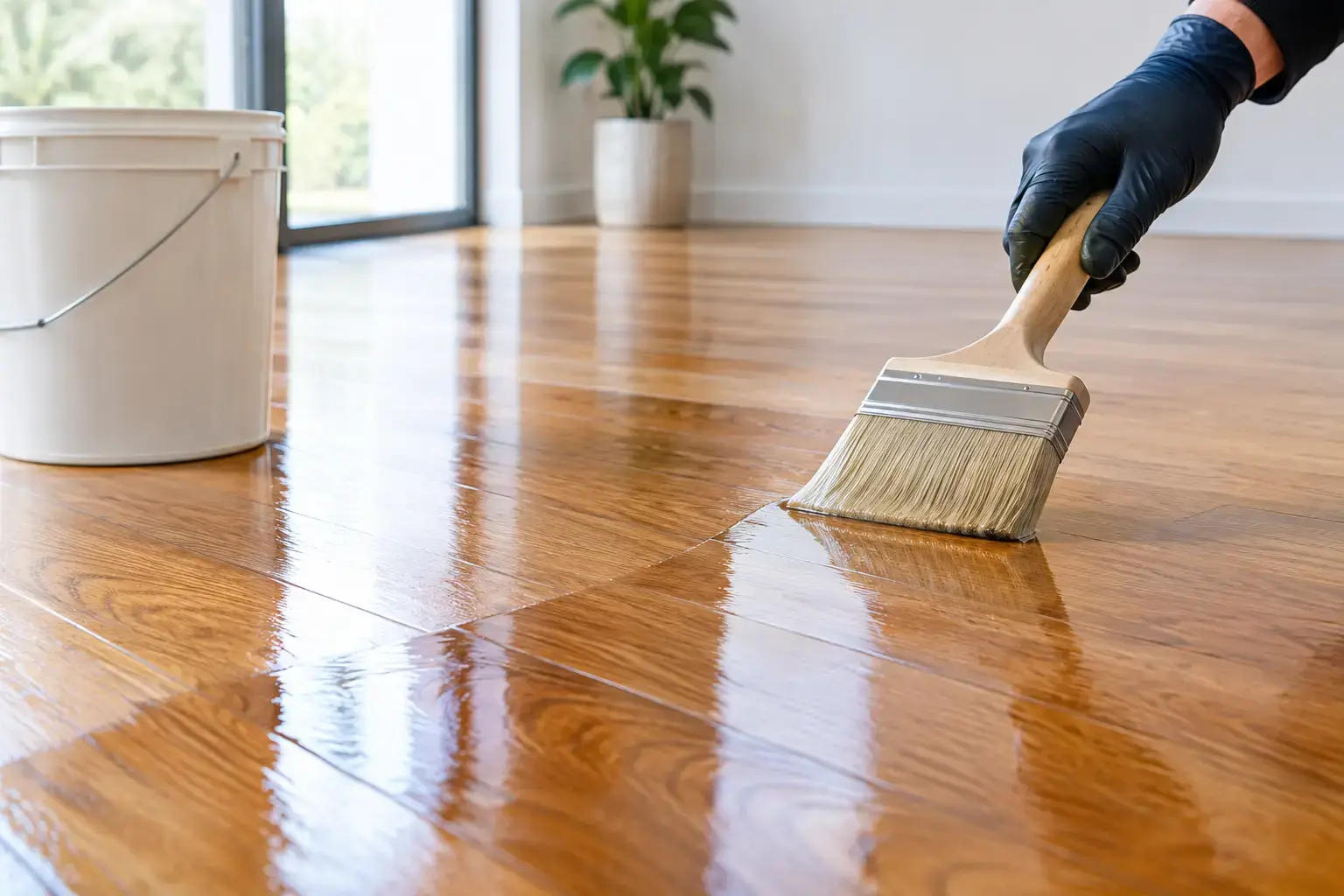
A proper recoat is a controlled restoration process, not simply a new layer brushed over a tired floor. First, the floor should be evaluated for contamination, adhesion concerns, damaged boards, and areas where the finish has worn through. The surface is then thoroughly cleaned and prepared so the new coating has a sound foundation.
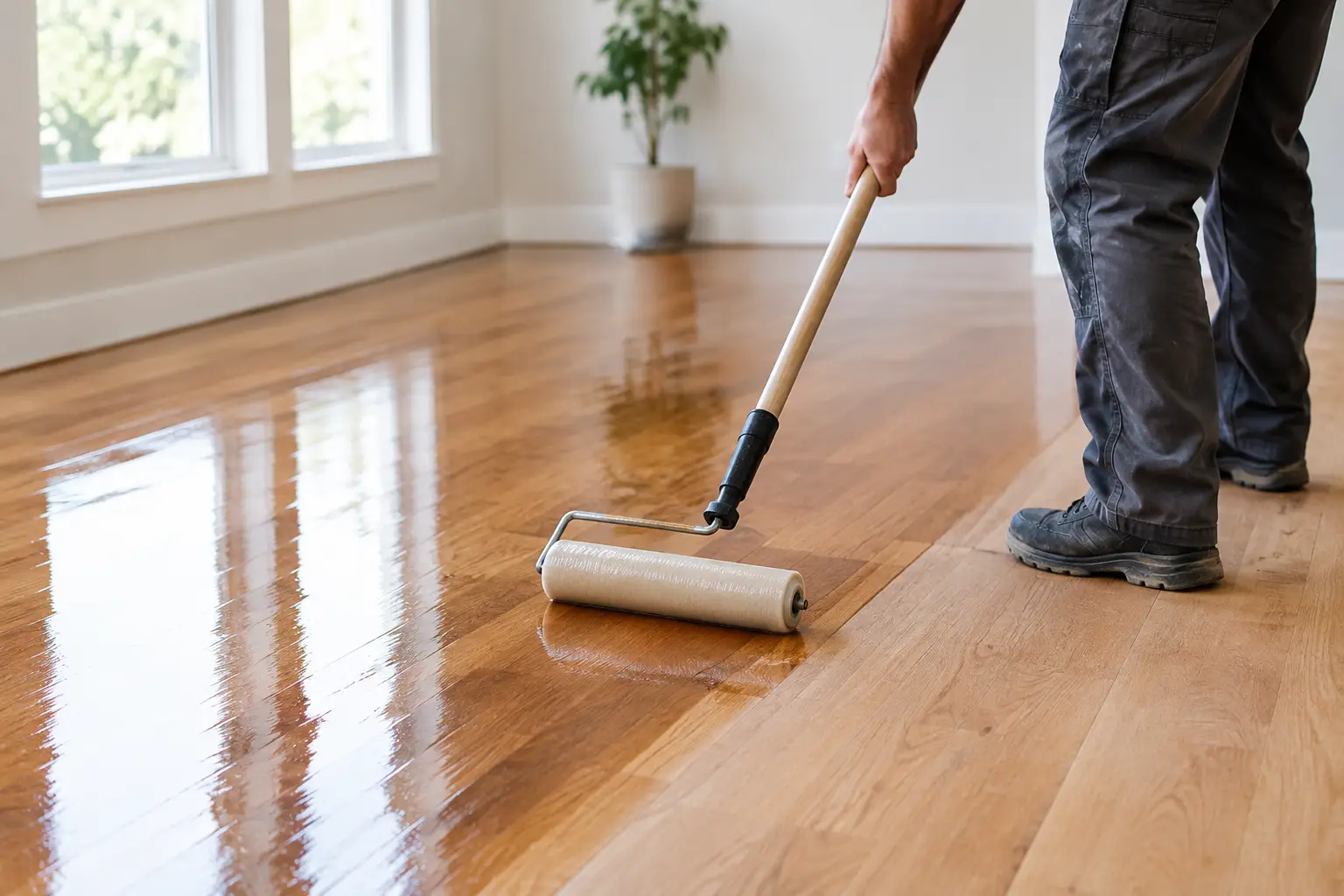
Next comes professional screening or abrasion, which creates the fine texture needed for adhesion while preserving the wood below. Dust management is essential at this stage. The floor is then carefully vacuumed and cleaned before the selected finish is applied under the right site conditions.
Finish selection should suit the household as well as the design. A matte or satin sheen can make everyday scratches less noticeable and complements both traditional and contemporary interiors. A glossier finish offers more reflectivity but reveals surface marks more readily. Modern waterborne finishes offer excellent durability, clear color, and faster cure times, with very low VOC options that support a healthier indoor environment.
At Royal Oaks Flooring, the recommendation begins with the floor in front of us: its species, age, finish history, wear pattern, and role in the home. That careful judgment is what separates meaningful maintenance from a temporary cosmetic fix.
Do Not Wait for Bare Wood
Once foot traffic has worn through the finish, moisture and dirt can enter the grain. The wood may darken around seams, develop rough patches, or absorb stains that a maintenance coat cannot conceal. At that point, refinishing becomes more likely, and the work may involve repairs beyond the finish itself.
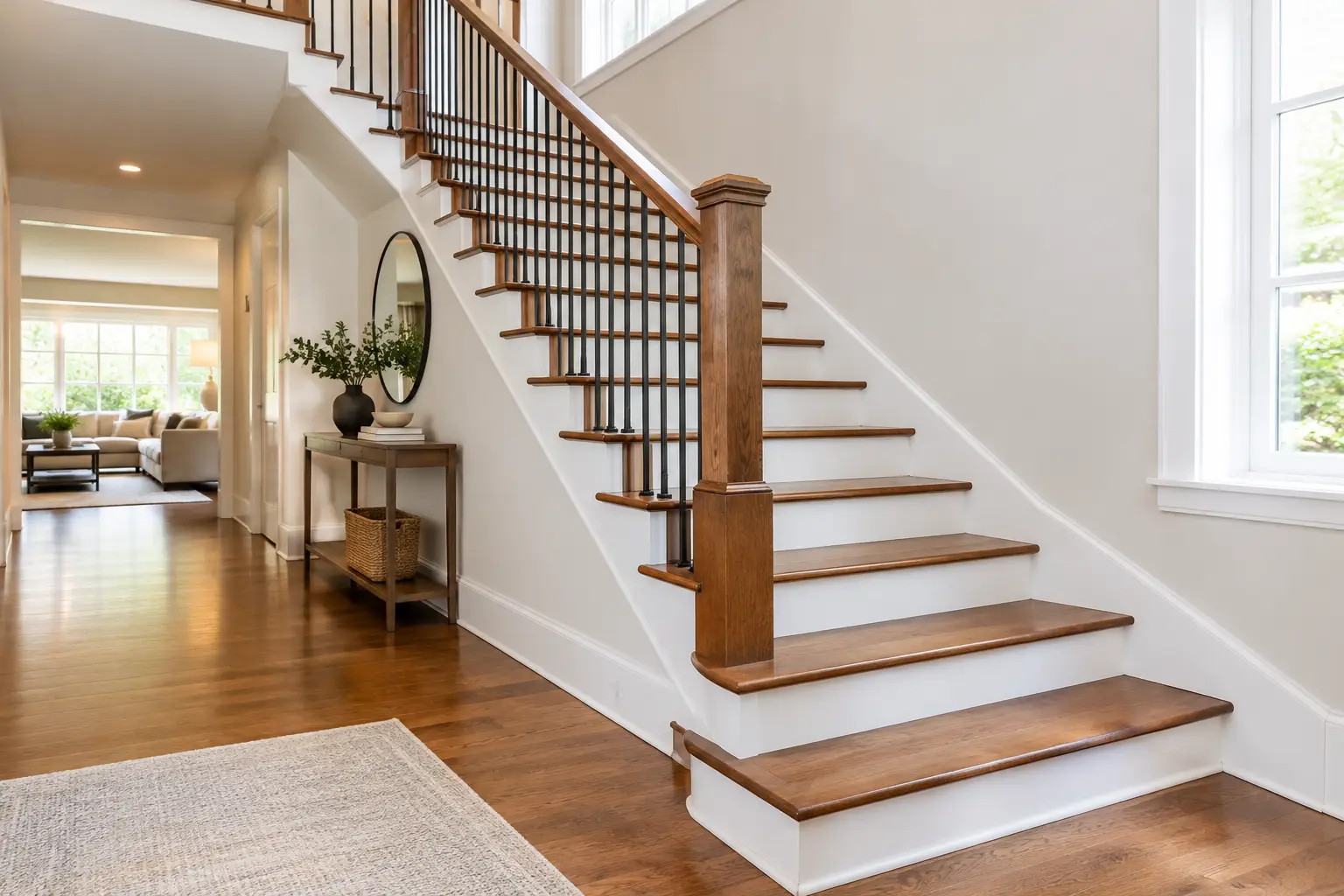
A recoat is one of the most practical ways to protect a hardwood floor’s long-term value, but only when it is performed at the right stage. If your floor looks tired in the paths where life happens most, have it evaluated before those subtle signs become permanent damage. A well-timed coat lets the wood continue telling its story with the richness, warmth, and quiet confidence only real hardwood can provide.