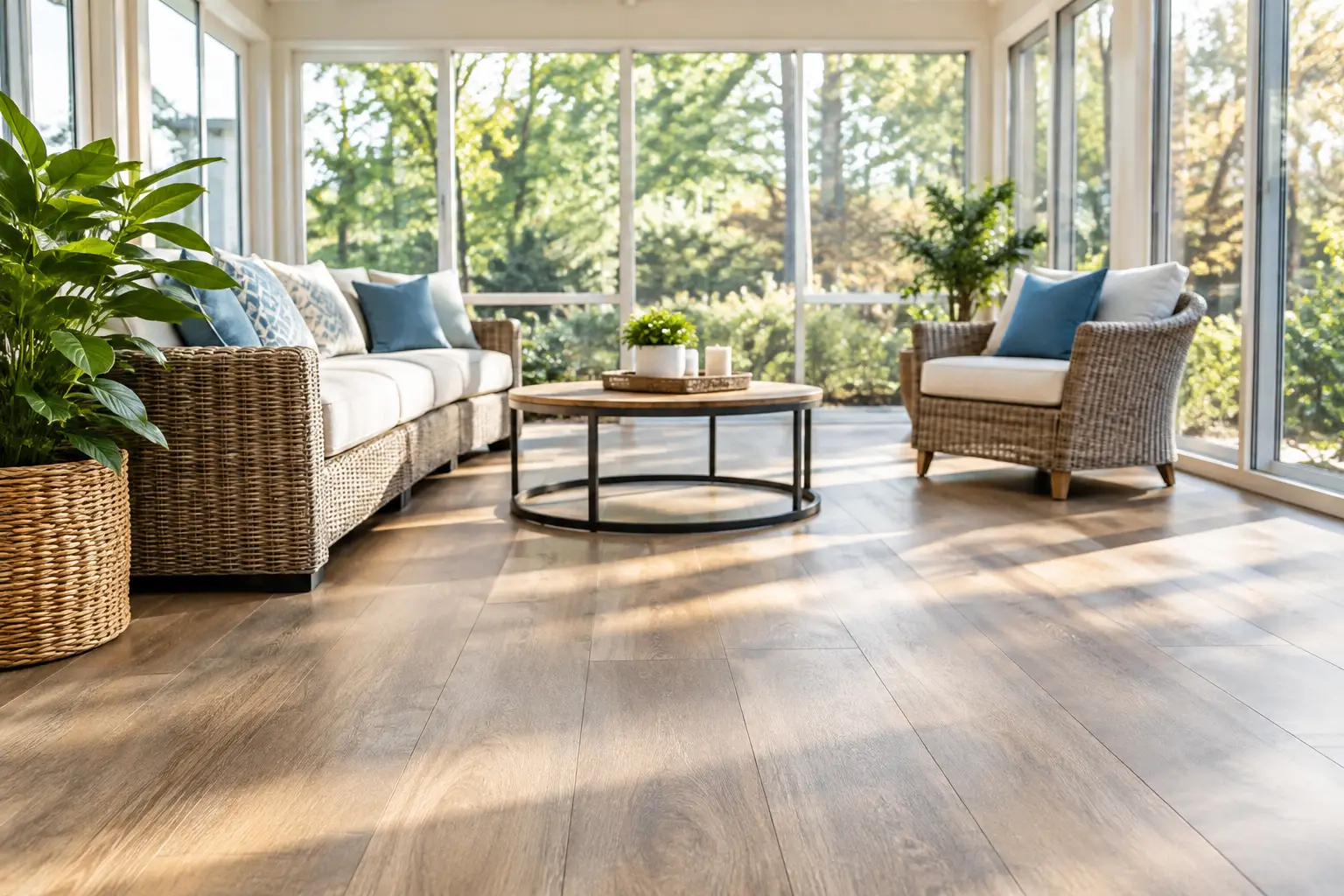
A sunroom asks more of a floor than most rooms in the house. It may receive direct afternoon light, cool sharply overnight, collect moisture from an open door, and transition visually to the living spaces beside it. To choose flooring for sunrooms well, look beyond a material’s showroom appearance and consider how it will perform through every season.
The right choice should feel intentional underfoot, hold its color in strong light, and accommodate the natural movement that comes with changing temperature and humidity. For a refined home, the floor should also belong to the architecture – not look like an afterthought added between the house and the garden.
Begin With How the Sunroom Is Built and Used
A conditioned, four-season sunroom gives you far more flooring flexibility than a three-season room. If the space is insulated, heated, and cooled like the rest of the home, humidity and temperature remain relatively stable. That makes engineered hardwood, certain site-finished wood floors, luxury vinyl, tile, and stone all viable options when properly installed.
A three-season room is more demanding. Winter cold, summer heat, and frequent swings in relative humidity can cause natural wood to expand, contract, cup, or gap. Direct weather exposure raises the stakes further. Before choosing a material, determine whether the room has a sound, dry subfloor; whether it is built over a slab, crawlspace, or finished level; and whether doors or windows can allow wind-driven rain inside.
Usage matters just as much. A quiet reading room has different needs than a gathering space where children, pets, garden shoes, and entertaining are part of daily life. If the sunroom opens to a pool, patio, or garden, easy cleanup and water resistance may take priority over the warmth of a natural wood surface.
How to Choose Flooring for Sunrooms With Heavy Sun
Sunlight is both the sunroom’s greatest asset and one of flooring’s greatest challenges. Ultraviolet exposure can fade or alter the color of almost any finish over time. Heat can also intensify expansion and contraction, particularly near glass walls and south- or west-facing windows.
Hardwood is especially expressive in sunlight. Cherry tends to deepen in color, walnut may lighten, and many stained floors can shift unevenly when rugs or furniture stay in place for years. That change is not necessarily a flaw – it is part of wood’s natural character – but it should be understood before installation. A carefully selected species, a color with variation, and a high-quality UV-resistant finish can make the effect more graceful and less noticeable.
Window treatments, UV-filtering glass, and thoughtful furniture placement protect the investment. Periodically moving rugs and furnishings allows the floor to age more evenly. In rooms with intense all-day exposure, avoid choosing a color solely from a small sample. View larger boards in the actual space at different times of day, because a finish that appears warm indoors may look markedly lighter in direct sun.
Engineered Hardwood Offers Warmth With Greater Stability
For homeowners who want the visual depth and lasting value of real wood, engineered hardwood is often an excellent sunroom choice. Unlike solid hardwood, engineered planks pair a genuine hardwood wear layer with a stable multi-layer core. This construction helps the boards better tolerate normal seasonal movement.
That does not mean engineered hardwood belongs in every sunroom. It still needs a dry, level substrate and indoor conditions that remain within the manufacturer’s specified temperature and humidity range. It is not a substitute for correcting water intrusion, poor insulation, or a damp concrete slab.
The quality of the product is decisive. A thicker wear layer allows for future refinishing, while a well-made core and precise milling produce tighter joints and a more composed finished floor. Wider planks can be striking in a bright room, especially in white oak or European oak, but they require careful acclimation, moisture testing, and installation planning. Those details separate a floor that performs beautifully from one that develops avoidable gaps or movement.
When Solid Hardwood Is the Right Choice
Solid hardwood brings unmatched authenticity, whether the vision calls for traditional oak, character-grade boards, reclaimed wood, or a custom site-finished floor that continues through adjoining rooms. In a fully conditioned sunroom that maintains stable interior conditions, it can be a beautiful and durable choice.
The trade-off is movement. Solid boards react more visibly to environmental change than engineered construction. A sunroom over an unconditioned crawlspace, an older addition with inconsistent insulation, or a room that is closed up without climate control for long periods may not provide the stability solid wood needs.
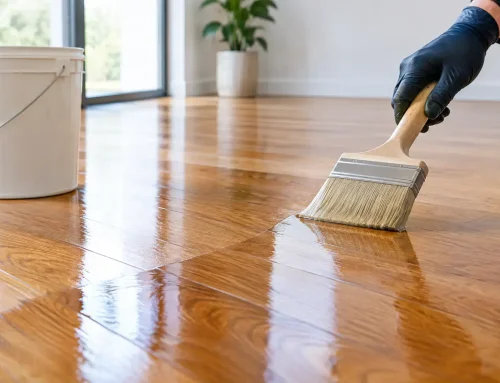
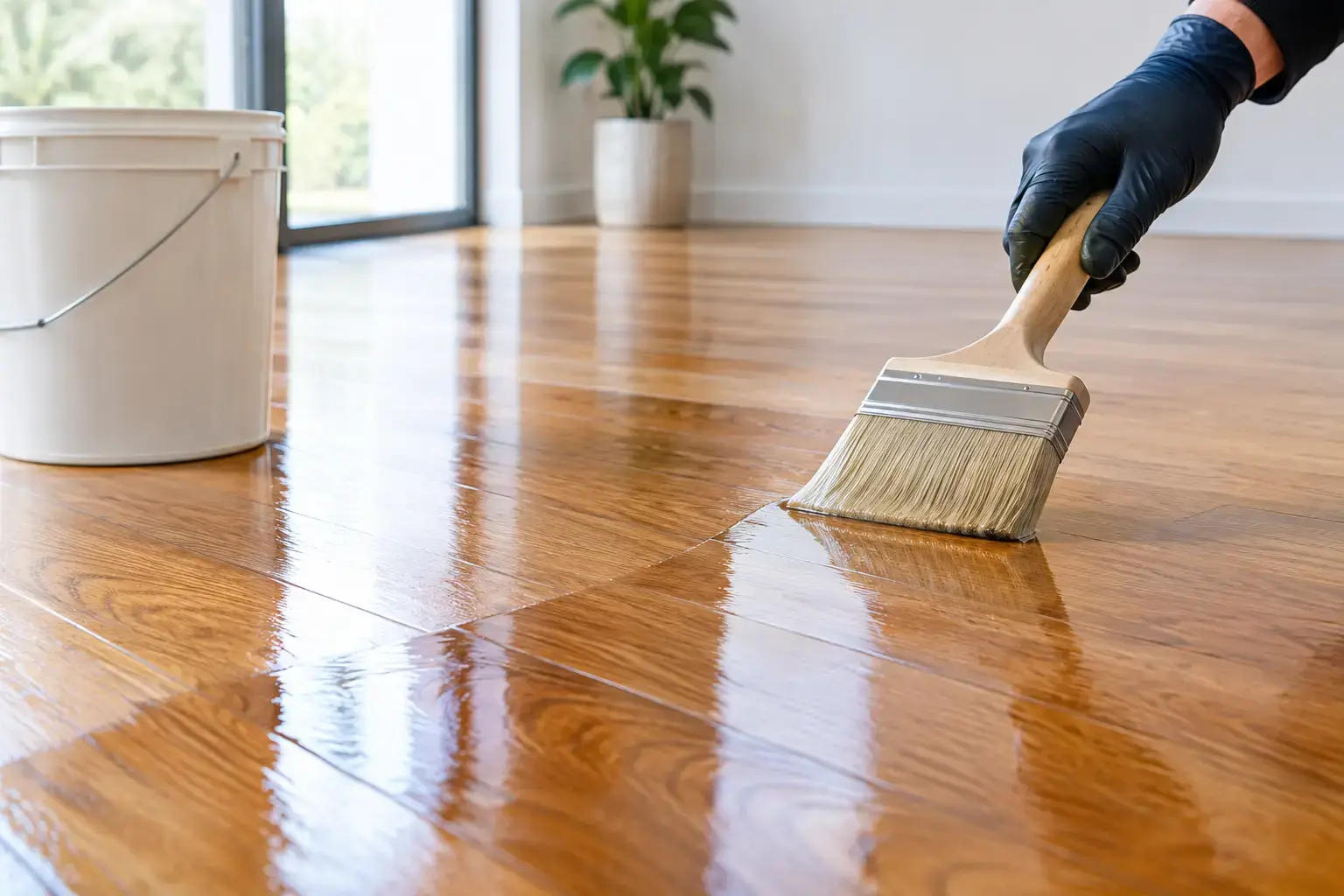
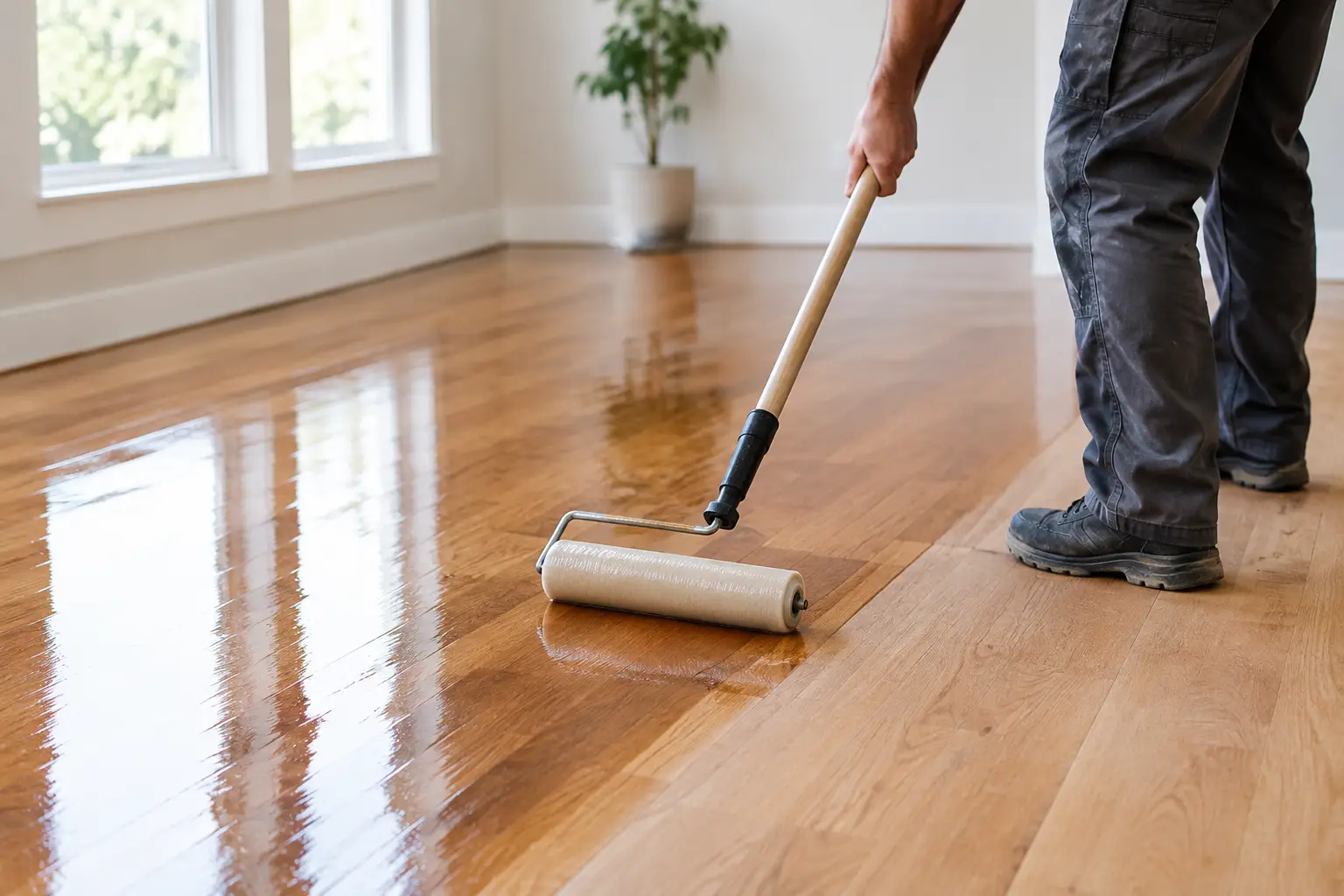
For the right space, professional finishing offers a distinct advantage. A carefully applied, very low-VOC finish can create the desired sheen, strengthen everyday protection, and make the floor feel integrated with the rest of the home. Species selection also matters. White oak remains a dependable favorite for its balanced grain and versatility, while maple is harder but can show staining differently. Reclaimed wood adds exceptional character, though its moisture content, milling, and installation requirements deserve experienced attention.
Tile and Stone Excel Where Moisture Is a Concern
Porcelain tile is one of the most practical answers for sunrooms that see wet shoes, pets, garden traffic, or occasional weather exposure. It is highly resistant to moisture, easy to clean, and largely unaffected by sun. Porcelain can also convincingly complement natural materials, from quiet limestone looks to wood-inspired planks.
Its primary compromise is comfort. Tile can feel cool underfoot, particularly in Maryland and Virginia winters, unless the room receives abundant solar gain or includes radiant heat. Area rugs can soften the experience, although they should be moved occasionally to avoid uneven exposure on surrounding flooring.
Natural stone offers a more distinctive, architectural finish. Slate, limestone, and marble each bring their own texture and variation, but they also require an honest assessment of maintenance. Some stones need periodic sealing, and polished surfaces may be less forgiving of grit and moisture. Proper substrate preparation is essential because tile and stone are rigid materials. If the subfloor flexes, grout and tile can crack.
Luxury Vinyl Has a Place, but Product Quality Matters
Luxury vinyl plank and tile can be a sensible choice for a casual, high-traffic sunroom. Quality products offer convincing visuals, a softer feel than tile, and welcome resistance to everyday spills. They can be particularly useful when a homeowner wants a wood-inspired appearance in a space shared with pets or frequently accessed from outdoors.
Still, not every vinyl product responds the same way to heat and direct sunlight. Some can expand, discolor, or telegraph imperfections in the subfloor. A sunroom with large glass exposures calls for a product approved for those conditions, installed according to its required expansion gaps and temperature limits. Terms such as “waterproof” should not distract from the larger issue: moisture beneath the floor or at the perimeter can still create problems for the subfloor and surrounding construction.
For an elevated renovation, consider the visual transition into adjacent rooms. A low-cost plank can look out of place beside custom hardwood. Better-grade luxury vinyl, selected with restraint and installed with precise transitions, offers a more convincing and durable result.
Do Not Overlook the Subfloor and Perimeter Details
The floor covering is only as dependable as the surface beneath it. Moisture testing is especially important over concrete slabs and in rooms near grade. A slab that appears dry can still release vapor at levels that are unsuitable for wood flooring without proper mitigation.
Expansion space, underlayment, adhesive selection, and transition details deserve equal attention. Flooring must be allowed to move where the manufacturer requires it, while thresholds at exterior doors must remain secure and weather-conscious. In older homes and additions, the sunroom floor may sit at a different height than the main house. A well-crafted transition can make that change feel purposeful rather than awkward.
This is also where a professional site assessment earns its value. Measurements, moisture readings, subfloor conditions, and sunlight patterns should inform the recommendation before materials are ordered. The most attractive sample cannot compensate for an installation method that ignores the room’s construction.
Let the Sunroom Belong to the Whole Home
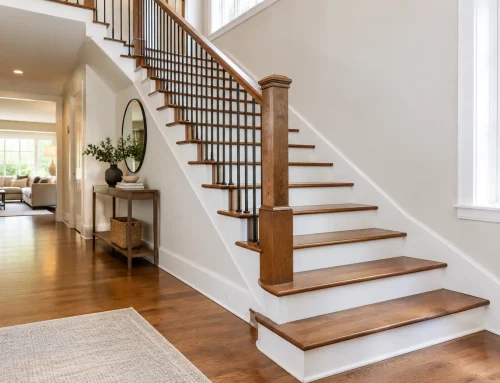
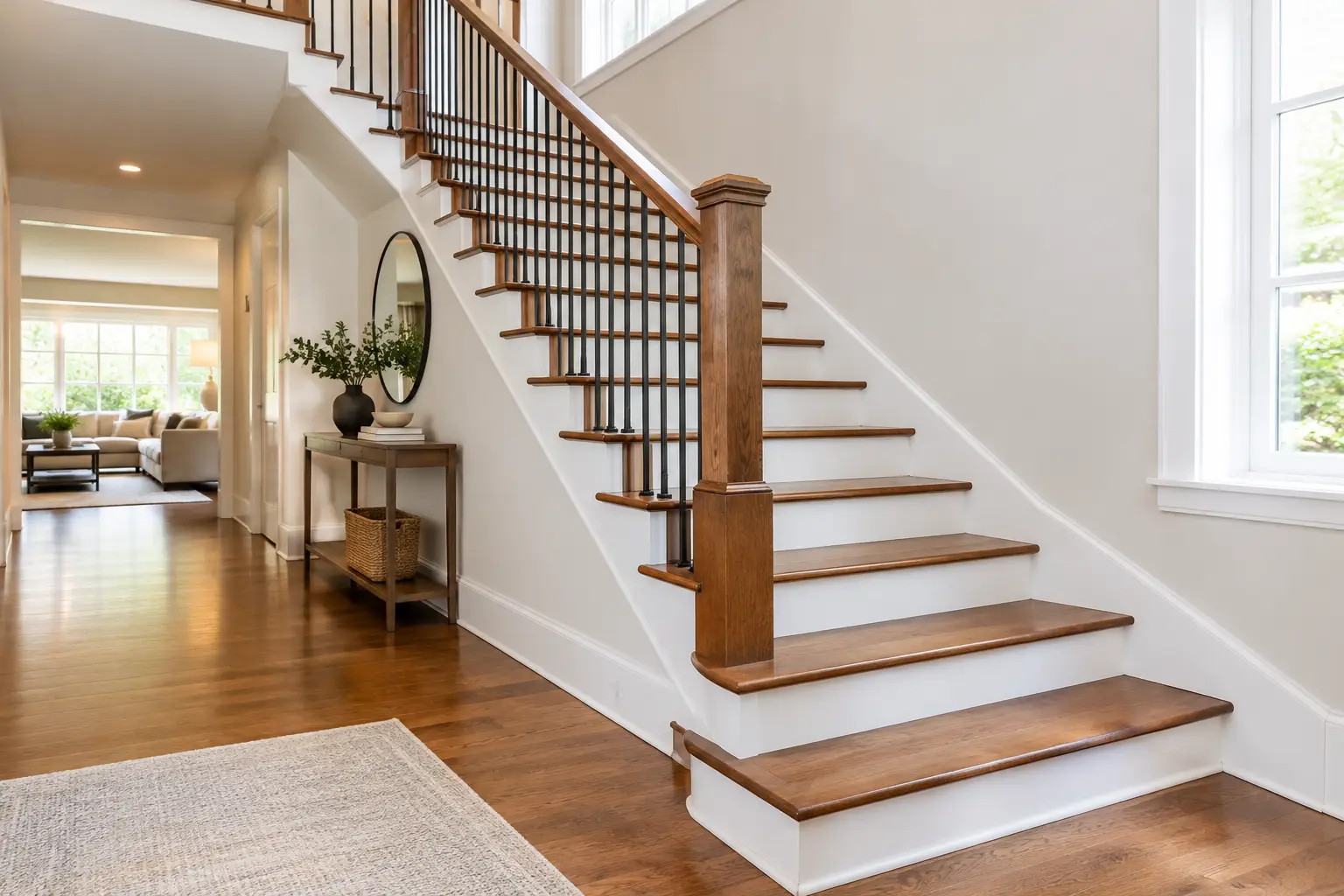
A sunroom should feel connected to the home while retaining its own lighter, more relaxed character. Continuing the same engineered hardwood from an adjacent family room can make both spaces feel larger and more composed. Choosing a complementary tile or stone can create a practical transition zone without breaking the design language.
Consider scale as well as color. Narrow strips may suit a traditional historic home, while wider planks can lend calm, contemporary proportion to an open sunroom. Matte and low-sheen finishes often handle bright light more gracefully than high gloss because they soften reflections and make ordinary dust less visible.
The best choice is rarely the material that promises the most on paper. It is the floor that respects the room’s conditions, suits the way your household lives, and has been installed with the care the material demands. When those decisions are made together, a sunroom floor becomes more than a surface to walk on – it becomes the grounded, enduring element that lets the light do its best work.