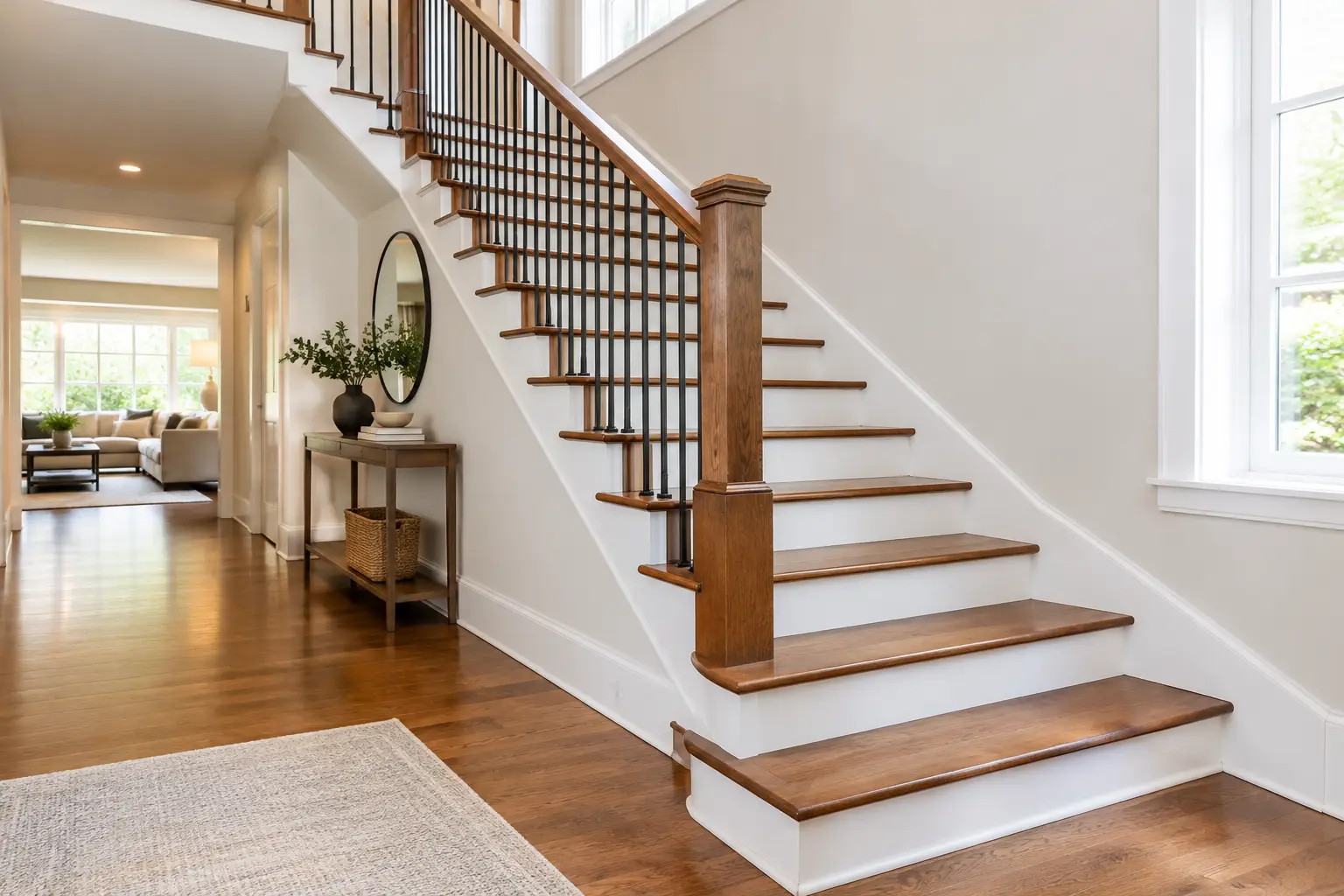
A staircase is not a background feature. It is a daily path through the home, a visual connection between floors, and often the first architectural detail guests notice from the entry. Well-crafted hardwood stairs bring a sense of permanence that carpeted treads and imitation materials rarely match. They can make a modest foyer feel more considered, give an open-plan renovation needed definition, and carry the character of a historic home into its next chapter.
Yet stairs demand more than beautiful boards. They receive concentrated wear, require precise layout, and must feel secure underfoot. The species, construction method, tread profile, finish, and transition into surrounding flooring all deserve careful attention. When those details work together, a hardwood staircase becomes one of the most enduring investments in the house.
Why Hardwood Stairs Make Such a Difference
Unlike a broad floor, a stair presents wood at close range and from several angles. Light catches the grain on each tread. The risers create rhythm. The nosing casts a narrow shadow that gives the staircase depth and structure. This is why material selection and workmanship show so clearly on stairs.
Hardwood also offers a practical advantage for busy households. Properly installed and finished treads hold up well to regular traffic, are easier to clean than carpeting, and can be renewed when surface wear appears. A quality hardwood staircase may be refinished over its lifetime, allowing the home to evolve without replacing the structure beneath it.
That does not mean every wood stair is maintenance-free. Dogs, grit from shoes, moving furniture, and high heels can mark any finish. But a durable finish and a sensible care routine allow hardwood to age with dignity rather than simply looking worn out.
Choosing the Right Wood for Hardwood Stairs
The best species depends on the home’s style, the surrounding flooring, and how the staircase will be used. Consistency is often important. If the stairs meet existing white oak flooring, matching the species, grade, plank color, and finish sheen creates a calm, intentional transition. In other homes, a contrast can be striking: walnut treads against painted risers, for example, can add richness to a more traditional or tailored interior.
Oak: The Enduring Choice
White oak and red oak remain popular for good reason. Both have dependable strength, recognizable grain, and a broad range of stain and finish options. White oak is especially valued in contemporary and transitional interiors because its grain can appear refined and understated, particularly with natural or lighter finishes. Its neutral undertones also make it adaptable when future furnishings or wall colors change.
Red oak offers a more pronounced grain pattern and a warmer cast. It remains an excellent choice for traditional homes and for projects where it needs to blend with existing red oak floors. The right choice is not about one species being inherently superior. It is about creating a result that belongs in the home.
Maple, Walnut, Cherry, and Reclaimed Wood
Maple has a smooth, subtle grain and considerable hardness, making it appealing for clean-lined interiors. Because it can absorb stain unevenly, it benefits from experienced finishing methods when a custom color is desired.
Walnut brings natural depth, chocolate-brown tones, and an elegant grain that makes a staircase feel like fine furniture. It is softer than oak, so households with heavy traffic should weigh that trade-off against its exceptional visual character.
Cherry develops a richer patina with age, while ash offers a distinct open grain and light, contemporary appearance. Reclaimed wood can introduce remarkable texture, history, and variation, but it requires especially careful milling, grading, and installation planning. Its irregularity is part of the appeal, not a flaw to be hidden.
Construction Details That Separate Fine Work From Average Work
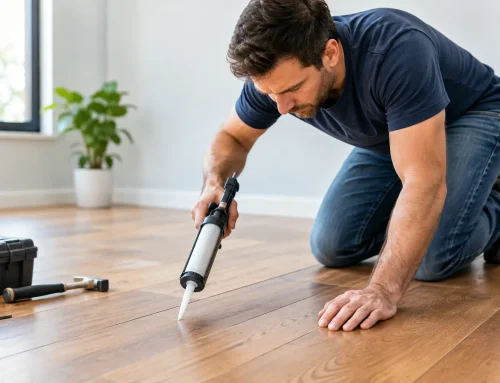
Stairs are not simply flooring cut into short lengths. Each tread must be properly supported, securely fastened, and fitted with clean, consistent overhangs. A small inconsistency in riser height or tread depth can be felt immediately as someone walks the staircase. Beyond appearance, accuracy is a matter of comfort and safety.
Solid hardwood treads are a classic choice, particularly for custom staircases and refinishing projects. They have substantial visual weight and can often be refinished multiple times. Engineered hardwood treads may be appropriate in certain applications, especially where dimensional stability is a concern, but the product must be selected for stair use and installed according to its specifications.
The decision between open and closed risers also shapes the room. Open-riser stairs can create an airy, modern effect, though local code requirements and household safety needs must guide the design. Closed risers feel more grounded and traditional. Painted risers paired with hardwood treads offer a crisp contrast, while wood risers create a fully finished, furniture-like look.
A skilled installer also plans for the details around the stairs: landings, skirt boards, stringers, baluster transitions, and the way the hardwood meets adjacent rooms. These areas are where shortcuts become visible. Thoughtful craftsmanship makes the staircase feel integrated rather than added on.
Finish Matters as Much as the Wood
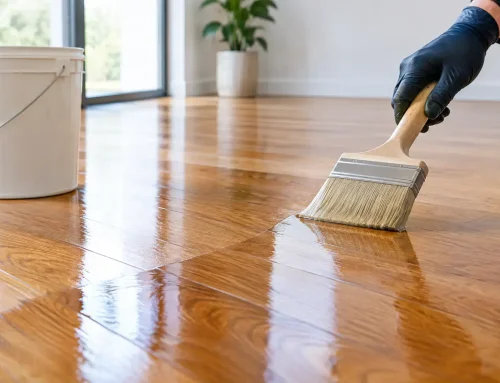
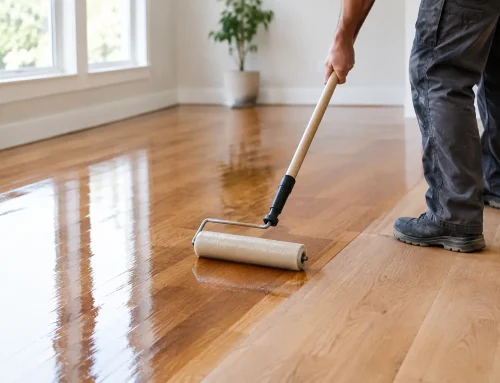
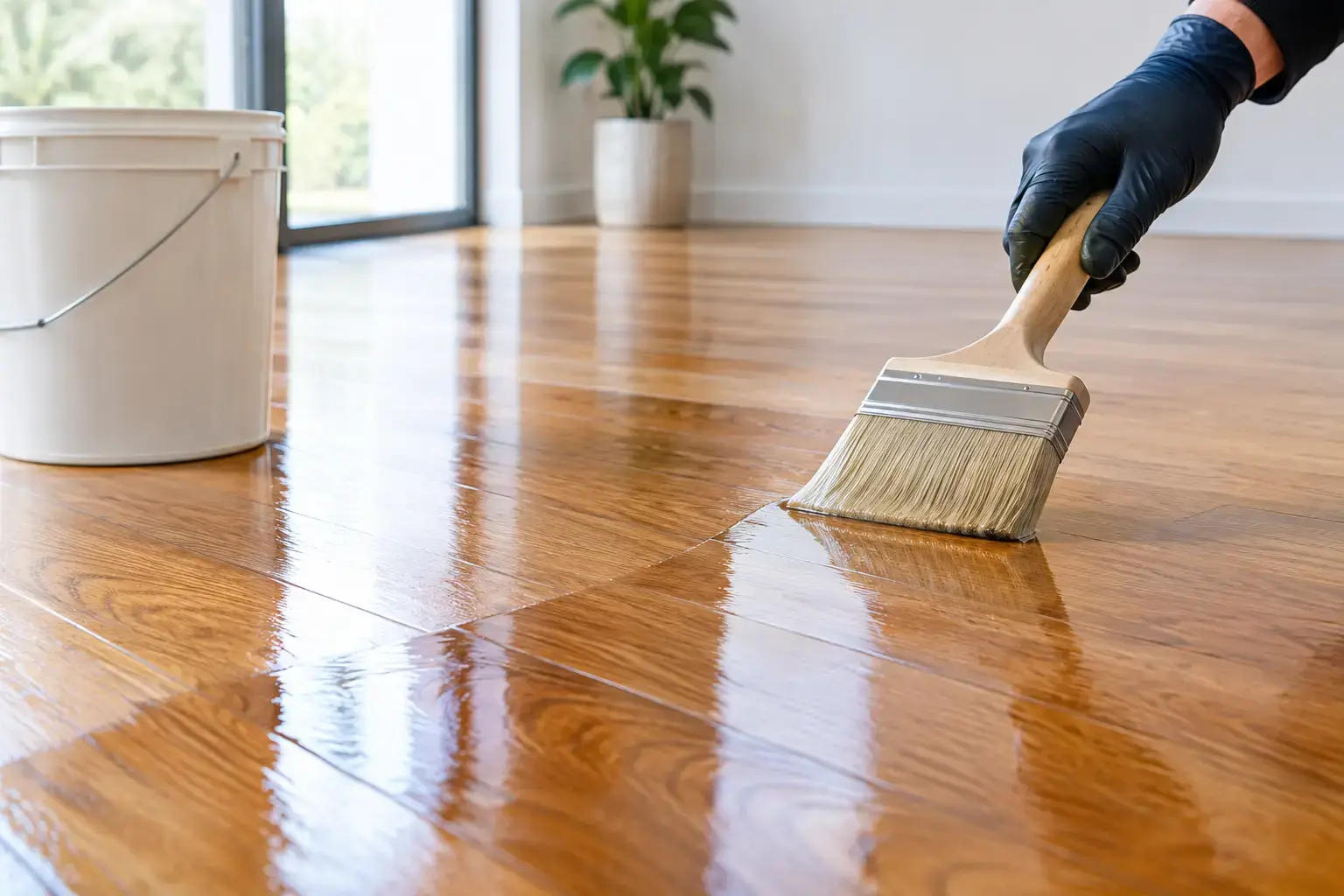
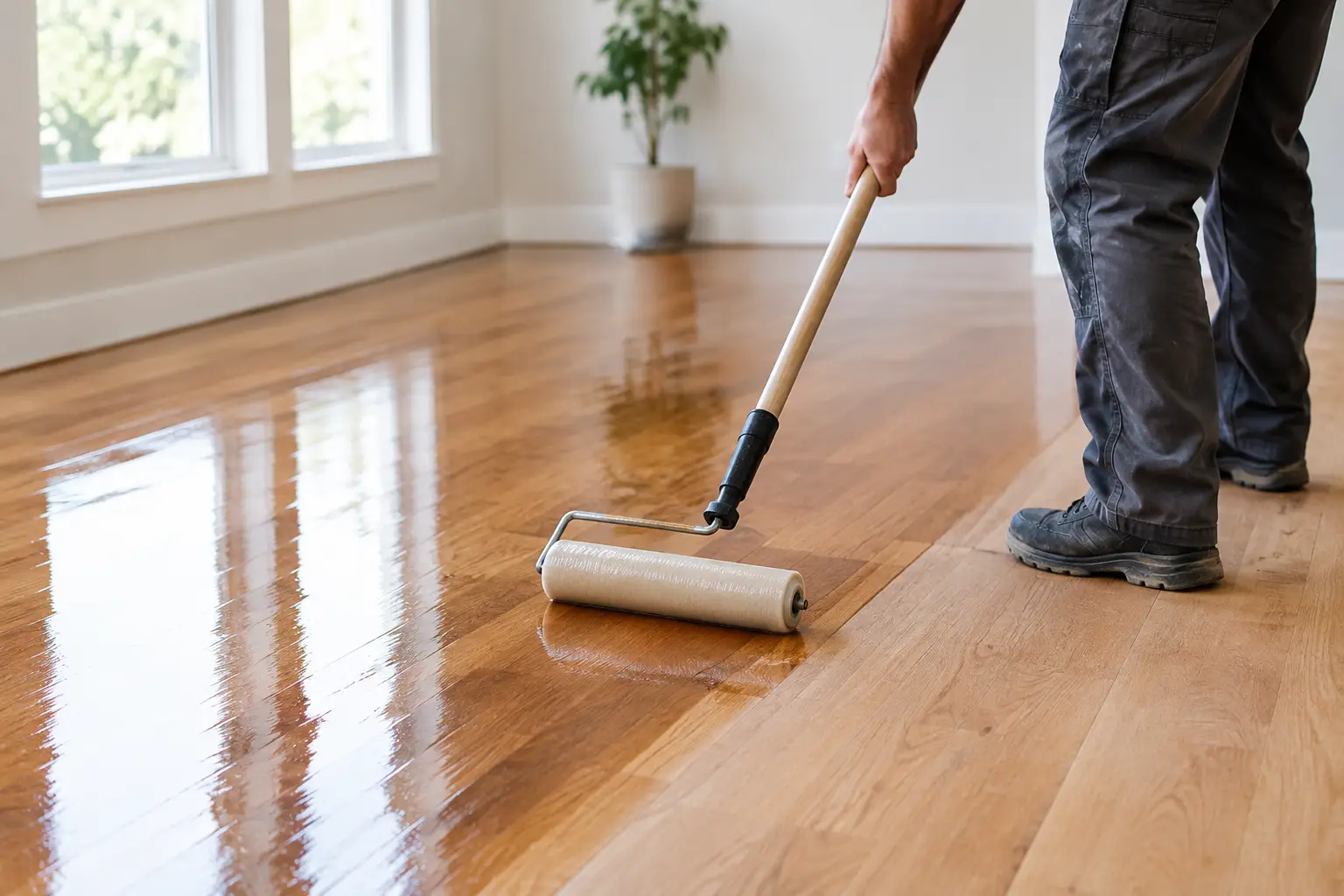
The finish is the protective layer between a beautiful tread and everyday life. For staircases, it must withstand abrasion while preserving the clarity and texture of the grain. The goal is not to bury the wood beneath a thick-looking coating. It is to protect it while allowing the material to remain visually alive.
Modern waterborne finishes are an excellent option for many homes. High-performance, very low-VOC systems dry quickly, support healthier indoor air quality, and can provide impressive durability. A matte or satin sheen often works especially well on stairs because it softens reflections and makes minor dust or superficial marks less noticeable than a high-gloss surface.
Color deserves the same discipline. Samples should be viewed on the actual species and under the home’s natural and artificial light. A stain that feels warm in a bright showroom can read much darker in a shaded foyer. For homeowners in older homes around Annapolis, Potomac, or the Eastern Shore, custom color matching can also be essential when restoring a staircase beside original flooring.
Planning for Safety Without Losing Beauty
A refined staircase should be safe in ordinary life, including rushed mornings, socks on the stairs, and children moving quickly between floors. The tread surface, nosing profile, handrail, lighting, and stair geometry all contribute to that experience.
Very glossy finishes can make a stair look more formal, but they may also highlight scratches and feel less forgiving visually. Extremely dark stains can be dramatic, yet they often reveal dust, pet hair, and edge wear more readily. Lighter natural tones and medium stains tend to be easier to live with, though the right choice ultimately depends on the homeowner’s expectations and maintenance habits.
If traction is a particular concern, a stair runner can be a thoughtful addition rather than a compromise. It protects the center of each tread, softens footfall, and leaves the beauty of the hardwood visible along both edges. The runner should be carefully measured and installed so it complements the staircase rather than concealing poor workmanship.
Care That Protects the Investment
Hardwood stairs benefit from simple, consistent care. Sweep or vacuum with a hard-floor setting to remove grit, which acts like sandpaper underfoot. Clean spills promptly, avoid soaking the wood, and use cleaning products approved for the finish system. Felt pads on moved furniture and mats at exterior entries help reduce the abrasive debris that reaches the stairs.
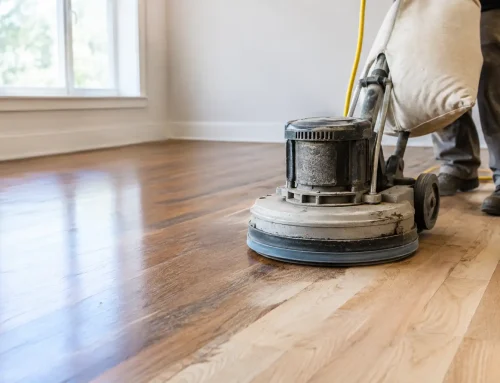
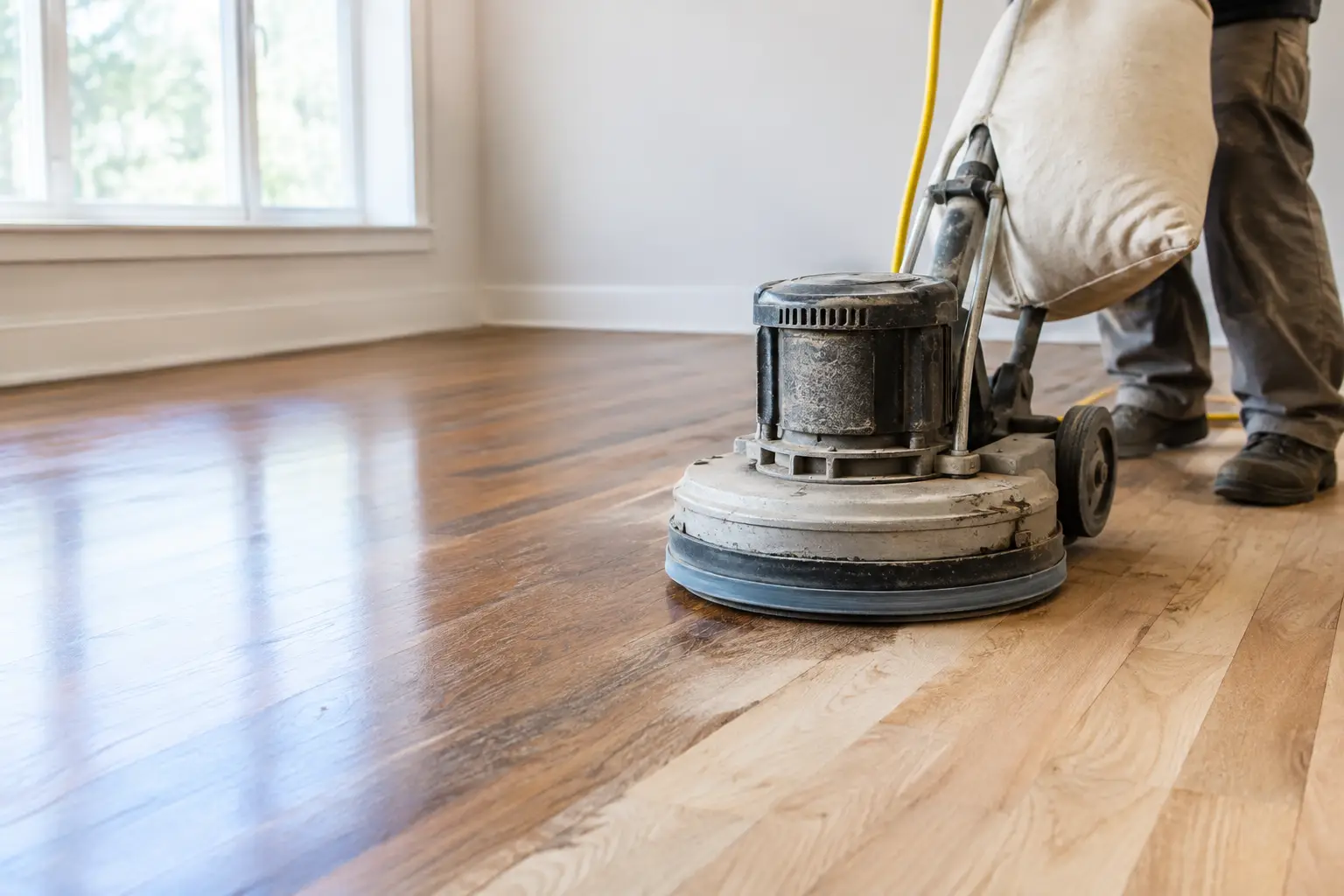
Over time, the finish may show dull traffic paths or small scratches, especially on the leading edge of treads. Addressing wear early can sometimes allow for a maintenance coat rather than a more involved refinishing project. When deeper scratches, widespread wear, or color changes call for restoration, professional assessment protects both the wood and the surrounding trim work.
A Staircase Worth Looking Up To
The finest hardwood stairs do more than connect one level to another. They create a measured transition through the home, balancing daily function with material beauty. At Royal Oaks Flooring, that standard begins with listening closely to how a household lives, then bringing precision to every tread, riser, and finish choice.
Before selecting a species or stain, stand at the bottom of the staircase and consider what the space should say when someone enters. The answer often leads to a better design: one that feels right underfoot today and still looks at home decades from now.