A newly refinished hardwood floor should look beautiful on the day the furniture returns, but its real value is proven years later: in the clarity of the grain, the consistency of the sheen, and the way it stands up to everyday life. Waterborne finish performance has become a central consideration for homeowners who want that long-term beauty without the lingering odor and extended downtime traditionally associated with oil-based finishes.
For a family home in Potomac, a historic property in Annapolis, or a carefully renovated Eastern Shore residence, the right finish is not a final cosmetic detail. It is the protective surface your floors will rely on through foot traffic, pets, spills, sunlight, and regular cleaning. Selecting a waterborne system deserves the same careful thought as selecting the wood itself.
What Waterborne Finish Performance Really Means
Waterborne finish is sometimes described simply as a low-odor alternative to oil-based polyurethane. That description is incomplete. A modern professional waterborne finish is a high-performance coating system engineered to form a durable protective film while using water as the primary carrier rather than large amounts of solvent.
Its performance is measured in more than one way. A quality finish must resist abrasion, protect against moisture from routine spills, maintain its sheen, adhere properly to the wood, and cure into a surface that can handle real use. It should also preserve the intended appearance of the species beneath it.
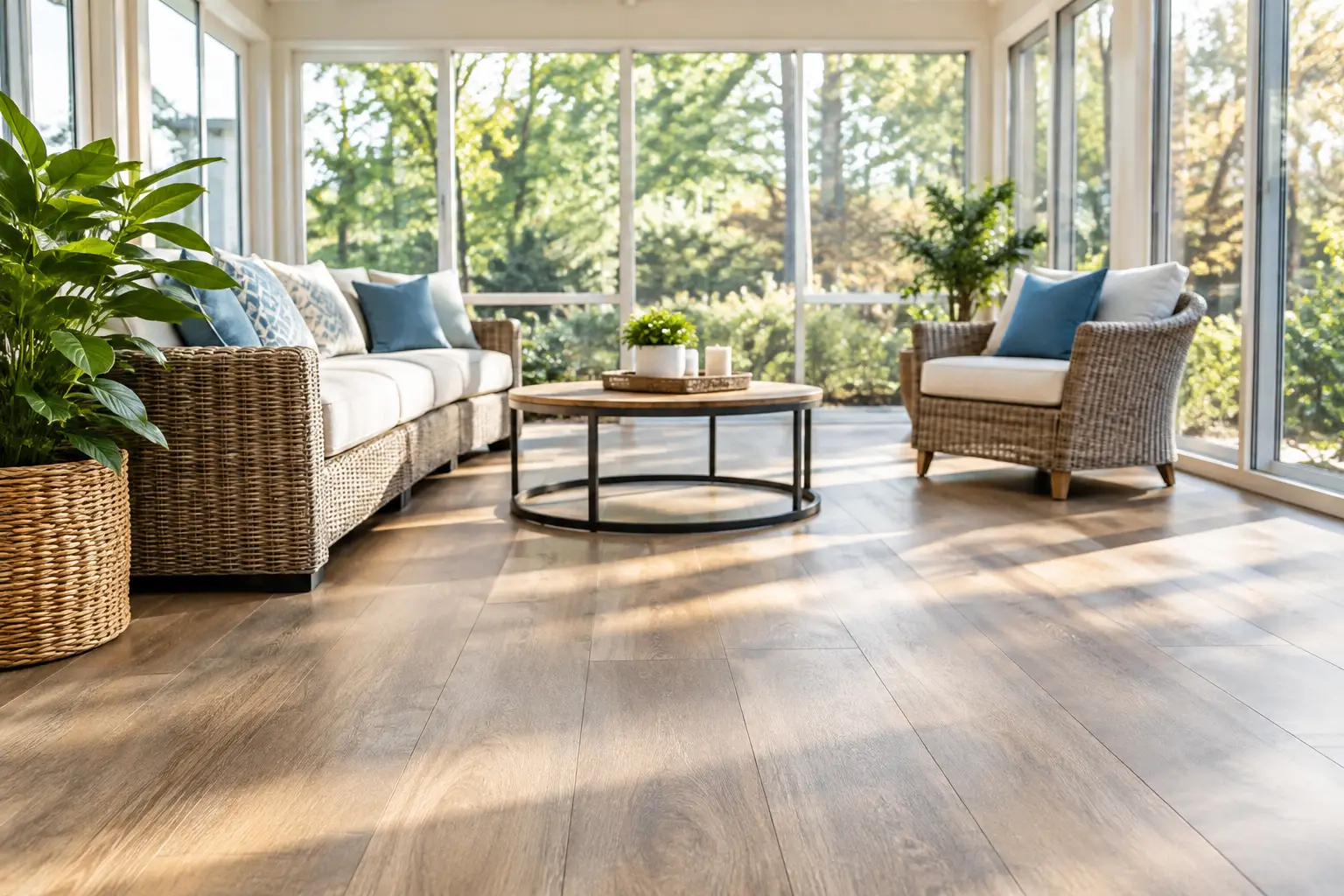
For many homeowners, the visual difference is immediate. Waterborne finishes generally dry clear rather than developing the amber cast associated with traditional oil-based products. White oak retains its natural, contemporary character. Maple stays cleaner and lighter. Walnut and cherry show their depth without being heavily warmed by the coating itself. That clarity is especially valuable when the floor color has been chosen to complement cabinetry, stone, or a carefully considered interior palette.
The Advantages of a Modern Waterborne System
The strongest case for waterborne finishes begins with their combination of appearance, indoor comfort, and practical scheduling. Professional-grade systems are very low VOC and are often GreenGuard certified, helping reduce off-gassing within the home. For households with children, pets, sensitive occupants, or simply a desire to return to normal more quickly, that benefit matters.
Drying time is another meaningful advantage. Waterborne coatings dry considerably faster than conventional oil-based finishes, allowing skilled flooring professionals to apply multiple coats within a shorter working window. This does not mean the floor is instantly ready for full use. Dry time and cure time are different, and a floor still needs appropriate protection while the finish reaches its full hardness. It does, however, reduce the period when a home is disrupted by refinishing work.
Waterborne systems also offer dependable long-term durability when the coating is selected and applied correctly. High-quality products can provide excellent resistance to scuffs and everyday wear, particularly in busy areas such as hallways, kitchens, family rooms, and entryways. The finish should be matched to the household rather than chosen from a showroom sample alone. A quiet adult household, an active family with large dogs, and a rental property each place different demands on a floor.
Why Application Determines the Result
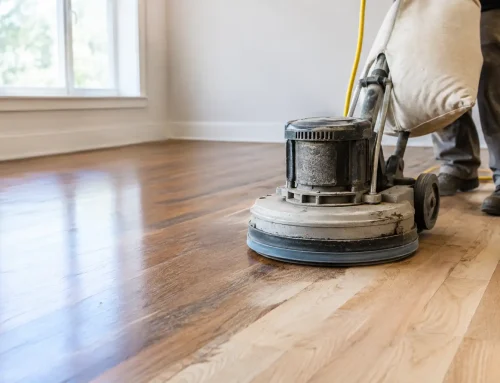
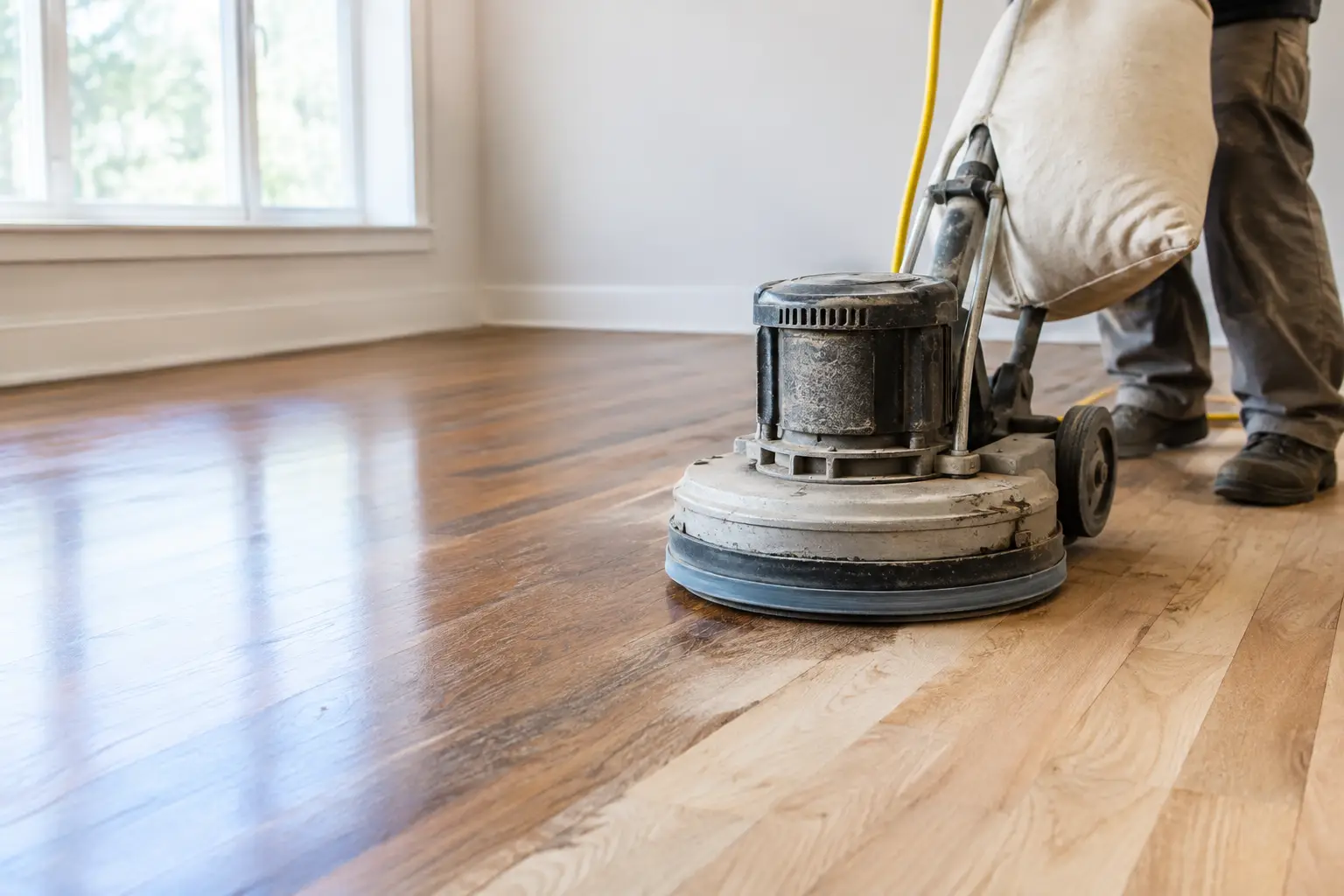
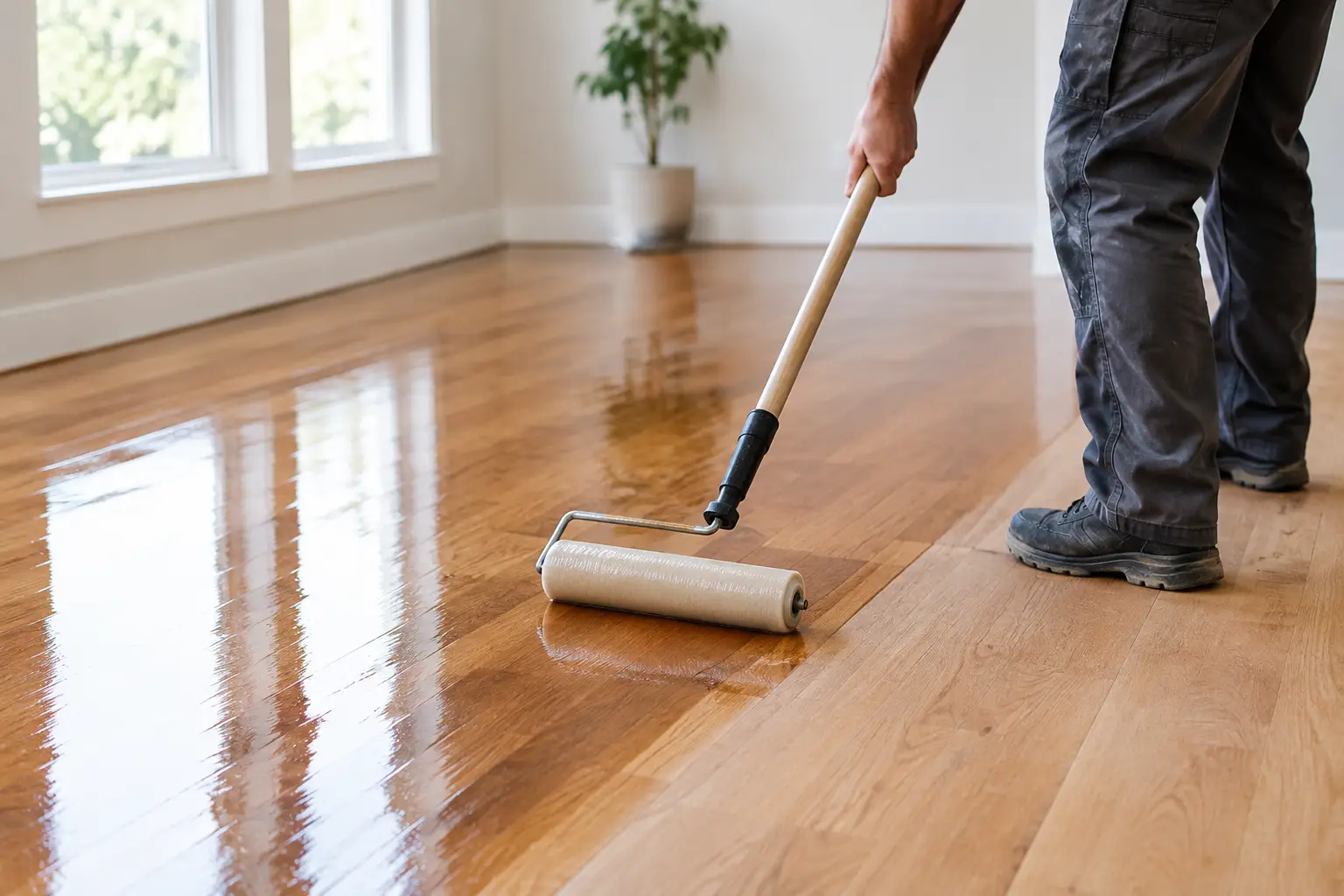
Even the finest waterborne finish cannot compensate for poor floor preparation. Hardwood finishing is a sequence of precise steps: repairing defects, flattening uneven areas, sanding through a disciplined grit progression, removing fine dust, conditioning the surface when needed, and applying each coat with even coverage and proper drying conditions.
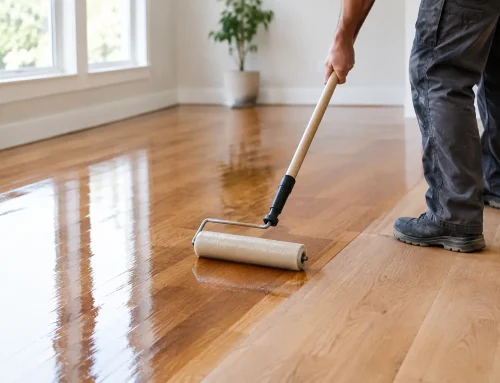
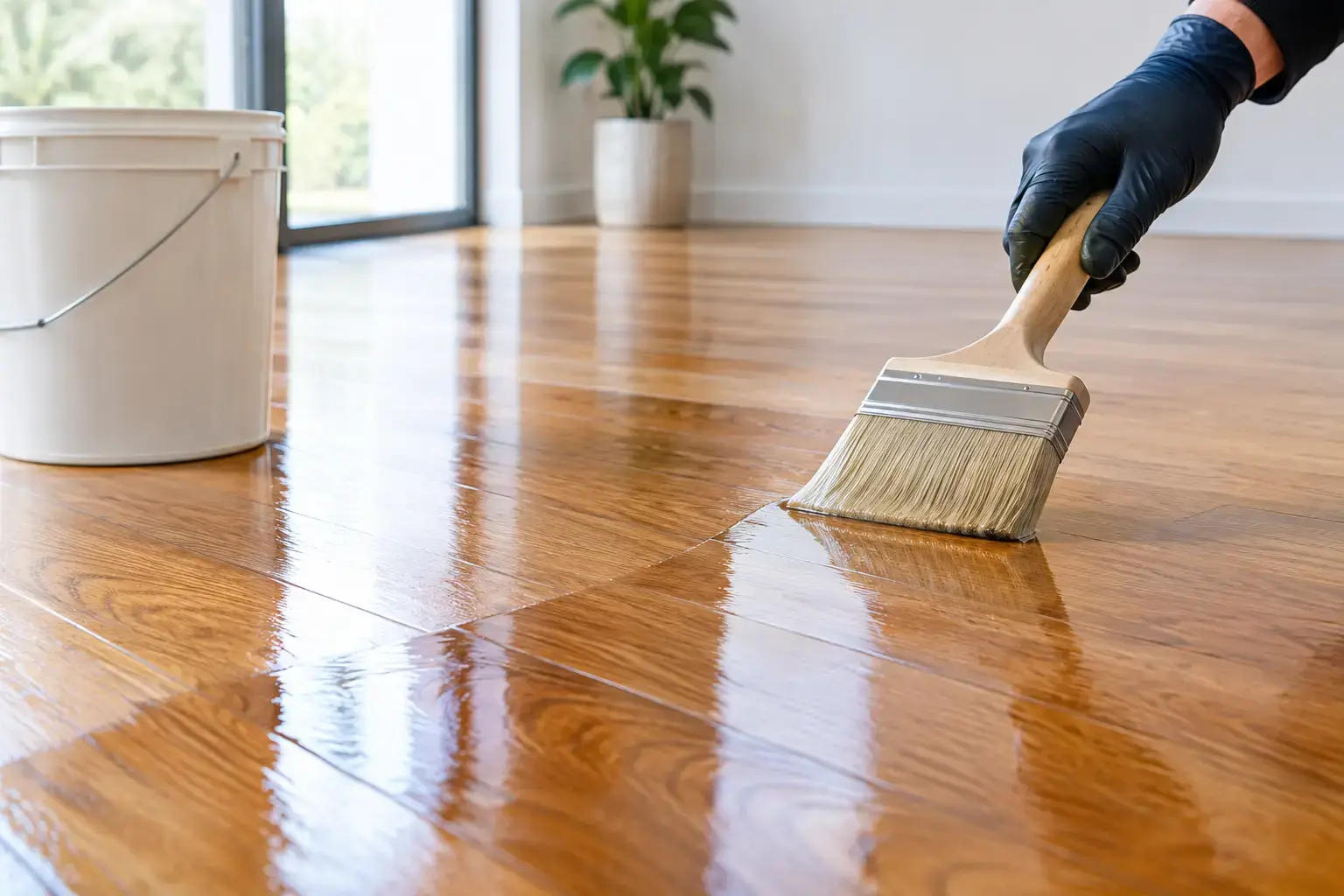
Waterborne coatings dry quickly, which is useful but unforgiving. An installer must maintain a wet edge, avoid lap marks, control the spread rate, and work within the manufacturer’s recoat window. Excessive material can create an uneven surface or extend cure time. Too little may compromise film build and protection. Temperature, humidity, airflow, and the condition of the wood all influence the outcome.
This is where craftsmanship separates a floor that is merely refinished from one that feels finished with intention. The coating should look even from one board to the next, with no distracting streaks, heavy edges, dust nibs, or inconsistent sheen. On wide-plank flooring, reclaimed wood, and historic boards with varied density and grain, the installer’s judgment is particularly important.
At Royal Oaks Flooring, finish selection and application are treated as part of the larger craft of preserving the wood. The goal is not to obscure the material beneath a thick, plastic-looking layer. It is to build protection while allowing the grain, character, and carefully chosen color to remain the centerpiece.
Waterborne Finish Performance and Sheen Choice
Sheen affects how a room feels, but it also influences how the floor performs visually in daily life. Matte and satin finishes are especially popular in refined, contemporary interiors because they soften reflected light and allow the wood’s natural texture to take priority. They also tend to make minor dust, scratches, and everyday movement less noticeable than high-gloss surfaces.
A higher sheen can be striking in the right setting, especially in formal spaces or traditional homes, but it requires more visual discipline. Light from large windows, chandeliers, and glass doors can reveal footprints and fine surface marks more readily. That does not make gloss a poor choice. It simply means the homeowner should understand the maintenance expectations before making a decision.
The most suitable sheen often depends on the home’s light, traffic patterns, species, color, and design direction. A natural white oak floor in a sun-filled Great Falls home may call for a matte or low-satin finish. A restored cherry floor in a more formal room may benefit from a subtle satin sheen that adds richness without excessive reflection.
Where Waterborne Finishes Have Trade-Offs
Waterborne finishes are not automatically the best answer for every floor or every aesthetic goal. Their clear appearance is an advantage for many projects, but homeowners seeking a pronounced warm amber tone may prefer an oil-based finish or a compatible color system designed to create that effect.
They can also reveal application inconsistencies more readily because they dry quickly and remain optically clear. That is not a weakness of the material so much as a reason to insist on experienced installation. The floor must be properly sanded, cleaned, and coated under appropriate conditions.
Some waterborne systems cost more upfront than basic conventional finishes. Yet the decision should be measured against the entire investment: premium hardwood, skilled installation, reduced household disruption, healthier indoor air, and the potential to extend the floor’s service life through proper care. The least expensive coating choice is rarely the least expensive choice over decades of ownership.
Protecting the Finish After Refinishing
A well-finished floor still needs sensible care. Use felt pads beneath furniture, place durable mats at exterior doors, and lift rather than drag heavy pieces. Wipe up standing water promptly, particularly around pet bowls, sinks, and entry areas during wet weather.
Routine cleaning should be gentle and specific to finished hardwood. Dry dusting or vacuuming with a hardwood-safe attachment removes abrasive grit before it is ground into the surface. When deeper cleaning is needed, use a cleaner approved for the finish system and a lightly damp microfiber mop. Avoid steam mops, oil soaps, waxes, and excessive water, all of which can leave residue or compromise the protective layer over time.
Just as important, do not wait for bare wood to appear before seeking professional advice. A maintenance coat or timely recoat can renew a worn protective surface before the floor requires a complete sanding. This approach is especially valuable for high-traffic homes and older floors with irreplaceable character.
A hardwood floor should grow more personal with the years, not more fragile. Choose a waterborne finish system that suits the way your household lives, then give it the skilled preparation, thoughtful care, and timely maintenance that fine wood deserves.