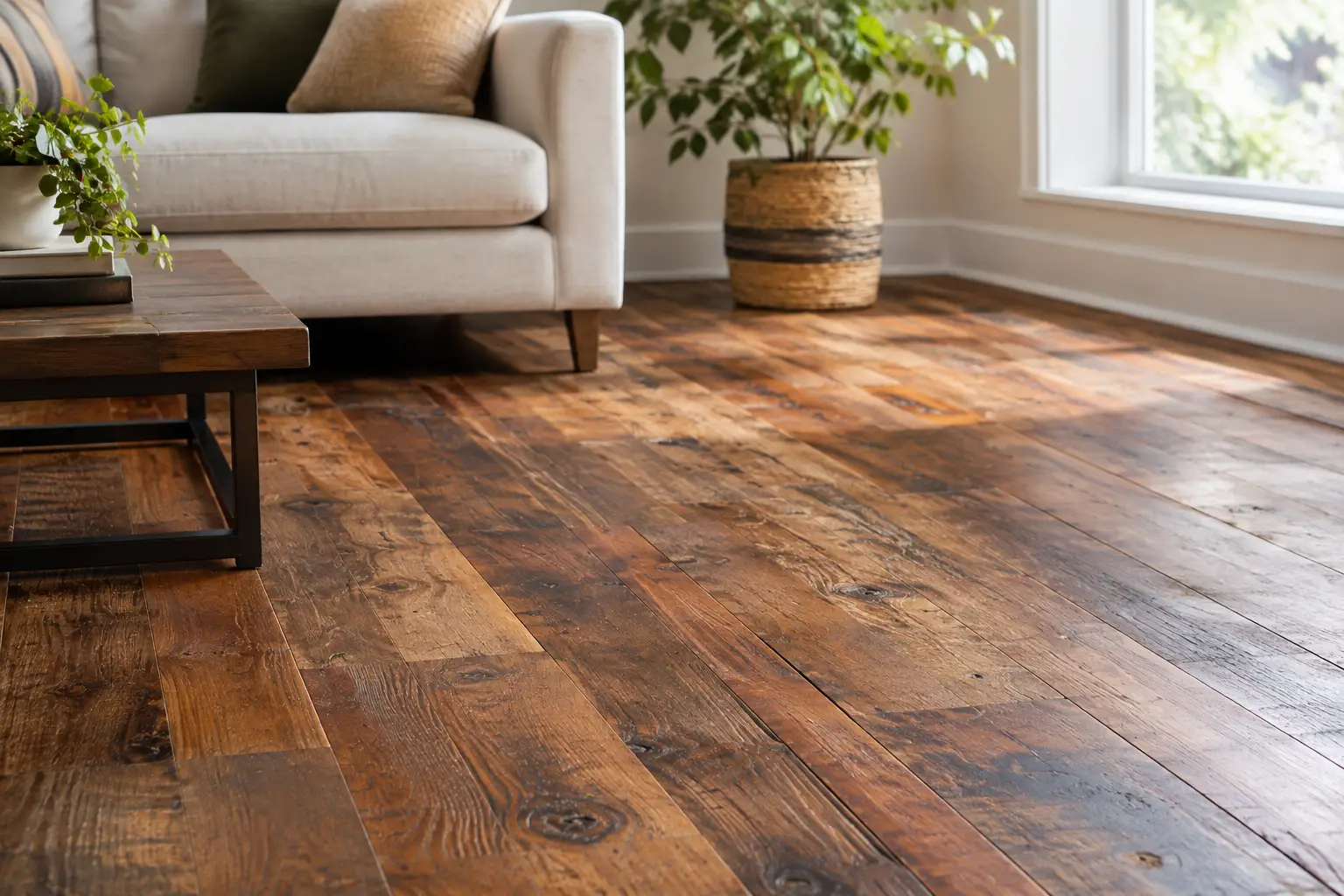
A reclaimed white oak floor can carry saw marks, mineral streaks, nail holes, and a century of history, yet still become one of the hardest-working surfaces in a home. So, is reclaimed flooring durable? When it is properly sourced, milled, installed, and finished, the answer is often yes. But reclaimed wood is not durable simply because it is old. Its long-term performance depends on the condition of each board and the craftsmanship behind the floor.
For homeowners investing in a kitchen renovation, a historic-home restoration, or a custom living space, reclaimed flooring offers something newer materials cannot duplicate: genuine character earned over time. That character deserves a careful, technically sound approach. A beautiful reclaimed floor should feel settled, stable, and ready for decades of daily life, not merely look weathered on installation day.
Is Reclaimed Flooring Durable in a Busy Home?
Reclaimed flooring can be exceptionally durable because much of it comes from old-growth timber. Trees harvested generations ago often grew more slowly than modern plantation timber, producing tighter growth rings and dense, stable wood. Heart pine, oak, maple, and walnut salvaged from barns, factories, warehouses, and older residences can have remarkable structural integrity when the material has been properly evaluated.
Age alone, however, is not a guarantee of quality. Wood that has spent decades in a dry interior building may be sound and stable. Wood exposed to groundwater, insects, unchecked moisture, or structural damage may not be suitable for flooring without significant repair or selective removal. The real question is not simply how old the lumber is. It is how it has lived, how it has been reclaimed, and how carefully it is prepared for its next chapter.
In a family home, a well-built reclaimed hardwood floor can handle foot traffic, pets, moving furniture, and the occasional dropped pan as well as many new solid hardwood floors. Dense species resist denting more effectively than softer woods, while a quality finish provides the first layer of defense against surface wear and spills. The wood beneath that finish matters just as much. A thick reclaimed board can often be refinished more than once over its lifespan, making it a lasting investment rather than a short-term surface.
Why Older Wood Can Perform So Well
The best reclaimed flooring has already done something new wood has not: it has had years to move, dry, and acclimate to changing seasons. Once reclaimed lumber is properly re-milled and brought to the right moisture content, it can offer excellent dimensional stability. This is especially valuable in the D.C. Metro region and along Maryland’s Eastern Shore, where humid summers and dry heated winters place real demands on hardwood floors.
Old-growth wood also tends to have a visual density that complements its physical strength. Tighter grain, richer color variation, and natural patina create a floor with depth that cannot be manufactured. Small knots, filled fastener holes, checking, and saw kerfs are not necessarily defects. In the right material, they are part of the floor’s honest, architectural character.
That said, reclaimed wood should not be judged by appearance alone. A board may look beautifully aged while concealing embedded metal, end checking, rot, or an inconsistent thickness that complicates installation. Professional preparation separates a lasting reclaimed floor from a collection of attractive but unreliable boards.
The Details That Determine Reclaimed Floor Durability
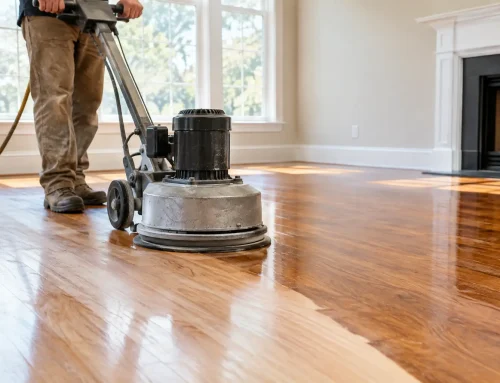
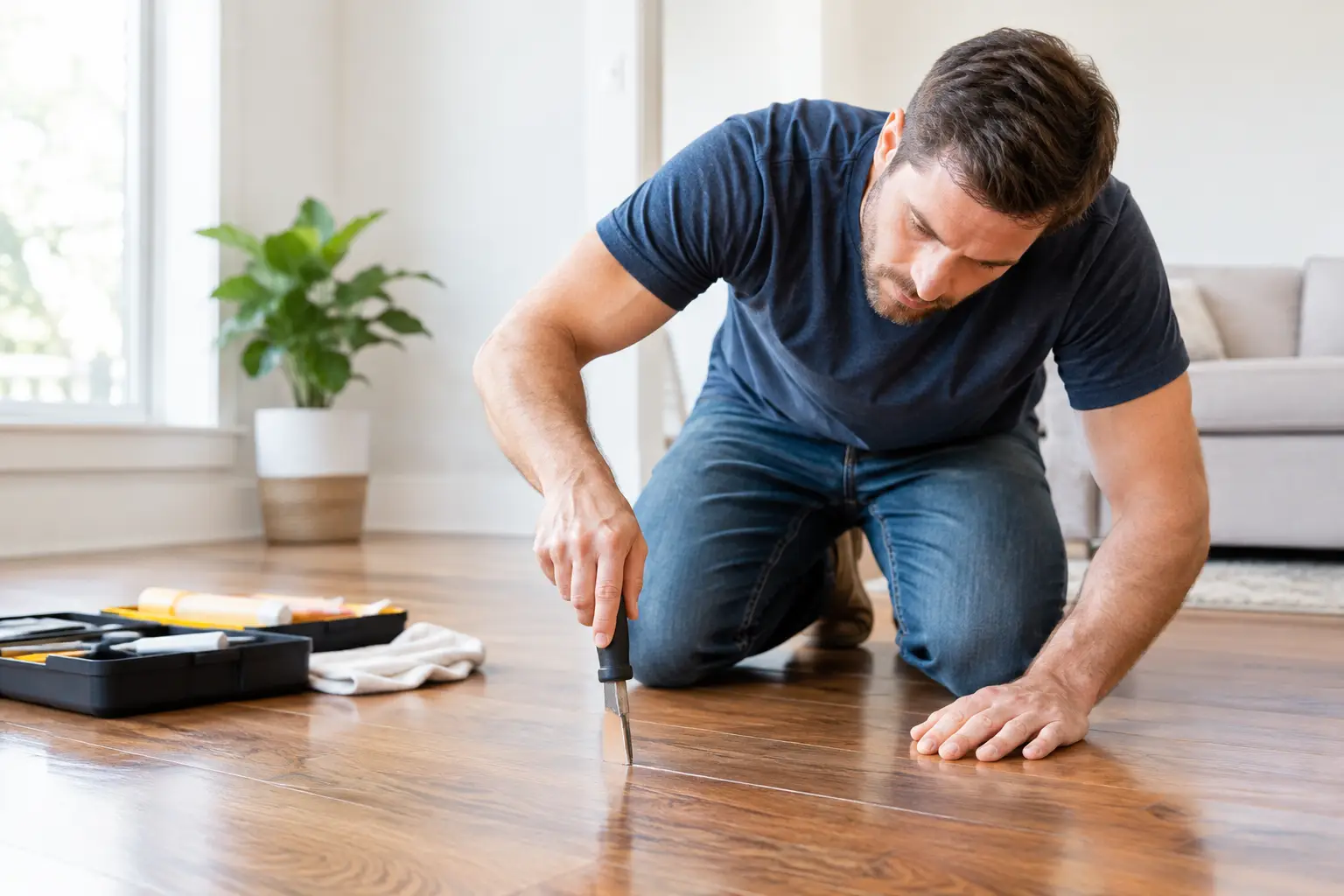
A durable reclaimed floor begins long before installation. The material should be inspected, metal-detected, de-nailed, cleaned, kiln-dried or otherwise moisture-managed as appropriate, and milled with precision. These steps are time-consuming, but they protect the floor, the tools used to create it, and the homeowner’s investment.
Moisture is the most consequential variable. Reclaimed lumber may have spent years in an open barn or unconditioned structure, where its moisture level changed with the weather. Before installation, the flooring and the home must be allowed to acclimate appropriately. The subfloor must also be tested for moisture and prepared to provide a flat, secure base. Skipping these steps can lead to gaps, cupping, crowning, or movement after the floor is installed.
Milling quality matters as well. Tongue-and-groove profiles, board thickness, edge alignment, and end matching must be accurate for the flooring system being installed. Wide planks are particularly striking in reclaimed wood, but they require thoughtful fastening, proper expansion allowances, and an installer who understands how the species and cut will respond to seasonal change.
Four practical checks should be part of any reclaimed flooring conversation:
- Species and hardness: White oak and maple generally tolerate impact better than softer pine, though pine offers exceptional warmth and patina.
- Board condition: Sound boards may show character, but they should not have active rot, severe insect damage, or structural weakness.
- Moisture and acclimation: Flooring, subfloor, and room conditions must be measured rather than assumed.
- Finish system: The right finish should protect the surface while respecting the desired sheen, texture, and repairability.
These are not minor installation details. They are the difference between a floor that becomes more beautiful with use and one that develops avoidable problems.
Reclaimed Wood Has Trade-Offs Worth Considering
Homeowners often choose reclaimed flooring because they want a one-of-a-kind result. That individuality is a strength, but it also means variation is part of the agreement. Color shifts, filled holes, knots, texture changes, and occasional irregularities are expected. A reclaimed floor should not be selected by someone seeking the uniformity of a carefully graded, factory-finished product.
Cost can be another consideration. Salvaging, sorting, de-nailing, drying, and milling reclaimed material require skilled labor. The installation may also take more planning than a standard prefinished floor. Yet the value is not limited to square footage. A thoughtfully executed reclaimed floor gives a room permanence, visual texture, and a sense of place that can elevate the entire home.
Maintenance is straightforward but should be intentional. Use felt pads beneath furniture, address spills promptly, place quality mats at exterior doors, and avoid harsh cleaners or excessive water. Even a durable finish benefits from routine care. When a floor eventually shows broad surface wear, professional maintenance or refinishing can restore its depth without erasing the marks that make reclaimed wood distinctive.
Choosing the Right Finish for Lasting Protection
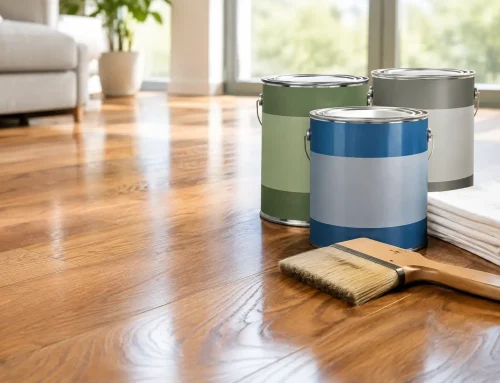
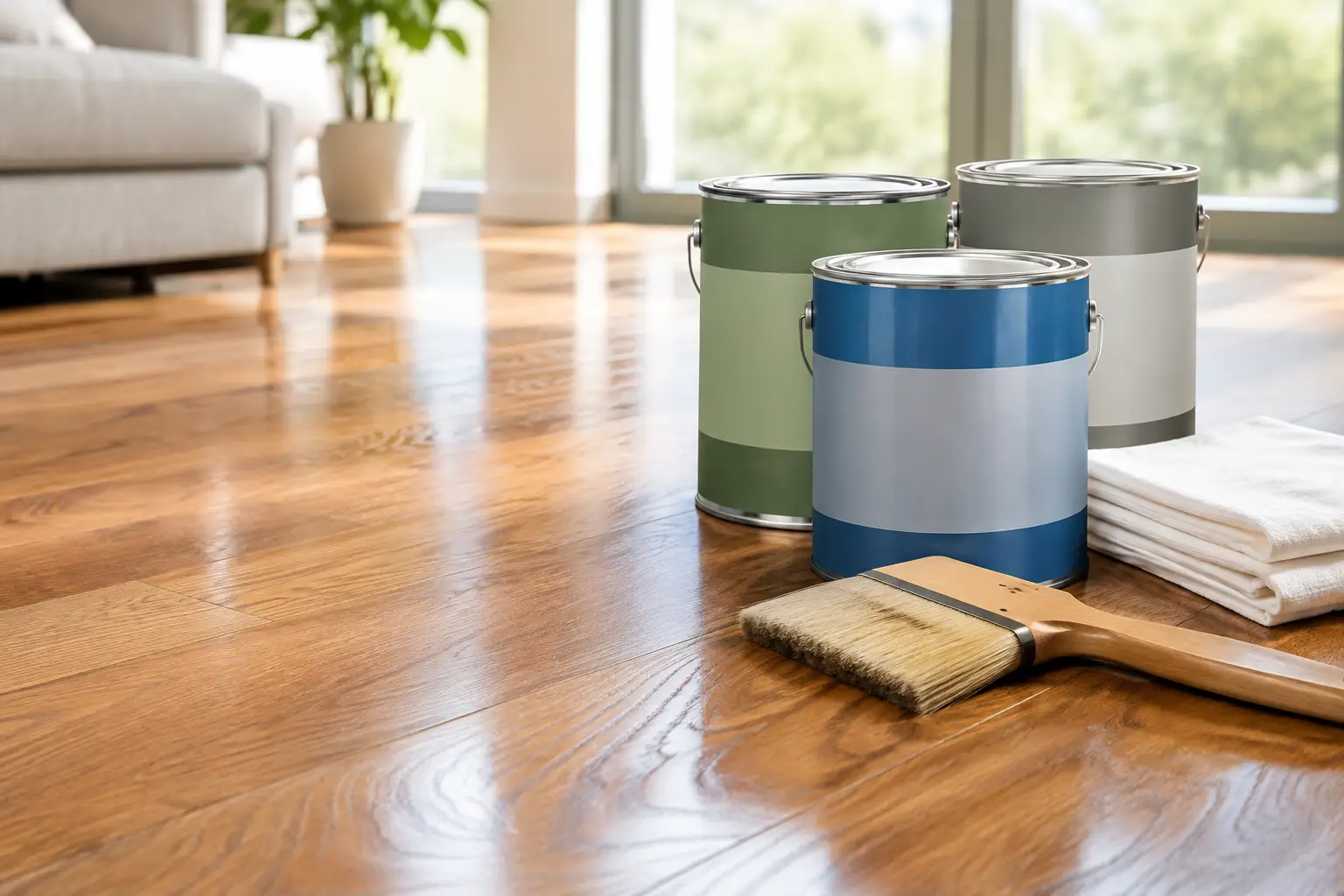
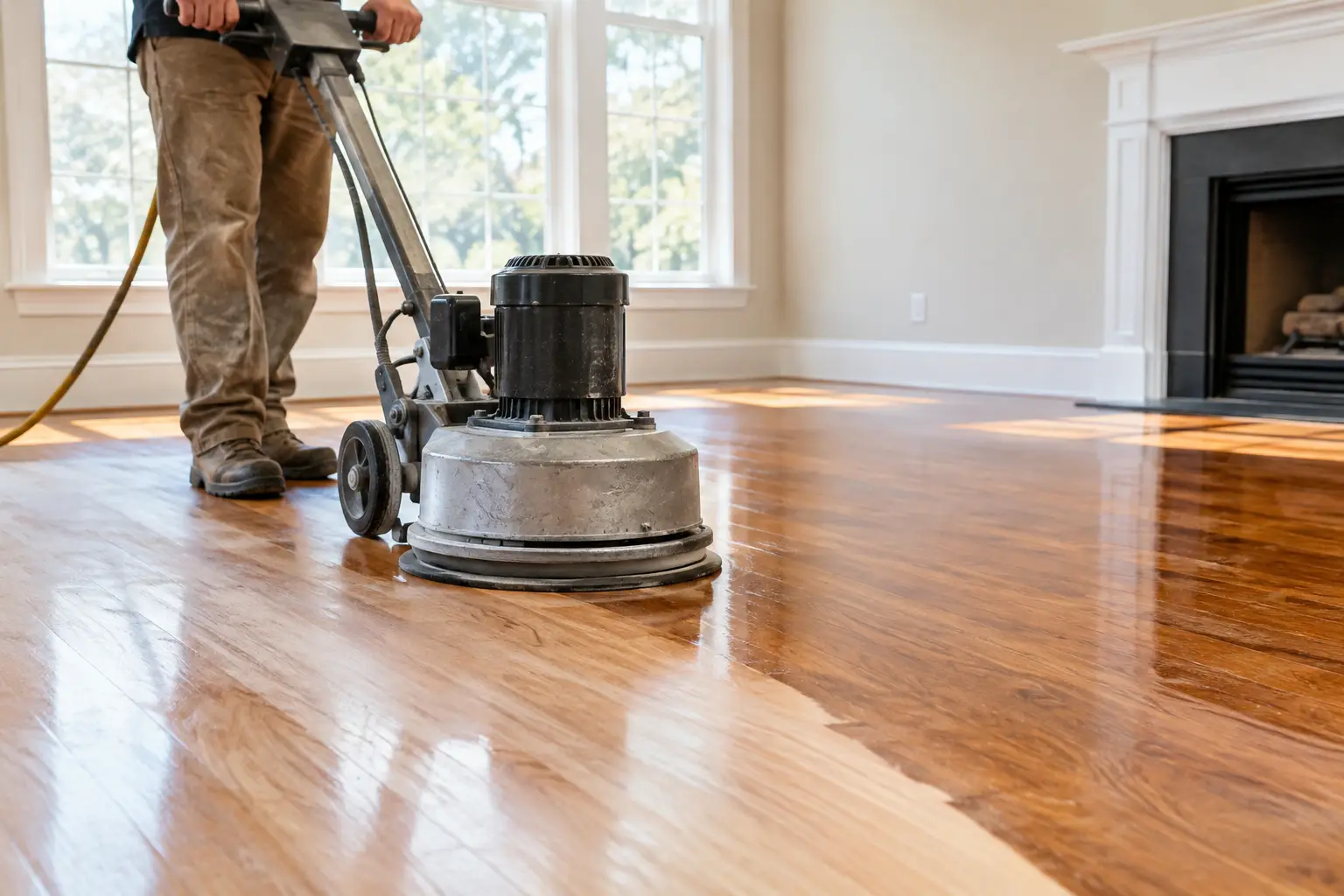
The finish should match both the species and the way the household lives. A high-performance, low-VOC waterborne finish can provide excellent resistance to everyday wear while keeping the color of lighter woods clear and natural. Other finish systems may be selected to enrich grain, soften sheen, or create a more traditional appearance.
For a busy kitchen, entry, or main living area, a satin or matte finish is often a practical choice. It gives the floor an elegant, understated look and tends to make minor scratches or dust less conspicuous than a high-gloss surface. In a formal dining room or restored historic space, the finish can be tailored to support the home’s architecture and the wood’s original character.
The strongest finish cannot correct poor preparation underneath it. At Royal Oaks Flooring, the work begins with understanding the material, the subfloor, the home’s environment, and the expectations of the people who will live on the floor every day. That level of planning is especially important with reclaimed wood, where every plank has its own history.
When Reclaimed Flooring Is the Right Choice
Reclaimed flooring is an excellent fit for homeowners who value authentic materials, enduring design, and the graceful evidence of life well lived. It works beautifully in historic properties, waterfront homes, renovated farmhouses, and contemporary interiors that need warmth to balance clean architectural lines. It can also be an especially meaningful choice when the lumber comes from a family structure, local property, or building with personal significance.
It may be less suitable where absolute visual uniformity, very fast installation, or the lowest upfront cost is the priority. In those cases, a premium new hardwood product may offer a more predictable route. There is no lesser choice in selecting new wood. The right floor is the one that suits the home, the lifestyle, and the level of character the homeowner wants to see underfoot.
A reclaimed floor rewards careful decisions. Choose sound material, insist on proper moisture testing and preparation, and work with craftsmen who understand both the romance and the realities of old wood. Done properly, it will not merely endure daily life. It will gain a richer story from it.