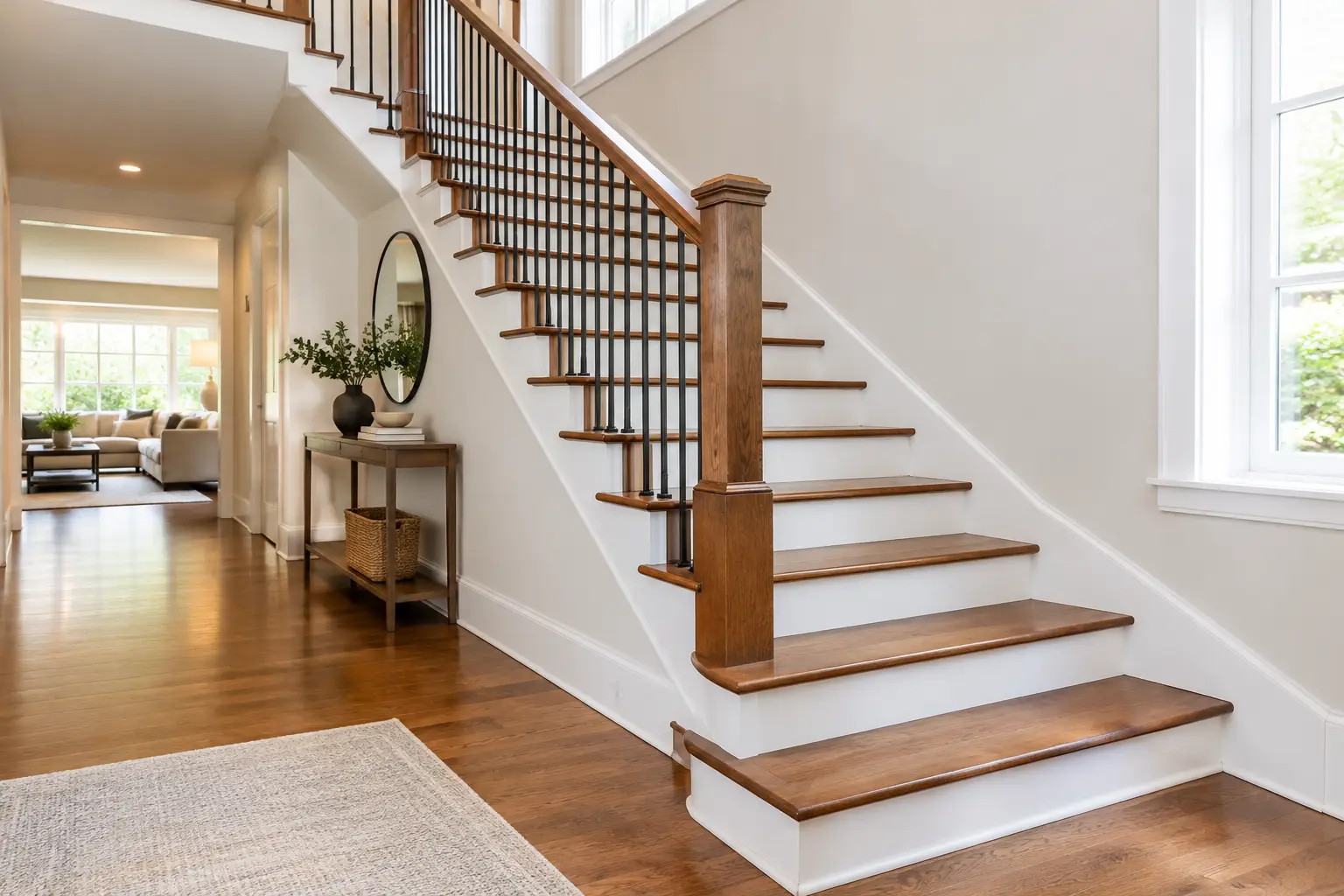
A century-old white oak floor in a Georgetown row house and a 15-year-old red oak floor in a Potomac renovation can look equally tired: dull traffic paths, shallow scratches, uneven color, and a finish that no longer reflects the light. The answer to “can oak floors be refinished” is usually yes. Oak is one of the most forgiving, durable hardwoods ever used in American homes. But a beautiful result depends on more than renting a sander. It requires an honest assessment of the floor’s construction, remaining wear layer, past repairs, moisture history, and the character worth preserving.
Can Oak Floors Be Refinished? The Short Answer
Most solid oak floors can be refinished several times during their service life. Traditional solid hardwood is commonly 3/4-inch thick and has enough material above the tongue and groove to allow for repeated sanding when it is done with care. Many historic oak floors across Maryland, Northern Virginia, and Washington, D.C. have been restored more than once and still have decades of life ahead of them.
Engineered oak can also sometimes be refinished, but the answer is less certain. Its top layer of real oak, called the wear layer, may range from a very thin veneer to a substantial layer that can tolerate sanding. A premium engineered floor with a thick wear layer may be refinished carefully. A thin factory-finished product may only be suitable for a light screen-and-recoat, if that.
The distinction matters because sanding is not cosmetic cleaning. It removes wood, however little. An experienced flooring professional measures what the floor can safely give before choosing the restoration method.
What Makes Oak Such a Strong Candidate for Restoration?
Oak has earned its place in fine homes because it combines visual depth with practical resilience. Its open, distinctive grain accepts stain beautifully, and its hardness stands up well to daily life. Red oak tends to show a warmer, more pronounced grain pattern, while white oak offers a subtler grain and a naturally more contemporary range of color possibilities.
Just as important, oak responds well to careful sanding. A worn finish, surface scratches, light staining, and dated amber tones can often be corrected without replacing a single board. Refinishing can reveal the natural clarity of the wood again, shift the color from traditional to modern, or preserve the patina that makes an older floor feel irreplaceable.
That does not mean every mark should disappear. On reclaimed oak, antique flooring, and historic boards, small mineral streaks, nail holes, and gentle color variation are part of the material’s story. The best refinishing work balances renewal with restraint. A floor should look well cared for, not stripped of its identity.
Signs Your Oak Floor Is Ready for Refinishing
A finish that has become cloudy, worn through near doors, or noticeably dull in high-traffic areas is a clear signal to investigate. Surface scratches are another common reason homeowners consider refinishing, particularly when scratches catch the light or expose bare wood.
Water behavior offers a simple clue. If a few drops of water bead on the surface, the finish is still providing protection. If they darken the wood or absorb quickly, the protective layer may be compromised. That is worth addressing before routine spills leave lasting stains.
Color is often the deciding factor in a renovation. Oak floors can become deeply amber after years beneath older oil-based finishes, while uncovered areas appear lighter than the wood beneath rugs. Refinishing allows the entire floor to be brought into a more cohesive tone. It can also remove a previous stain color that no longer suits the architecture or furnishings of the home.
Minor cupping, small gaps, isolated stains, and squeaks do not automatically rule out refinishing. They do, however, call for diagnosis before sanding begins. Floors move with seasonal humidity, especially in the Mid-Atlantic’s humid summers and dry indoor winters. The underlying cause should be resolved so a new finish is not asked to hide an active problem.
When Sanding Is Not the Right First Step
Not every worn oak floor needs a full refinish. If the wood itself is sound and the finish has only light scuffing, a screen-and-recoat may be the wiser option. This process gently abrades the existing finish and applies a fresh protective coat without sanding down to bare wood. It is less invasive, generally faster, and preserves more of the floor for the future.
A full refinish may also be inappropriate when boards have been sanded too many times, when the tongue is exposed, or when severe water damage has weakened the wood. Pet stains that have penetrated deeply, extensive black water marks, and major board movement may require selective board replacement before refinishing. In some cases, replacing a damaged section and blending it into the existing field produces a far better long-term result than attempting to sand away every flaw.
Engineered oak deserves particular caution. Homeowners should not assume that because the surface is oak, it can tolerate the same process as solid plank flooring. A professional inspection can identify the product, assess the wear layer, and recommend either a controlled recoat, a delicate refinish, or replacement where necessary.
The Craft Behind a Lasting Oak Refinish
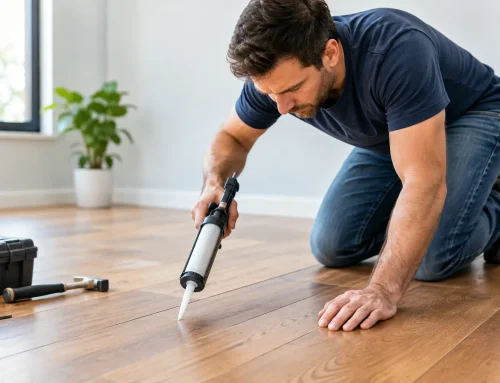
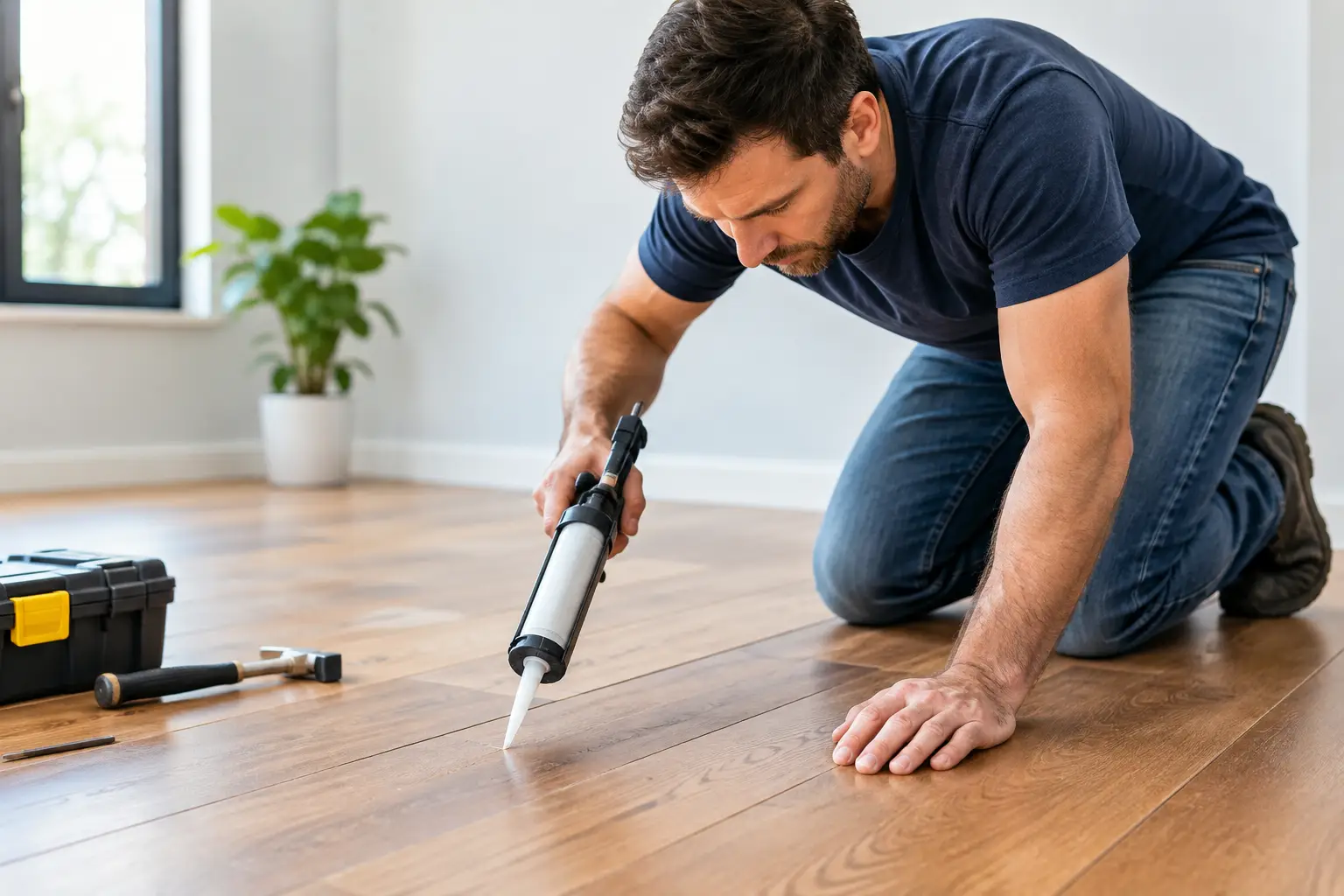
Exceptional refinishing begins before the first sanding pass. The floor should be inspected for loose boards, protruding fasteners, failed repairs, moisture concerns, and gaps that need thoughtful treatment. Repairs are made first, with attention to grain direction, board width, and color compatibility. On a historic floor, the goal is rarely to make every board identical. It is to make the repair feel native to the room.
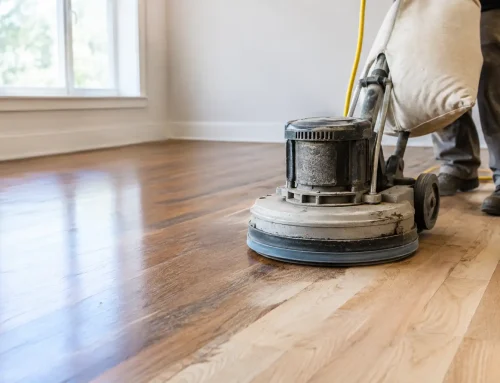
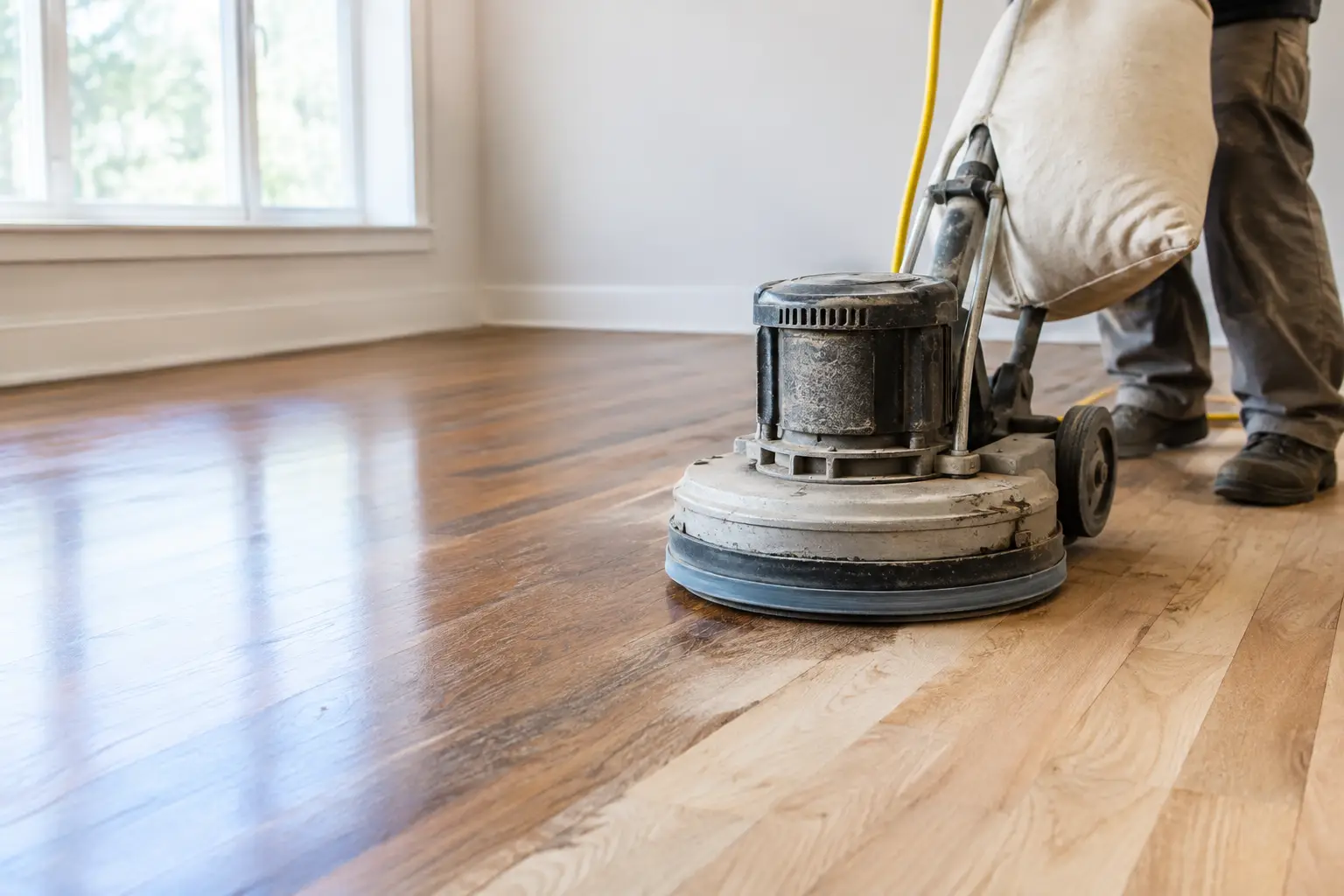
Sanding then proceeds in measured stages. The objective is to remove the old finish and level ordinary wear while taking away only the wood that is necessary. Aggressive sanding can flatten the natural texture of oak, leave chatter marks, create uneven edges, or shorten the floor’s remaining lifespan. Careful edging and detailed handwork around trim, hearths, and built-ins are where craftsmanship becomes especially visible.
After sanding, the bare oak presents a real design decision. Natural white oak can be kept pale and clean, warmed slightly, or colored with a custom stain. Red oak can be refined into rich traditional tones or adjusted toward a more current palette, though its naturally warm undertone should be respected rather than fought. Samples on the actual floor are essential because the same stain can look dramatically different in different rooms and light conditions.
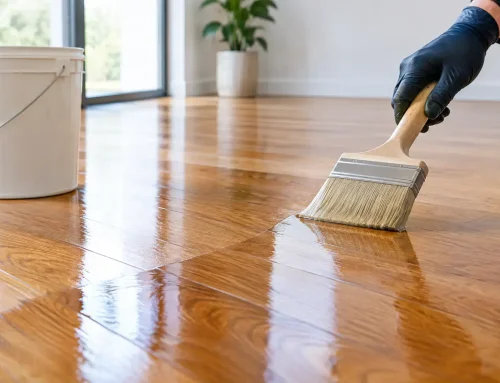
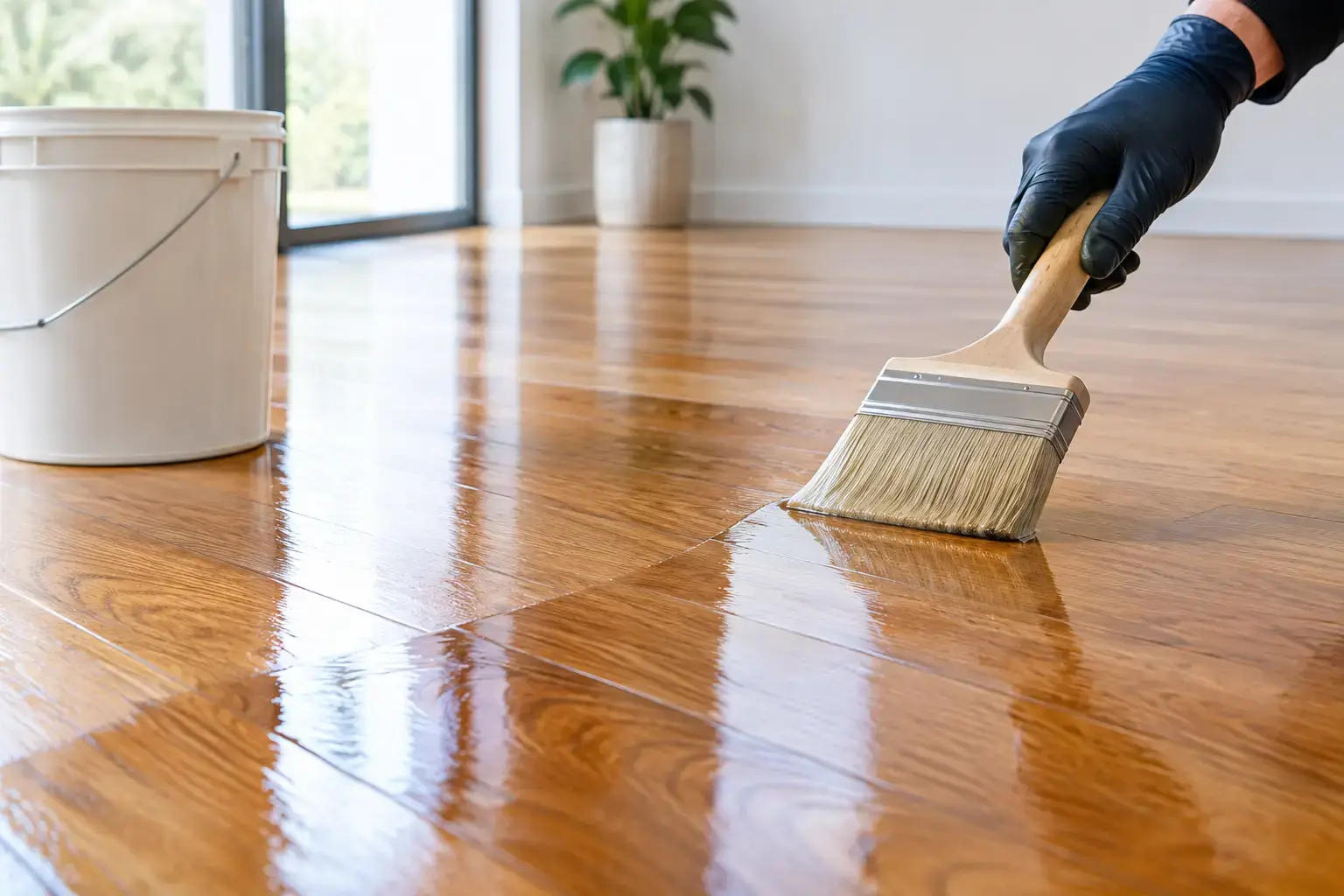
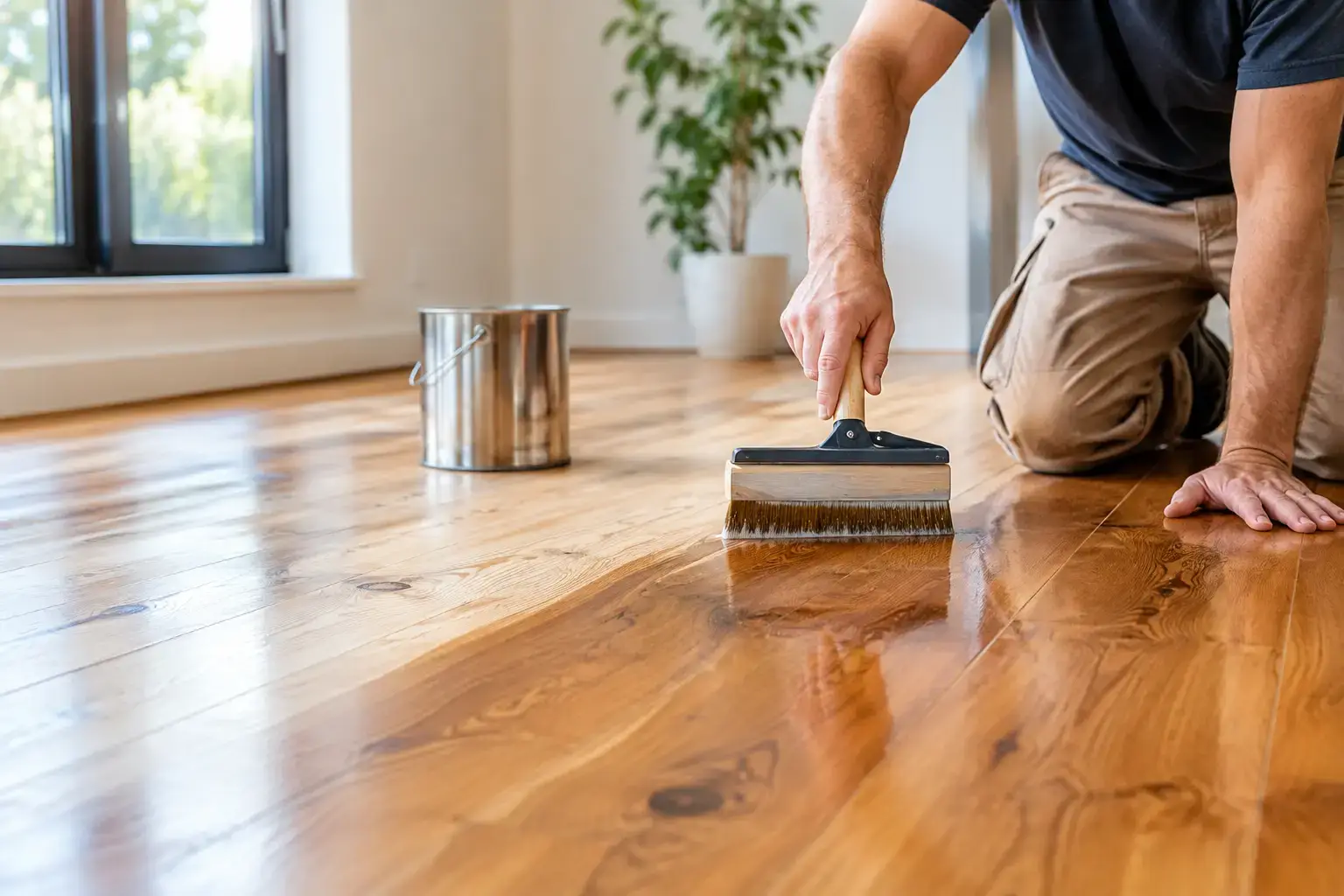
The finish is the final protective layer and the element homeowners live with every day. Modern waterborne finishes can provide excellent durability, quick drying times, and very low VOC performance without the heavy odor associated with older systems. A quality finish should suit the household as well as the floor: a busy family, a large dog, and a formal low-traffic living room do not place the same demands on a surface.
Choosing the Right Sheen and Color
Sheen changes how oak is perceived. Satin remains a dependable choice because it offers a refined, low-reflective appearance and hides everyday dust and minor wear better than high gloss. Matte finishes have become popular in contemporary and European-inspired interiors, especially on white oak, because they emphasize the wood itself rather than a glossy surface film.
Color should be considered in relation to the whole home. Lighter natural tones can make smaller rooms feel more open and reveal the elegant grain of white oak. Medium brown finishes bring warmth and work beautifully with traditional millwork. Dark stains can be dramatic, but they tend to show dust, scratches, and pet hair more readily. They also require meticulous prep because any sanding imperfection is more visible beneath a deep color.
For homeowners restoring older oak, preserving a natural or lightly toned finish is often the most enduring choice. It allows the wood’s authentic variation to remain visible and makes future design changes easier. Trends are useful reference points, but oak is a long-term material. The right finish should still feel right after the furnishings change.
Protecting Oak After Refinishing
A newly refinished floor needs sensible care, not constant worry. Use felt pads beneath furniture, place breathable mats at exterior doors, and clean spills promptly. Avoid steam mops, wax-based cleaners, and harsh products that leave residue or interfere with future recoating.
Humidity control is equally important. Maintaining relatively stable indoor conditions helps reduce seasonal gaps and movement in oak boards. This is especially valuable in older homes, where original floors and newer additions may respond differently to changes in temperature and moisture.
The most cost-effective maintenance plan is to recoat a finish before traffic wears through to bare wood. A timely recoat can renew protection and postpone the need for another full sanding. That preserves both the floor’s material and its character.
At Royal Oaks Flooring, we view oak refinishing as restoration rather than replacement. The finest result respects what the floor has already endured, corrects what can be corrected, and gives the wood a finish worthy of the years ahead. When the work is properly assessed and precisely executed, an oak floor does more than look new again. It becomes a more confident, enduring part of the home.