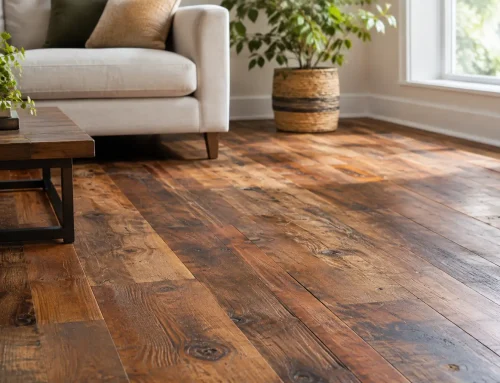
A century-old oak floor rarely asks to be replaced. It asks to be understood. Thoughtful antique floor restoration Washington homeowners can rely on begins by reading the floor itself: the wear path at the doorway, the old repairs near a radiator, the width of each board, and the quiet color changes that only time can create. Those details are not defects to erase. They are often the reason an antique floor gives a home its gravity.
For historic homes in Washington, D.C., Maryland, and Northern Virginia, original flooring can be one of the most valuable design features in the building. Restored properly, it brings warmth, durability, and a sense of permanence that new material cannot imitate. Restored carelessly, it can lose its wear layer, its edge detail, and much of its authentic character. The difference comes down to a careful assessment, disciplined preparation, and a finish chosen for the way the home is actually lived in.
What Antique Floor Restoration Really Preserves
Antique floor restoration is not simply sanding until the surface looks new. In many cases, making an old floor look brand-new is the wrong goal. The better result retains the natural variation, gentle patina, and evidence of hand craftsmanship while correcting the issues that affect stability, appearance, and service life.
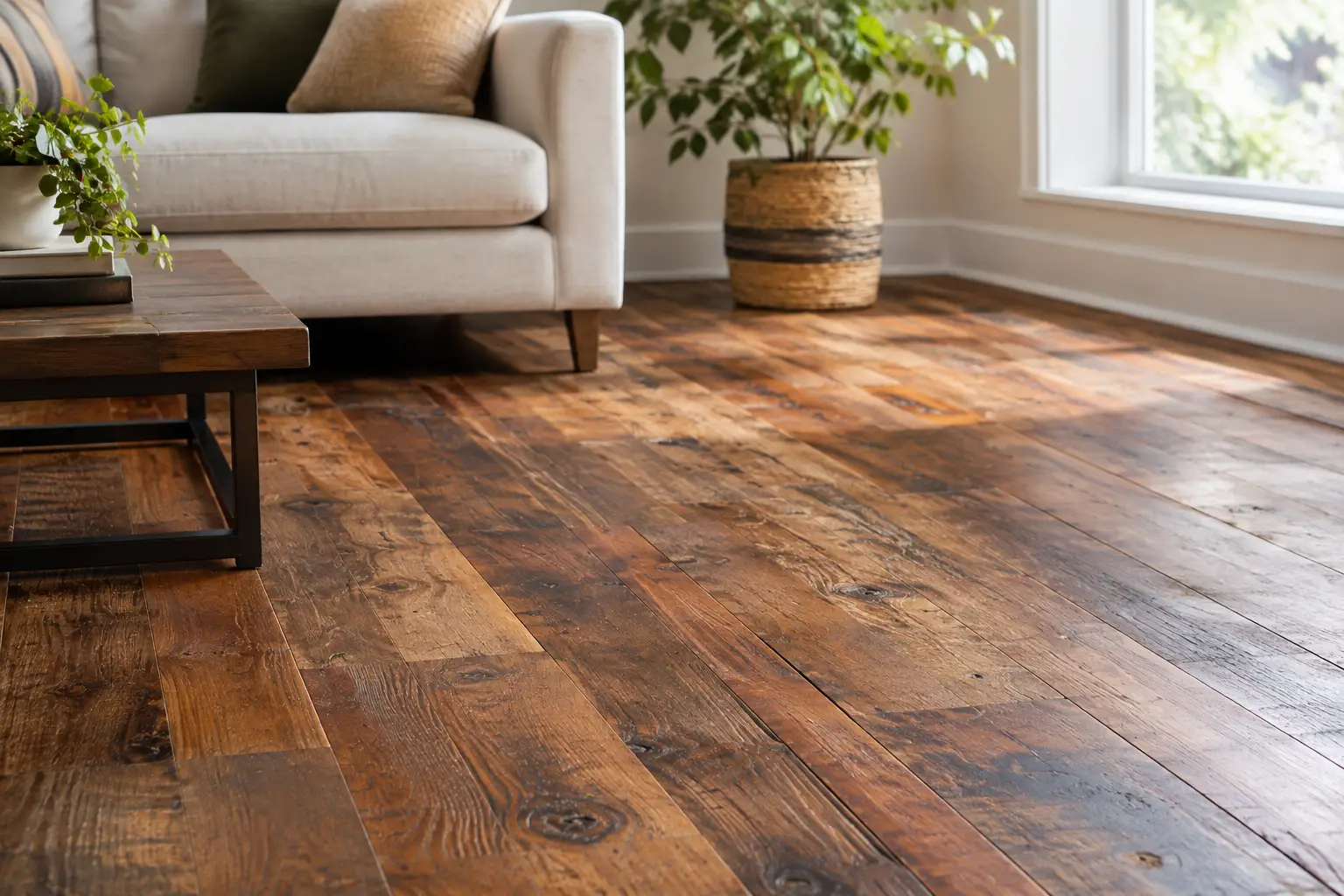
Older homes may contain plain-sawn oak, heart pine, maple, chestnut, or other species that are difficult to match today. They may also have unusually long boards, narrow strips, face-nailed planks, borders, inlays, or custom transitions. Each feature influences how the floor should be repaired and refinished. A skilled restoration team treats those details as part of the architecture, not as obstacles to speed through.
The first question is always whether the existing floor has enough material remaining for refinishing. Wood floors can only be sanded a limited number of times. Excessive sanding weakens tongue-and-groove boards and can flatten the subtle profile that makes an antique floor feel authentic. Where the floor is thin, uneven, or structurally compromised, a lighter refinishing approach or selective repair may protect more of its value than an aggressive full sanding.
A Careful Assessment Comes Before Any Machine
Before restoration begins, the floor should be examined room by room. This is where craftsmanship matters most, because a floor’s condition is rarely uniform. Sun-facing areas may be faded, hallways may be deeply worn, and concealed sections may retain a very different color from the rest of the room.
A proper assessment looks beyond scratches. It considers board thickness, loose fasteners, failed patches, pet staining, cupping, gaps, moisture movement, and previous coatings. It also identifies whether black stains or soft areas point to an active moisture problem. Refinishing a floor without correcting the source of water can produce a beautiful surface briefly, only for cupping, discoloration, or finish failure to return.
Historic homes can carry additional considerations. Old floor systems may move more than modern construction, and gaps may widen during dry winter months. Not every gap should be filled. A rigid filler across a floor with seasonal movement can crack or pull free, creating a worse visual result. The right approach depends on the board width, subfloor condition, humidity control, and how much movement the floor has shown over time.
Repairing Boards Without Creating a Patchwork Look
When replacement boards are necessary, material selection deserves patience. Modern red oak may be readily available, for example, but it may not blend naturally with older white oak or heart pine. Grain pattern, cut, board width, and grade all affect the final appearance. Even a species match can look out of place if the new wood has a different texture or absorbs stain differently.
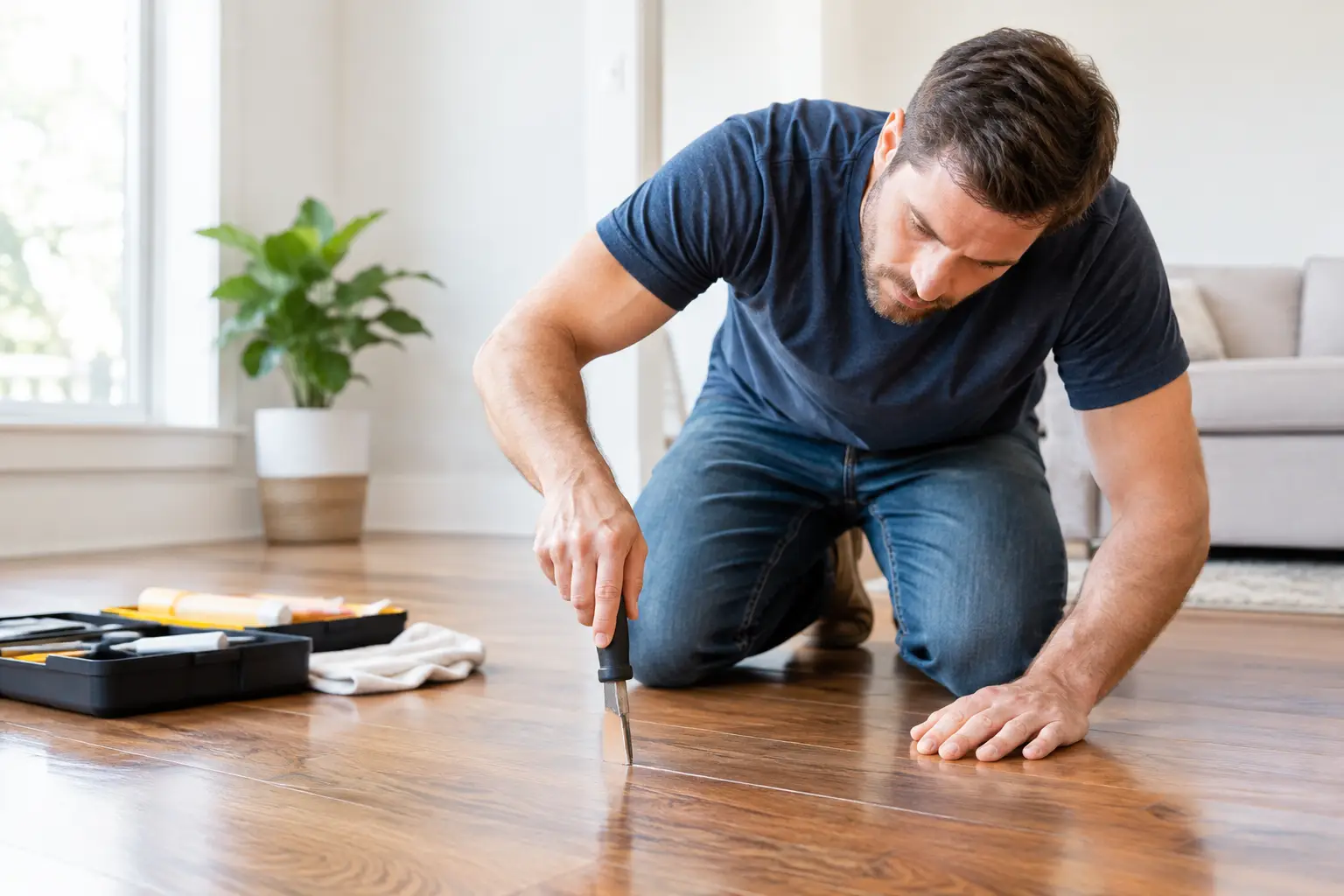
The strongest repairs use carefully selected wood and thoughtful placement. In some cases, sound boards from a closet or low-visibility area can be moved to a prominent section, while new material is installed where it will be less noticeable. Repairs should also follow the existing layout rather than interrupting it with short, randomly placed pieces.
A good restoration does not pretend repairs never happened. It integrates them so the eye reads the room as a complete floor rather than a collection of corrections.
Refinishing Antique Floors With Restraint
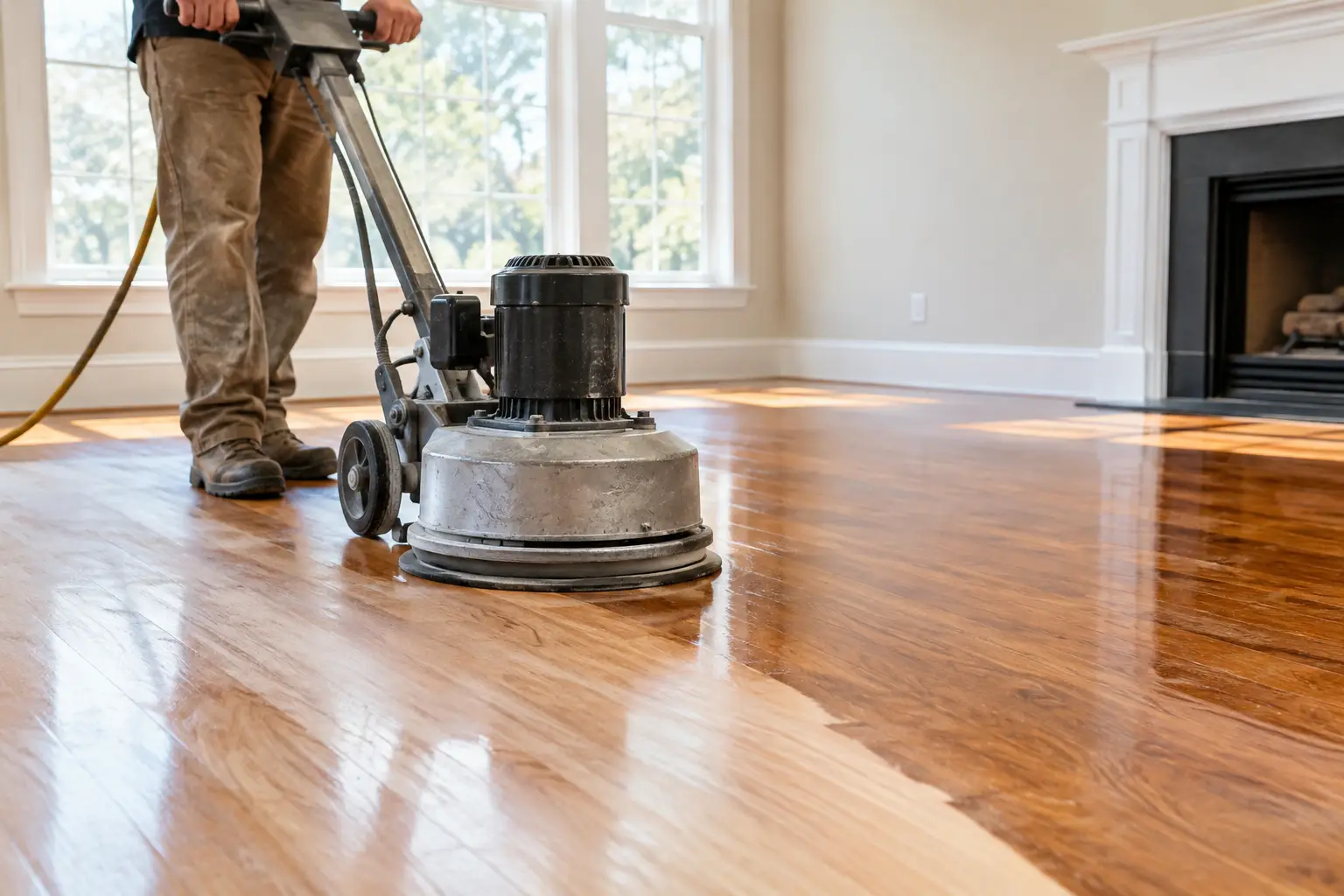
Sanding is a precision process, not a race to bare wood. The objective is to remove damaged coatings, flatten only what needs flattening, and create an even surface for the new finish. Antique boards often have more variation than newer flooring, which means the craftsman must balance visual improvement against preservation of the floor’s original material.
Edges and corners require particular care. Heavy sanding can leave a halo around the room perimeter or soften crisp architectural lines at thresholds and borders. On floors with hand-planed texture or aged saw marks, removing every trace of texture may make the floor look generic. Sometimes a controlled, lighter approach produces the more elegant result.
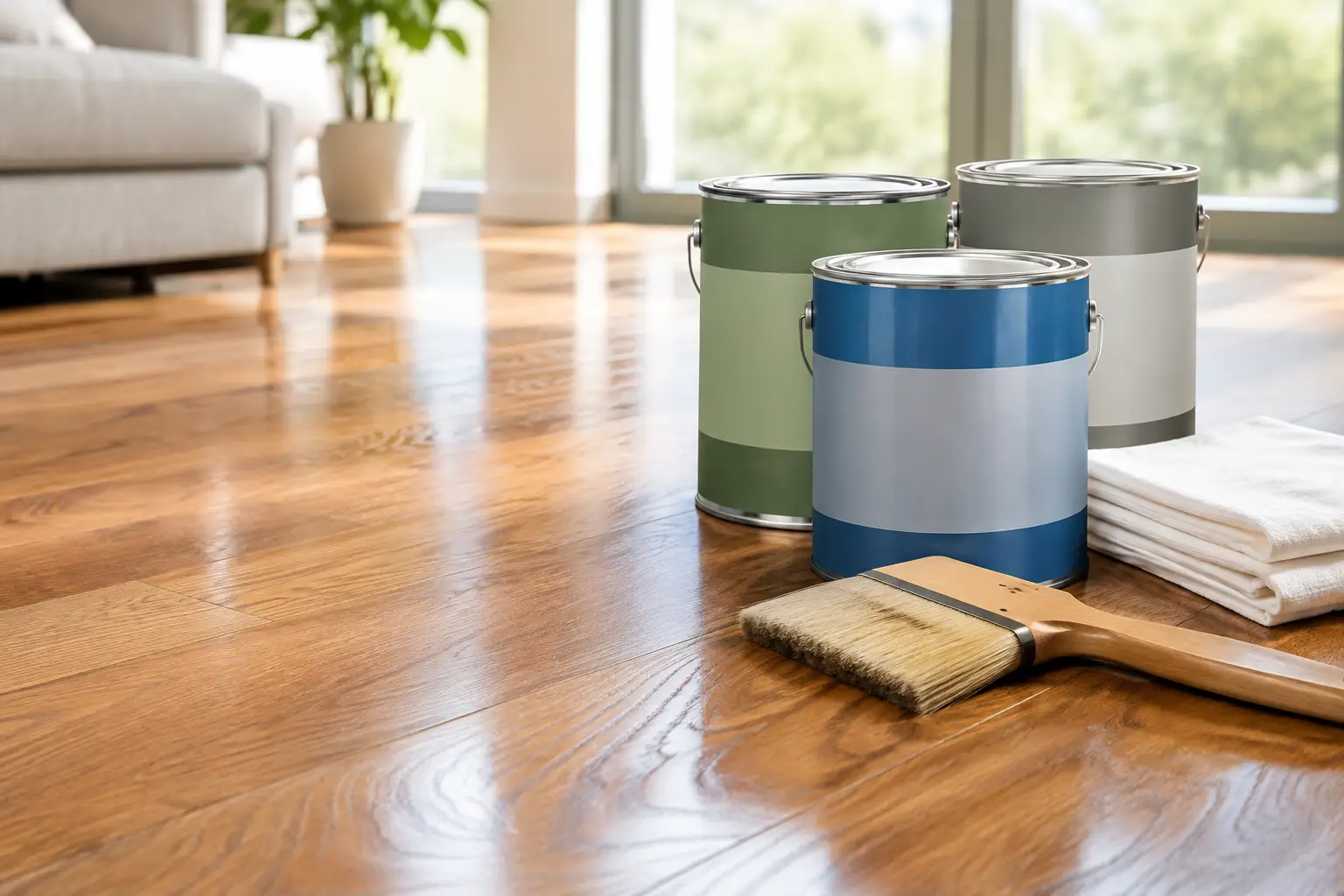
Color is equally consequential. Dark stains can conceal certain repairs but may emphasize open grain, sanding marks, and future scratches. Very light finishes can make a room feel fresh and expansive, yet they may reveal old staining or create a sharp contrast with historic trim. Natural or softly toned finishes often allow the wood’s age and grain to lead, especially in homes where original millwork, doors, and built-ins remain.
Test areas are invaluable before committing to a color. A small sample can reveal how the specific wood responds to stain and finish under the home’s actual light. This is particularly useful when adjoining rooms have different species or when homeowners want to retain an original floor while updating the surrounding design.
The Finish Should Serve the Home, Not Just the First Reveal
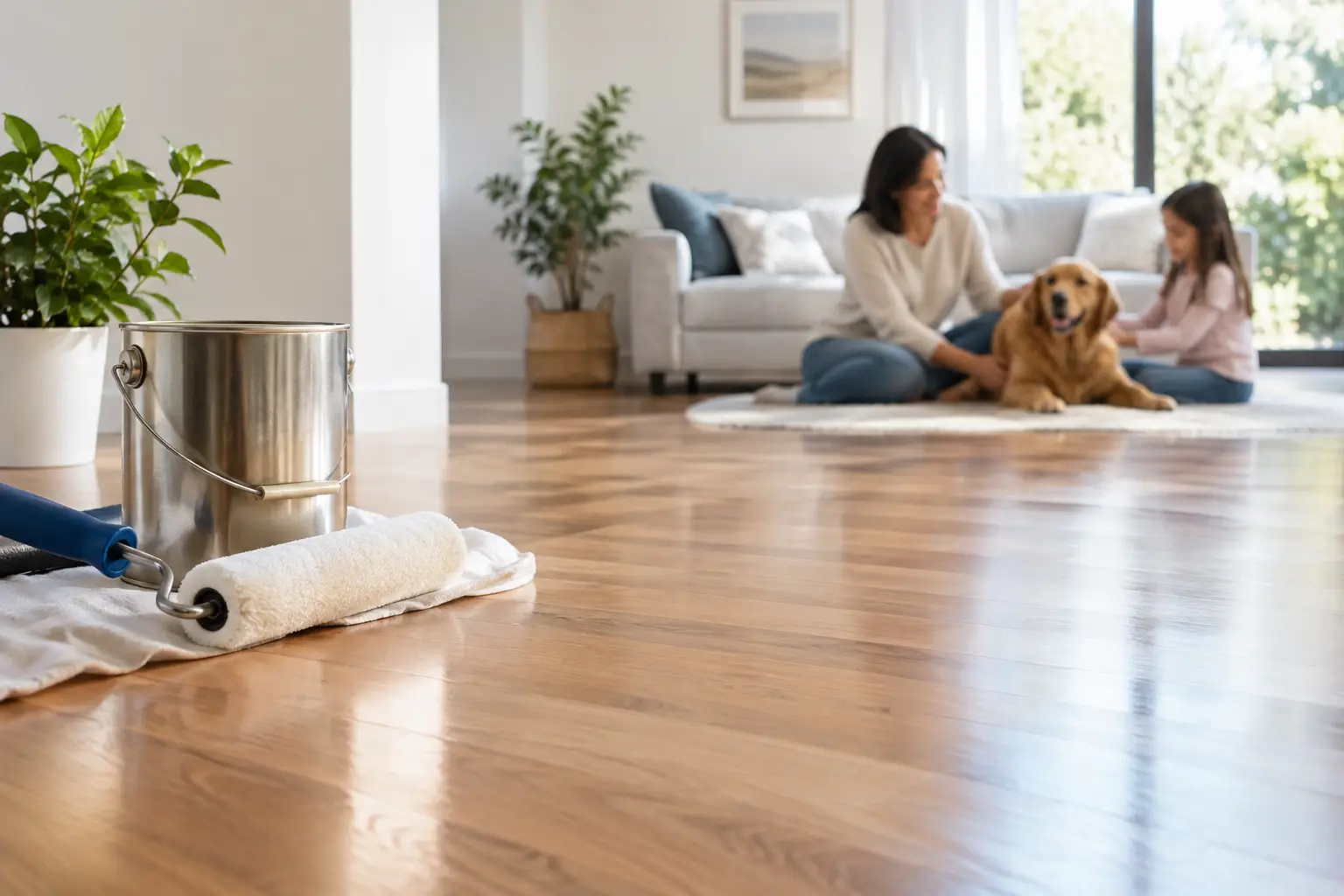
A beautiful floor must also stand up to everyday life. Families with children, pets, entertaining spaces, or active entryways need a finish that offers real protection without burying the character of the wood beneath a thick, plastic-looking film.
Modern waterborne finishes have changed what is possible in restoration. High-performance, very low-VOC options can provide excellent clarity, durable wear resistance, and faster curing times while supporting better indoor air quality. GreenGuard-certified finish systems are especially compelling for homeowners who want to minimize off-gassing during a renovation.
Sheen is a practical decision as much as a design preference. Gloss reflects more light, but it also reveals scratches, dust, and unevenness. Satin offers a classic, gently reflective appearance. Matte finishes tend to disguise daily wear well and can make antique floors feel more natural and relaxed. The best choice depends on the home’s light, the floor’s condition, and the level of maintenance the household prefers.
Why Local Conditions Matter in Washington-Area Homes
The Washington region presents real seasonal swings in humidity. A floor can expand during humid summers and contract during dry winter heating cycles. That movement is normal, but it becomes more noticeable in wide-plank and antique wood floors that have already adapted to decades of changing conditions.
A restoration plan should account for those conditions. Maintaining consistent indoor humidity, promptly addressing leaks, and using protective mats at exterior doors can prevent many avoidable problems. Furniture pads and regular dry cleaning also protect the finish from grit, which acts like fine sandpaper underfoot.
For homeowners in historic neighborhoods, waterfront properties, or older Maryland homes, moisture management is especially important. Crawlspaces, basements, aging plumbing, and changing grades around the house can all affect a wood floor from below. The finish is only one part of long-term preservation; the environment supporting the floor matters just as much.
When Restoration Is Better Than Replacement
Replacement may be necessary when boards have extensive rot, severe insect damage, major structural failure, or too little remaining thickness for safe refinishing. But replacement should not be the automatic answer to stains, gaps, surface wear, or dated color. Many floors that appear beyond saving respond remarkably well to skilled repair and refinishing.
Restoration often preserves higher-quality lumber than what is commonly available in new flooring. It also maintains continuity with the home’s period, reduces unnecessary material waste, and protects the visual story already built into the space. In a carefully renovated home, that continuity can be one of the details visitors notice immediately, even if they cannot quite explain why the room feels so settled and complete.
Royal Oaks Flooring approaches antique work with that long view: protect the original material where possible, make repairs that belong to the floor, and select finishes that will remain beautiful under real use. The goal is not a temporary transformation for listing photos. It is a floor with the strength and presence to carry the home forward for decades.
An antique floor rewards patience. Give it a thorough evaluation before making decisions, ask how each repair and finish will age, and choose work that respects both the wood underfoot and the home built around it.