A newly sanded hardwood floor has a rare kind of potential: the grain is open, the color is honest, and every board reveals its own character. The finish applied next determines whether that character remains clear and enduring or becomes difficult to maintain. Bona finishes are often selected for premium hardwood projects because they pair strong protection with low-VOC technology, refined appearance, and practical cure times.
For homeowners investing in oak, walnut, maple, reclaimed lumber, or a historic floor restoration, the finish should never be an afterthought. It affects how the floor reflects light, how easily it hides everyday marks, how it feels underfoot, and how well it holds up to family life. Choosing well begins with understanding what a finish actually does – and what it cannot do.
What Bona Finishes Bring to a Hardwood Floor
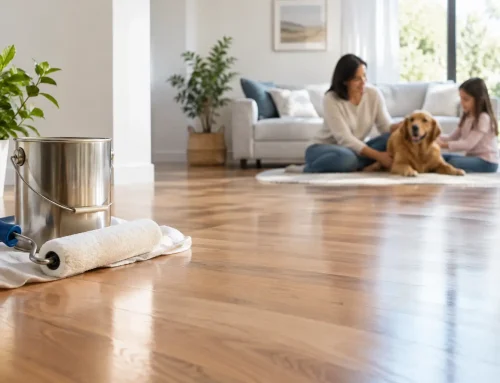
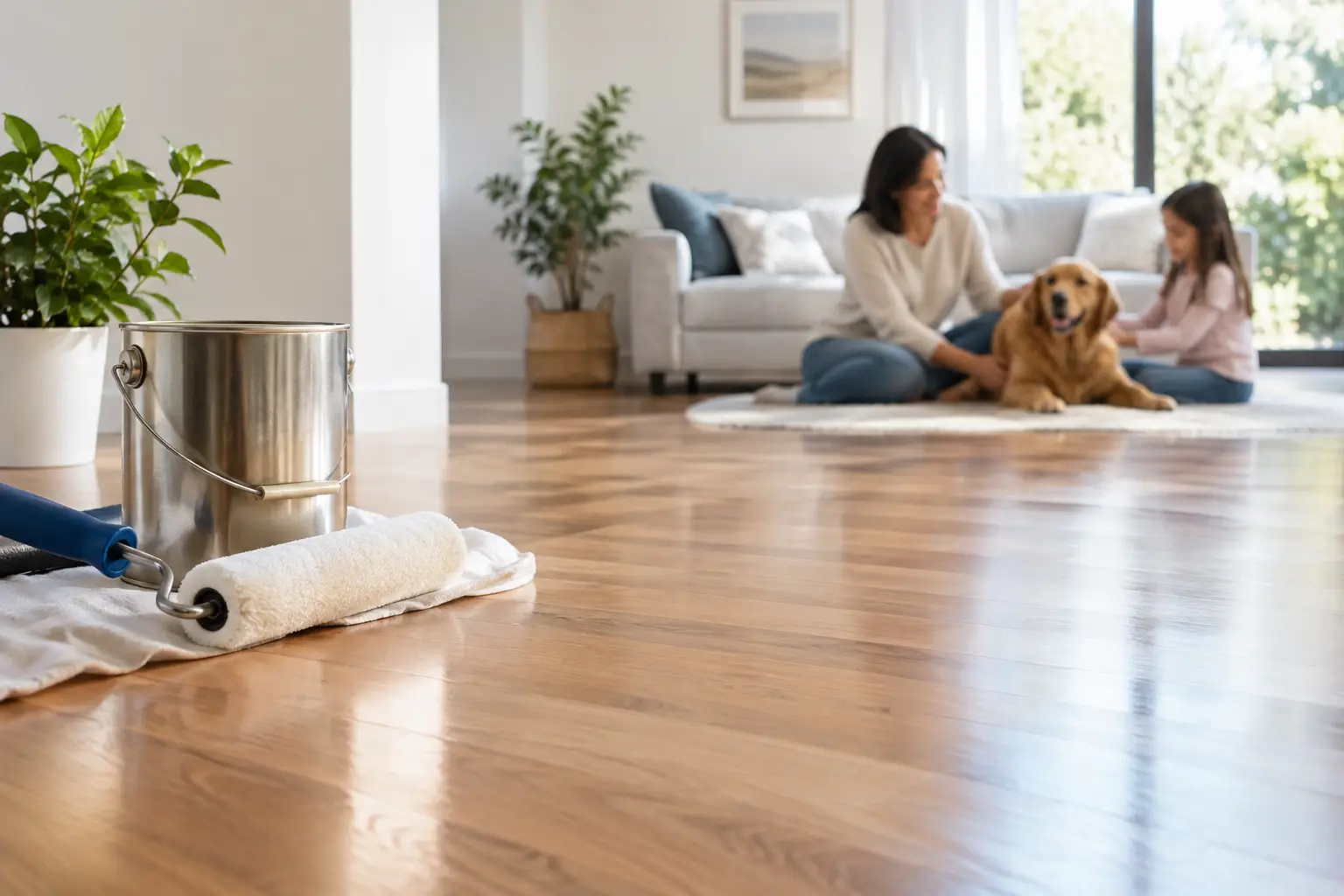
Bona is widely known for waterborne floor finish systems. Unlike traditional oil-based polyurethane, modern waterborne finishes are designed to dry quickly, produce very low odor, and preserve a cleaner, more natural view of the wood. This is particularly valuable in occupied homes, where homeowners want a healthier indoor environment and as little disruption as possible during refinishing.
The practical appeal is substantial. A waterborne system can allow a skilled crew to build finish coats efficiently, while the low-VOC formulation reduces the heavy lingering odor many people associate with floor work. Bona products also offer GreenGuard-certified options, an important consideration for families, pet owners, and anyone attentive to indoor air quality.
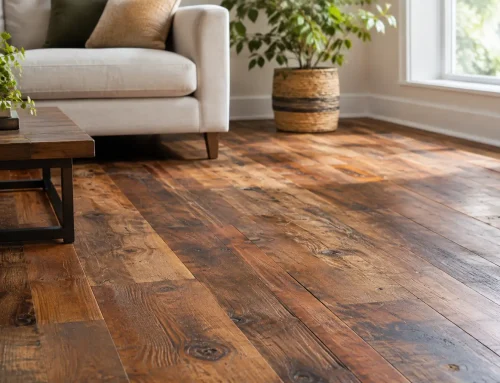
Appearance is just as important. Oil-based finishes tend to add an amber cast that becomes warmer over time. That can be beautiful on certain traditional floors, but it is not the desired look in every home. Bona waterborne finishes generally leave wood closer to its natural color. White oak can stay pale and contemporary, maple can remain crisp, and the detail in reclaimed boards can stand forward without a pronounced yellow tone.
That said, “natural” does not mean colorless or flat. The final result depends on the species, stain selection, sealer, sheen, existing wood condition, and light in the room. A professional sample on the actual floor is more reliable than any showroom board.
Choosing the Right Bona Finish System
There is no single best finish for every household. The right choice depends on the floor itself and the way the space is used. A formal dining room, a sun-filled waterfront home, a busy kitchen, and a historic stair landing ask different things of a finish.
Bona Mega ONE for dependable residential performance
Bona Mega ONE is a waterborne finish often suited to residential spaces where homeowners want an attractive, durable floor without selecting the highest-performance commercial-grade system. It offers a warm, clear result and dependable protection for ordinary household traffic.
For a bedroom, living room, or lower-traffic area, this type of finish may be an excellent value. It can also be a sensible fit for a carefully maintained home where preserving the wood’s appearance matters more than designing for constant wear. The trade-off is straightforward: demanding spaces may benefit from a tougher finish system.
Bona Traffic HD for active homes and demanding spaces
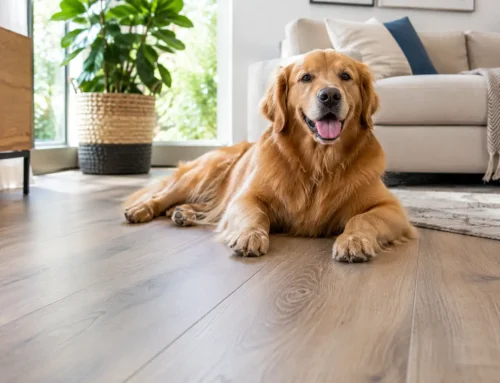
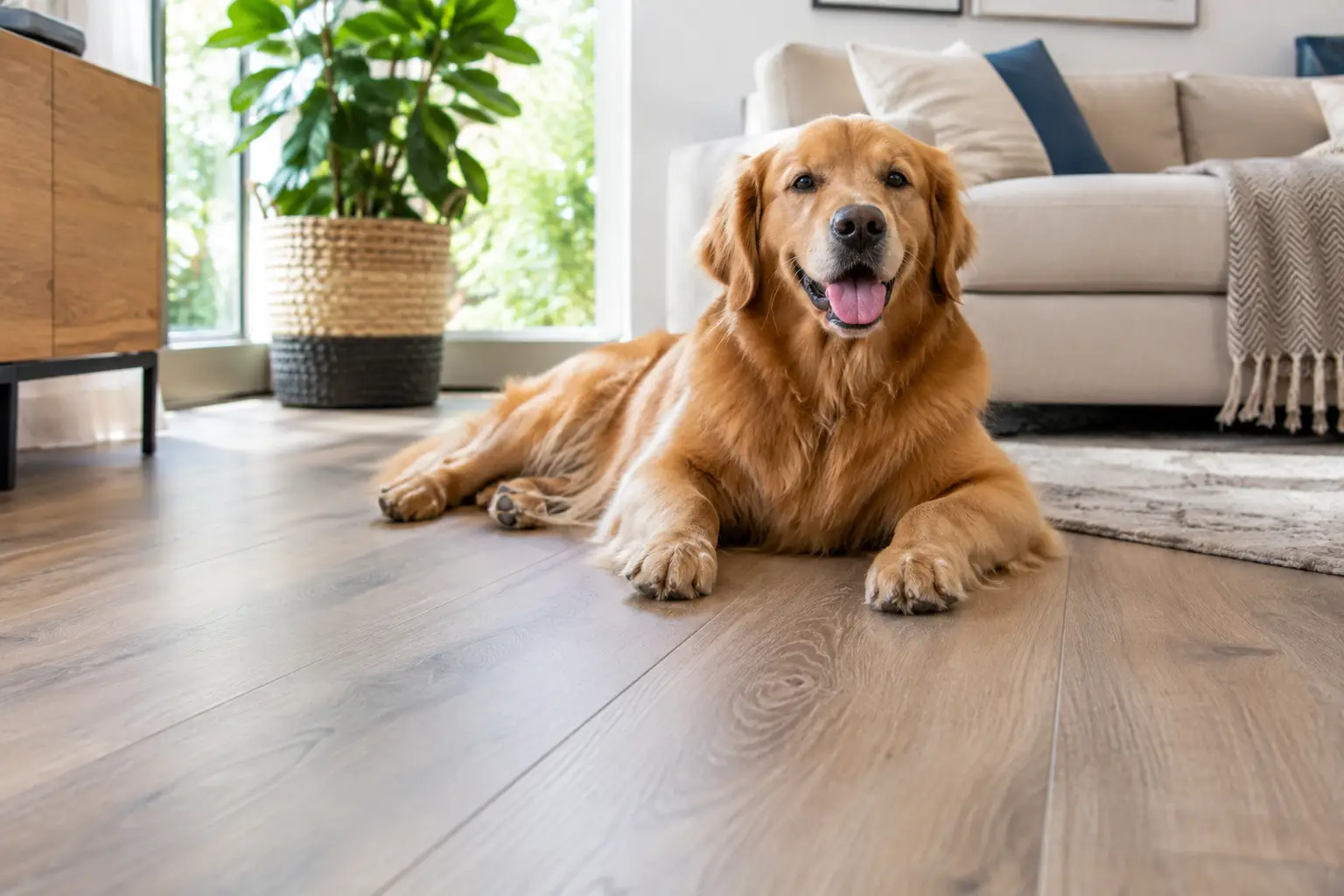
Bona Traffic HD is often considered when durability, faster return to use, and resistance to wear are central concerns. It is well suited to active family homes, entry halls, kitchens, homes with dogs, and high-traffic residential spaces. It is also a strong consideration for boutique commercial interiors where a polished hardwood floor must perform under daily foot traffic.
Its faster cure profile can be particularly helpful during a renovation with a firm move-in schedule. Even so, a floor should not be treated as fully invincible the moment it feels dry. Finish chemistry continues to harden over time, and careful use during the early curing period protects the investment.
Higher-performance finish is not automatically necessary in every room. If a home has a quiet guest suite or a formal room with limited traffic, allocating the budget toward wood repairs, custom stain work, or careful preparation may create more visible value. A craftsman should help weigh those decisions rather than apply one product to every floor by default.
Bona Naturale for an understated, close-to-raw look
Many design-conscious homeowners want the appearance of unfinished wood with the protection of a modern finish. Bona Naturale is designed for that visual direction, producing an exceptionally matte surface that can make the wood feel less coated and more immediate.
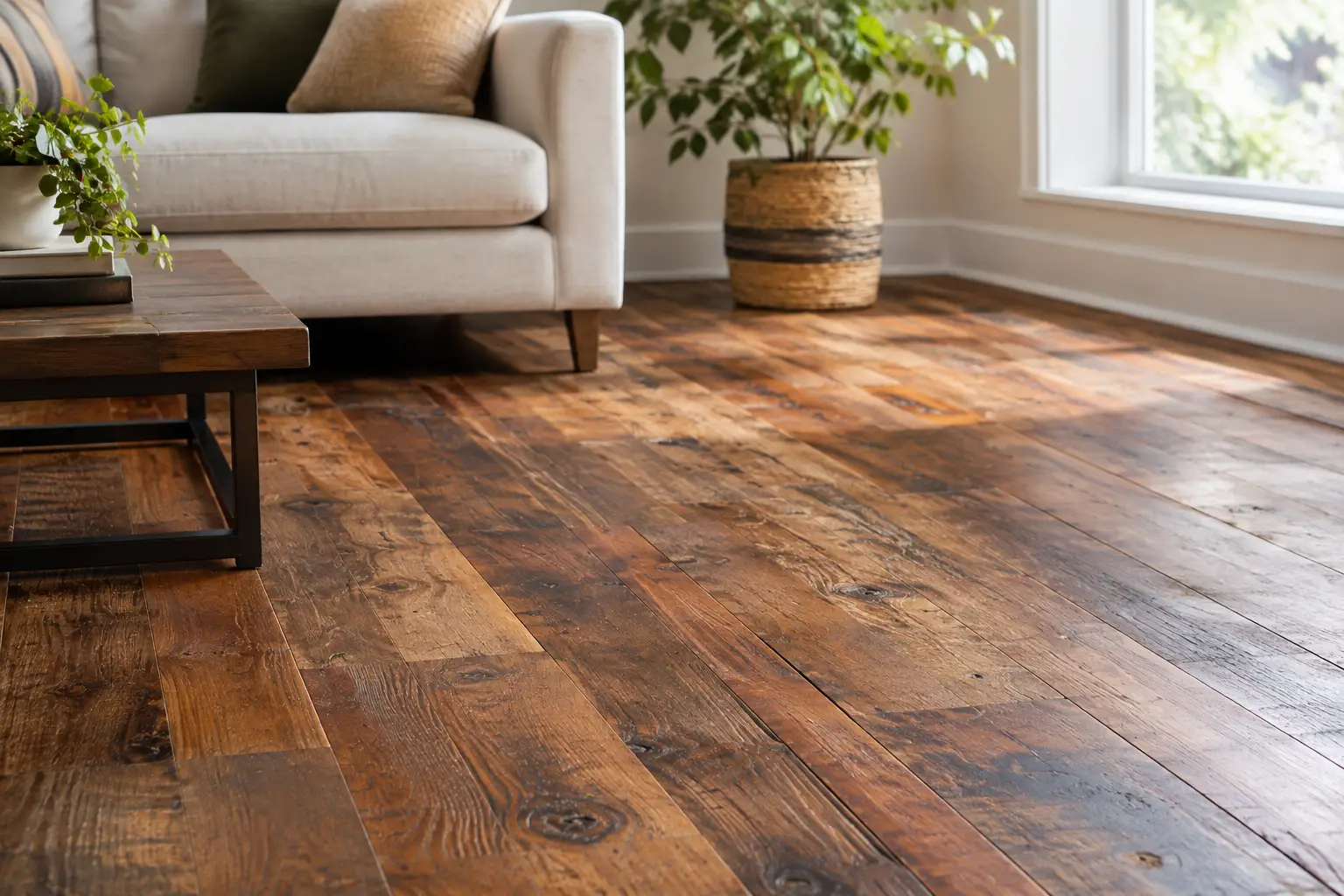
This look is striking on white oak, wide-plank flooring, and European-inspired interiors. It can also complement the patina of reclaimed wood when the goal is quiet authenticity rather than gloss. The consideration is maintenance: very matte floors may show oils or polished traffic paths differently than a satin finish, depending on the species, color, and household habits. Proper cleaners and regular care matter.
Sheen Changes More Than the Look
Sheen is often discussed as a design preference, but it is also a maintenance decision. Bona finishes are available in several sheen levels, commonly matte, satin, semi-gloss, and gloss. The higher the sheen, the more light the surface reflects – and the more readily it may reveal scratches, dust, footprints, and minor unevenness in the floor.
Matte and satin remain the most practical choices for many premium homes. They provide a refined surface without turning every streak of daylight into a spotlight on the floor. Satin offers a gentle, classic luster, while matte feels more relaxed and architectural.
Semi-gloss and gloss can be appropriate for a formal aesthetic or a carefully preserved historic interior, especially where dramatic light reflection is part of the design. They demand more from the preparation work, however. A finish cannot conceal poor sanding, uneven stain absorption, gaps, or structural movement in old boards. The more reflective the surface, the more clearly it displays every detail.
The Finish Is Only as Good as the Preparation
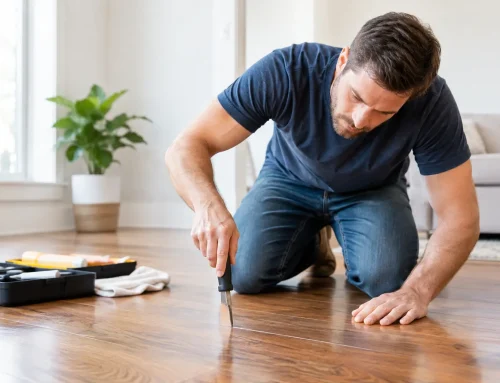
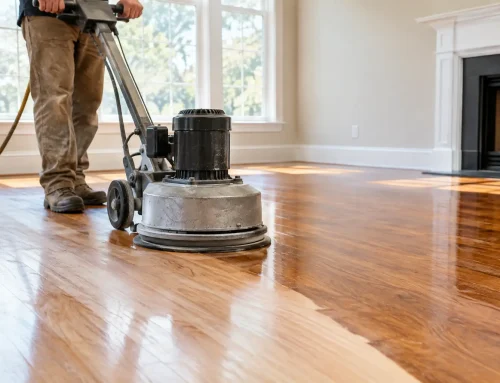
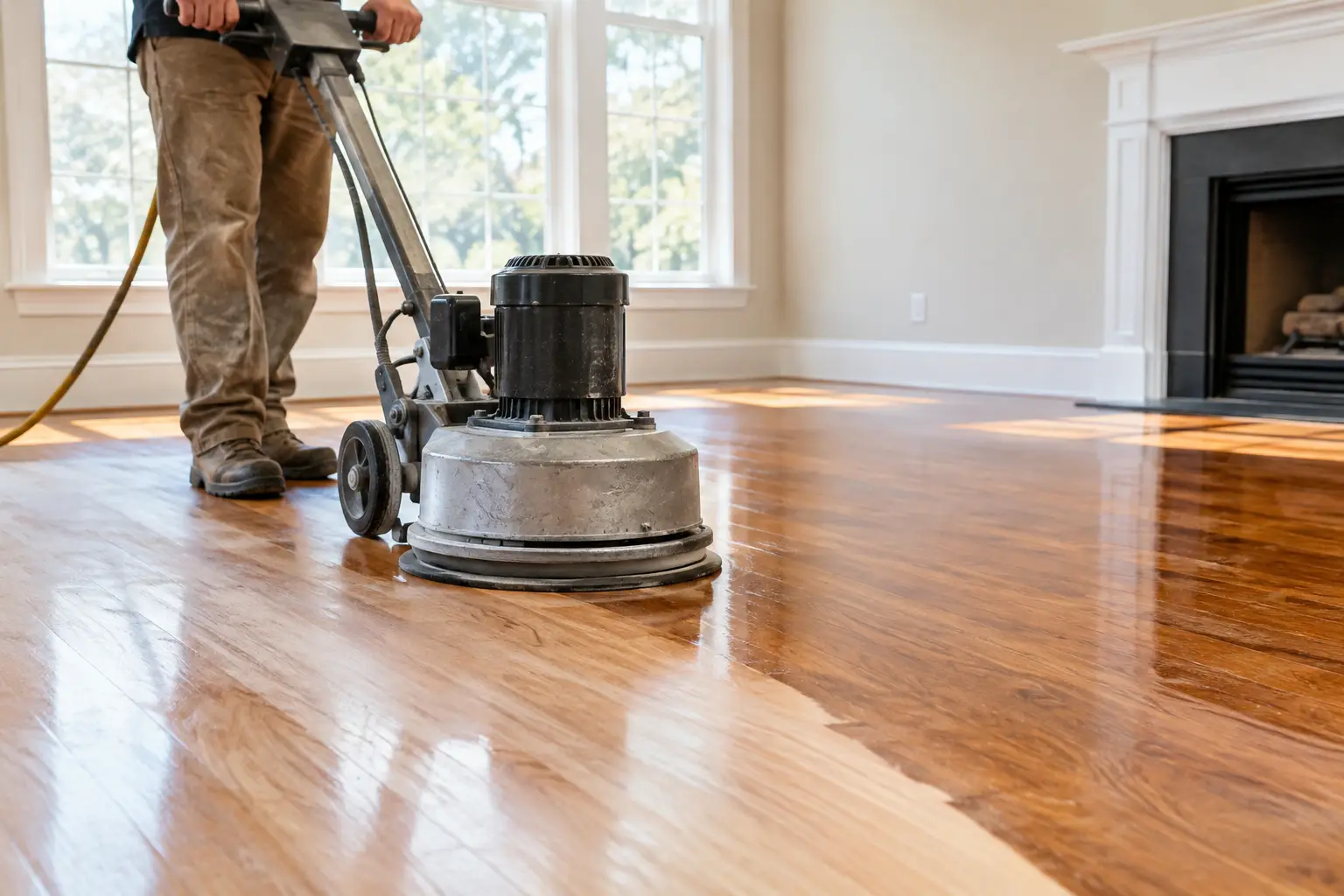
A premium finish cannot compensate for rushed workmanship. Before any Bona system is applied, the floor must be properly evaluated, repaired, sanded, and cleaned. This is where a fine floor is won or lost.
On an older floor, that may mean addressing loose boards, worn edges, pet staining, water damage, old wax contamination, or uneven prior repairs. With reclaimed or antique wood, the work may require special care to preserve saw marks, patina, and character without leaving the surface too rough to finish correctly. New installations bring their own requirements, including acclimation, moisture testing, and attention to plank layout.
The sanding sequence matters. Each pass must prepare the floor for the next, gradually refining the wood while keeping the surface level. Edges, corners, stair treads, and transitions require the same discipline as the center of the room. After sanding, dust control is essential. A small amount of contamination can compromise the clarity of a finish coat.
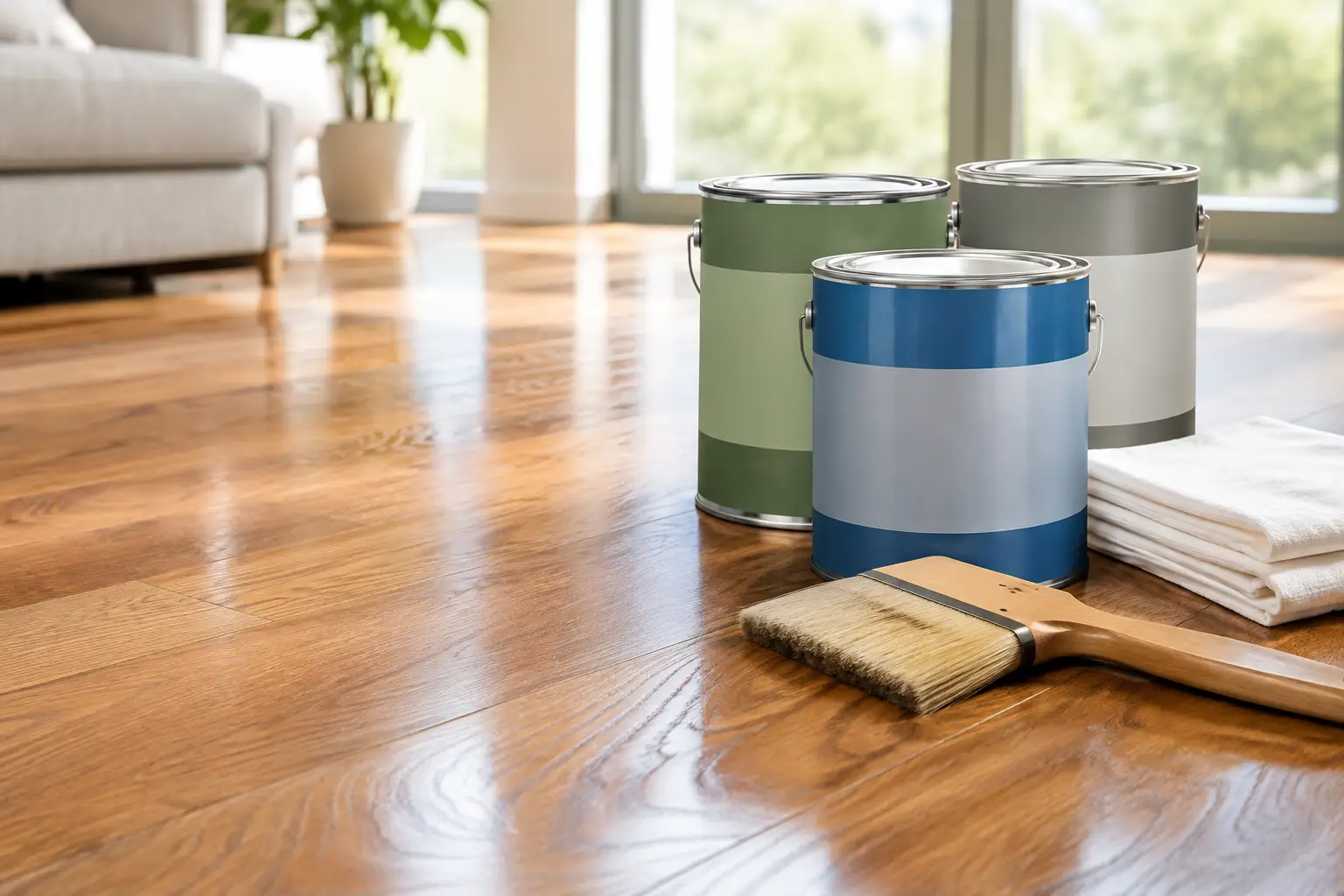
For stained floors, samples are indispensable. Wood absorbs stain differently board by board, particularly when a floor combines old and new material. The stain, sealer, and finish need to be viewed together under the home’s own daylight and evening lighting. What appears perfect under a showroom fixture may look too warm, too gray, or too dark in the actual space.
Caring for a Bona-Finished Floor
Even the best finish benefits from thoughtful habits. Use felt pads beneath furniture, lift rather than drag heavy pieces, and place quality mats at exterior doors. Avoid rubber-backed mats that can discolor or trap moisture against the finish. In kitchens and mudroom entries, rugs should be breathable and kept dry underneath.
Routine cleaning should be gentle. Dust and grit act like fine sandpaper, so regular dry mopping or vacuuming with a hardwood-safe setting is more valuable than aggressive wet cleaning. Use a cleaner made for finished hardwood floors, applied sparingly with a well-wrung microfiber pad. Steam mops, waxes, oil soaps, and excessive water can leave residue or introduce moisture where it does not belong.
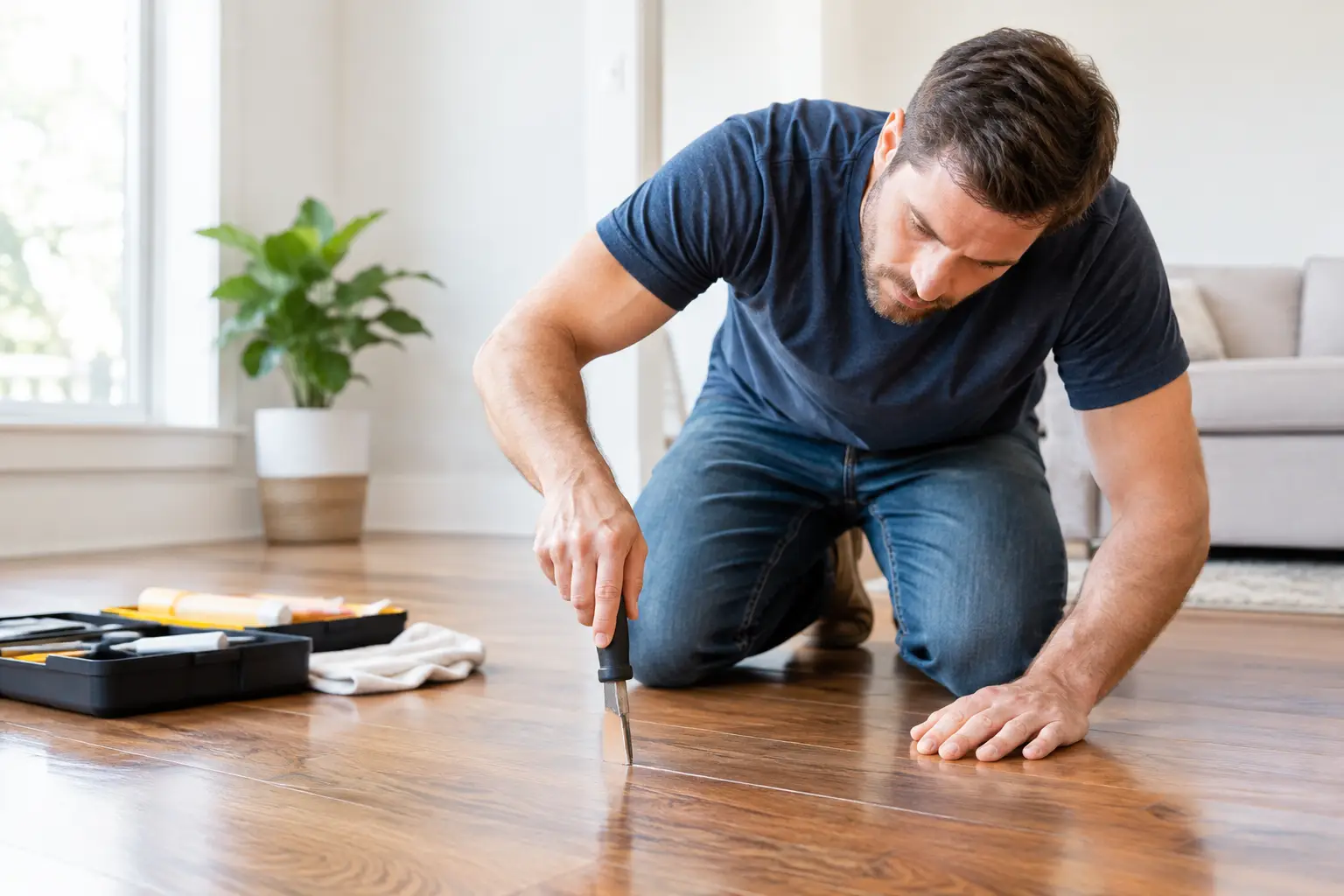
Scratches are part of a lived-in wood floor, not necessarily evidence of failure. Surface marks can often be reduced through proper cleaning or maintenance work. When traffic paths begin to dull but the finish has not worn through to bare wood, a professional screen-and-recoat may restore protection without the expense and disruption of a full sanding. Waiting until bare wood is exposed can turn a maintenance project into a more involved restoration.
A Finish Decision Worth Making in Person
Bona finishes offer a compelling blend of beauty, performance, and lower-impact indoor air quality, but product selection should follow a close look at the home, wood species, light, and daily use. At Royal Oaks Flooring, that conversation begins with the floor in front of us, not a one-size-fits-all recommendation.
A carefully chosen finish lets the wood remain the centerpiece: protected from the demands of daily life, yet still honest in its grain, color, and craftsmanship. That is the standard a hardwood floor deserves.