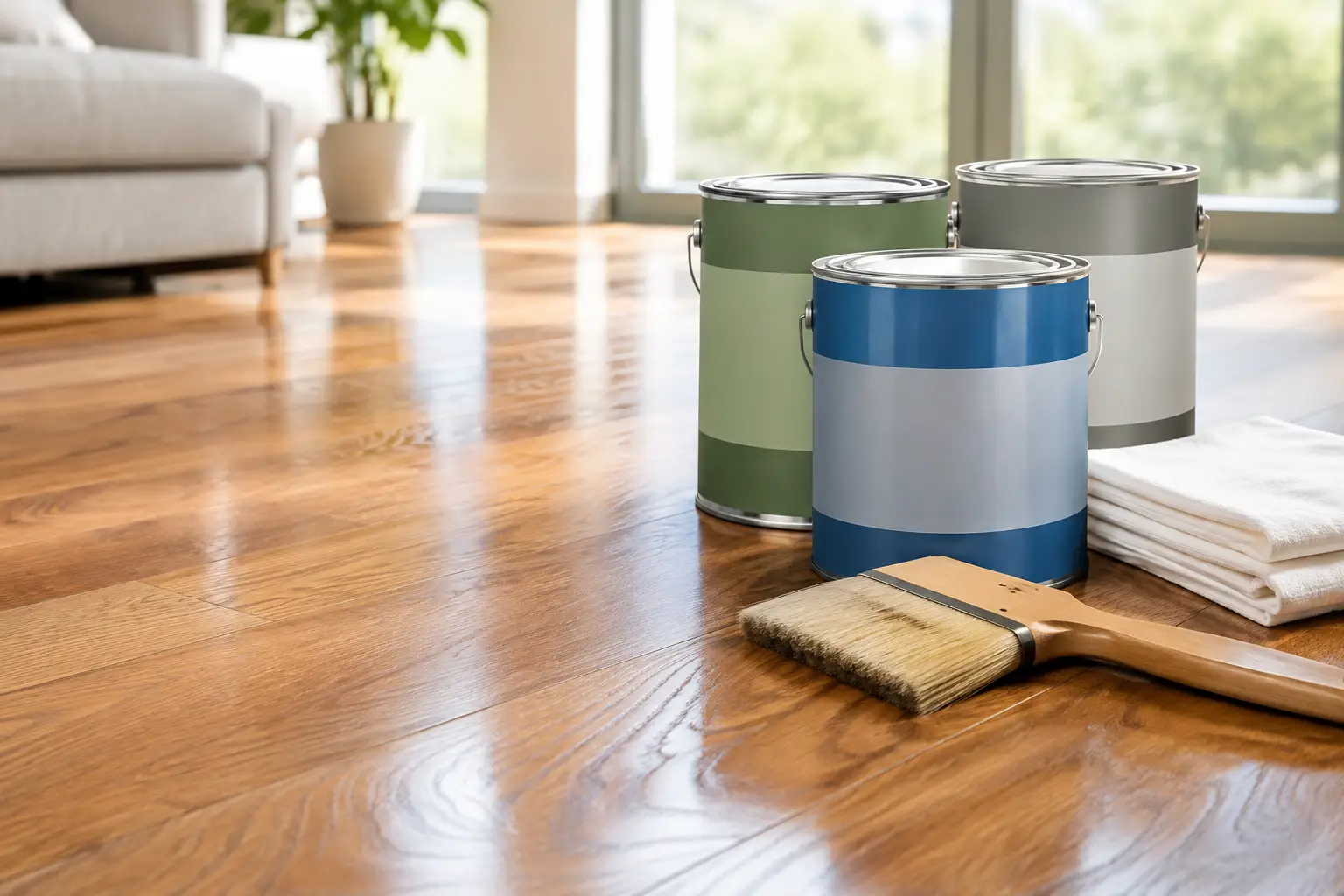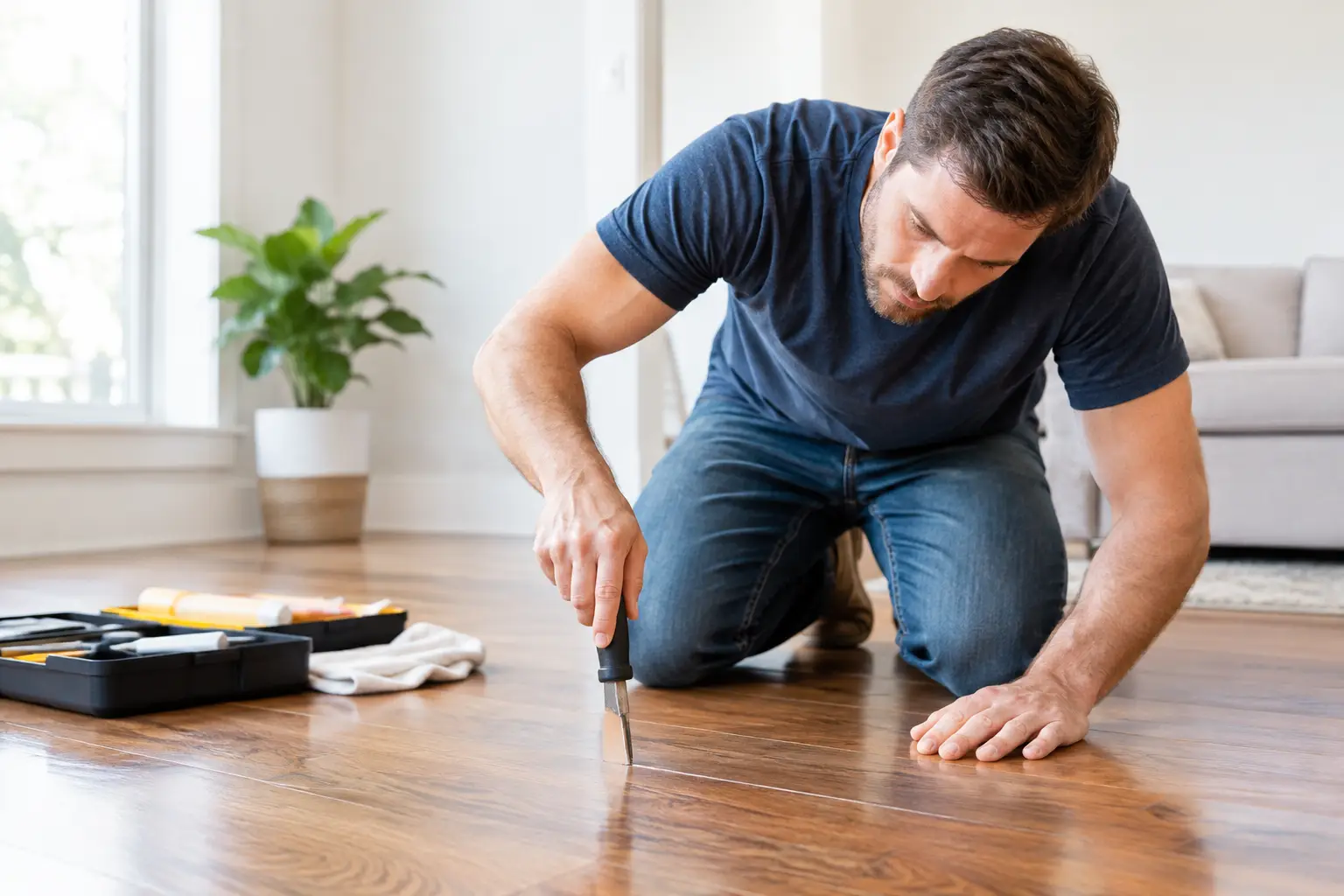
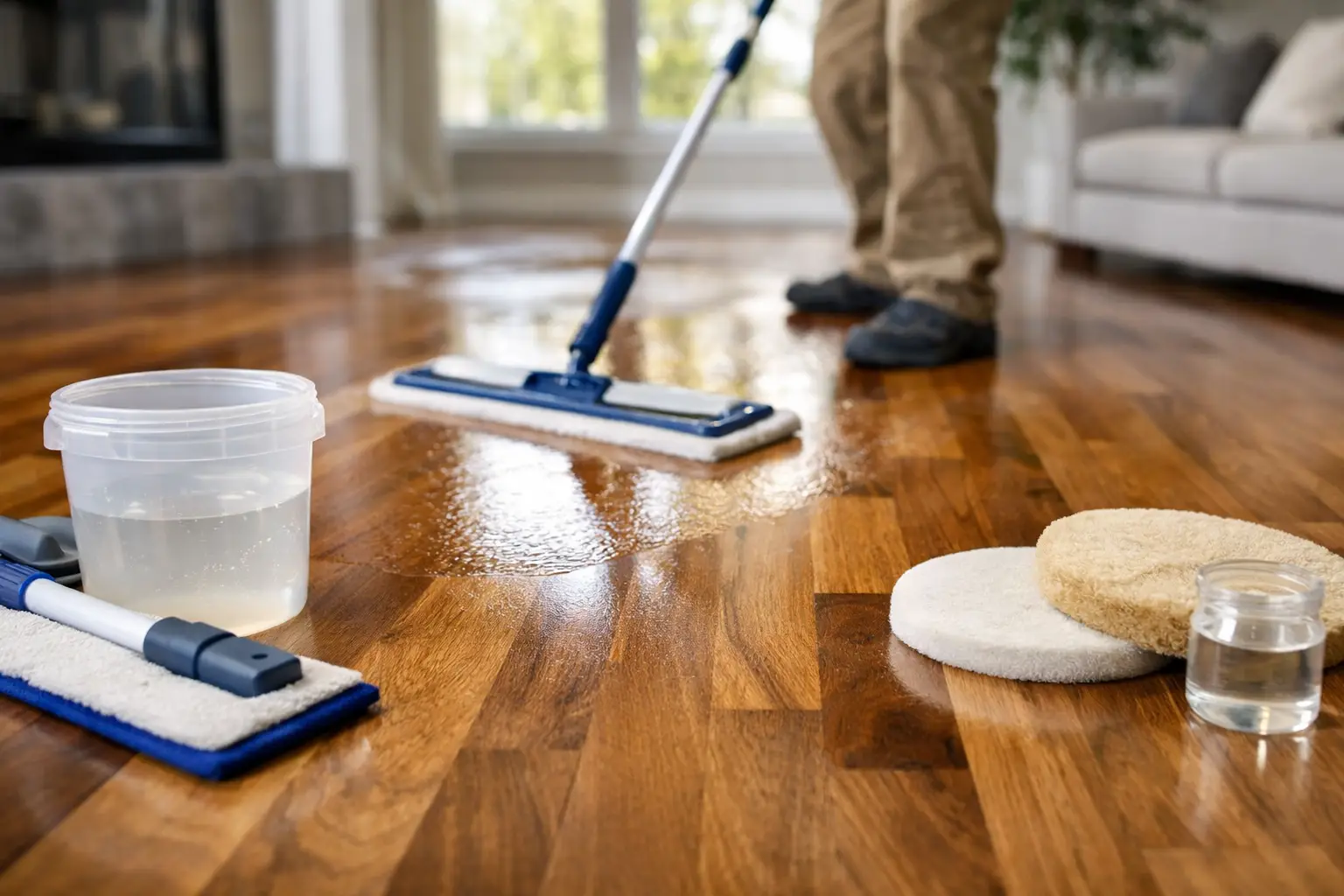
A beautiful hardwood floor should not force a family to live cautiously around it. In this Bona Traffic HD review, we examine the finish from the perspective that matters most to discerning homeowners: how it performs after the furniture is back in place, the dog crosses the room, children come through the door, and daily life resumes.
Bona Traffic HD is a premium, two-component waterborne polyurethane finish designed for demanding residential and commercial spaces. It is widely respected by flooring professionals because it combines exceptional abrasion resistance with fast curing and very low VOC content. For a carefully restored oak floor, a wide-plank installation, or a custom hardwood floor intended to be enjoyed for decades, those qualities deserve serious consideration.
That said, no finish is indestructible, and the right choice depends on the condition of the wood, the household, the desired sheen, and the quality of preparation beneath the coating. A finish can only perform as well as the sanding, staining, application, and curing process that support it.
What Makes Bona Traffic HD Different?
Traditional oil-based polyurethane has long been valued for its durability, but it brings a stronger odor, longer drying period, and a warmer ambering effect over time. Bona Traffic HD takes a different approach. Its waterborne formula dries clear, preserves more of the wood’s natural color, and reaches a usable level of hardness remarkably quickly.
The “HD” refers to heavy-duty performance. Once the two components are mixed and properly applied, the finish cross-links into a dense protective film that resists wear better than many standard residential finishes. This makes it especially appealing in entry halls, kitchens, living areas, stair landings, and other spaces where grit and foot traffic are unavoidable.
For homeowners who have selected white oak, maple, ash, or another species with a clean, contemporary character, the clarity of a waterborne finish is often a major advantage. It allows the wood itself to remain the focal point rather than covering it with an increasingly amber cast. On walnut, cherry, and reclaimed materials, it can also provide a refined, understated protection that does not obscure the grain or patina.
Bona Traffic HD Review: Where It Excels
The principal strength of Bona Traffic HD is its balance of durability and practicality. Floors finished with it can generally return to light use far sooner than floors finished with conventional oil-based polyurethane. That matters during a renovation, particularly when homeowners are coordinating painters, cabinetry, furniture delivery, or a move back into the home.
Its low-VOC profile is another meaningful benefit. A modern waterborne system can reduce the harsh odor and prolonged off-gassing associated with older finish technologies. For families living in the home during a renovation, or for clients who place a high value on indoor air quality, that is more than a convenience. It is part of making a thoughtful material decision.
Traffic HD also holds up well against the fine scratches and dulling that gradually develop in active rooms. This does not mean a chair dragged across the floor or an unprotected grit-covered shoe will leave no mark. Hardwood is still wood, and wood has a surface that can be dented, scratched, or compressed. But a high-performance finish gives the floor a stronger first line of defense and can help it retain a more even appearance between maintenance cycles.
Its range of sheen options deserves attention as well. A matte or extra-matte finish can give a newly refinished floor a quiet, natural appearance while making ordinary dust and minor surface marks less visible. Satin offers a gentle, classic luster. Semi-gloss reflects more light and can look striking in formal spaces, though it tends to reveal scratches, footprints, and unevenness more readily. The most durable finish is not necessarily the most suitable finish if its sheen conflicts with the way a household lives.
The Trade-Offs Homeowners Should Understand
Premium finish systems come with premium material and labor costs. Bona Traffic HD is not the least expensive option, and a contractor must work with care because the product has a defined pot life once its components are combined. Proper application is precise work. The crew must control sanding quality, dust removal, room conditions, coat timing, and coverage rate to create a consistent, beautiful result.
This is why comparing refinishing proposals solely by price can be misleading. One estimate may include a basic single-component finish, while another accounts for a professional-grade two-component system, detailed preparation, and a cleaner work process. The materials are only part of the difference. The craft behind them determines whether a floor looks flat, clear, and even under daylight.
There is also a practical limitation to fast curing. While Traffic HD can support earlier light use than many alternatives, a newly finished floor still needs respectful treatment while it reaches full cure. Area rugs should wait, furniture should be returned carefully with felt protection, and heavy items should not be dragged across the surface. A quick return to service is not permission to treat a fresh finish as fully hardened on day one.
Color is another consideration. Homeowners who love the warm, honeyed tone that oil-based polyurethane develops over time may find a clear waterborne finish too neutral. This can be addressed through stain selection, a compatible sealer, or a custom finishing schedule, but it should be discussed before sanding begins. The same natural white oak can look dramatically different under a clear waterborne system than under a traditional oil-based one.
Is It Right for Historic or Reclaimed Wood?
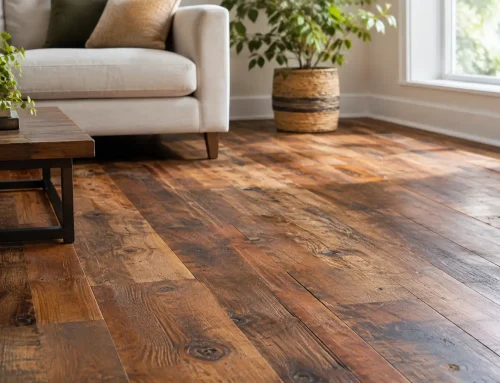
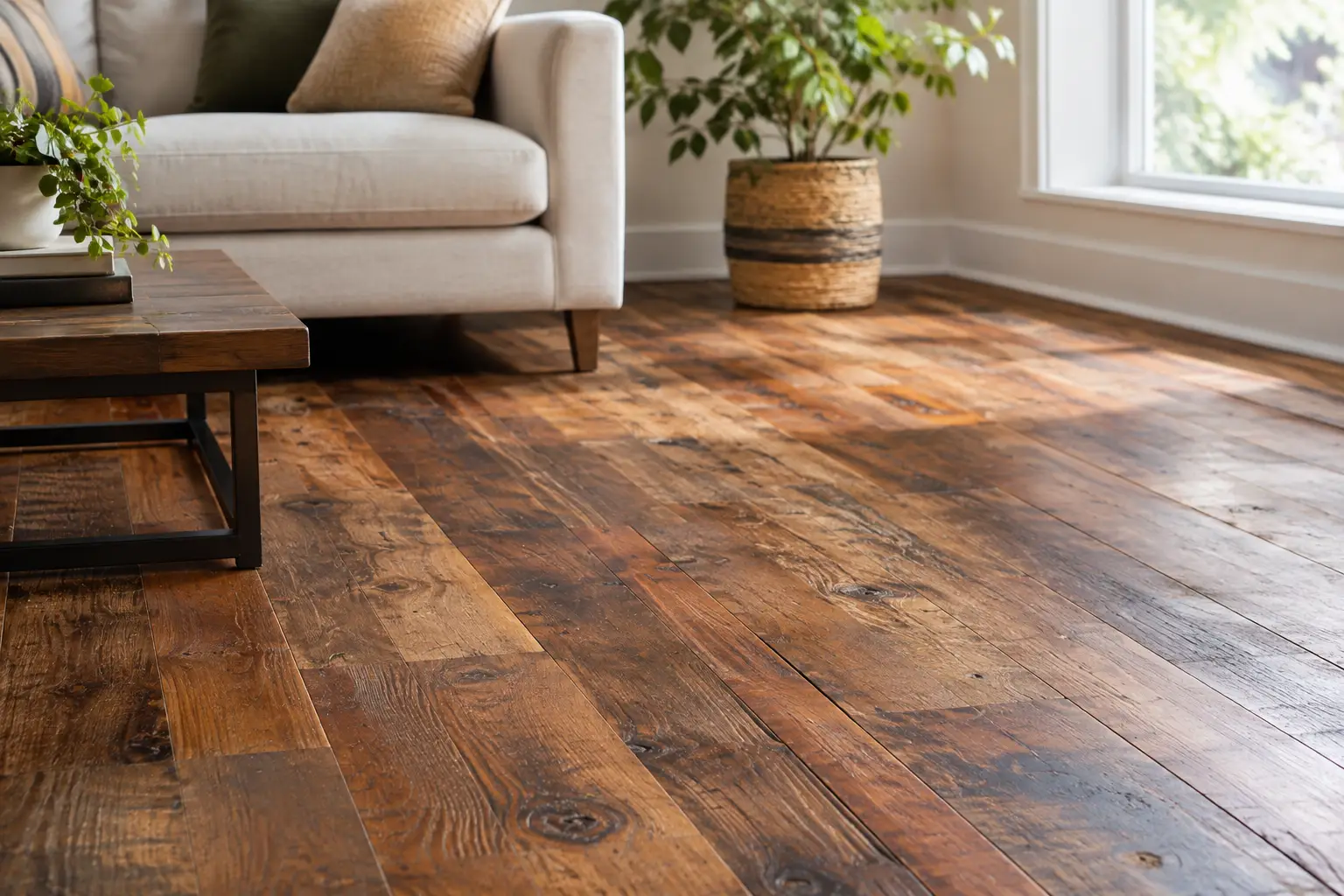
Often, yes, but the floor should lead the decision. Antique heart pine, reclaimed oak, and older site-finished floors bring character that cannot be manufactured: mineral streaking, nail holes, varied grain, old repairs, and gentle color shifts. A clear, low-sheen Traffic HD finish can protect that character without making the floor appear overly glossy or plastic-like.
However, historic floors sometimes need more than a finish choice. They may have cupping, gaps, unstable boards, prior wax contamination, deep pet stains, or areas that have been sanded too many times. A master flooring professional evaluates whether the floor can be refinished safely, whether repairs should be blended before sanding, and whether the chosen finish will adhere properly to the prepared surface.
For a floor with significant texture or open grain, the homeowner should also have realistic expectations. A protective coating will not erase every sign of age, and it should not. The goal is to preserve the floor’s integrity and beauty while giving it the protection needed for its next chapter.
Care That Protects the Investment
Even the best finish benefits from sensible maintenance. Place quality walk-off mats at exterior doors, especially during wet Maryland winters or seasons when sand and debris are tracked indoors. Avoid rubber-backed mats, which can trap moisture or affect the finish, and use breathable rug pads recommended for hardwood.
Sweep or vacuum with a hardwood-safe setting regularly. Fine grit is the enemy of every finish because it acts like sandpaper underfoot. For routine cleaning, use a cleaner intended for polyurethane-finished hardwood and a lightly damp microfiber mop. Excess water, steam mops, oil soaps, and harsh household cleaners can leave residue, dull the surface, or introduce moisture where it does not belong.
Felt pads under chairs and furniture are small details with outsized value. Check them periodically, because pads collect grit and wear down. In homes with large dogs, keeping nails trimmed will help reduce surface scratching. These are not burdensome rules. They are the ordinary disciplines that allow fine woodwork to age gracefully.
When Professional Application Matters Most
Bona Traffic HD is particularly worthwhile when the project calls for a finish that supports the quality of the wood and the investment in the home. It is a strong candidate for busy family spaces, high-end renovations, properties with pets, and rooms where the floor is intended to serve as a defining design element.
In the Washington, D.C. Metro area and on the Eastern Shore, homes often combine active family living with a desire for enduring architectural character. That combination calls for decisions that are both practical and exacting. At Royal Oaks Flooring, the finish conversation begins with the wood, the room, and the way the home is used, rather than a one-size-fits-all product recommendation.
A well-chosen finish should not merely survive daily life. It should let the warmth, grain, and craftsmanship of the hardwood remain visible through it, year after year.