A worn carpet can make an otherwise well-kept home feel dated the moment a buyer walks through the door. A beautifully installed wood floor has the opposite effect: it creates continuity, reflects natural light, and gives a room a sense of permanence. So, do wood floors increase value? In many homes, yes – but the real value depends on the material selected, the quality of the installation, the condition of the floor, and what buyers expect in your local market.
For homeowners making thoughtful improvements rather than quick cosmetic changes, hardwood is often one of the few finishes that delivers both daily enjoyment and meaningful resale appeal. It is a material that can be renewed rather than replaced, and that distinction matters when a home changes hands.
Do Wood Floors Increase Value? Usually, When Done Well
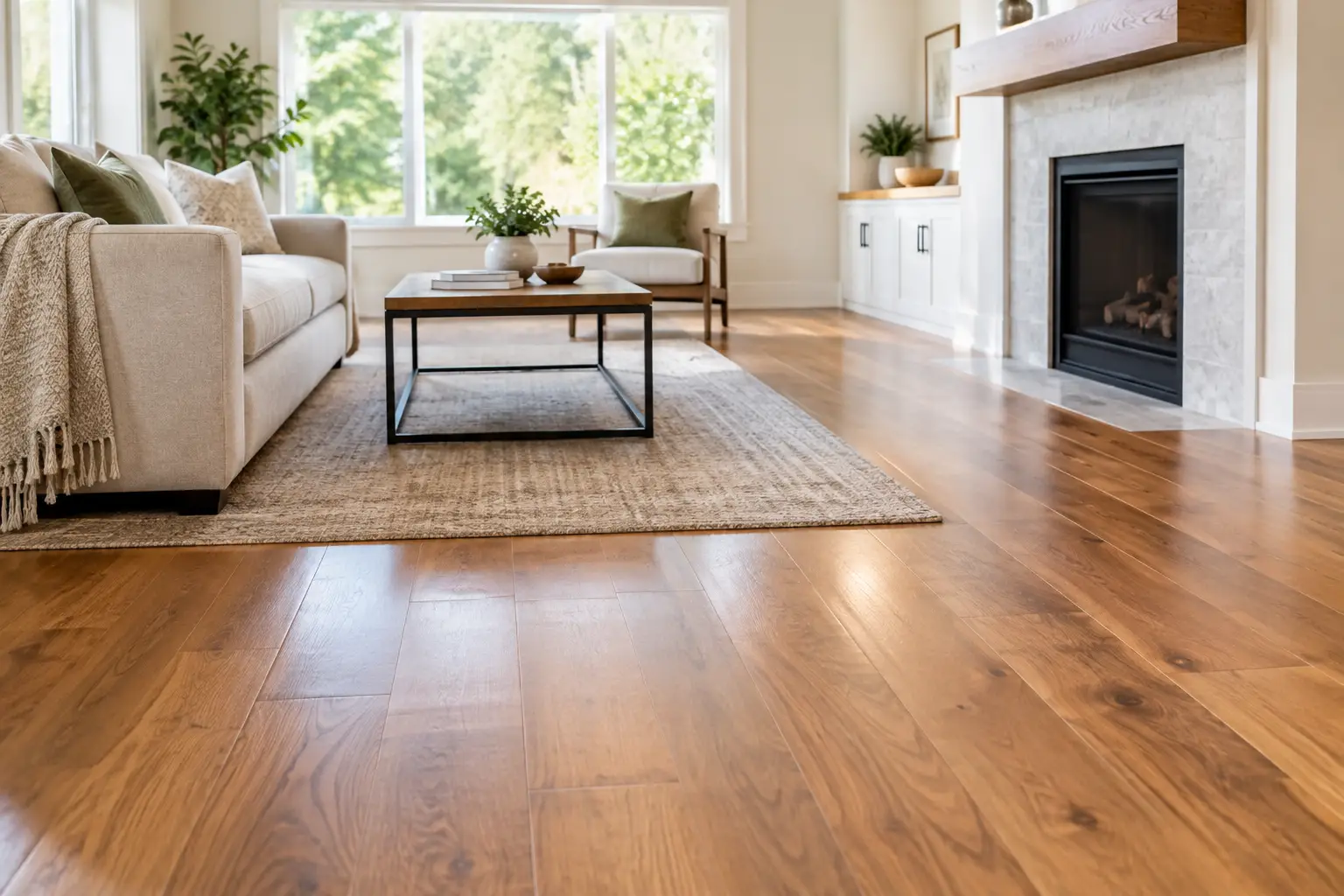
Wood flooring is consistently attractive to buyers because it signals durability, clean design, and long-term care. Unlike many trend-driven surfaces, a quality hardwood floor can suit a historic Colonial, a waterfront home, a traditional brick residence, or a clean-lined contemporary renovation. It gives buyers a feature they can live with immediately rather than a project they must budget to remove.
That does not mean every wood-floor project produces the same financial return. A narrow-strip floor with a tired orange finish, uneven repairs, or visible moisture damage will not carry the same appeal as a carefully specified white oak floor with a refined, low-sheen finish. Buyers respond to the overall impression: Is the floor authentic? Does it feel appropriate for the home? Has it been installed and maintained with care?
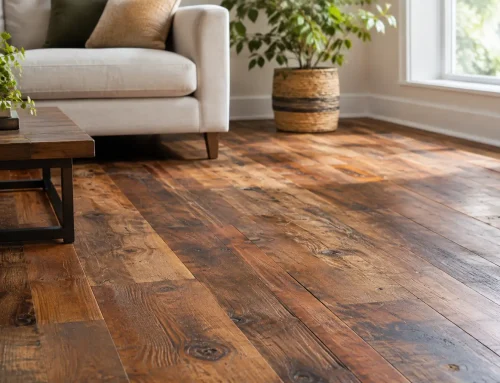
In established areas such as Potomac, McLean, Annapolis, and the Eastern Shore, buyers often recognize fine flooring as part of a home’s architectural character. In a historic home, preserving or restoring original hardwood may be more valuable than replacing it with a fashionable alternative. In a newer renovation, wide-plank oak or a thoughtfully selected reclaimed wood floor can help the interior feel finished, cohesive, and quietly distinctive.
Why buyers respond to hardwood
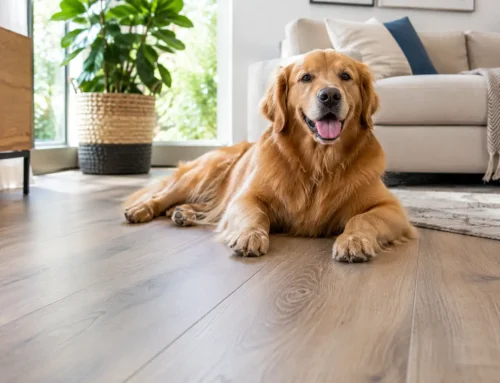
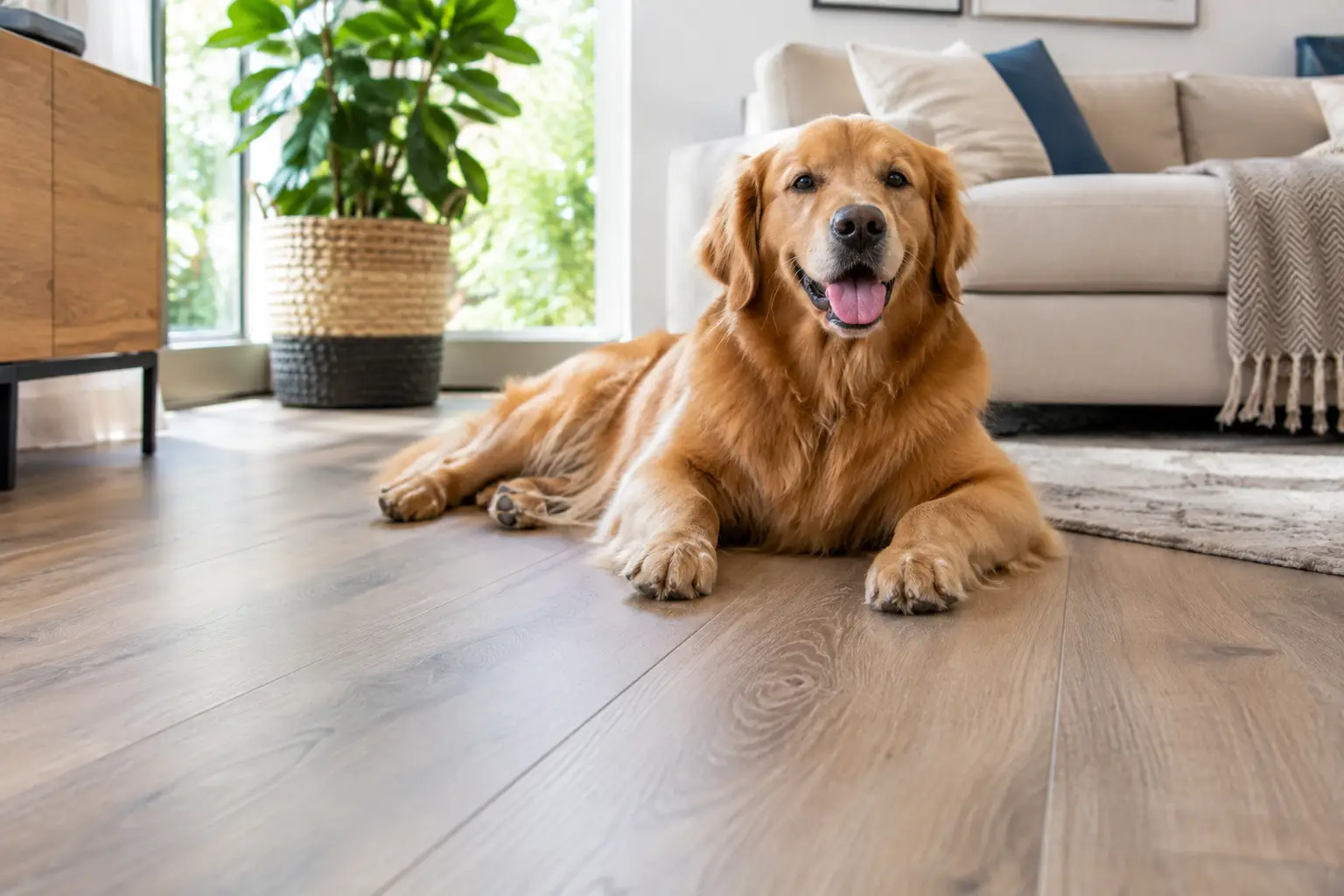
Hardwood has practical advantages that are easy to understand during a showing. It does not trap dust and pet hair the way carpet can, it is easier to keep clean, and it can be refinished when its surface eventually shows wear. Those benefits make wood especially appealing to families, pet owners, and buyers who want fewer immediate maintenance concerns.
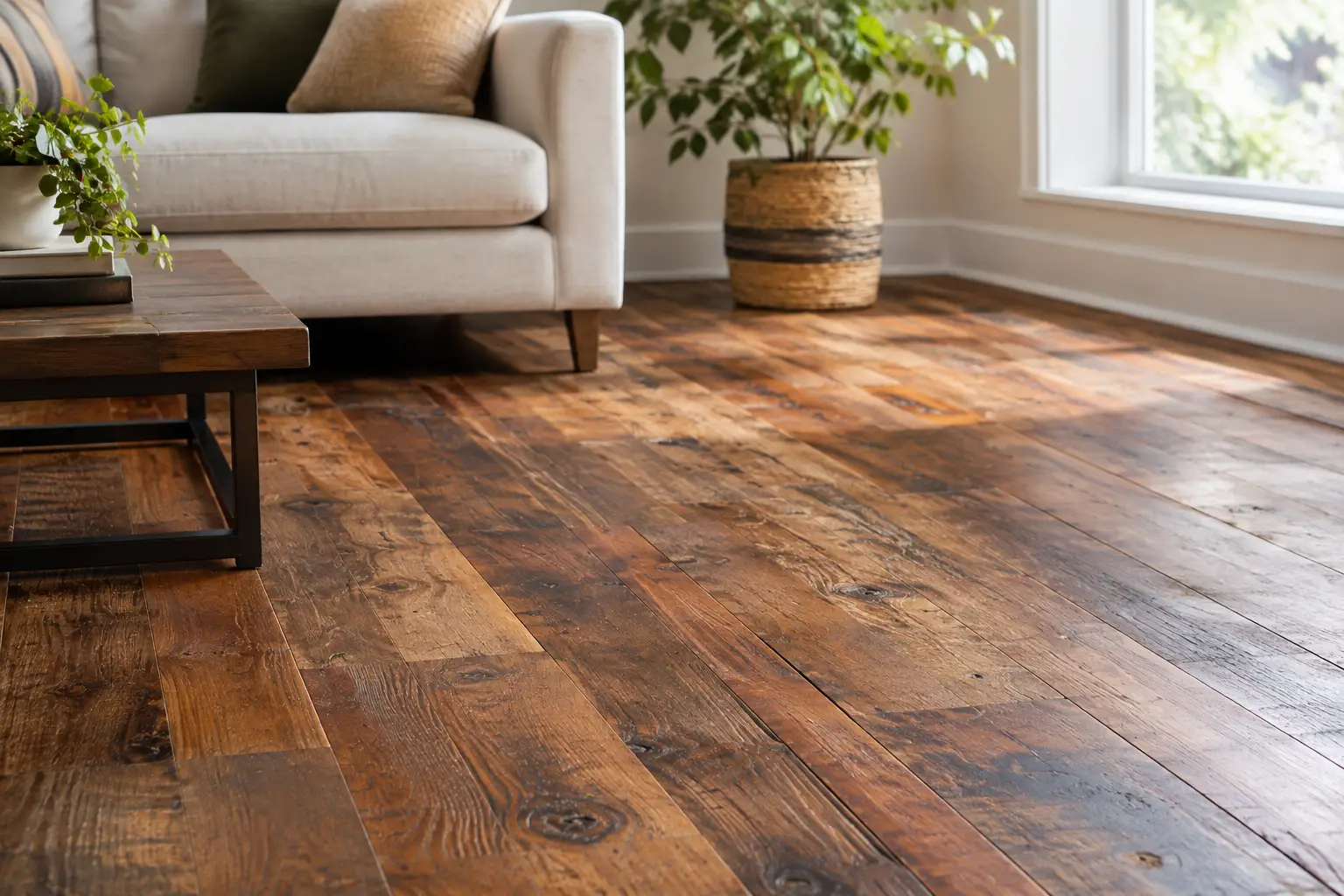
There is also an emotional component. Real wood brings grain variation, warmth, and depth that printed surfaces cannot fully replicate. Each board has a natural character. When the installation is precise and the finish is well chosen, the floor becomes an architectural element rather than a background material.
The Details That Determine Whether Value Goes Up
A floor should support the caliber of the home. Installing premium walnut in a modest rental may not produce a proportionate return, while using a low-grade material in a carefully renovated property can make the entire project feel compromised. The strongest investment is usually a durable, timeless choice that suits the home’s price point, style, and expected use.
Species matters, but not always in the way homeowners assume. Oak remains a dependable choice because it is durable, widely appreciated, and available in a range of plank widths and stain treatments. White oak is particularly versatile for contemporary and transitional interiors, while red oak can be an excellent fit for traditional homes and restoration work. Maple, cherry, ash, and walnut each bring a different grain pattern, hardness, and visual tone.
The width and layout deserve equal attention. Wide planks can make a large living area feel expansive, but they require proper acclimation, subfloor preparation, and skilled installation to perform well through seasonal changes. A herringbone border, custom inlay, or reclaimed-wood feature can elevate the right space, yet ornate details should feel native to the home rather than added simply to impress.
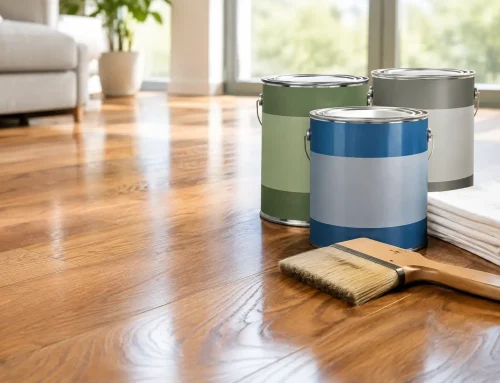
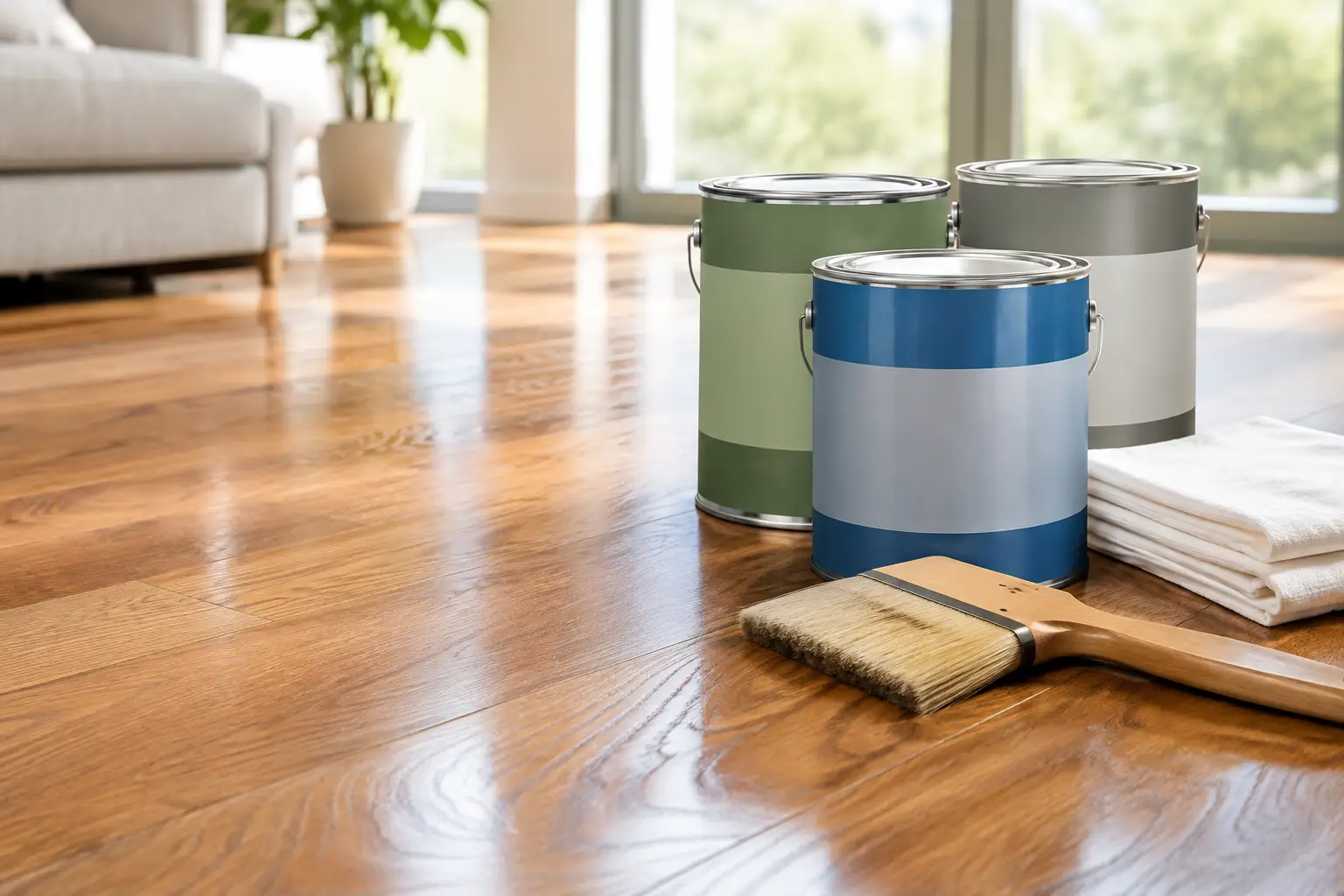
Finish is another major factor. High-gloss floors can look dramatic in photographs, but they tend to show scratches, footprints, and dust more readily. Many homeowners and buyers now prefer a low-luster matte or satin finish because it feels current while remaining forgiving in daily life. Modern, very low-VOC finishes also offer an important practical advantage: improved indoor air quality, reduced off-gassing, and a faster return to normal use after refinishing.
Installation quality is visible, even when buyers cannot name it
People may not know the technical language for expansion gaps, moisture testing, or subfloor flatness, but they recognize a floor that feels solid underfoot and looks carefully executed. Poor transitions, inconsistent board spacing, hollow spots, mismatched stain, and awkward cuts around doorways can undermine confidence in a renovation.
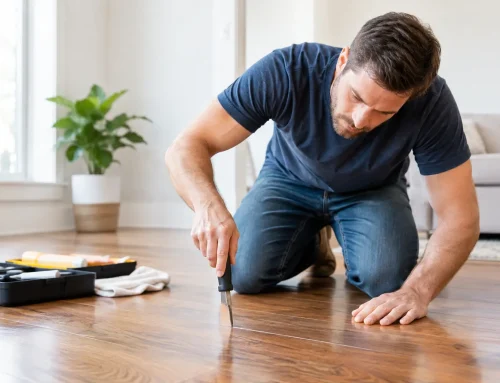
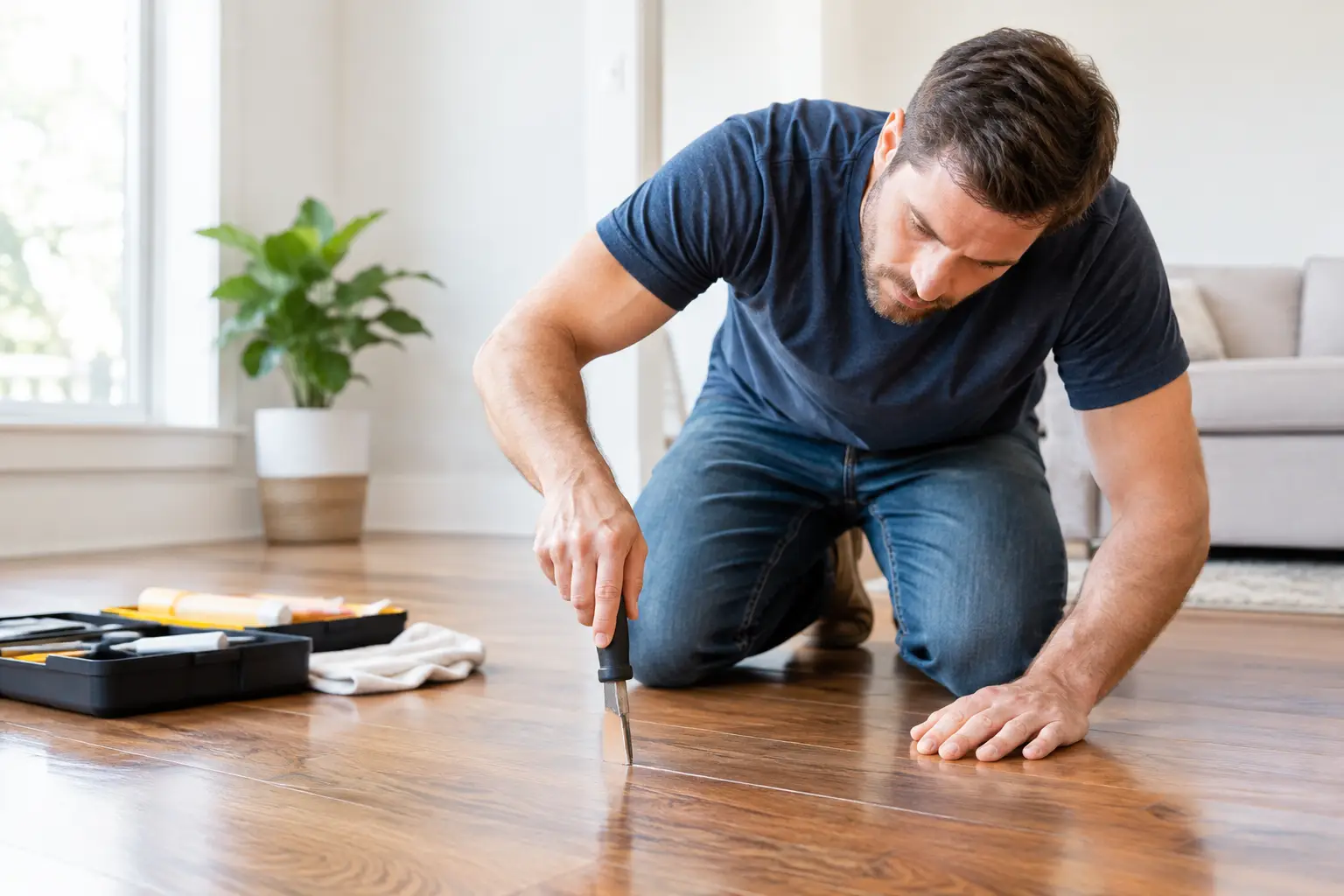
Professional installation protects more than appearance. It begins with evaluating the existing conditions, including the subfloor, moisture level, floor height, and relationship to adjoining rooms. It accounts for how solid hardwood, engineered wood, or reclaimed material will behave in that particular environment. The work behind the finished surface is where long-term performance is won or lost.
This is especially relevant in the D.C. Metro region and coastal Maryland, where seasonal humidity can place real demands on wood flooring. A proper installation plan helps minimize seasonal movement and prevents avoidable problems that may become obvious during a future inspection.
When Wood Floors May Not Be the Best Value Move
Hardwood is not automatically the right answer for every room or every budget. Below-grade basements, areas with persistent moisture, and homes with major foundation or plumbing concerns may call for engineered wood or another suitable flooring solution. Installing solid hardwood over unresolved moisture issues is not an upgrade – it is a costly risk.
Budget also deserves an honest conversation. If a homeowner is preparing to sell in the near future, refinishing existing hardwood may create more value than replacing every floor with an expensive new species. A well-restored original floor often tells a more convincing story than a rushed renovation.
Likewise, wood should not be chosen in isolation. If the kitchen cabinetry, trim, wall colors, and lighting remain dated or poorly coordinated, a new floor alone cannot carry the room. Flooring delivers its best return when it is part of a measured improvement plan that makes the home feel cared for from one space to the next.
Refinishing Can Be a Powerful Value Creator
Homeowners sometimes overlook what is already beneath their feet. Original hardwood hidden under old carpet may be one of the home’s strongest assets, particularly in older properties. Refinishing can remove surface wear, correct color inconsistencies, and restore the depth that makes natural wood so compelling.
The goal is not always to make an older floor look brand-new. In many homes, a little character is part of its appeal. The right restoration preserves the integrity of the material while addressing damage, gaps, stains, and dullness with restraint. A skilled craftsman knows when boards should be repaired, when they should be replaced, and when the existing patina deserves to remain.
For homeowners who intend to stay, regular maintenance also protects future value. Use felt pads beneath furniture, clean spills promptly, avoid overly wet mopping, and follow the finish manufacturer’s care recommendations. Small habits help preserve a floor’s finish so that a future refresh remains straightforward rather than becoming a full restoration project.
Treat Flooring as a Long-Term Part of the Home
The question is not simply whether wood floors raise an appraisal by a fixed percentage. Their greater value is often their ability to improve the way a home is perceived, used, and remembered. They create a clean foundation for furnishings, adapt across design changes, and offer a lifespan that many surface materials cannot match.
For a project to earn that value, material selection and execution must be treated with the seriousness they deserve. Royal Oaks Flooring approaches each floor as both a working surface and a lasting expression of the home itself. Choose a wood floor that belongs in your home, install it with precision, and care for it well – the result will continue to reward you long before it is time to sell.