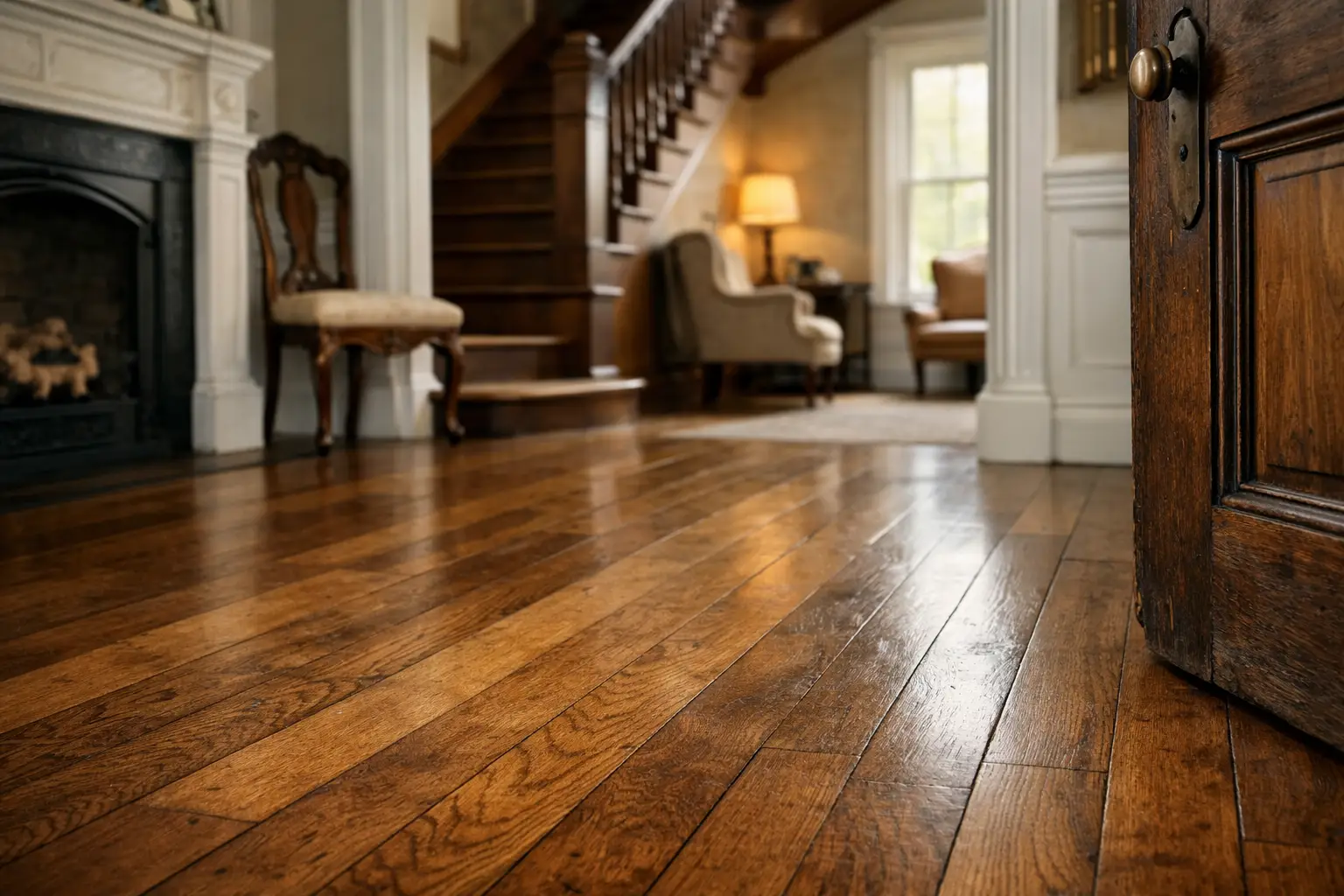
A historic home tells its story underfoot. The gentle wear near a fireplace, the proportions of old boards, and even the slight variation in color can reveal more character than a newly installed floor ever could. Choosing the best flooring for historic homes is therefore not simply a matter of selecting a species or stain. It is a decision about preservation, performance, and honoring the architecture that made the home worth saving.
For homes across Maryland, Washington, D.C., Northern Virginia, and the Eastern Shore, the right answer is often hardwood. But the best hardwood is not always the widest plank, the darkest color, or the most expensive material in the showroom. It must suit the home’s age, subfloor condition, moisture profile, room use, and original design language.
Start by Preserving What Is Already There
Before replacing an old floor, determine whether it can be restored. Original heart pine, oak, maple, chestnut, or fir flooring has a depth of grain and aged patina that is difficult to duplicate. Even boards with scratches, cupping, old finish residue, or isolated repairs may have years of useful life remaining.
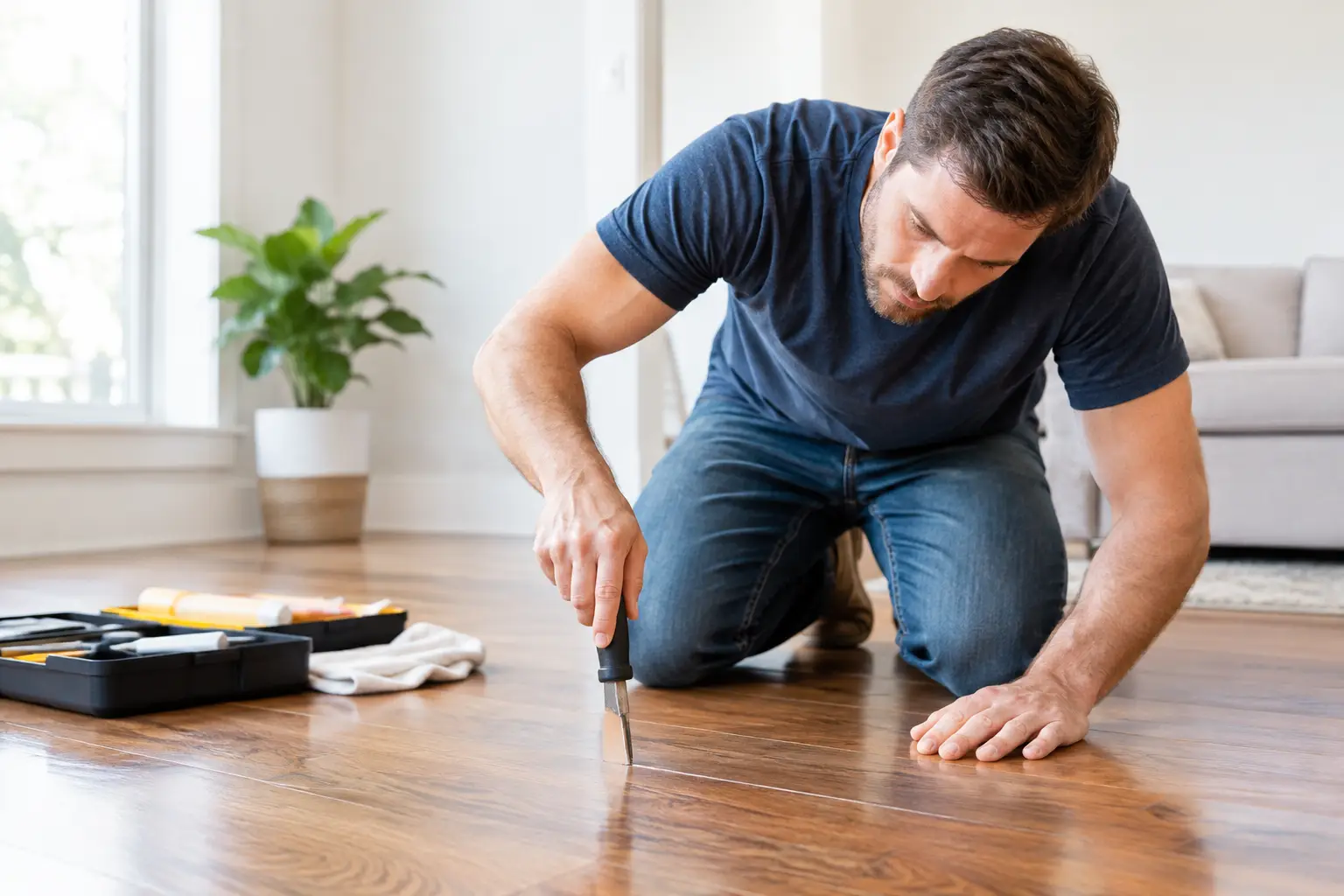
A careful assessment should look beyond the surface. The thickness of the remaining wear layer, the condition of the joists and subfloor, movement around exterior walls, and evidence of moisture all matter. A floor that appears tired may only need skilled repairs, selective board replacement, sanding, and a modern protective finish.
Restoration is often the most historically appropriate choice, particularly in formal rooms, entry halls, and spaces where original millwork or period details remain intact. It also preserves a quality that new materials cannot manufacture: authenticity. A professional refinishing process can retain that character while improving durability and indoor air quality with very low-VOC, Green Guard certified finishes.
Best Flooring for Historic Homes: Solid Hardwood
When original floors cannot be saved, solid hardwood is usually the strongest choice for above-grade historic interiors. It offers the substance, repairability, and long service life that suit homes built to endure. Unlike many surface-flooring products, solid wood can be refinished multiple times over generations.
The key is selecting a wood floor that looks at home in the architecture rather than imposed upon it. In a Colonial, Federal, Victorian, Craftsman, or early farmhouse, species, board width, cut, and finish should work together.
Oak offers lasting versatility
White oak and red oak remain excellent choices for historic homes because they are durable, repairable, and visually adaptable. Oak has long been used in American homes, so it rarely feels out of place. White oak generally has a more neutral, refined grain and strong moisture resistance, while red oak offers warmth and a familiar traditional character.
For a home with original oak trim or surviving oak flooring, matching the existing species can create a more convincing transition between old and new areas. A custom stain can help, but wood tone naturally changes with age and exposure to light. Good craftsmanship focuses on blending rather than promising an artificial perfect match.
Pine, fir, and reclaimed wood bring period character
Heart pine, southern yellow pine, and Douglas fir are particularly fitting in older farmhouses, cottages, and early American homes. These softer woods will show dents and wear more readily than oak, but that is not always a drawback. In the right setting, the evolving patina is part of the appeal.
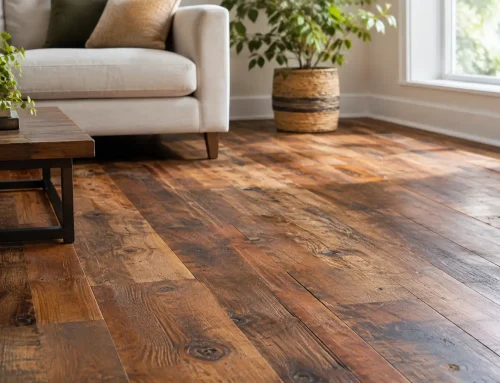
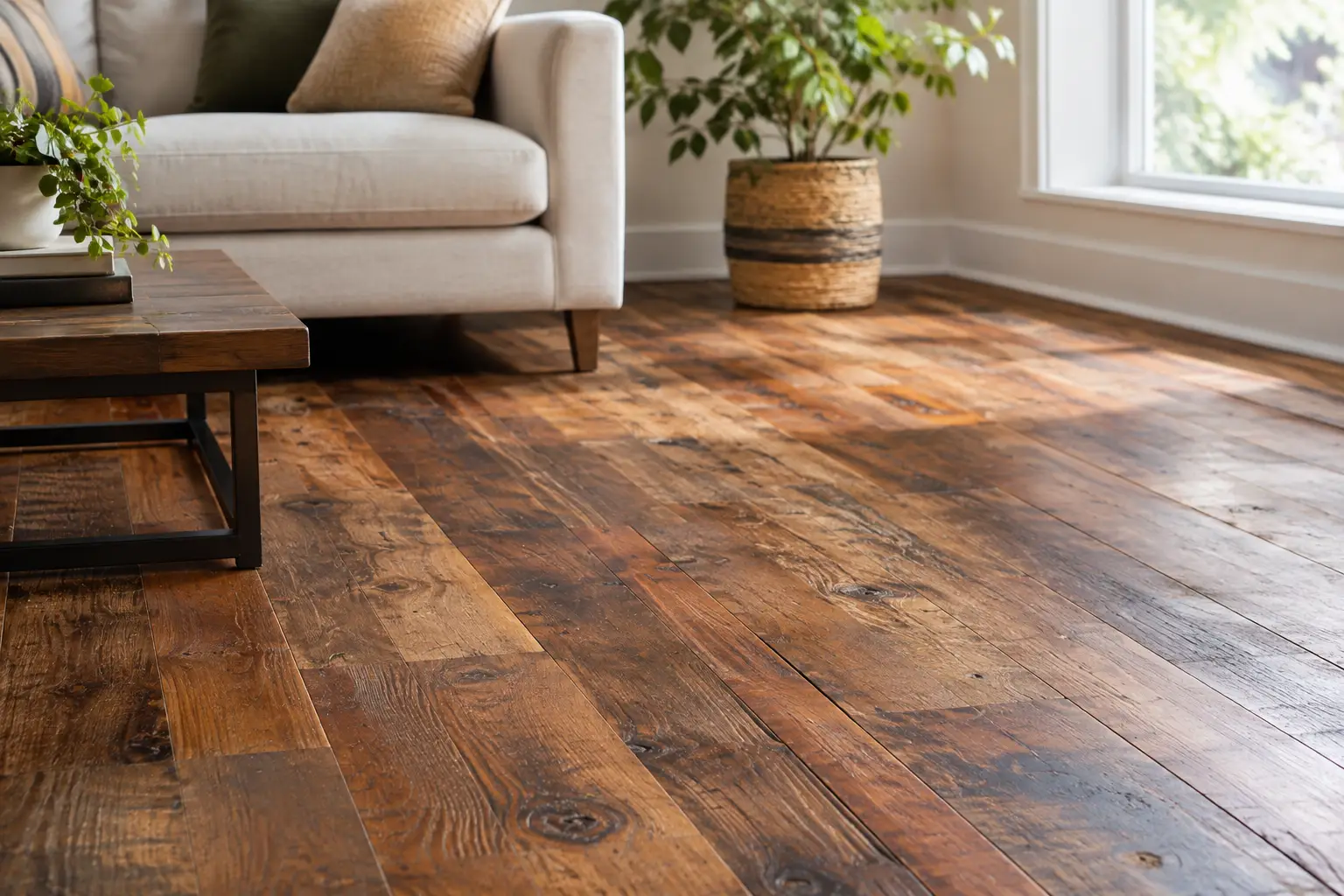
Reclaimed wood can be an exceptional option when a homeowner wants authentic texture and visual history. Its nail holes, mineral streaks, grain variation, and time-softened color can complement a restoration beautifully. Still, reclaimed flooring requires expert selection and milling. Board moisture content, stability, thickness, and installation preparation must be handled carefully to prevent unnecessary movement after installation.
Walnut and cherry suit more formal rooms
Walnut and cherry offer a more refined expression of historic character. Walnut brings rich color and elegant grain, while cherry develops a deeper, warmer tone over time. Both are compelling choices for libraries, dining rooms, formal parlors, and custom-designed spaces where the floor is intended to become a defining architectural feature.
Because these species are more visually distinctive, they should be considered in relation to the room’s light, cabinetry, wall color, and existing woodwork. A beautiful floor can lose its impact if every surrounding finish competes for attention.
Board Width Should Follow the House
Wide-plank flooring is frequently associated with historic homes, but it is not universally correct. Earlier homes often used wider boards because milling practices and material availability differed. A rural 18th-century home may look entirely natural with 6- to 10-inch boards, while a later Colonial Revival or Craftsman home may call for narrower, more uniform strips.
The home’s original flooring, if available, is the best reference point. Historic photographs, neighboring homes of the same period, and remnants beneath later flooring can also offer useful clues. When exact replication is impossible, a complementary choice is usually better than a trendy one.
Wide boards also require disciplined installation. They are more responsive to humidity changes than narrow strips, making proper acclimation, subfloor preparation, fastening, and moisture control essential. The result can be extraordinary, but it should never be treated as a quick installation.
Choose the Right Cut and Surface Character
The way a board is cut affects both appearance and stability. Plain-sawn boards show the familiar cathedral grain common in many traditional floors. Rift-sawn and quarter-sawn boards have straighter grain patterns and can offer greater dimensional stability, especially valuable in homes that experience seasonal humidity swings.
For a polished historic restoration, quarter-sawn white oak is a classic choice. Its ray fleck can be especially striking in Arts and Crafts-inspired interiors, and its disciplined grain gives the floor a tailored, enduring presence.
Surface texture deserves similar consideration. A smooth floor suits formal historic interiors and allows the grain to take center stage. Light wire brushing or hand-scraping can add texture, but heavy distressing can look theatrical rather than authentic. Real age has irregularity and restraint. It does not need to be exaggerated.
Engineered Hardwood Has a Place, With Limits
Engineered hardwood is not a lesser material by default. In a historic home with a concrete slab, a below-grade space, or a room where changes in humidity are difficult to control, a quality engineered floor may be the more practical choice. It provides a real hardwood wear layer over a stable core, helping reduce movement in challenging conditions.
That said, engineered flooring is not always the right answer for a principal historic room. Its refinishing potential is more limited than solid hardwood, and product quality varies widely. For an important living room, hall, or dining room above grade, solid hardwood often remains the better long-term investment.
The decision should be based on the conditions beneath the floor as much as the appearance above it. Installing any wood product over an unresolved moisture issue invites trouble, regardless of how beautiful the boards may be.
Respect Moisture, Movement, and Old Subfloors
Historic homes rarely offer perfectly level, uniform conditions. Old framing can settle. Subfloors may consist of diagonal planks rather than modern plywood. Crawlspaces may lack proper vapor management. These realities call for investigation, not shortcuts.
A skilled flooring contractor will evaluate the subfloor, identify structural or moisture concerns, and establish an installation plan that respects the home’s construction. Some variation in an old floor is part of its character. Excessive flex, persistent dampness, or major unevenness is not.
Seasonal indoor humidity is equally important after installation. Wood flooring performs best when the home remains in a reasonably consistent humidity range throughout the year. A properly maintained HVAC system, appropriate ventilation, and prompt attention to leaks protect both historic and newly installed boards.
Finish for Protection Without Losing the Wood
A dark stain can hide some variation, but it can also conceal the grain and make a historic room feel heavier than intended. Natural tones, warm browns, soft amber hues, and custom blends often age more gracefully. The goal is to complement the wood rather than force it into a passing trend.
Modern waterborne finishes offer excellent protection with lower odor, quicker drying times, and reduced off-gassing. Matte and satin sheens are especially well suited to historic settings because they soften reflected light and make everyday wear less conspicuous than a high-gloss surface. The finish should protect the floor while allowing its texture, figure, and natural color variation to remain visible.
Let Craftsmanship Carry the Details
Historic flooring projects are won or lost in the details: how new boards meet old ones, how thresholds are handled, whether repairs are woven into the existing pattern, and how the floor is finished around antique baseboards, radiators, and built-ins. These are not incidental matters. They are the work.
For homeowners who want a floor that feels true to the house while performing for modern life, careful planning is more valuable than a one-size-fits-all product recommendation. Royal Oaks Flooring approaches these projects with that balance in mind, pairing traditional material knowledge with precise installation and contemporary finish technology.
The finest choice is the floor that lets the home keep speaking in its own voice – quietly, beautifully, and for decades to come.