A hardwood floor can be beautifully milled, expertly installed, and perfectly sanded, yet its long-term character still comes down to the finish. In the conversation around waterborne versus UV cured finishes, homeowners are often comparing two very different finishing systems: one applied and cured on site, the other cured at the factory under ultraviolet light. Both can produce exceptional floors, but they suit different projects, expectations, and renovation schedules.
For a custom hardwood floor, the right answer is rarely about choosing the hardest finish in isolation. It is about how the floor will look in your home, how it will wear under daily life, whether it needs site-specific color work, and how it can be maintained years from now.
Waterborne Versus UV Cured Finishes: The Core Difference
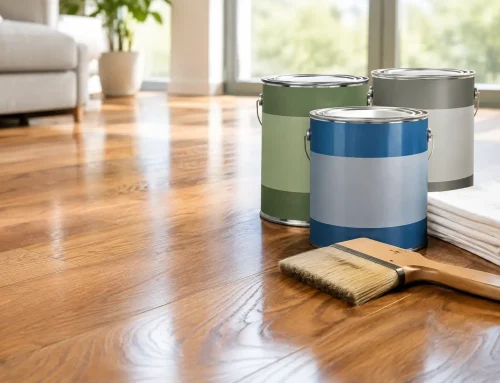
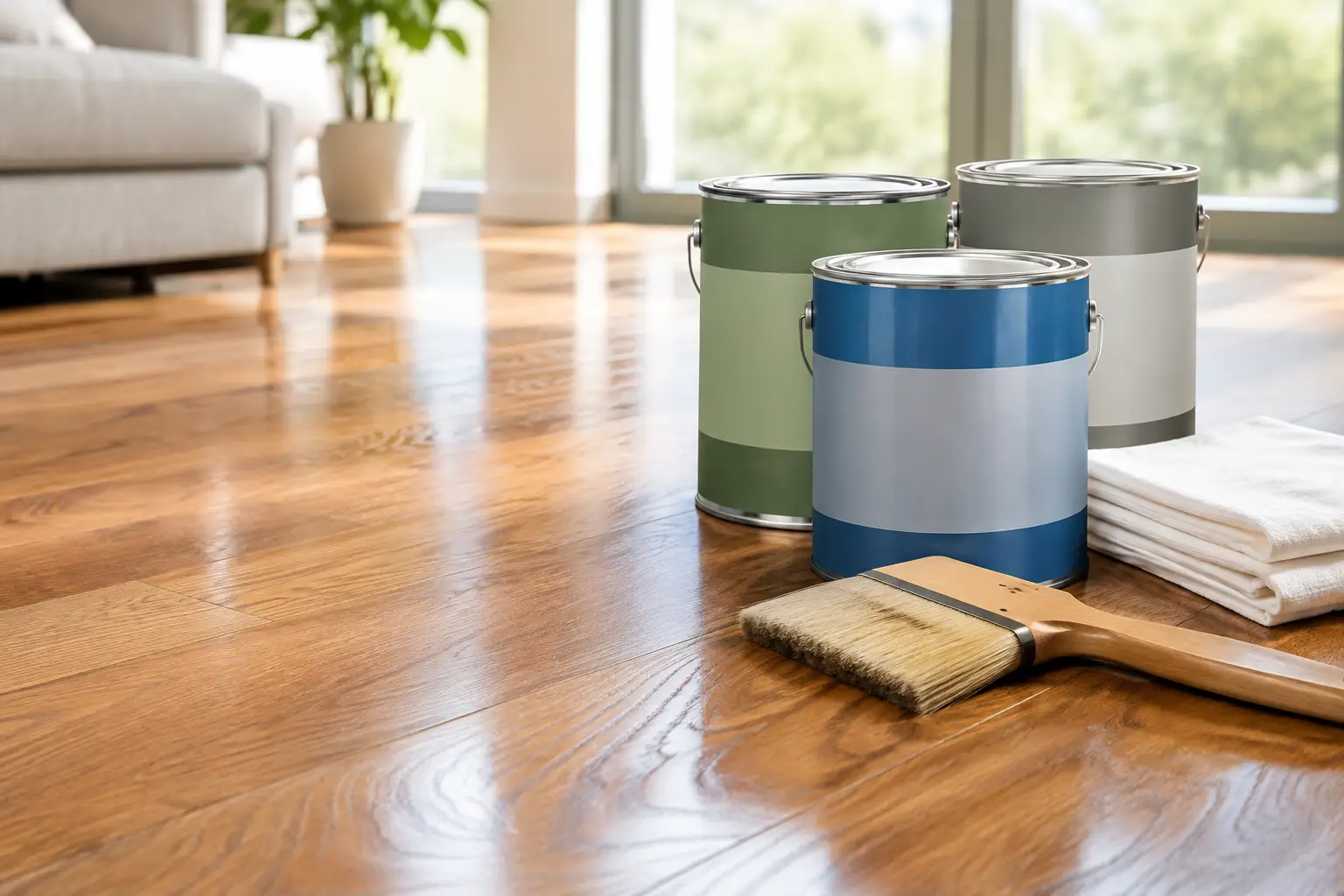
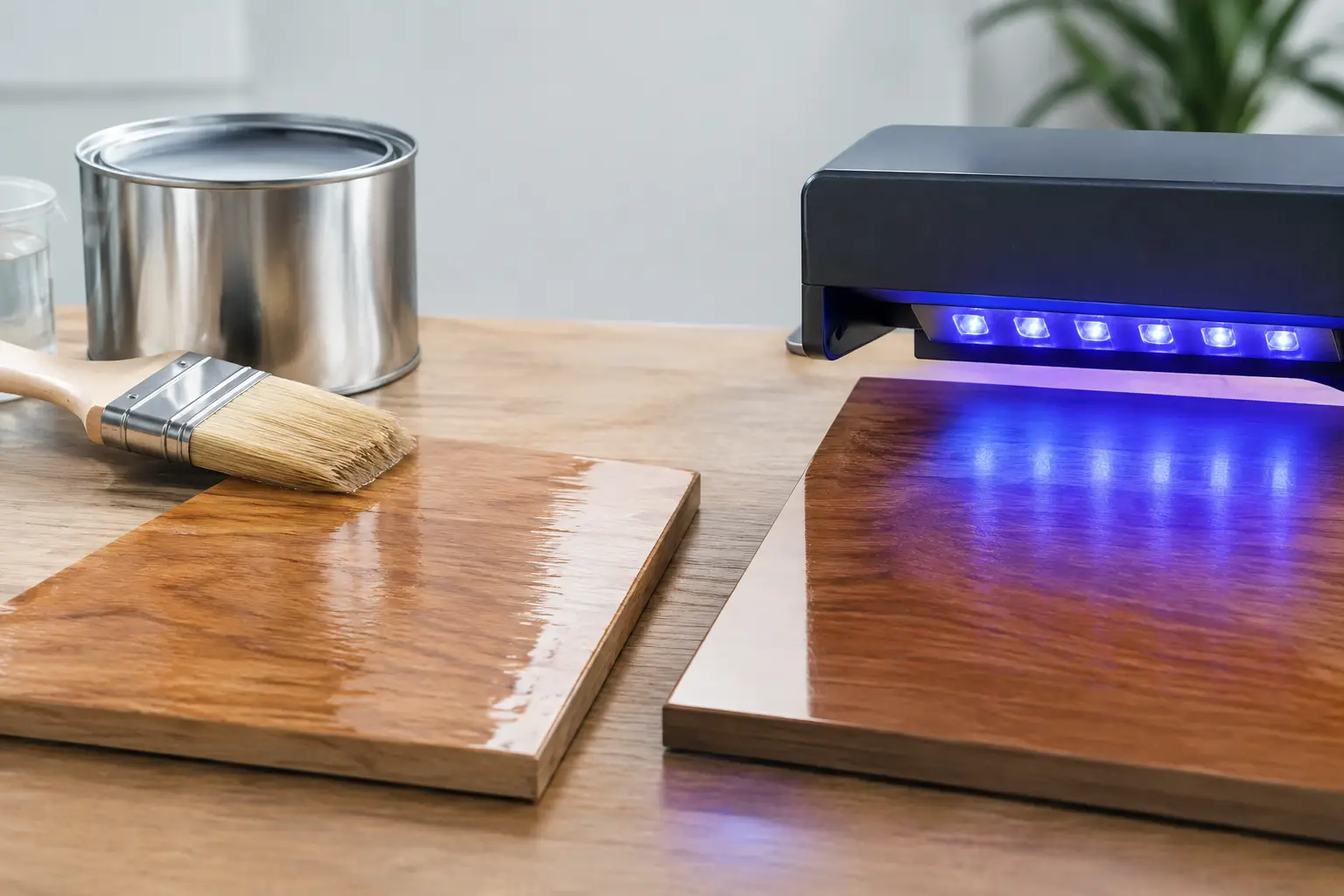
A waterborne finish is applied to bare wood after installation or during a refinishing project. The coating dries as its water content evaporates, then continues to cure into a protective film. Modern professional-grade waterborne polyurethane systems are very low VOC, fast drying, and available in a range of sheens, from a quiet matte to a more traditional satin or semi-gloss.
A UV-cured finish is generally applied in a controlled factory setting to prefinished hardwood planks. After the finish is rolled or sprayed onto the wood, powerful ultraviolet lamps cure it almost immediately. The result is a dense, consistent coating that is ready to handle as soon as the boards leave the finishing line.
That distinction changes the entire project. Waterborne finishing gives a craftsman control over the installed floor as one continuous surface. UV curing gives factory-finished boards impressive consistency and speed at the job site, but it does not allow the same degree of on-site customization.
Appearance: Custom Continuity or Factory Consistency
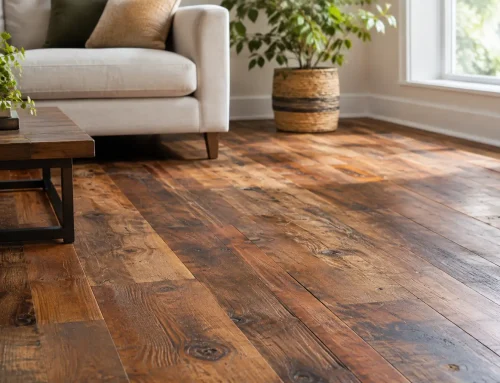
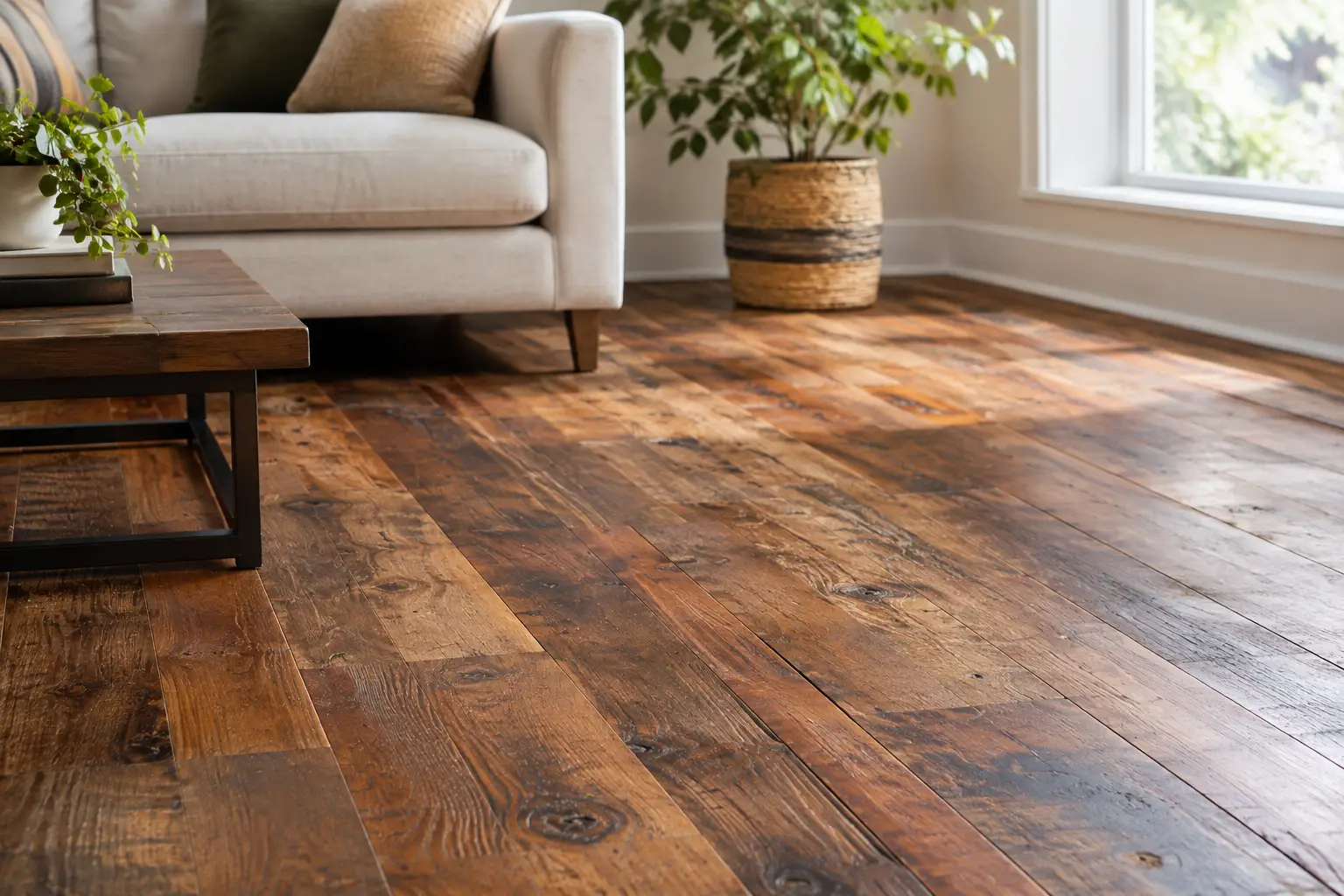
For homeowners restoring antique oak, installing wide-plank white oak, or matching flooring across several rooms, waterborne finish offers meaningful aesthetic advantages. The floor is sanded and finished after it is installed, allowing the grain, color, and sheen to read consistently from board to board. There are no factory-applied bevels at the edges unless they are intentionally specified.
Waterborne systems also work well with custom stains and reactive treatments. A skilled flooring professional can create a tailored color that responds to the wood itself, rather than asking the home to conform to a limited set of prefinished options. This is particularly valuable when blending a new addition into existing hardwood or preserving the character of a historic home.
UV-cured flooring has strengths of its own. Because the finish is applied in a controlled environment, the color and sheen can be highly uniform. Many premium prefinished collections offer handsome textures, wire-brushed surfaces, fumed tones, and carefully built color layers that would be difficult to replicate on site. For a homeowner who has found the exact product they want, that factory consistency can be an advantage.
The visual trade-off is at the board edge. Most UV-finished products have a small bevel or eased edge, which helps conceal tiny variations between planks and protects the factory finish during installation. Some homeowners appreciate the definition it creates. Others prefer the uninterrupted, furniture-like plane of a site-finished floor.
Durability Is More Than a Hardness Rating
UV-cured finishes have earned their reputation for abrasion resistance. Factory curing creates a hard, durable surface that stands up well to ordinary foot traffic, furniture movement, and the demands of busy households. It is an excellent option for many kitchens, family rooms, and commercial settings when the product is selected carefully and installed correctly.
Yet a harder finish is not automatically a better finish for every home. Very hard coatings can show a sharp scratch or chip when they are damaged. Waterborne finishes may be slightly more forgiving depending on the product and build, and high-quality systems offer substantial resistance to scuffs, stains, and everyday wear. The performance difference between a bargain coating and a professional waterborne system is considerable, so broad labels alone do not tell the whole story.
Wood itself also moves with seasonal changes in humidity. A finish should protect the surface without distracting from the natural material beneath it. Proper acclimation, correct installation, stable indoor humidity, and thoughtful maintenance often have as much influence on a floor’s service life as the finish category.
What daily life looks like
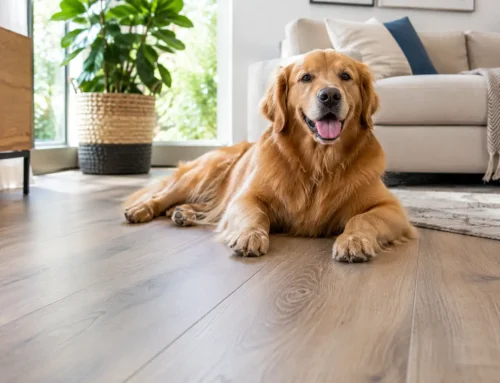
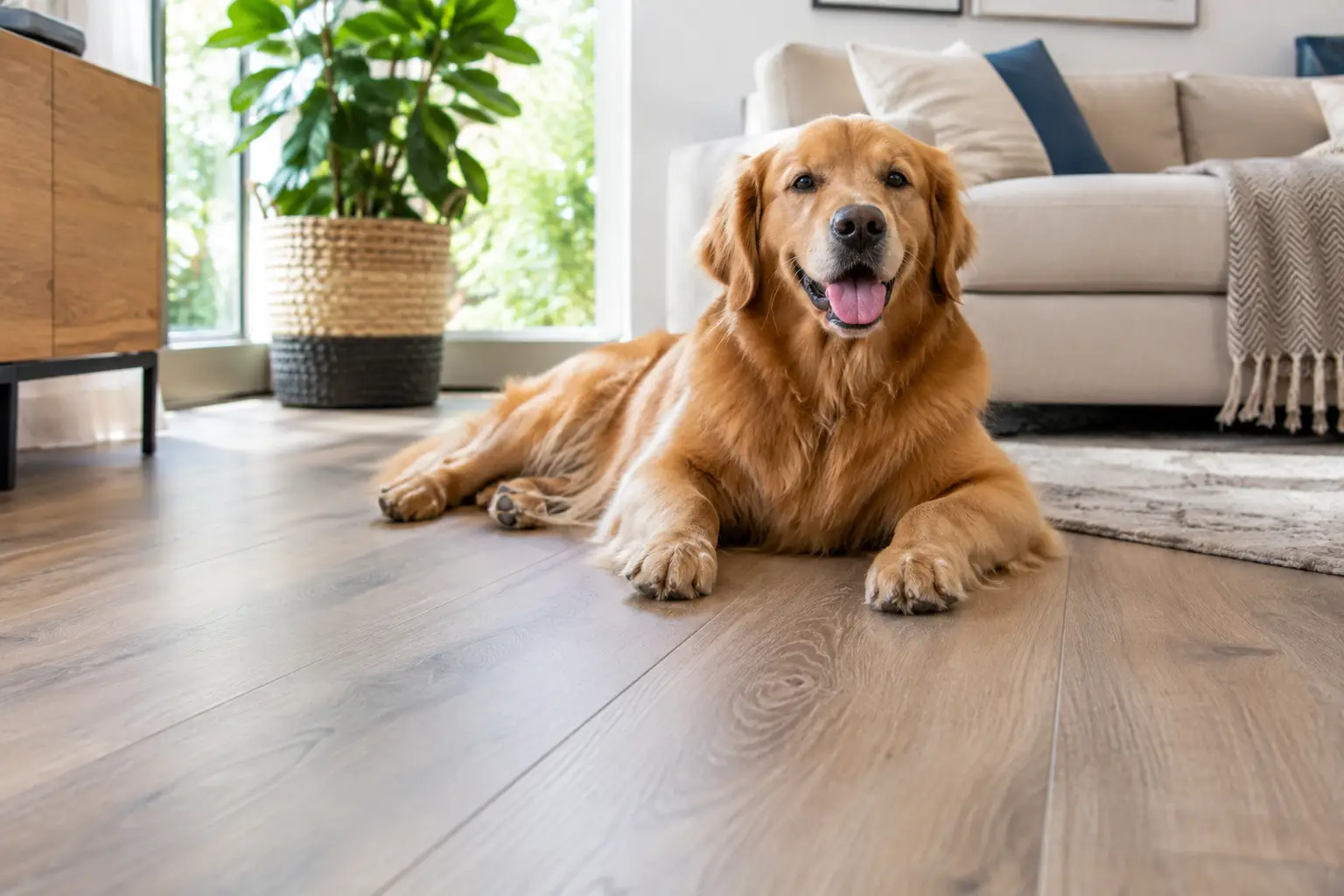
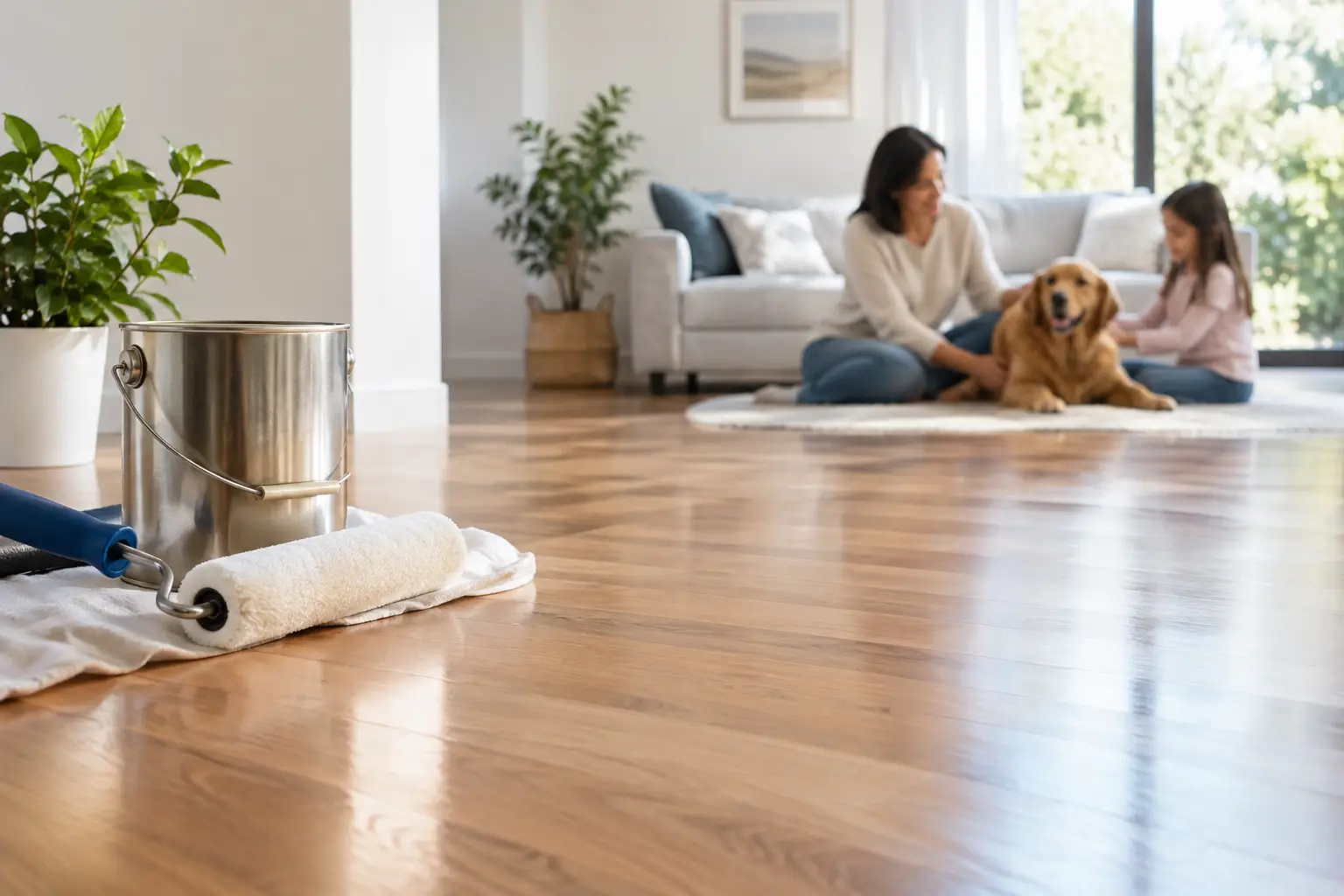
A home with a large dog, children, frequent entertaining, and an entry from the outdoors needs a finish that can tolerate real use, but it also needs practical safeguards. Entry mats, felt pads, prompt cleanup of spills, and a routine that avoids excessive water will protect either finish far more effectively than chasing a single specification on a sample board.
For a refined living room or a carefully restored dining room, appearance may carry more weight. A site-finished waterborne floor can deliver a low-sheen, understated surface that lets the wood be the focal point. A premium UV-finished plank can do the same, provided its edge profile and texture align with the design.
Repair and Refinishing Deserve Equal Attention
Hardwood is a long-term investment because it can be renewed. This is where the practical differences between waterborne versus UV cured finishes become especially relevant.
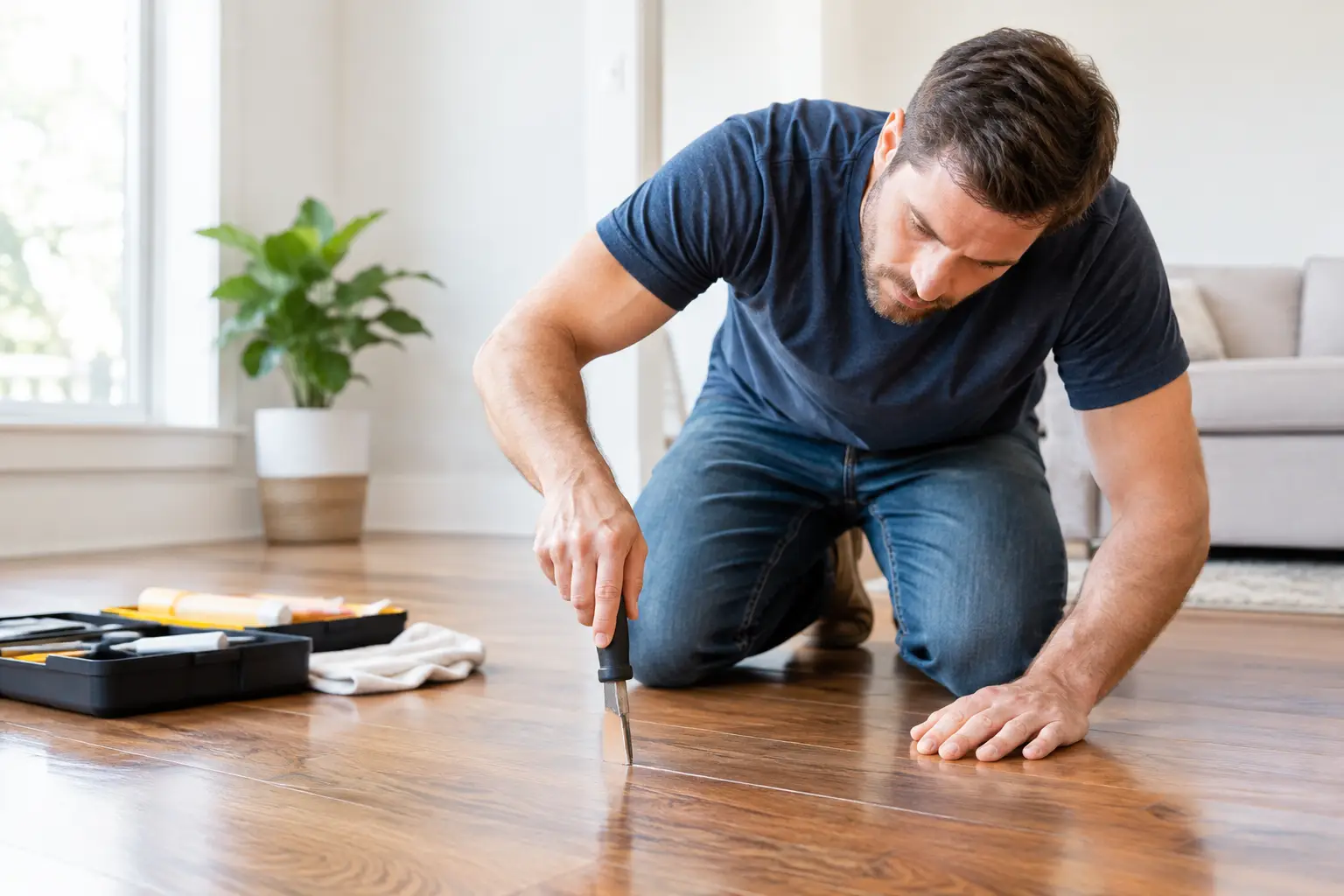
A site-finished waterborne floor is generally straightforward to screen and recoat when the protective layer begins to dull. If deeper scratches, pet stains, or major wear develop, the floor can be sanded and refinished as a complete surface. Because the finish was built on site, a flooring professional has greater flexibility to refresh the sheen or adjust the color during a future restoration.
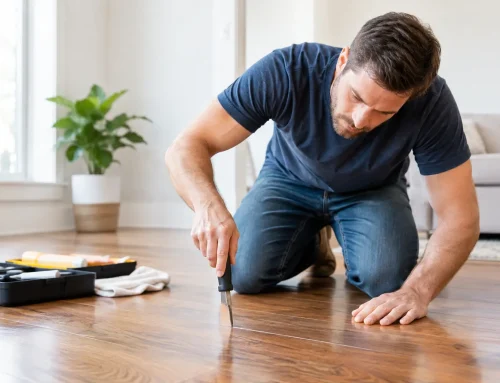
Spot repairs on a UV-cured prefinished floor can be more complicated. A damaged plank may need to be replaced, and a replacement from the same product line may not match perfectly if the original floor has aged or if the collection has been discontinued. Recoating is possible in some circumstances, but the existing factory coating must be evaluated and prepared properly so the new finish bonds reliably.
This does not make prefinished flooring a poor choice. It simply means that homeowners should ask about replacement availability, repair expectations, and future refinishing before selecting a floor. Those details are particularly important for wide planks, custom colors, and rooms that receive strong sun exposure.
Indoor Air Quality and Project Timing
Modern waterborne finishes have changed the experience of refinishing a floor. Professional low-VOC systems produce far less odor than older oil-based products, dry quickly between coats, and help reduce disruption inside the home. They still require careful site preparation, dust containment, ventilation, and respect for the manufacturer’s cure schedule, but they support a cleaner, more comfortable renovation process.
UV-cured finishes arrive already cured. There is no finish odor or curing period created by the planks themselves after installation. That can be appealing for occupied homes, tight construction schedules, and projects where other trades need to move through the space soon after the floor is installed.
Installation is not automatically instant, however. The subfloor must still be prepared with precision, the wood must be acclimated as required, and adhesives may have their own cure times. A fast finishing system cannot correct rushed groundwork. The best flooring projects are measured carefully, installed with restraint, and protected until the home is ready for them.
Choosing the Finish That Serves the Home
Choose a waterborne finish when the project calls for a continuous site-finished appearance, a custom stain, a close match to existing flooring, or future flexibility for restoration. It is often the stronger choice for refinishing original hardwood and for homeowners who see their floor as a tailored architectural feature rather than a preselected product.
Choose a UV-cured prefinished floor when factory consistency, strong initial abrasion resistance, and a shorter on-site finishing schedule are priorities. It can be an excellent solution for a well-planned renovation, especially when the selected product offers the right species, width, texture, and color from the start.
At Royal Oaks Flooring, finish selection begins with the wood, the home, and the way the space will be lived in. A sample should be viewed in the actual room, in daylight and evening light, with an honest conversation about pets, sunlight, maintenance, and the desired level of character. The most satisfying hardwood floor is not merely the one that looks perfect on installation day. It is the one whose finish continues to age gracefully with the life of the home.