A hardwood floor rarely loses its beauty all at once. The change happens gradually: a dull path from the entryway to the kitchen, scratches beneath dining chairs, sunlight fading the color near a window, or a finish that no longer repels a dropped glass of water. Floor refinishing gives that surface a second life, but the best result comes from knowing what the wood can support and what the space truly needs.
For homeowners who value original materials, carefully selected wide planks, or the character of an older home, refinishing is more than a cosmetic project. It is a chance to preserve a substantial investment while shaping the way every room feels.
What Floor Refinishing Actually Restores
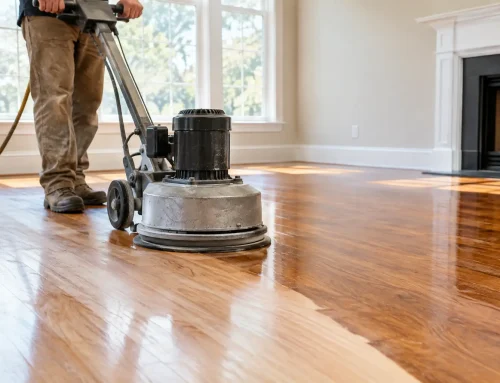
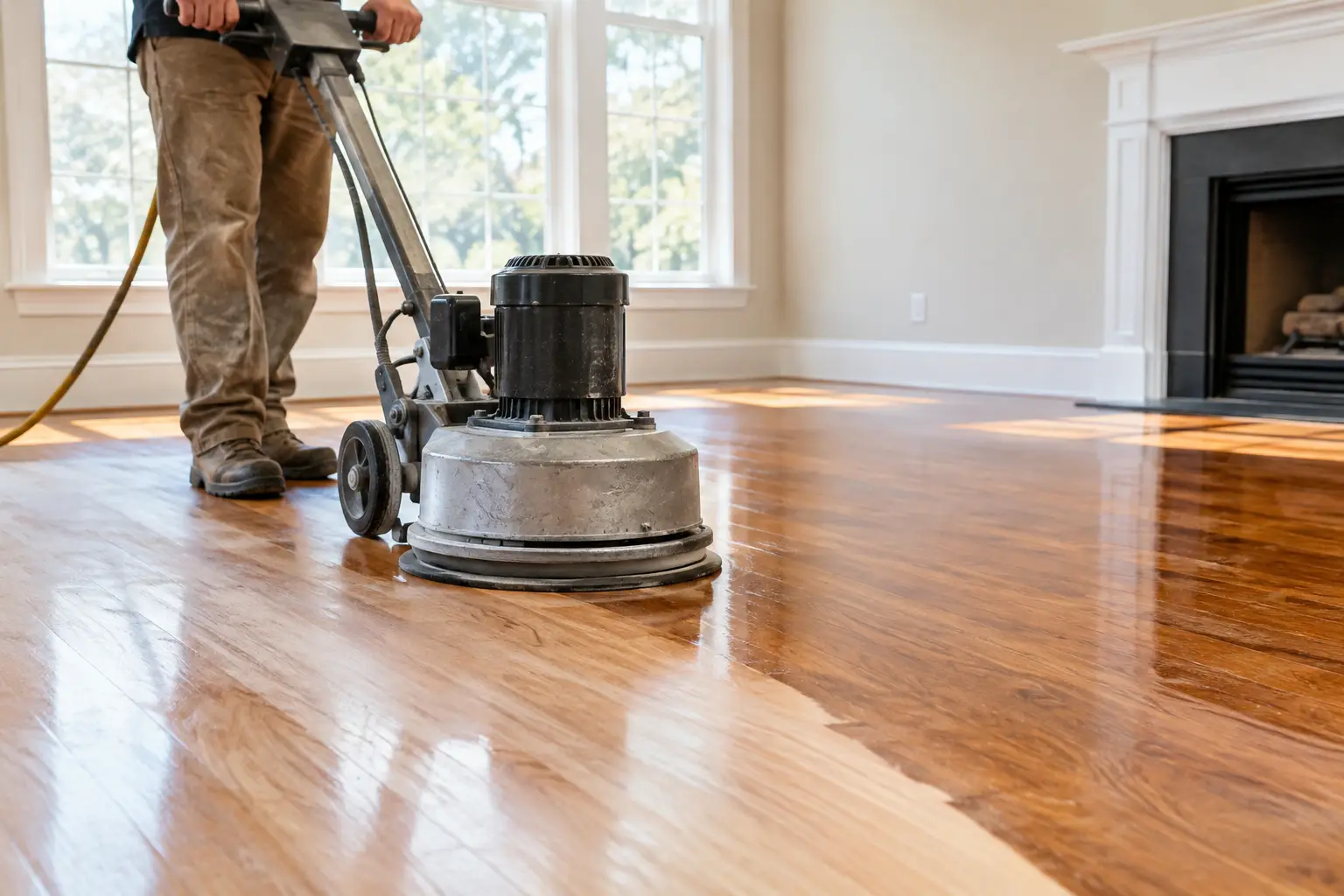
Professional floor refinishing removes the worn protective layer and a controlled amount of the wood beneath it. This process eliminates many surface scratches, evens out discoloration, softens minor dents, and creates a clean foundation for a new stain and finish.
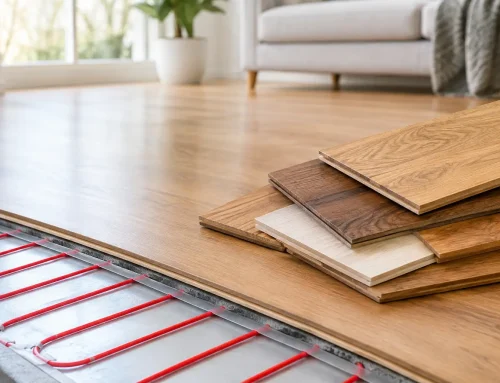
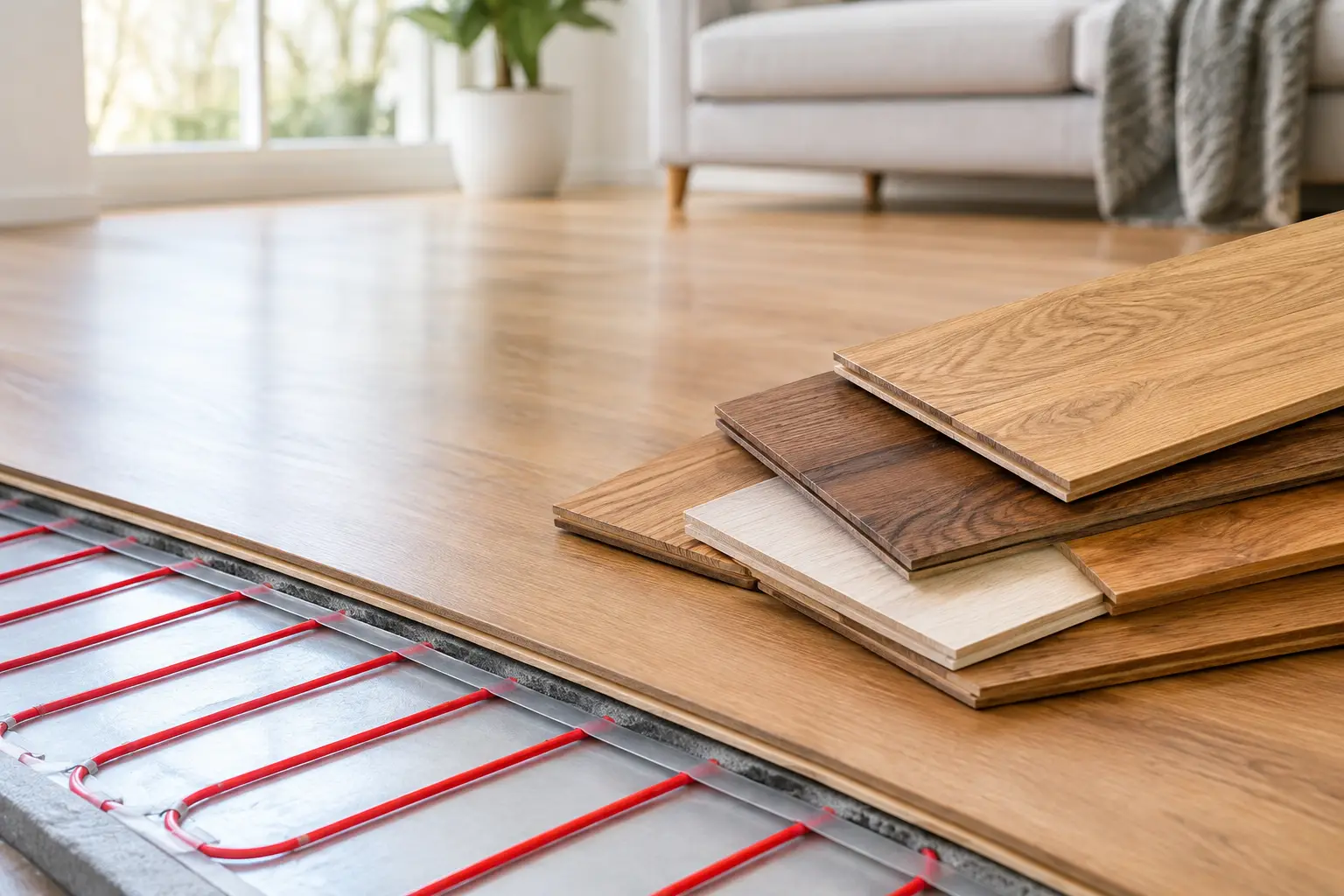
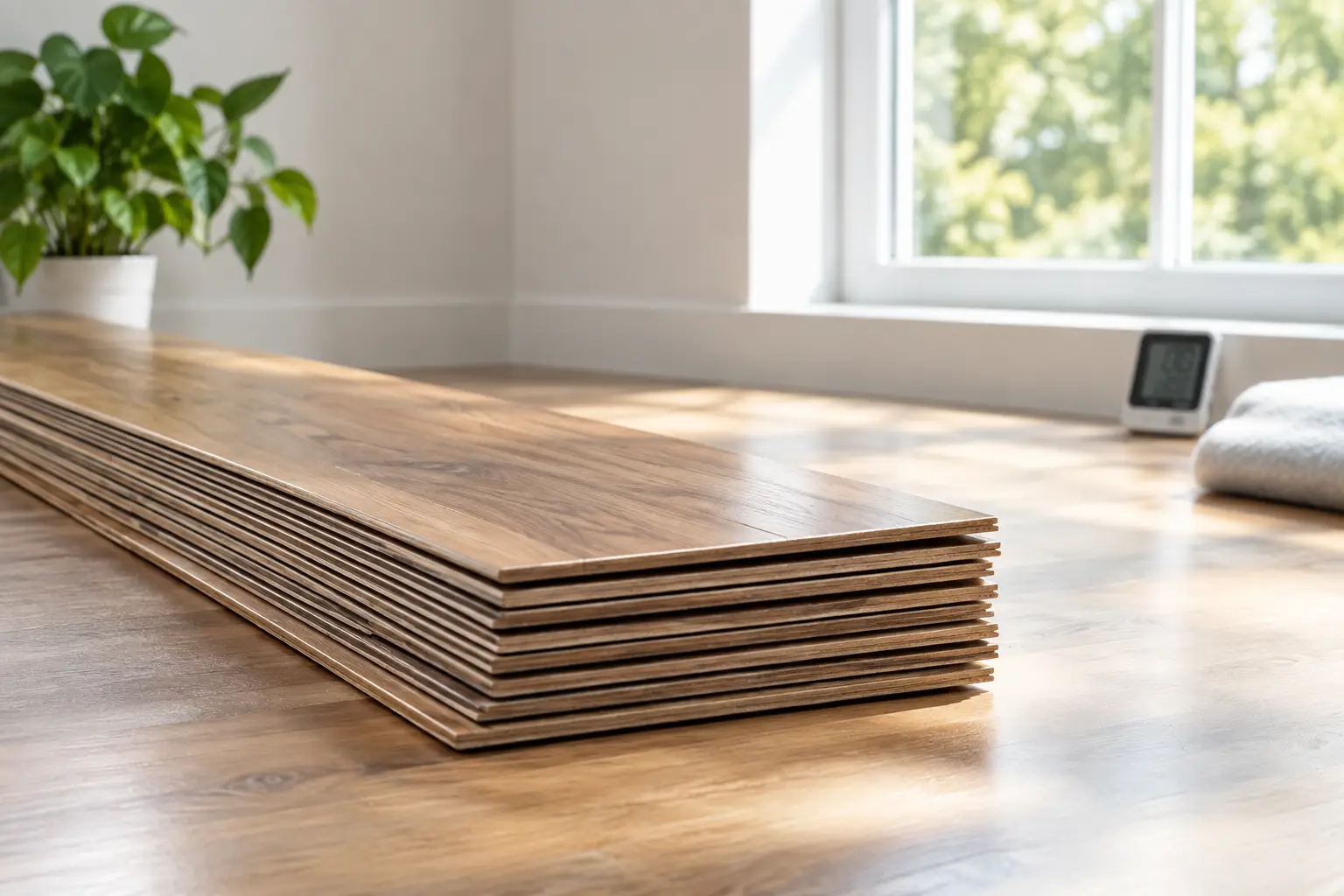
The key word is controlled. Hardwood cannot be sanded indefinitely. Every floor has a finite wear layer, especially engineered hardwood, which has a hardwood veneer over a layered core. Solid hardwood generally allows for more refinishing over its lifetime, while engineered boards must be assessed carefully before any sanding begins.
A proper evaluation considers more than the visible finish. A craftsman should examine the floor’s thickness, board movement, previous repairs, gaps, moisture conditions, and the condition of the subfloor. In older homes throughout Maryland, Northern Virginia, and the D.C. area, those details often determine whether a floor needs full refinishing, a lighter restoration approach, or localized repair before any finish work begins.
Signs It Is Time to Refinish Hardwood Floors
Wear is not always a problem. Small marks and a gentle change in color can add warmth to a well-loved oak or walnut floor. Refinishing becomes worthwhile when the protective finish has stopped doing its job or when the visual condition of the floor distracts from the room itself.
Look closely at high-traffic areas. If the sheen has disappeared and the wood appears dry or gray, the finish may be worn through. Deep scratches that catch a fingernail, black marks around old water damage, uneven stain color, and bare areas near exterior doors are also common signals. A simple water test can offer a clue: when a few drops darken the wood instead of beading on the surface, the finish may no longer be providing dependable protection.
Not every imperfection calls for sanding. If the finish is intact but lightly scuffed, a professional screen and recoat may be the more sensible option. This process lightly abrades the existing finish and applies a fresh protective coat without sanding down to bare wood. It costs less, creates less disruption, and can extend the time before a full refinish is necessary. It will not, however, correct deep scratches, major color variation, worn-through areas, or damage that reaches the wood fibers.
The Decisions That Shape the Final Result
Refinishing creates an opportunity to make design choices, but it is also a moment when rushed decisions can become expensive. Stain color, sheen, finish chemistry, and repair work all affect how the floor performs and how it relates to the rest of the home.
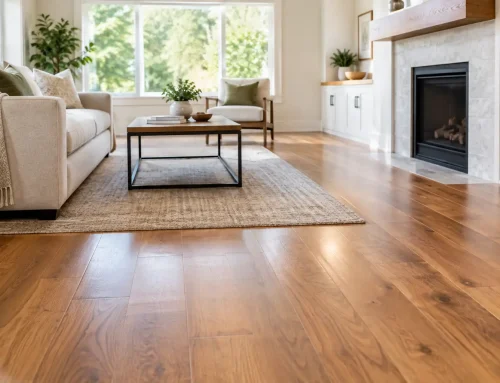
A darker stain can bring formality and drama to a dining room or historic interior, yet it may show dust, pet hair, and fine scratches more readily than a mid-tone finish. Natural oak and lighter brown tones often make a room feel more open and can conceal day-to-day dust more forgivingly. For design-conscious homeowners, custom stain samples on the actual flooring are far more reliable than choosing from a small display board. Wood species, grain direction, prior exposure to sunlight, and existing color all influence the final tone.
Sheen matters just as much. Gloss reflects the most light, but it also highlights surface imperfections. Satin remains a classic choice because it brings depth to the grain without making every small mark visible. Matte finishes have become especially popular in contemporary homes and relaxed coastal interiors because they offer a quiet, natural appearance. The right sheen depends on the architecture, the amount of natural light, and how actively the household uses the room.
Why Preparation Separates Fine Work From Quick Work
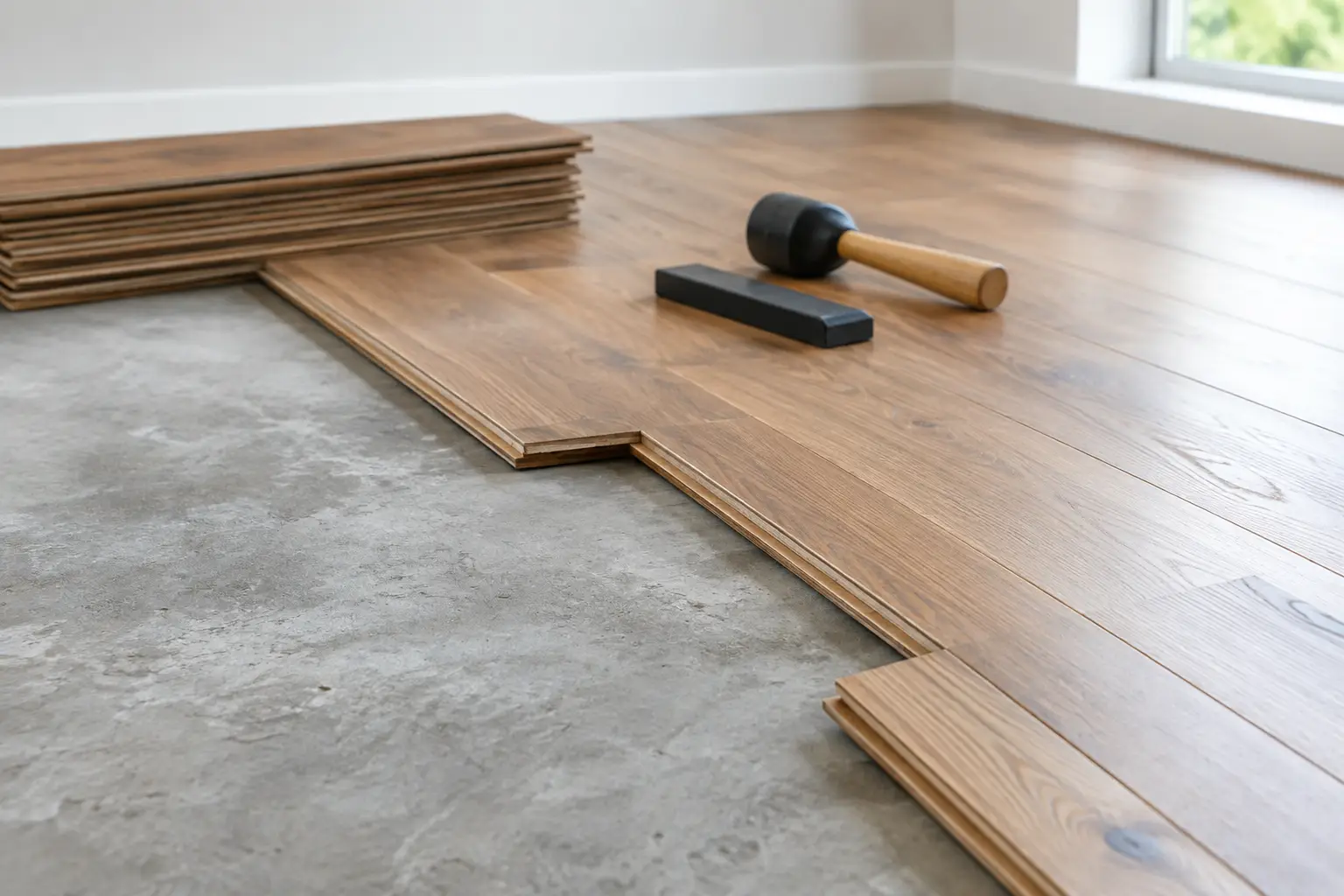
The most visible part of floor refinishing is the final coat, yet preparation is where craftsmanship shows. Before sanding begins, boards need to be inspected for loose fasteners, damaged edges, gaps, stains, and previous patchwork. Necessary repairs should be made with wood that respects the floor’s species, grade, dimensions, and grain pattern whenever possible.
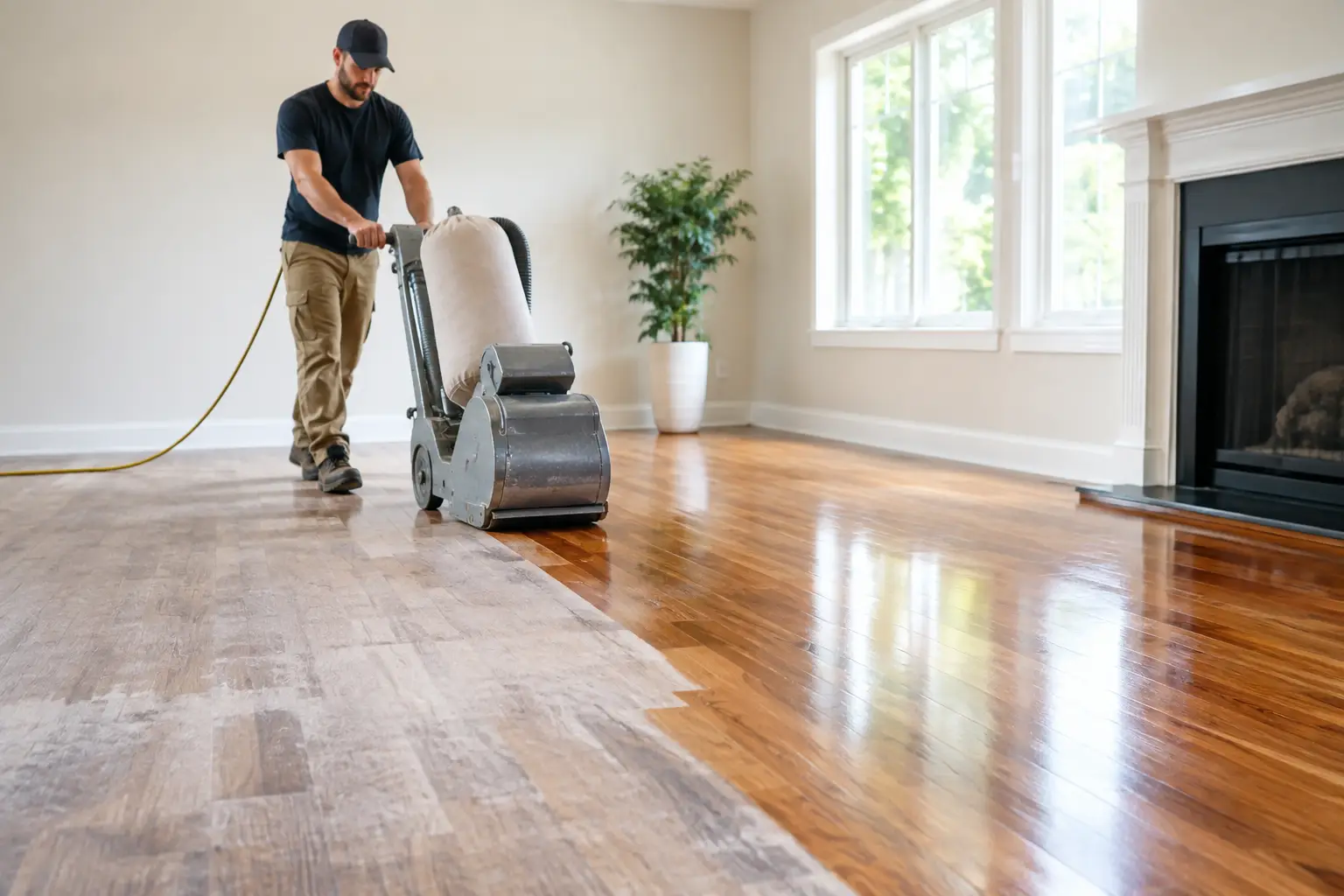
Then comes the sanding sequence. Skilled sanding removes the old finish evenly while protecting the integrity of the boards. Uneven sanding can leave chatter marks, waves, edge discoloration, or visible transitions between rooms. These flaws may be subtle in raw wood and become obvious only after stain and finish amplify them.
Dust control is another practical mark of a well-managed project. No sanding process is entirely dust-free, but professional containment equipment and careful site preparation significantly reduce the dust that travels into adjacent spaces. Furniture, vents, doorways, and nearby built-ins require protection. Homeowners should also expect clear guidance about access to the home, pets, drying time, and when area rugs and furniture can safely return.
Modern Finishes for Beautiful, Healthier Interiors
Today’s high-performance waterborne finishes have changed what homeowners can expect from a refinished floor. Quality low-VOC products dry faster than many traditional systems, produce less odor, and support better indoor air quality. GreenGuard certified options can be particularly valuable for families who want to limit off-gassing without sacrificing durability.
Oil-based finishes still have a place in certain projects. They can provide a warmer amber tone, especially on oak, and may suit a particular historic look. The trade-off is longer drying and curing time, stronger odor, and a tendency to deepen in color over time. Waterborne finishes generally keep lighter woods closer to their natural appearance and offer strong resistance to everyday wear.
No finish is indestructible. A high-quality finish protects against ordinary use, but it cannot prevent every scratch from grit, pet nails, furniture legs, or high heels. The right finish should match the household, not merely a showroom sample. A busy family room, a formal historic parlor, and a waterfront home with frequent sand and moisture exposure may require different maintenance expectations.
Protecting a Refinished Floor After the Crew Leaves
The first days after refinishing are part of the project, not an afterthought. Finishes may feel dry to the touch before they reach full cure. Follow the recommended timeline for walking, replacing furniture, placing rugs, and cleaning. Moving heavy furniture too early can mar a beautiful new surface before it has had the chance to harden properly.
Long-term care is straightforward but deliberate. Use felt pads beneath chairs and tables, place quality mats at exterior doors, and avoid wet mopping. Sweep or vacuum with a hardwood-safe attachment often enough to keep abrasive grit from grinding into the finish. Clean spills promptly with a product intended for the specific finish system, rather than relying on harsh cleaners, steam mops, waxes, or improvised household solutions.
Humidity deserves attention as well. Wood naturally expands and contracts with seasonal changes. Maintaining stable indoor humidity helps limit excessive gaps, cupping, and movement, particularly in older homes and homes with wide-plank flooring. This is one of the quietest ways to protect a floor for decades.
A Restored Floor Should Still Feel Like Your Home
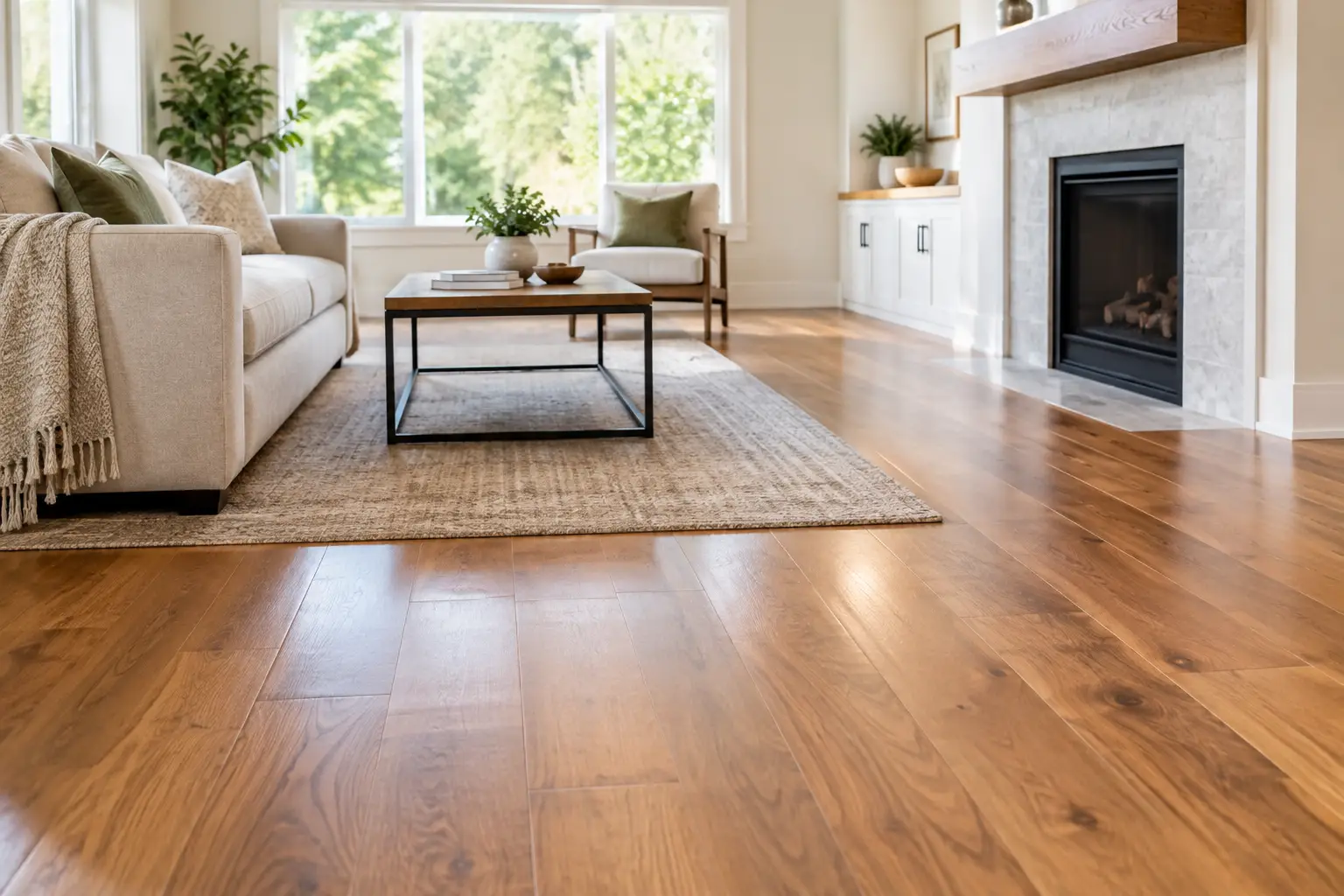
The finest refinishing does not make a hardwood floor look artificial or overly perfect. It reveals the grain, color, and history that made the material worth choosing in the first place. A careful repair may remain subtly visible, and a reclaimed board may carry marks that no new flooring could reproduce. Those details are often part of the floor’s value.
At Royal Oaks Flooring, the goal is not simply to make wood look newer. It is to assess the floor honestly, prepare it meticulously, and apply a finish that suits the home and the people who live there. When the work is done well, the room feels renewed without losing its character – and the floor is ready to serve as the foundation for many more years of daily life.