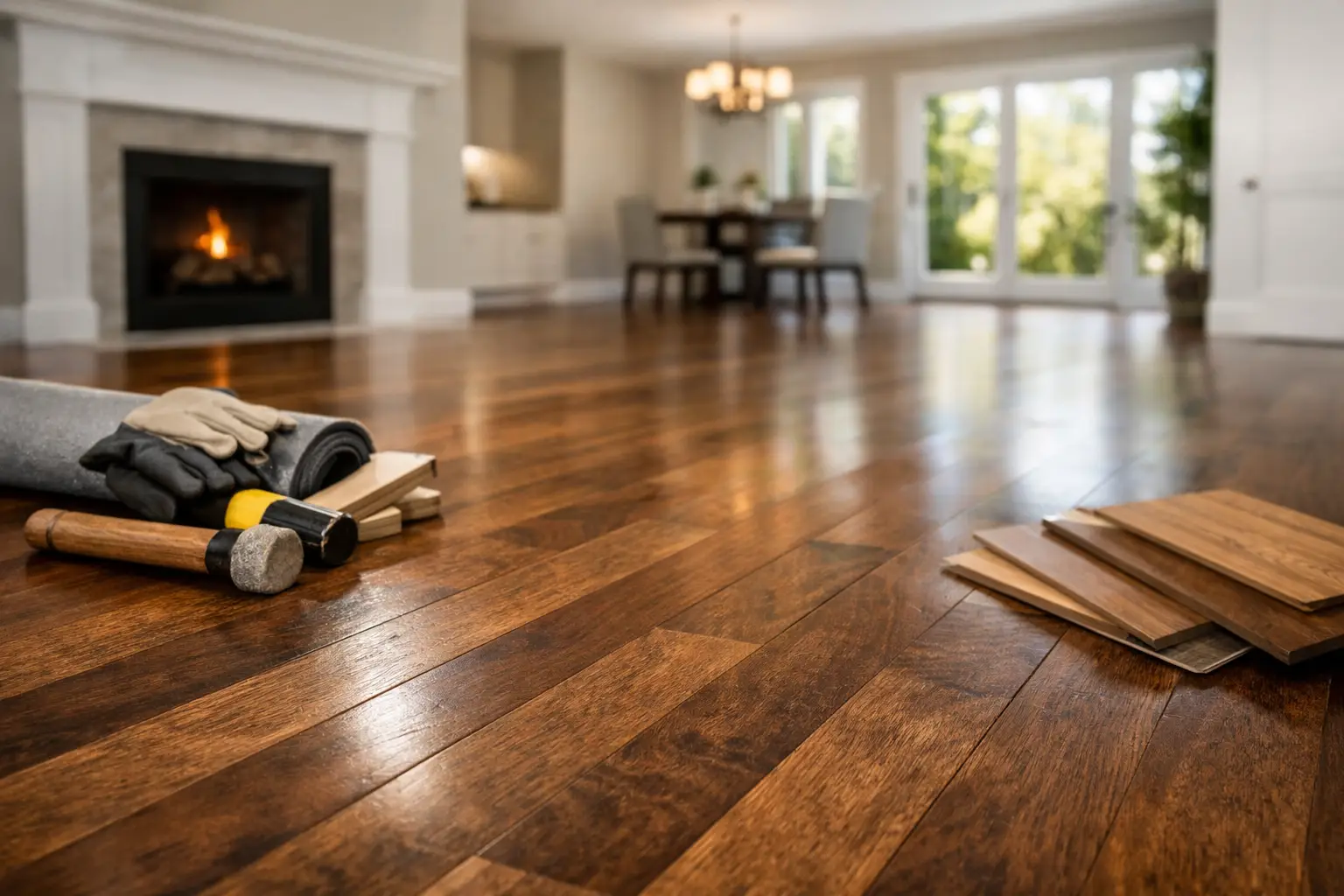
A well-planned Potomac floor renovation does more than replace a worn surface. It changes how a home feels at the first step through the door: warmer, quieter, more finished, and more distinctly yours. In a community where homes often pair generous room proportions with carefully chosen millwork, cabinetry, and natural light, flooring deserves the same level of consideration as any permanent architectural feature.
Hardwood is especially well suited to this work. It has the depth and character to complement a traditional Colonial, a renovated mid-century home, or a clean-lined contemporary interior. But a beautiful result is not simply a matter of selecting an attractive plank. The species, board width, subfloor condition, layout, finish, and transition details all need to work together. That is where informed planning and disciplined craftsmanship make the difference.
Start With the Home You Have
Before choosing a species or stain, look closely at the home itself. Some Potomac properties have original hardwood worth preserving, while others have additions, remodeled kitchens, or rooms where several flooring materials meet. Each condition calls for a different approach.
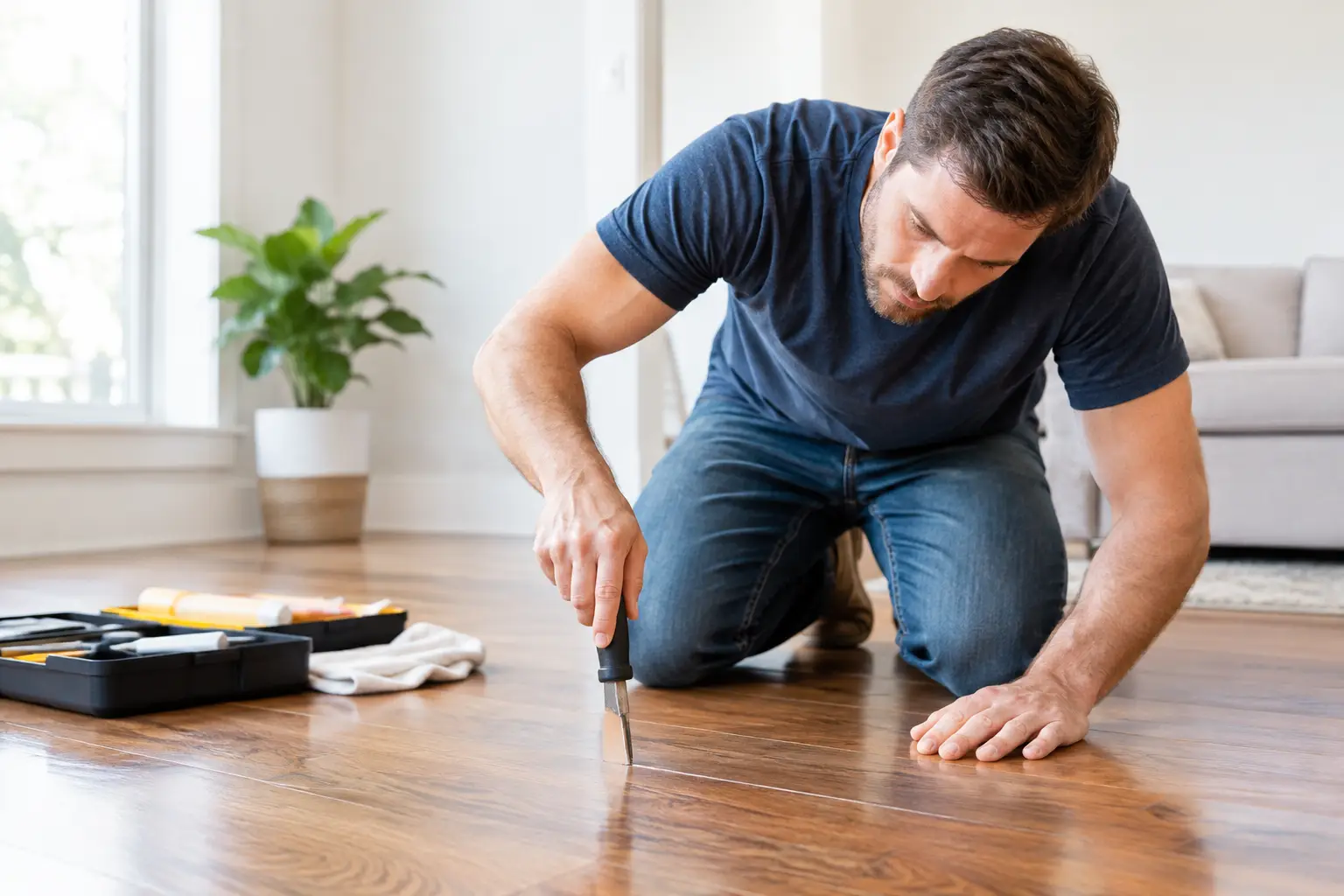
An existing oak floor with surface wear, minor scratches, and a stable structure may be an excellent candidate for refinishing. Sanding and refinishing can reveal fresh wood, correct uneven coloration, and give the room a more current finish without losing the floor’s history. On the other hand, deep water damage, persistent movement, extensive patching, or significant height differences may make partial replacement or a new installation the wiser long-term choice.
Historic and older homes bring another consideration: character. Narrow-strip oak, heart pine, and older site-finished floors often have details that cannot be recreated by installing a generic new product. The goal should not always be to make an old floor look brand new. Sometimes the right renovation protects its natural variation while restoring its strength and luster.
Choosing Hardwood for a Potomac Floor Renovation
The best hardwood selection depends on more than appearance. A family with large dogs, children, and frequent entertaining has different priorities than a homeowner restoring a formal dining room or furnishing a low-traffic second residence. There is no single “best” floor, only a material and finish that fit the way the space is used.
Oak remains a versatile foundation
White oak is a popular choice for its balanced grain, dependable hardness, and ability to take a wide range of colors. It can feel calm and understated with a natural matte finish or more tailored in a custom medium-brown tone. Rift- and quarter-sawn white oak offer a more linear grain pattern and increased dimensional stability, making them especially appealing in refined, design-forward spaces.
Red oak remains a classic option as well, particularly when matching existing flooring in established homes. Its warmer undertones and familiar grain can create continuity through an older house. The key is to evaluate samples in the actual light of the room, not under showroom lighting alone.
Consider the relationship between width and scale
Wide-plank flooring has a generous, architectural presence, but it is not automatically right for every room. In open-plan homes, planks five to eight inches wide can establish a calm, expansive field that lets furnishings and natural light stand out. In a smaller room or a historic interior, a more traditional width may preserve proportion and period character.
Wider boards also demand careful moisture testing, proper acclimation, and precise installation. Wood naturally responds to seasonal shifts in humidity. A skilled installer accounts for that movement through sound subfloor preparation, appropriate fastening methods, and thoughtful expansion space at the perimeter.
Reclaimed and distinctive woods require a trained eye
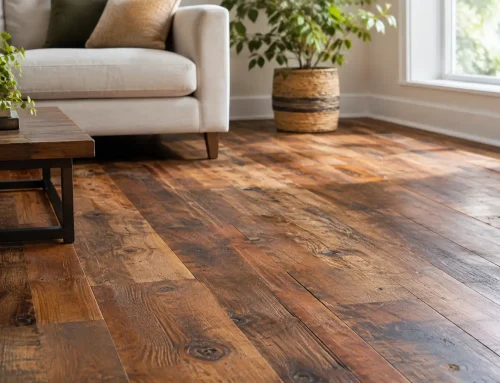
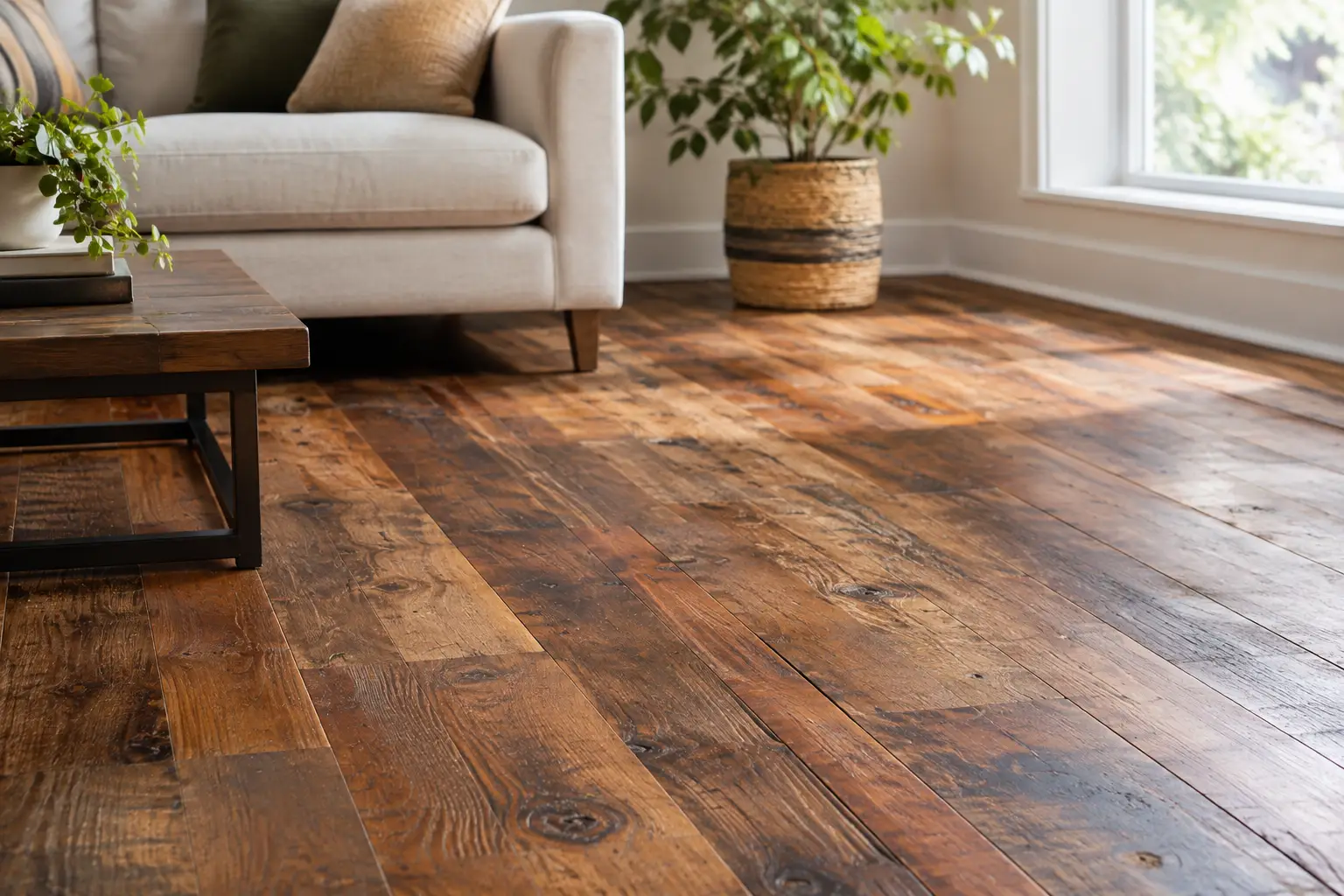
Reclaimed wood offers history, texture, and variation that new lumber cannot duplicate. It may include old nail marks, mineral streaks, saw kerfs, or changing tones from board to board. Those traits are part of its appeal, but they require careful sorting and layout so the floor feels intentional rather than busy.
Walnut, cherry, maple, and ash each bring their own character. Walnut has a rich depth suited to studies and formal living spaces. Maple is clean and bright but can be more selective about stain results. Cherry deepens beautifully over time. Ash has an expressive grain that works well in both traditional and contemporary settings. The right choice begins with how you want the room to feel five, ten, and twenty years from now.
Subfloor Preparation Is Where Longevity Begins
The finish is what homeowners see, but the subfloor is what allows a floor to remain quiet, level, and secure. A renovation should begin with moisture readings, a careful assessment of flatness, and attention to any signs of prior water intrusion. Squeaks, soft spots, and uneven transitions should be addressed before new hardwood is installed.
This work can reveal decisions that affect budget and schedule. Leveling a subfloor, replacing damaged sections, or correcting an unsuitable underlayment may add work at the beginning of a project, yet it protects the installation from problems that are far more disruptive later. A premium floor deserves a stable foundation.
The same principle applies when hardwood meets tile, stone, or carpet. Clean transitions should be planned rather than improvised at the end of the job. Details such as stair nosings, doorway thresholds, floor vents, and baseboard clearances influence whether the finished space feels carefully built.
The Finish Should Support Real Life
A site-finished floor gives homeowners meaningful control over color, sheen, and overall appearance. It can also make it easier to blend new work with existing hardwood. Yet the finish should be selected for performance, not just the sample board.
Low-sheen finishes are often a practical choice for active households because they soften the visibility of small scratches, dust, and everyday wear. A satin or matte surface can look elegant without demanding a flawless, furniture-showroom level of maintenance. High-gloss finishes create more reflection, but they also reveal more marks and may be better suited to lower-traffic spaces.
Modern waterborne finishes have changed the renovation experience substantially. High-performance, very low-VOC, Green Guard certified options dry quickly, minimize off-gassing, and support healthier indoor air quality. They also allow a home to return to normal use sooner than many older finishing systems. That said, quick drying does not eliminate the need for proper curing. Rugs, heavy furnishings, and routine cleaning should wait until the finish has reached the manufacturer’s recommended cure period.
Color deserves restraint. Very dark stains can look dramatic, but they tend to show dust, pet hair, and scratches more readily. Extremely pale or gray-heavy tones can feel striking in the right setting, but may clash with warm cabinetry or traditional trim. A custom finish should respond to the home’s fixed elements and changing daylight, not merely a passing trend.
Plan the Renovation Around the Household
Floor renovation affects the rhythm of a home. Rooms need to be cleared, furniture moved, and access planned while installation or refinishing is underway. For a whole-home project, a phased schedule may allow families to remain in the house with less disruption. For a kitchen renovation or new addition, installing floors at the correct point in the broader construction sequence prevents avoidable damage.
Homeowners should also think beyond installation day. Wood performs best when indoor humidity is reasonably consistent throughout the year. Entry mats, felt pads beneath furniture, prompt cleanup of spills, and a proper hardwood-cleaning routine will preserve the finish. Refinishing is not a frequent obligation when a floor is cared for well; it is a valuable restoration option that can extend the life of quality hardwood for decades.
Why Craftsmanship Changes the Result
Flooring is one of the few finishes that occupies nearly every room and receives daily use. Small errors in layout, sanding, edging, staining, or finishing are difficult to hide because the floor is always in view. The most successful projects are measured carefully, installed with respect for the wood, and completed with exacting attention to the perimeter and transitions.
Royal Oaks Flooring approaches hardwood as both a durable building material and a defining element of the interior. That means assessing the conditions beneath the floor, guiding homeowners through the real trade-offs between materials, and using finishes that protect both the investment and the home environment.
A floor should never feel like an afterthought to a renovation. Choose materials with patience, make room in the schedule for proper preparation and curing, and insist on details that will still look right when the room has become part of your family’s history.