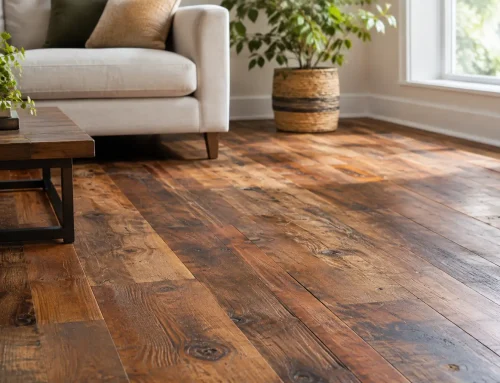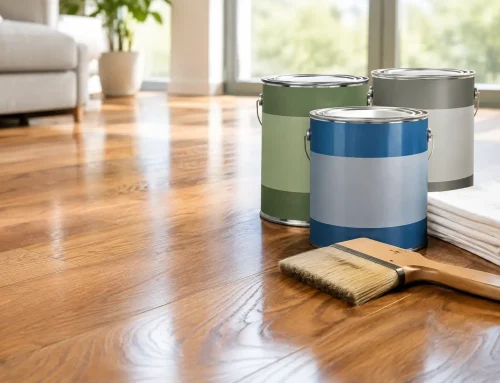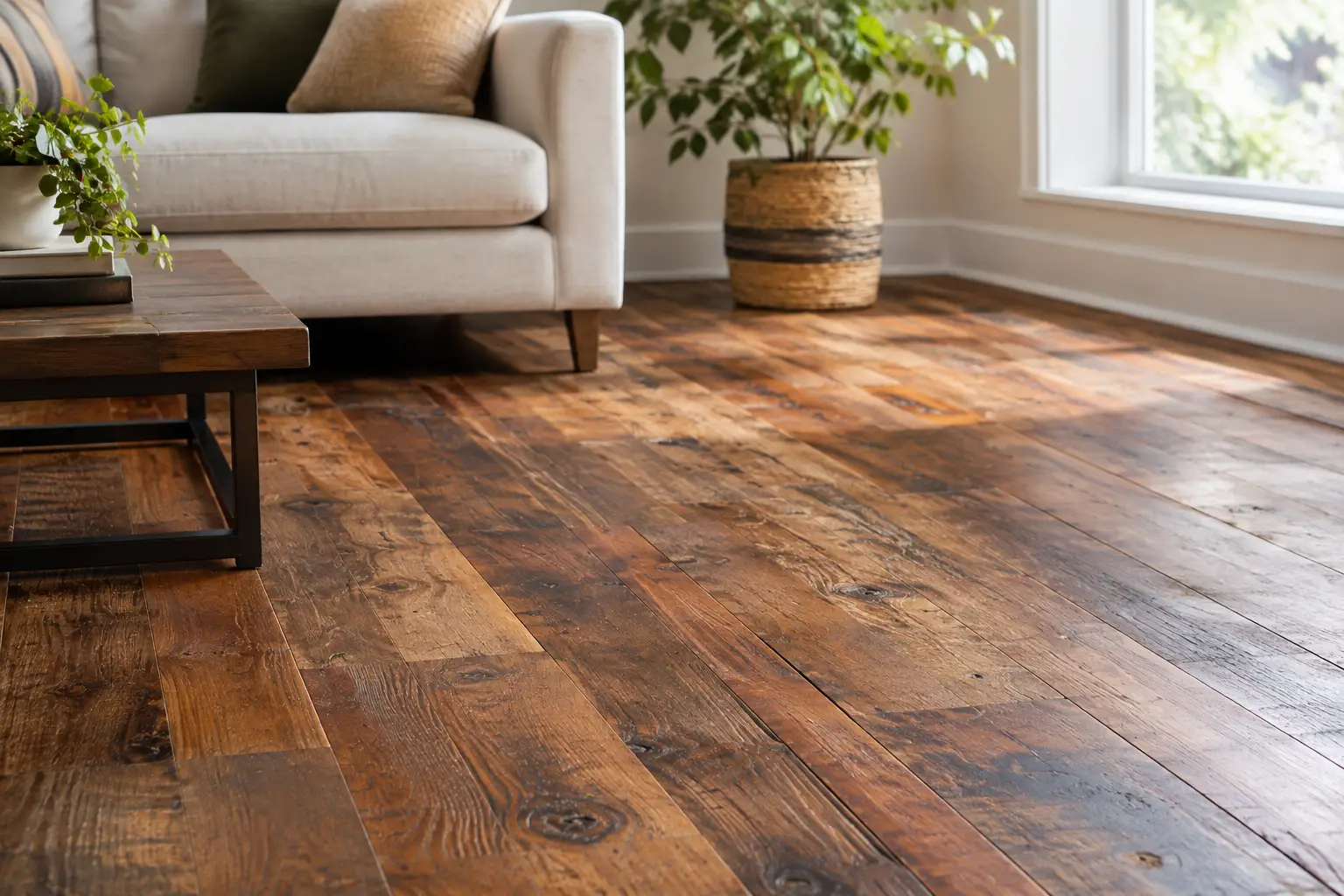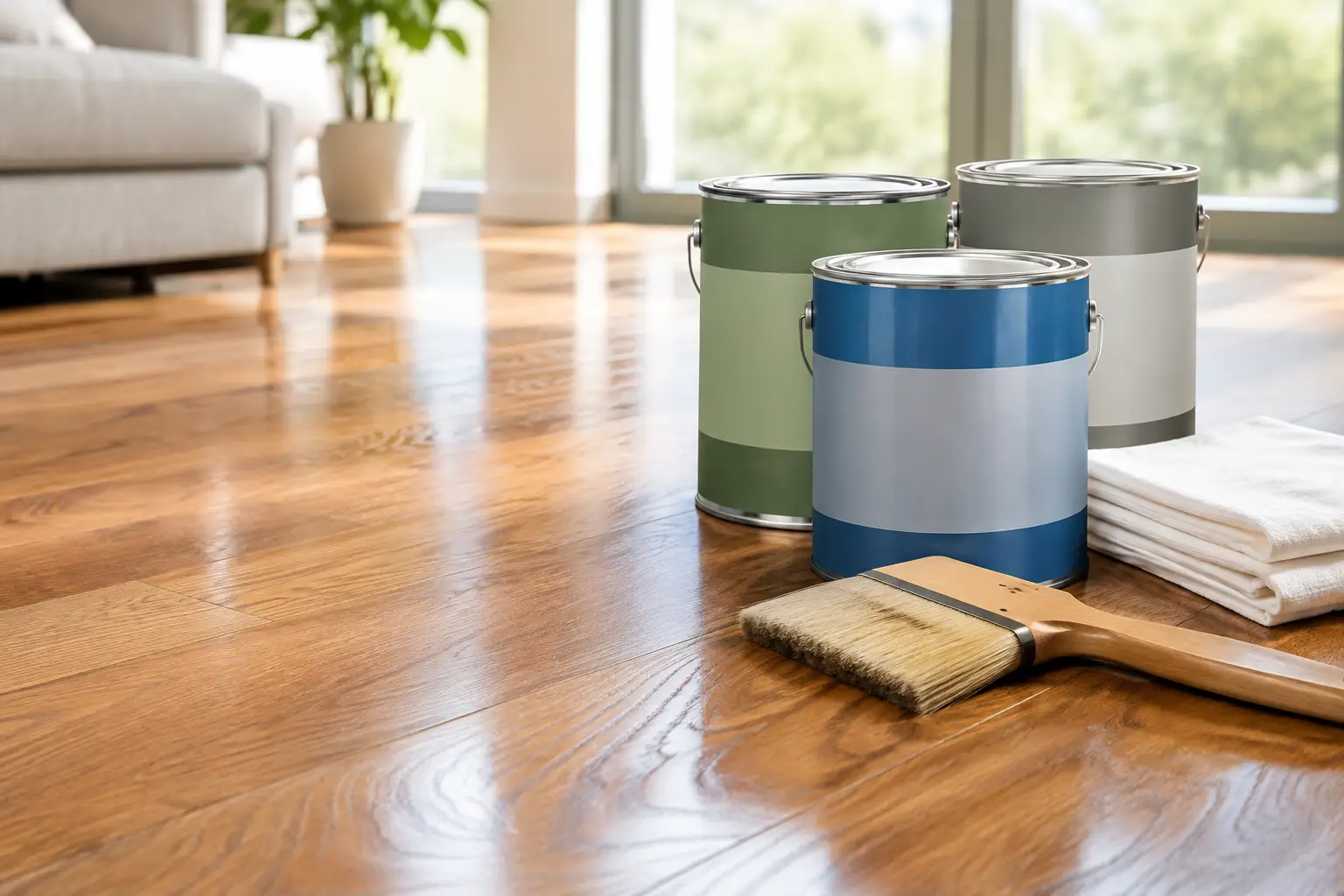
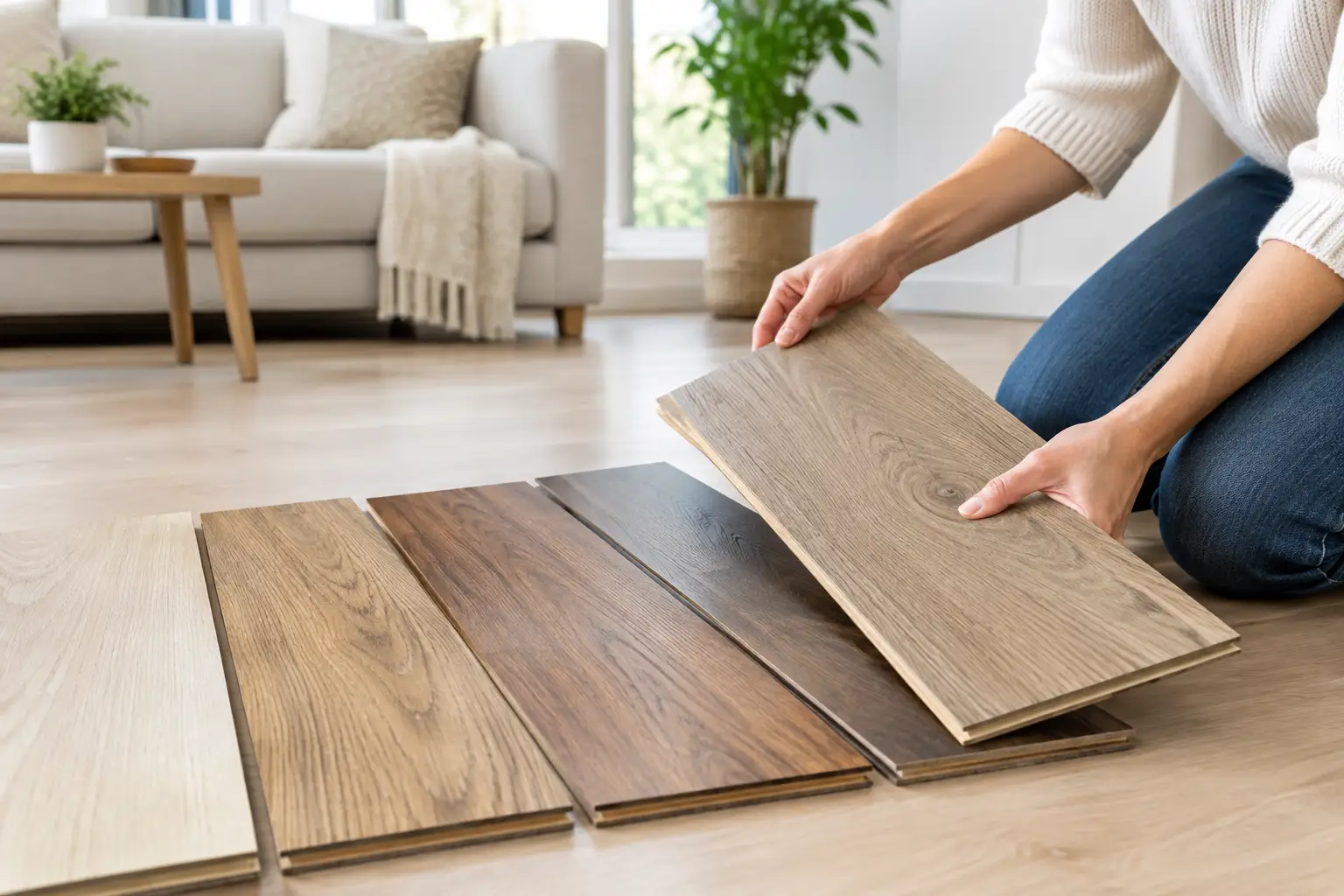
A new floor can look beautifully made and still feel out of place if it misses the character of the wood beside it. Learning how to match wood flooring is less about finding two boards with identical color and more about reading the full composition: species, grain, plank proportions, undertones, sheen, and the way light moves through a home.
For a historic row house, a traditional Maryland colonial, or a carefully renovated waterfront property, those details matter. The right match allows an addition, repaired area, or newly finished room to feel considered rather than copied.
Start With the Goal: Match, Complement, or Deliberately Contrast
Homeowners often use “match” to mean “make it look like it was always there.” That is sometimes possible, particularly when extending an existing floor into an adjacent room. But wood is a natural material. It changes with age, exposure to sunlight, and refinishing history. Even boards from the same species and mill can vary from one production run to the next.
A successful project begins by deciding which result the space truly needs. An exact visual continuation is the goal when flooring runs through an open kitchen, hall, and living area with no natural place for a transition. A complementary match may be the better choice when rooms are connected by a doorway or separated by a change in function. A thoughtful contrast can also be right – for example, pairing original narrow-plank oak in a formal front room with a quieter, wider-plank white oak in a rear addition.
The test is not whether every board looks alike. It is whether the floors share a coherent design language.
How to Match Wood Flooring: Read the Existing Floor First
Before choosing a sample, study the existing floor under clean, natural light. A professional assessment considers more than the color visible at the surface.
Identify the species and grain character
Oak is common throughout the Washington, D.C. metro area and remains a practical choice for matching because it accepts stain consistently and offers familiar grain patterns. Red oak often has pronounced, open grain and warm pink or amber undertones. White oak typically presents a tighter grain, more neutral tan-to-gray potential, and a calmer overall appearance.
Maple has a smoother, subtler grain but can stain unevenly. Walnut is naturally deep and richly varied. Cherry darkens over time, while ash can appear more linear and open. These characteristics affect the final impression as much as stain color does.
If the existing floor is antique, reclaimed, or heavily aged, its personality may come from mineral streaks, nail holes, hand-worked edges, or decades of oxidation. Matching that floor with a perfectly uniform modern product can make the new section feel conspicuously new, even when the stain is close.
Measure board width, thickness, and layout
Plank width is one of the quickest ways to reveal a mismatch. Traditional homes may have 2 1/4-inch strip flooring, while many contemporary renovations use 5-, 7-, or even 9-inch planks. Neither is inherently better, but a sudden width change in an uninterrupted sightline can feel accidental.
Also note the board lengths and installation pattern. Random lengths, long boards, rift-and-quarter-sawn material, and a particular direction of installation all influence how a floor reads from room to room. Where a continuous installation is planned, matching the existing dimensions and direction usually produces the most convincing result.
Look beyond the surface color
Floor color has three layers: the natural wood base, the stain or reactive treatment, and the protective finish. An oak floor that appears medium brown may carry red, gold, olive, or gray undertones beneath that brown. Those undertones become especially visible next to a new floor.
Bring samples into the home rather than judging them under showroom lighting. View them near windows, in shadowed corners, and at different times of day. A stain that looks neutral at noon can appear noticeably orange under warm evening light or next to cream cabinetry.
Match the Undertone Before Chasing the Exact Shade
The most reliable approach is to match temperature and undertone first, then refine the depth of color. Floors do not need to be identical in value – meaning how light or dark they are – to work together. They do need to avoid fighting one another.
A warm, honey-toned existing oak floor may pair well with a new floor that is slightly lighter or deeper but still carries a golden-brown base. By contrast, introducing a cool gray floor beside it can make both areas appear more artificial. Similarly, a floor with red undertones can clash with a new finish that leans strongly green or yellow.
For homes with multiple wood elements, include cabinetry, stair treads, interior doors, exposed beams, and major furniture in the review. The floor should support the room as a whole. Trying to match every wooden surface exactly often creates a flat, overly coordinated effect. Related undertones and balanced contrast tend to feel more refined.
Choose Sheen With as Much Care as Color
Sheen is often the missing piece in a flooring match. A new floor with a glossy finish will reflect light differently from an adjacent satin or matte floor, making a close color match look wrong. High gloss also emphasizes small scratches, dust, and the natural movement of the wood.
Satin remains a versatile choice for many homes because it offers gentle light reflection without a mirror-like surface. Matte finishes can suit wide-plank, contemporary, reclaimed, or rustic floors beautifully, though the precise appearance depends on the product and maintenance routine. A low-sheen finish is not automatically more forgiving, especially if it has a very flat, dark appearance.
When refinishing and installing new flooring as part of the same project, applying a compatible finish system across both areas can help unify the result. Modern low-VOC, quick-drying finishes also provide strong protection while supporting healthier indoor air quality.
Know When Refinishing Can Create a Better Match
If the existing hardwood has enough wear layer remaining, sanding and refinishing it alongside the new installation may offer the closest visual result. This is particularly effective when adding flooring to an open-concept area or repairing a large section of damaged boards.
The process still requires craftsmanship. New wood can absorb stain differently than old wood, even when both are oak. A skilled flooring team uses test areas and custom color work to account for differences in grain density, age, and natural variation. The goal is a harmonious field of flooring, not a color formula applied blindly.
Refinishing may not be the best option for every floor. Engineered wood with a thin veneer, deeply cupped boards, certain factory-finished products, or floors with structural issues require a more careful evaluation. In some cases, complementary flooring and a carefully placed transition will protect both the budget and the integrity of the home.
Use Transitions as Intentional Design Details
A transition is not evidence that a match failed. It can be a clean architectural solution when flooring changes between rooms. Doorways, cased openings, changes in level, and shifts from public to private spaces all provide natural locations for a transition.
A simple wood threshold in a compatible species or finish can create a clear, finished boundary. For more formal homes, a border or feature strip can make the change feel purposeful. The key is placement. Avoid putting a transition in the middle of an open room or directly where the eye expects uninterrupted flooring to continue.
This approach is especially useful when preserving original floors. Rather than forcing an imperfect extension of a century-old material, a new floor can respectfully complement it while allowing the older room to retain its distinct character.
Do Not Rely on One Small Sample
Small samples are useful for narrowing choices, but they cannot show the range of real wood. Request or create larger sample boards with the actual species, stain process, and finish sheen being considered. Place them directly against the existing flooring and view them in the intended room.
Pay attention to variation across several boards. A color that works on one clear-grain sample may look entirely different on a board with cathedral grain or darker mineral content. This is where custom sample work earns its value: it replaces guesswork with a decision grounded in the materials that will actually be installed.
For complex matching projects, especially those involving antique flooring, wide planks, or reclaimed wood, an experienced craftsperson can identify options that a standard product display will never reveal. At Royal Oaks Flooring, that careful evaluation is treated as part of the work, not an afterthought before installation.
Let the Home, Not a Trend, Set the Direction
Cool gray stains, pale natural oak, and dramatic dark floors each have their place. Yet a floor should be selected for the home’s light, architecture, existing materials, and how the family lives in the space. A fashionable finish that contradicts the original flooring may feel dated sooner than a thoughtful, well-balanced choice.
When the match is close but not exact, aim for consistency in quality and intention. Choose sound materials, appropriate plank proportions, a finish that suits the household, and transitions that look designed rather than improvised. Wood flooring gains beauty over time when those decisions are made with patience.
The best match is the one that lets your home feel settled from the first step across the room – and continues to look right after years of daily life.