A floor can set the entire tone of a renovation. It is the surface that catches morning light, grounds a dining room, and quietly absorbs decades of daily life. When homeowners weigh solid wood versus LVP, the decision is rarely just about price per square foot. It is about whether they want a natural material that can mature and be renewed, or a highly water-resistant surface designed for ease and predictability.
Both have a rightful place in a well-planned home. The better choice depends on the room, the household, the architectural character of the property, and how long you expect the floor to serve you. The distinction becomes clearer when you look beyond the showroom sample.
Solid Wood Versus LVP: The Essential Difference
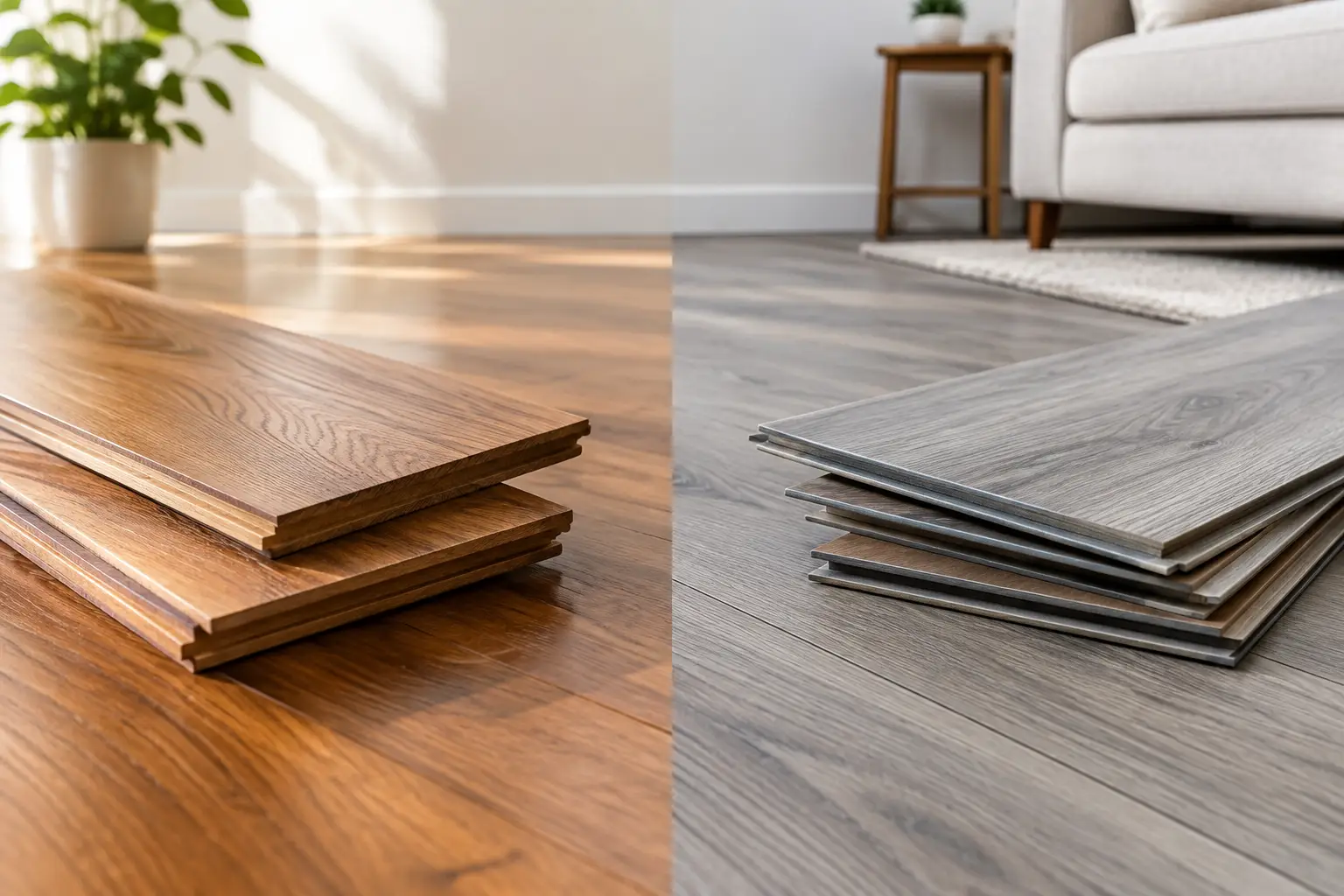
Solid hardwood is made from a single piece of real timber, typically oak, maple, walnut, cherry, or ash. Each board carries natural variation in grain, color, and texture. It can be sanded and refinished multiple times over its life, allowing the surface to be restored after wear or transformed when a home’s design changes.
Luxury vinyl plank, commonly called LVP, is a manufactured flooring product. Most quality products use a rigid core, a printed visual layer that replicates wood, and a protective wear layer. It is designed to resist water, scratches, and the ordinary disruptions of busy households. LVP can look remarkably convincing from across a room, especially in a carefully selected color and plank width.
The central difference is permanence. Hardwood is a natural material meant to be maintained, repaired, and renewed. LVP is a practical finished product meant to perform well for a defined service life, then be replaced when its surface or style reaches its limit.
Beauty Is More Than a Wood Look
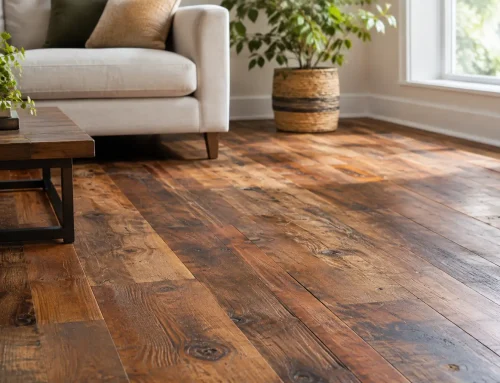
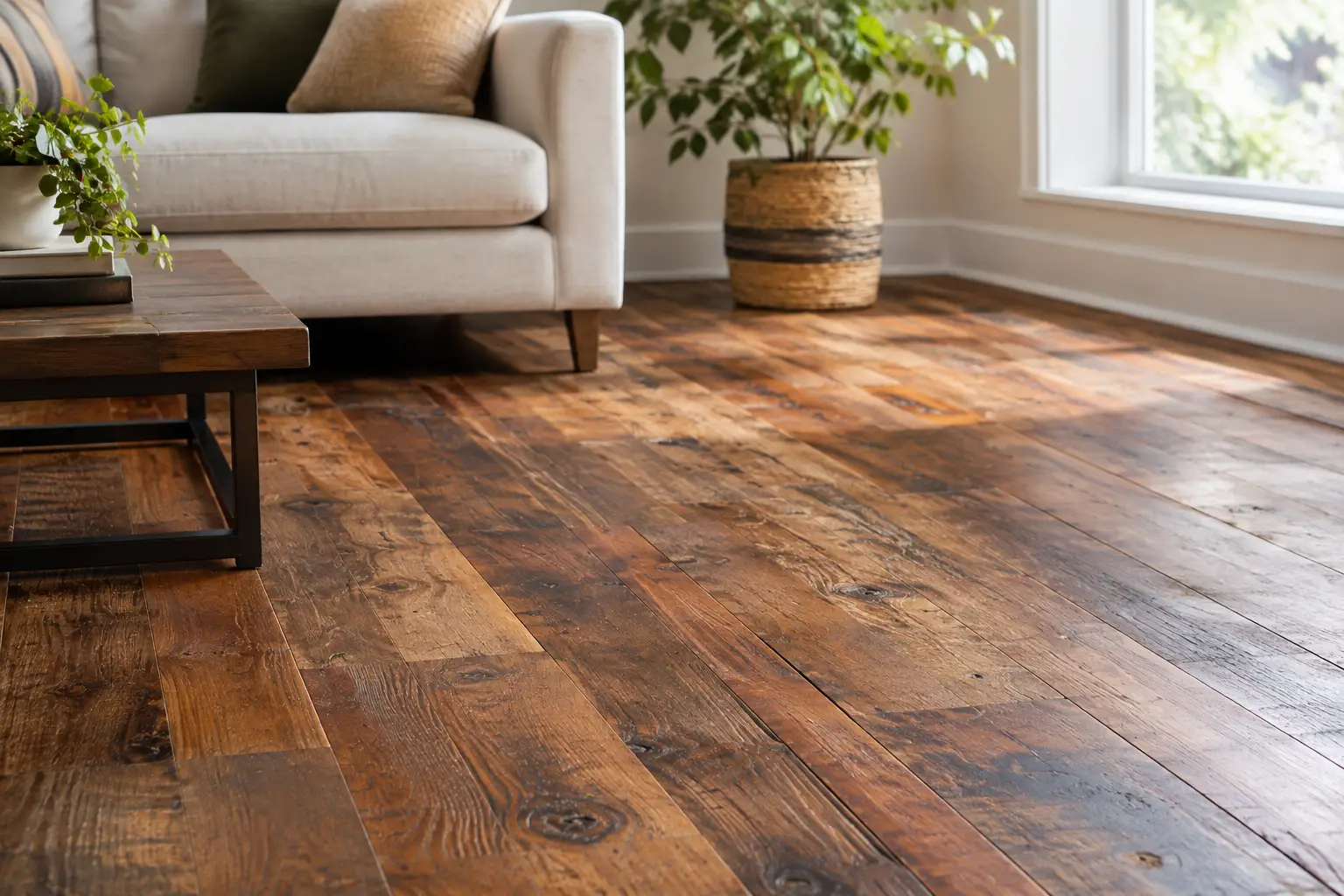
LVP has improved dramatically, but a printed wood image and actual wood do not age in the same way. Solid hardwood reflects light with depth because its grain, pores, and color run through the board. A wire-brushed oak floor feels different underfoot than a smooth maple floor. Reclaimed boards carry knots, mineral streaks, and signs of earlier life that cannot be manufactured with complete authenticity.
This matters especially in historic homes, custom renovations, and rooms with generous natural light. A properly installed solid wood floor becomes part of the architecture rather than simply a surface laid over it. Wide-plank oak, carefully selected walnut, or character-rich reclaimed wood can give a room an unmistakable sense of permanence.
That does not mean LVP is visually unsuitable for a refined home. In a laundry room, lower-level family space, rental property, or an area where moisture is a persistent concern, its consistent appearance can be an advantage. The key is honest expectation: LVP can create a clean, attractive wood-inspired look, while solid hardwood provides the depth and individuality of the material itself.
Water, Humidity, and Real Household Life
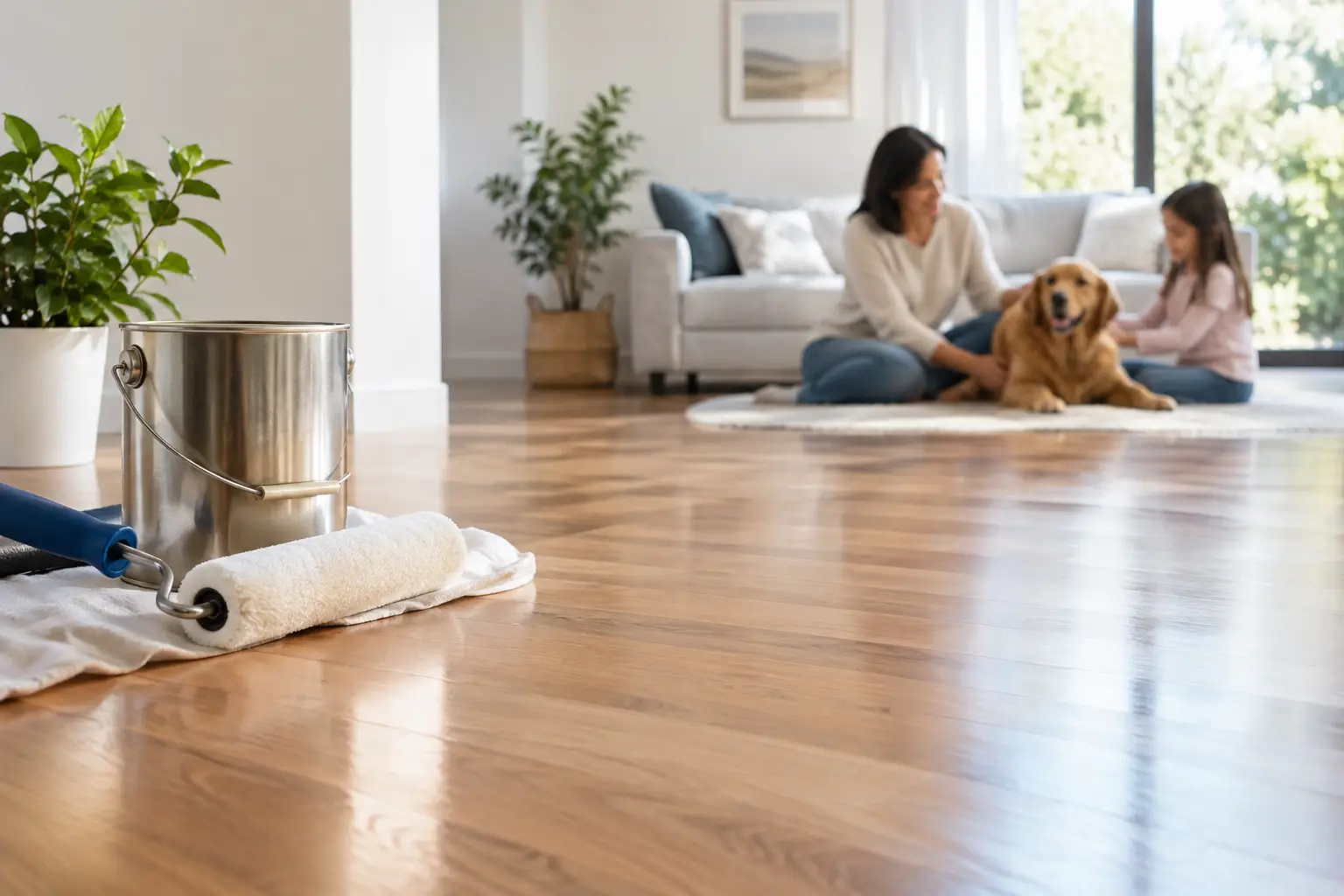
Water resistance is LVP’s clearest advantage. A quality LVP floor can tolerate spills, wet shoes, pet accidents, and the occasional plumbing mishap far better than solid hardwood. That makes it a sensible candidate for below-grade spaces, mudrooms, and rooms directly connected to a pool or waterfront entry.
Solid wood and standing water are not a good pairing. Excess moisture can cause cupping, crowning, gaps, or finish damage. In the D.C. Metro area and along Maryland’s Eastern Shore, seasonal humidity also deserves attention. Hardwood responds to changes in its environment because wood is hygroscopic, meaning it gains and loses moisture with the air.
A skilled installation addresses much of this risk. Proper moisture testing, acclimation, subfloor preparation, and an appropriate finish are not optional details. They are the work that protects the floor. Solid wood performs beautifully in living rooms, bedrooms, dining rooms, hallways, and many kitchens when homeowners manage spills promptly and maintain stable indoor humidity.
LVP is more forgiving, not invincible. Water may not harm the plank itself, but moisture can still create problems below or around it. Water that enters at perimeter gaps, damaged seams, or beneath the floor can contribute to mold, odor, or subfloor issues. Its water resistance should support good maintenance, not replace it.
Durability Means Different Things for Each Material
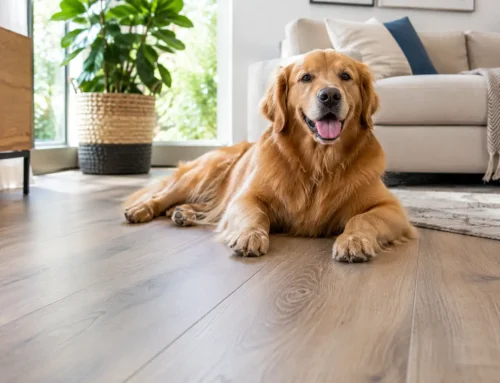
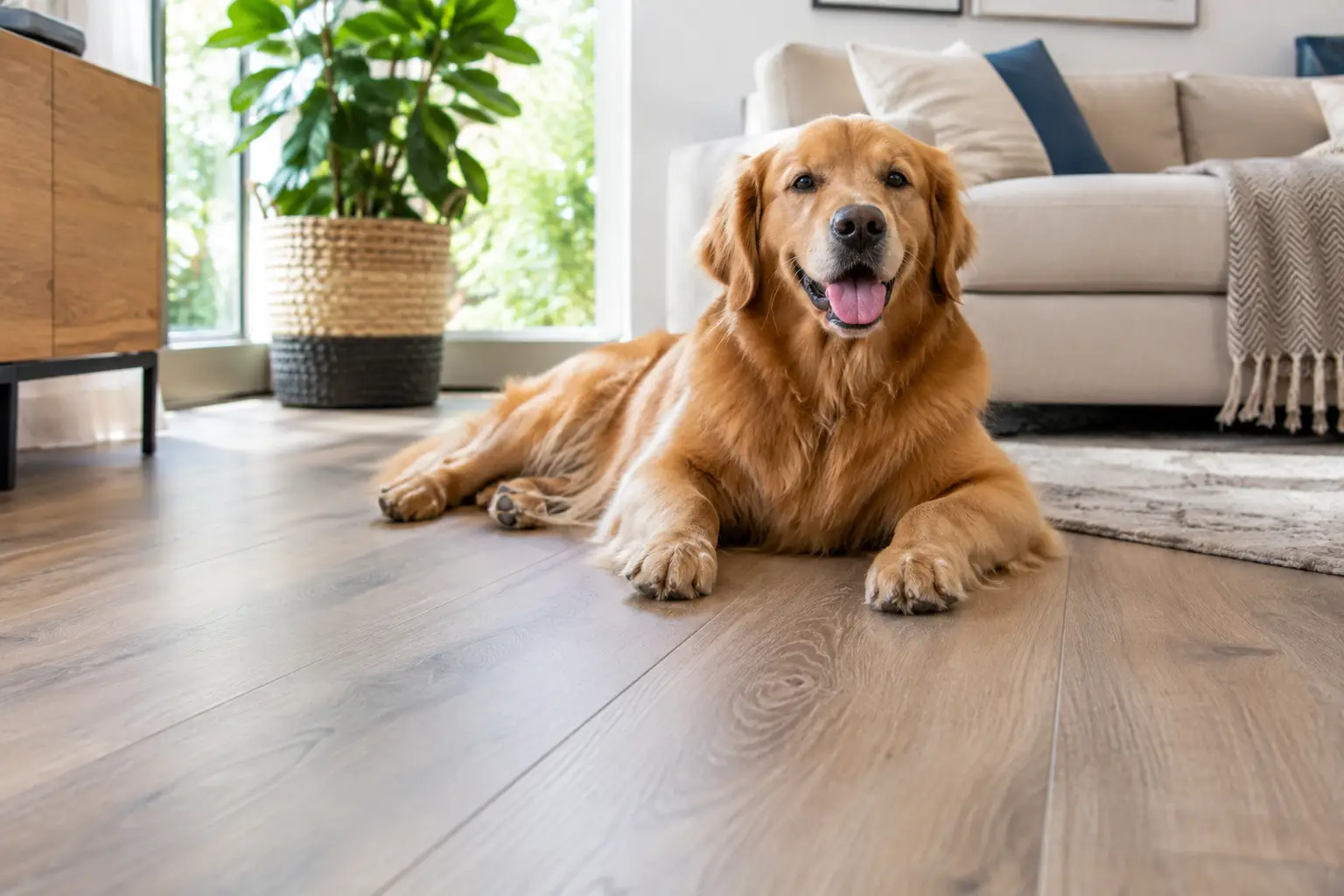
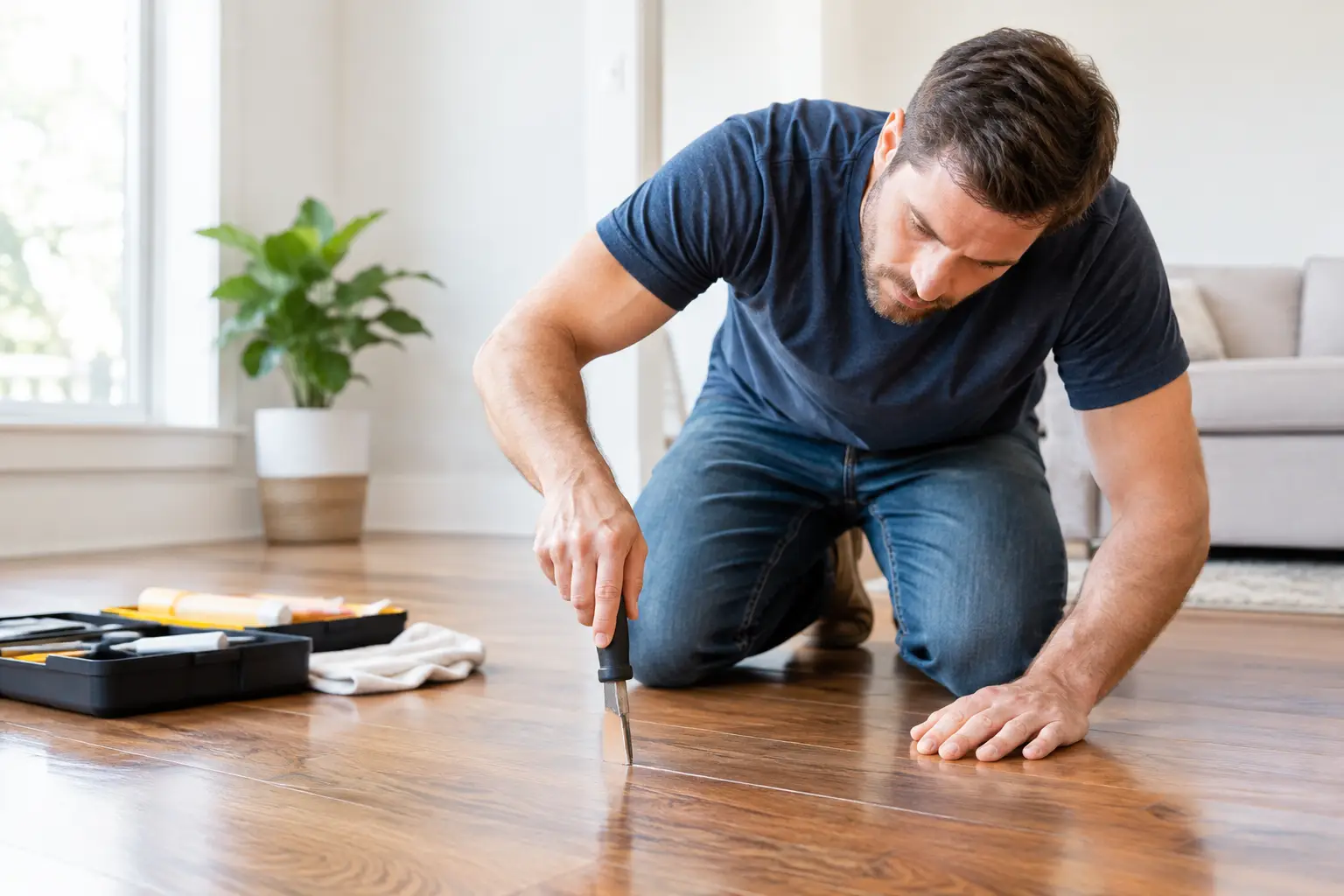
For active families, scratch resistance often becomes the first question. LVP’s protective wear layer generally handles pet claws, toy wheels, and everyday scuffs very well. It is a practical choice for homeowners who want a floor that requires little vigilance. However, deep gouges, tears, heat damage, and crushed edges cannot be sanded away. Repair usually means replacing individual planks, and matching them years later may be difficult if the product has been discontinued.
Hardwood can dent and scratch, particularly softer species or darker stains that reveal wear more readily. Yet this is where its long-term strength becomes apparent. Many marks can be touched up, blended, or repaired by a professional. When broader wear appears, the floor can be screened and recoated. When the finish and surface have reached the end of their cycle, it can be sanded and refinished.
A solid hardwood floor may show the honest evidence of life, but it does not have to remain damaged. With thoughtful care, it can serve for generations. That repairability is a meaningful advantage for homeowners who see flooring as a long-term part of the home rather than a short-term finish selection.
Installation Quality Changes the Outcome
The installation method for these materials is not interchangeable. Solid hardwood requires careful assessment of the subfloor, moisture conditions, board layout, fastening schedule, transitions, and expansion requirements. Wide-plank floors and reclaimed wood demand even more judgment because natural variation must be planned rather than fought.
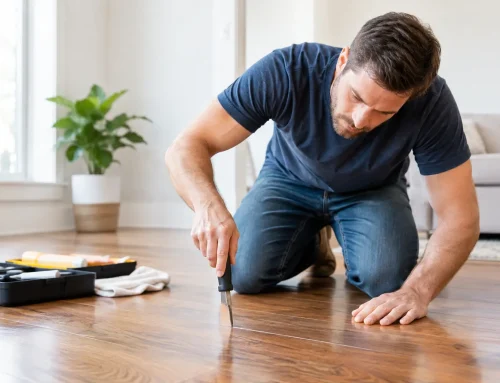
LVP can often be installed more quickly, particularly when using a floating click-lock system. That convenience is valuable, but it should not lead to careless preparation. An uneven subfloor can telegraph through the surface, stress locking mechanisms, or create movement underfoot. Clean lines at doorways, properly prepared transitions, and detailed perimeter work still separate an excellent installation from a merely adequate one.
At Royal Oaks Flooring, the craft begins before the first board is installed. Accurate measurements, moisture awareness, and deliberate layout protect both the appearance and the performance of the finished floor. Those details matter most on premium projects, where a floor should feel composed rather than simply completed.
Cost, Value, and the Life of the Floor
LVP usually has a lower upfront material and installation cost than premium solid hardwood. It can be an efficient solution when a large area needs a durable, attractive update within a defined budget. For certain rooms, that efficiency is exactly the right answer.
Solid wood is a greater initial investment, particularly with wider planks, select-grade material, custom stains, or intricate site finishing. Its value is not limited to the day of installation. Hardwood can be refinished instead of removed, it is widely recognized by buyers, and it remains stylistically relevant across changing design trends. A well-kept hardwood floor often adds to a home’s appeal in a way that manufactured flooring rarely does.
The most useful question is not simply, “Which costs less?” It is, “What will this floor cost over the time I own this home?” A floor that can be restored two or three times may offer a very different long-term value than one that must be replaced after significant wear.
Which Floor Belongs in Your Home?
Choose solid hardwood when you value authentic material, repairability, architectural character, and long-term return. It is especially well suited to main living areas, bedrooms, dining rooms, stair halls, and restoration projects where the floor should become a defining element of the home.
Choose LVP when dependable water resistance and low-maintenance performance take priority. It can be an excellent choice for below-grade rooms, utility spaces, busy mudrooms, and households where frequent moisture exposure is unavoidable.
There is also room for a mixed-material approach. Many thoughtful homes use hardwood throughout the principal living spaces and reserve LVP or another moisture-tolerant material for areas with a distinctly different demand. Matching the flooring to the room is more intelligent than forcing one product to solve every need.
Before making the final selection, consider the home you have now and the one you expect to live in five, ten, or twenty years from now. The right floor should suit your daily routines, honor the character of the space, and give you confidence each time you walk through the door.