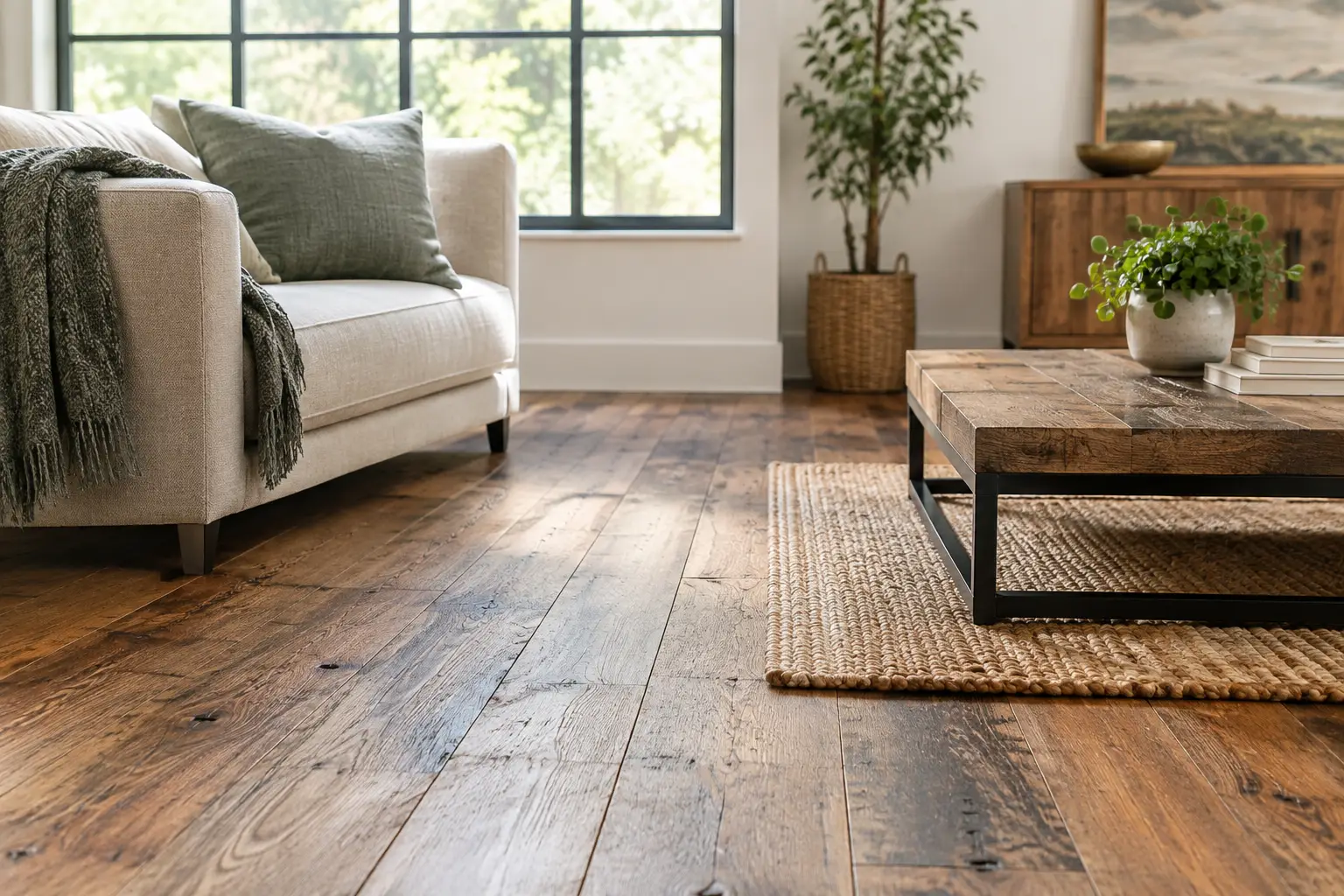
A floor with century-old nail marks, saw kerfs, mineral streaks, and a softened patina does more than cover a room. It gives the room a history. This reclaimed flooring review looks beyond that immediate appeal to address the questions that matter before you commit: how reclaimed wood performs, what it really costs, where it works best, and why installation quality determines whether the finished floor feels exceptional or merely rustic.
For homeowners restoring a historic property in Maryland or refining a newer home with more architectural character, reclaimed hardwood can be a remarkable choice. It is not, however, a shortcut to a casual antique look. Reclaimed flooring is a premium material that asks for thoughtful sourcing, careful preparation, and an installer who understands how old wood behaves.
What Makes Reclaimed Flooring Different?
Reclaimed flooring is wood salvaged from older structures, barns, warehouses, factories, agricultural buildings, and occasionally river-recovered timber. After recovery, the boards are cleaned, denailed, milled, graded, and prepared for a second life as flooring. The resulting material may be oak, heart pine, chestnut, maple, walnut, hickory, or another species, depending on its origin.
Its distinction is not simply age. Old-growth lumber often developed more slowly than much of today’s plantation-grown wood, producing denser grain and a visual depth that new boards cannot easily replicate. A reclaimed white oak floor may show tight growth rings and warm variation; antique heart pine may carry a rich amber cast, occasional knots, and the evidence of its former purpose.
That evidence is precisely why buyers are drawn to it. Reclaimed boards can include filled nail holes, sound cracks, color variation, original checking, milling marks, and repaired areas. These are not flaws to be hidden if the material has been selected honestly. They are part of the floor’s character. The key is deciding whether that character suits the house, the lifestyle, and the homeowner’s expectations.
Reclaimed Flooring Review: The Benefits Worth Paying For
The most compelling benefit is authenticity. Many new floors can be distressed or wire-brushed, but artificial distressing tends to repeat a pattern. Reclaimed wood has irregularity that occurred naturally over decades. In a formal Georgetown rowhouse, an Eastern Shore farmhouse, or a carefully designed new build, that authenticity can make a space feel established rather than newly decorated.
Reclaimed flooring also offers unusual dimensions and species. Wide planks are often more readily available in reclaimed material than in conventional flooring, and certain woods, such as American chestnut, are scarce or unavailable as newly harvested flooring. For a homeowner who wants a floor that does not resemble every other renovation in the neighborhood, this matters.
There is an environmental advantage as well. Reusing sound lumber extends the useful life of an existing resource and reduces demand for newly harvested material. Still, sustainability should not be treated as a blanket claim. Transportation, processing, stabilization, and waste rates vary by supplier. The best environmental outcome is a floor that is properly installed, maintained, and enjoyed for generations rather than replaced prematurely.
Finally, reclaimed hardwood can be forgiving of ordinary life. Its existing variation makes a small new mark less conspicuous than it would be on a uniform, pale, factory-finished floor. This does not make it indestructible, especially in homes with large dogs, active children, or frequent entertaining. It simply means the floor often gains character gracefully when cared for well.
The Trade-Offs Homeowners Should Understand
Reclaimed wood is not a commodity product, and its cost reflects that. Pricing can be higher than standard unfinished oak because salvage, metal removal, sorting, drying, milling, and grading require labor. Installation may also take longer. Each board needs to be assessed, fitted, and handled with greater attention than a uniform prefinished product.
Variation is another consideration. Samples are useful, but they cannot represent every board in a reclaimed floor. A homeowner who expects a completely consistent color, grain pattern, and texture may be happier with select-grade new hardwood or an engineered product made for visual consistency. A homeowner who appreciates movement and natural contrast will see that variation as the point.
Moisture management is equally serious. Old wood can be stable when it has been properly processed and acclimated, but it is not exempt from the laws of wood movement. Humidity changes can create seasonal gaps or subtle movement, especially with wide planks. The subfloor must be flat, dry, and structurally sound. The flooring must arrive at the proper moisture content for the home. Skipping these steps can turn a beautiful material into an expensive correction.
There is also a practical question of surface texture. Deep character marks can collect dust more readily than a smooth floor, and a rough-sawn texture may not suit every household. In kitchens, mudrooms, or homes with mobility concerns, the desired texture should be discussed before ordering. A lightly textured reclaimed floor can preserve visual history while remaining easier to clean and live with.
Not Every “Reclaimed” Floor Is the Same
The term reclaimed can cover very different products. Some floors are genuinely salvaged and remilled from historic lumber. Others are new wood processed to resemble aged material. Neither is automatically better, but they should not be confused.
Ask what species the floor is, where the lumber came from, how it was dried, whether metal has been removed, and how much usable material is included in the order. Ask about average and minimum board lengths, widths, thickness, and the expected range of color and character. These details affect the finished appearance, installation method, waste allowance, and budget.
A reputable supplier should describe the material clearly rather than relying on romantic labels. “Barnwood” alone is not a specification. It is a starting point for a more detailed conversation.
Why Installation Is the Deciding Factor
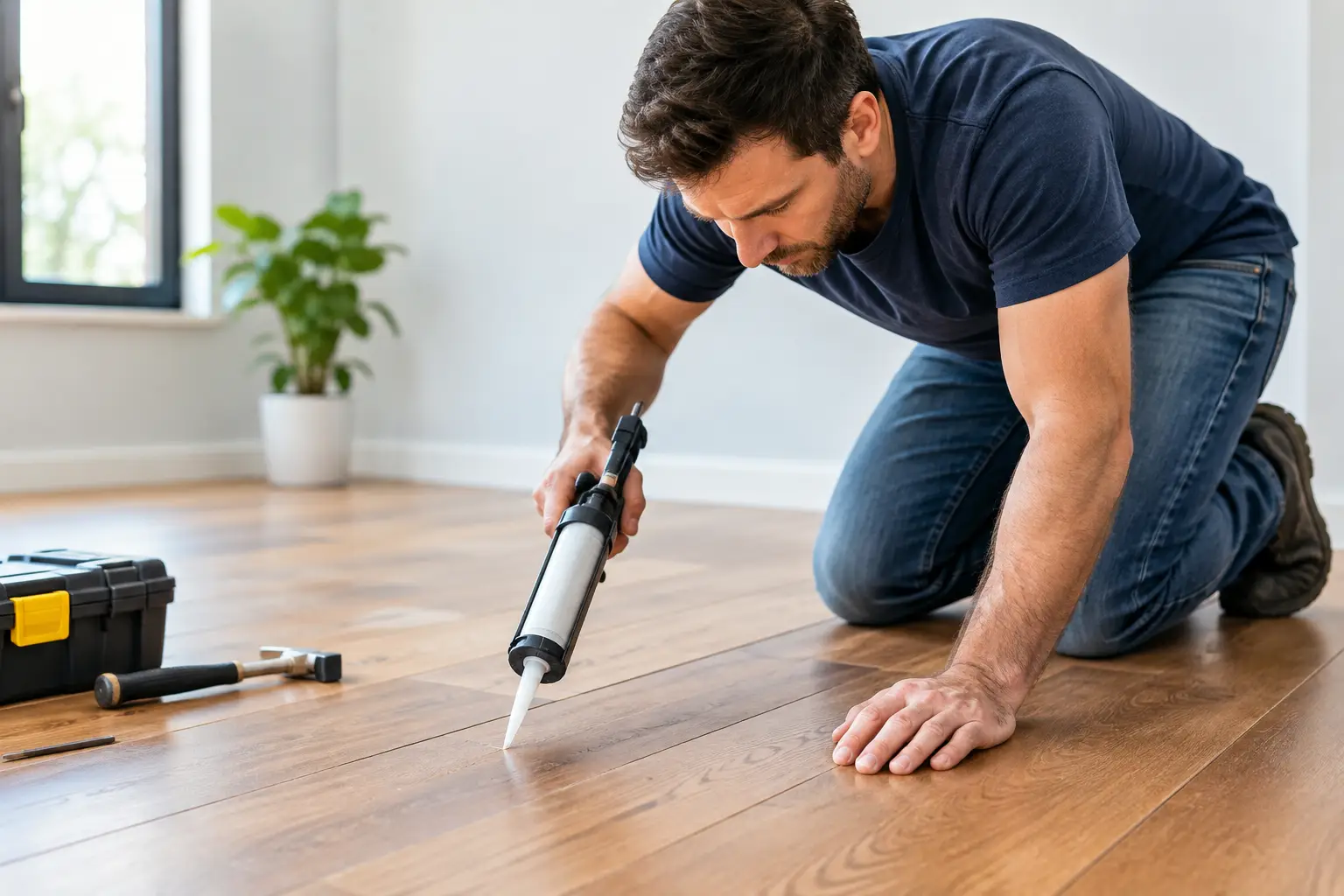
Reclaimed flooring rewards disciplined craftsmanship. Before a single board is installed, the site should be evaluated for subfloor moisture, flatness, room conditions, transitions, and layout. A moisture barrier or adhesive system may be required depending on the subfloor and installation method. Wide-plank material often calls for a carefully planned fastening and adhesive approach to support long-term stability.
Layout deserves particular attention. The installer should blend boards from multiple bundles to distribute color, grain, lengths, and character naturally across the room. End joints need thoughtful spacing, and transitions should feel intentional rather than improvised. On a floor with distinctive boards, poor layout is immediately visible.
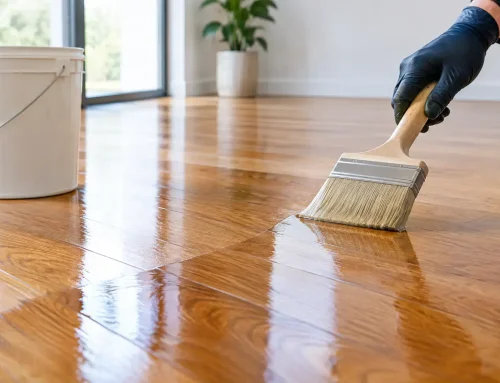
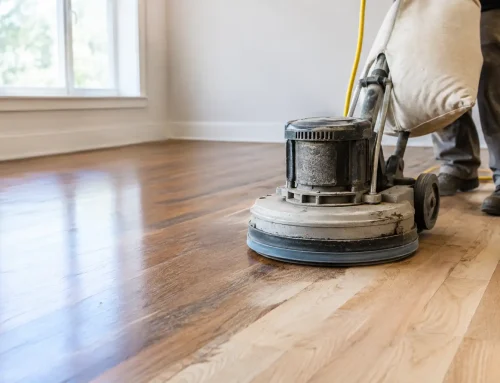
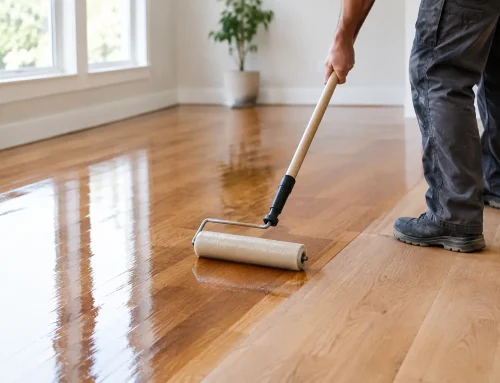
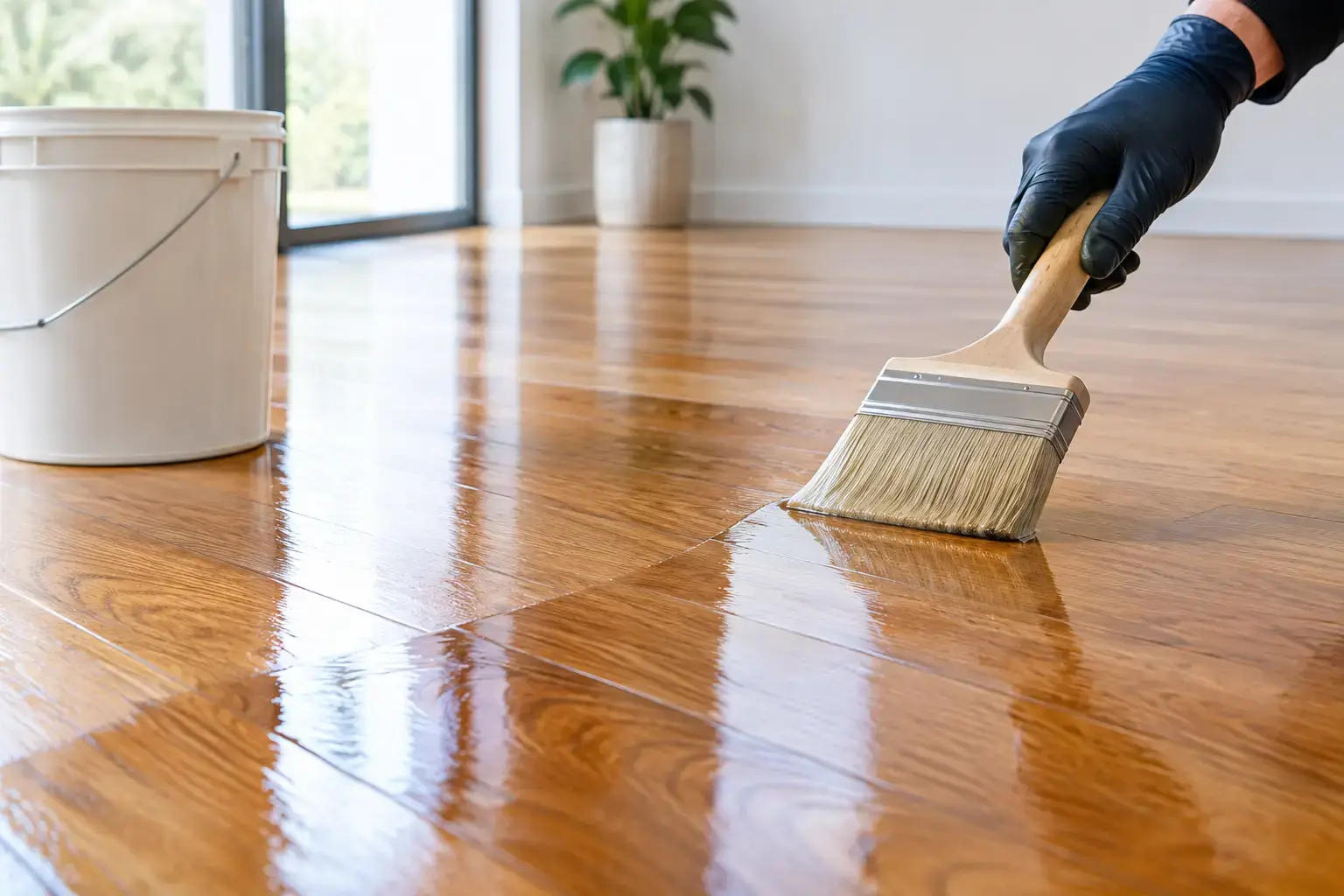
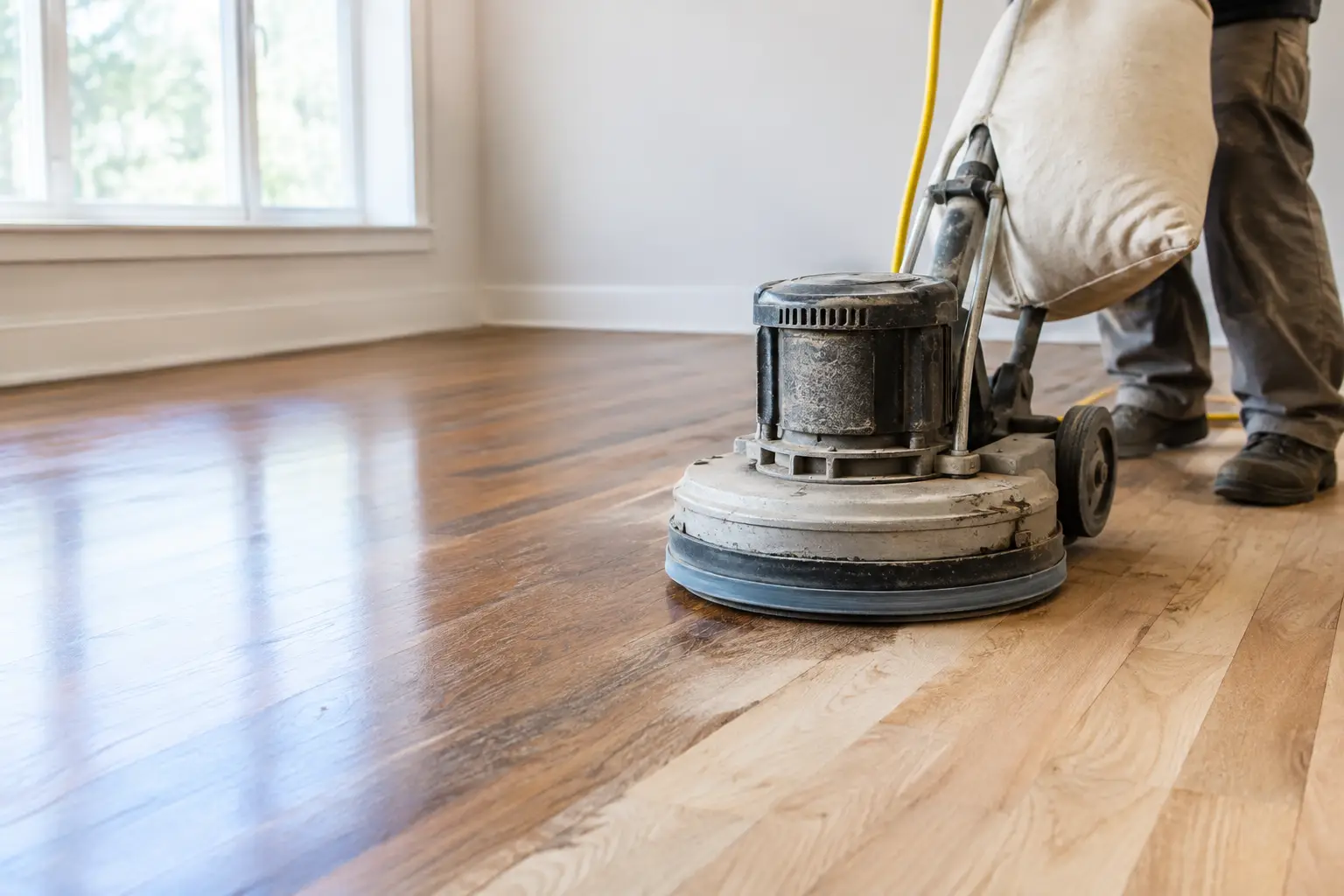
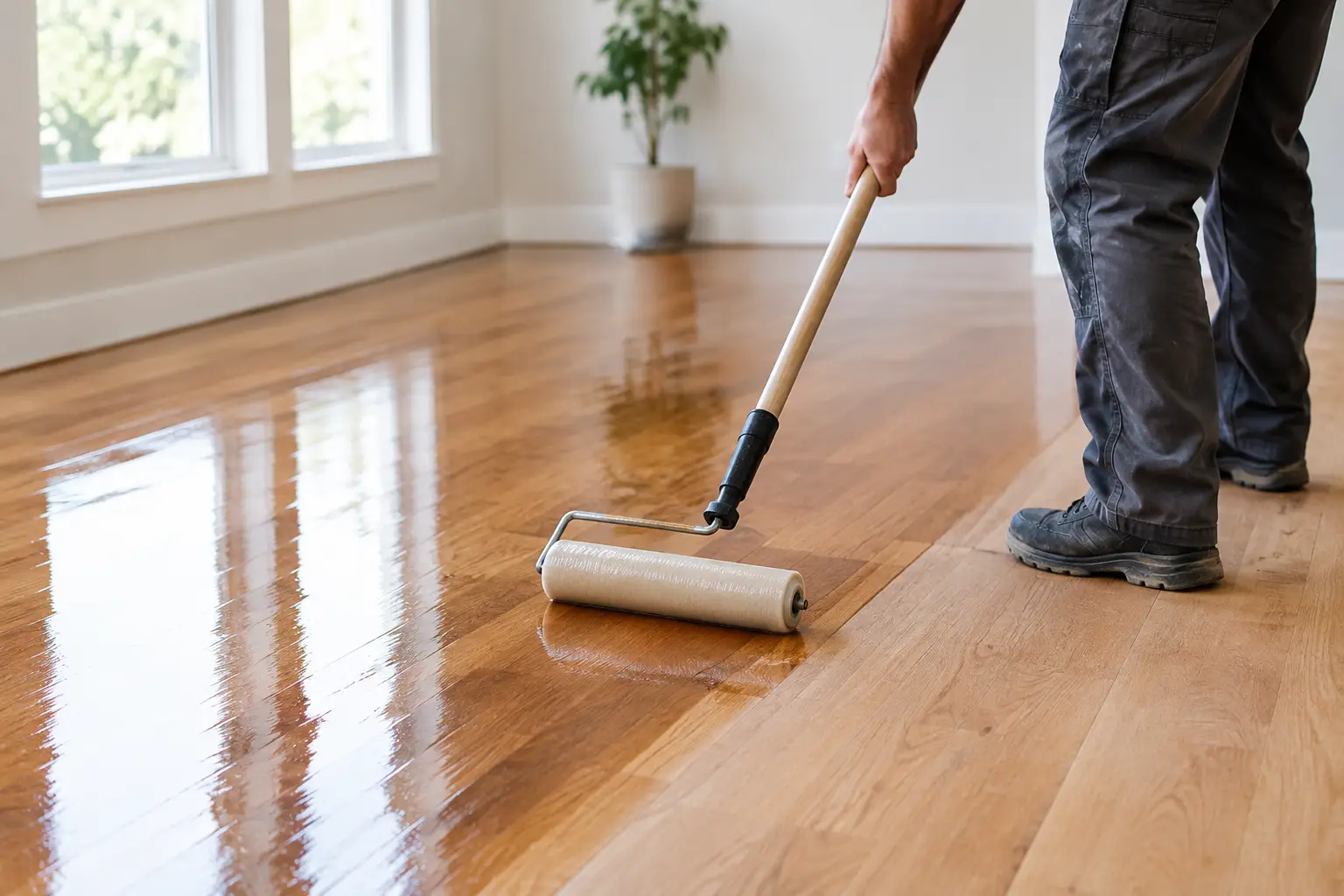
Finishing is equally consequential. Some reclaimed material arrives prefinished, while other projects call for sanding and finishing after installation. A site-applied finish can create a more unified appearance and allows for custom color work, but it requires skilled dust control and proper curing conditions. Modern very low-VOC, Green Guard certified finishes offer strong protection with reduced off-gassing, an important consideration for families eager to enjoy their home soon after the work is complete.
At Royal Oaks Flooring, reclaimed projects are approached as a material-specific craft, not as a standard installation with a different product label. That means evaluating the wood and the home together, then planning the details that protect both the appearance and the investment.
Where Reclaimed Wood Works Best
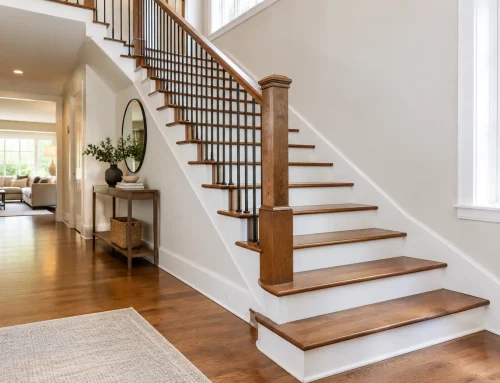
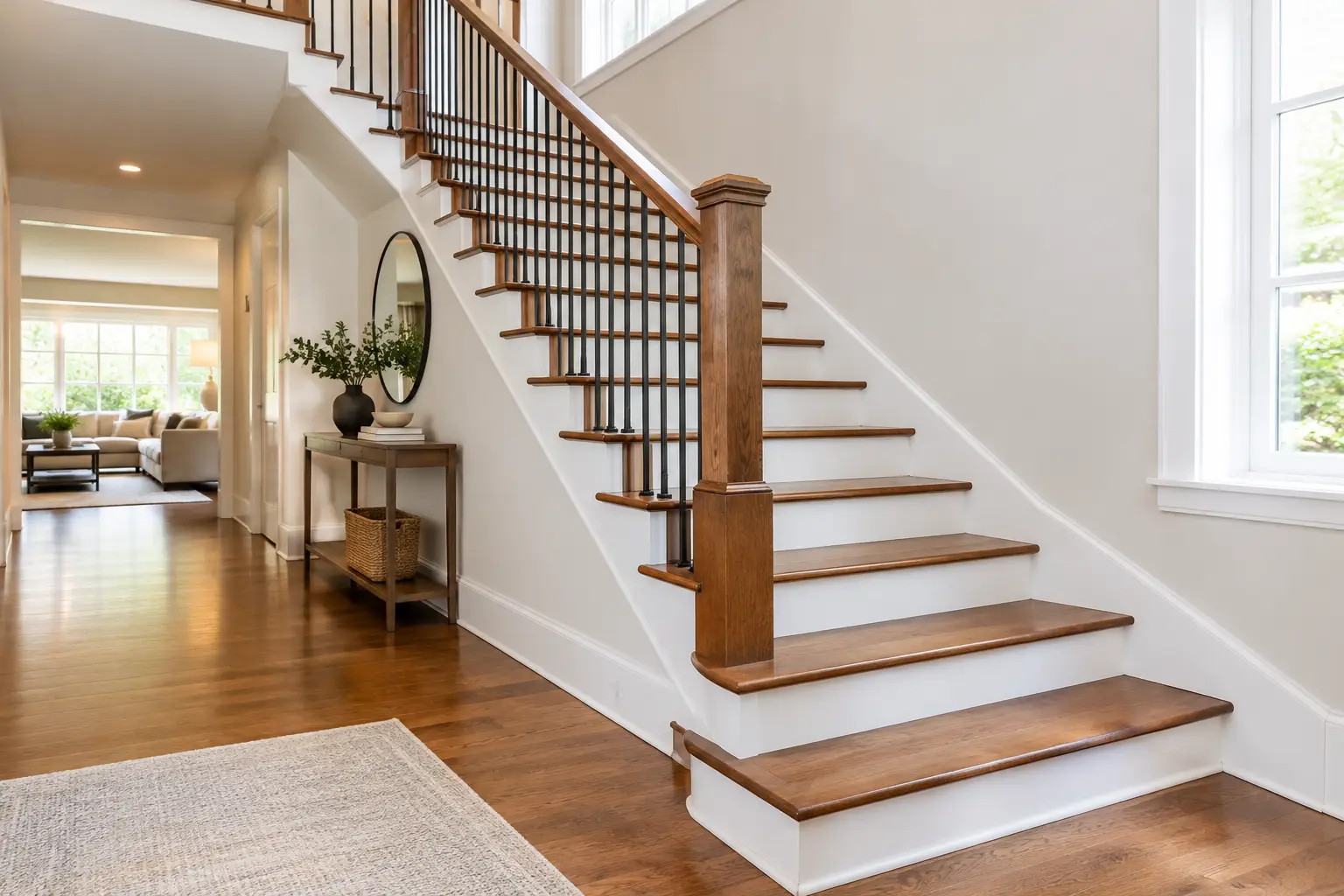
Reclaimed flooring is especially effective in rooms where its visual presence can be appreciated: entry halls, living rooms, dining rooms, libraries, bedrooms, and open-concept main levels. It pairs naturally with plaster walls, painted millwork, stone fireplaces, aged brass, linen textiles, and both traditional and restrained contemporary furnishings.
It can also create a compelling contrast in modern homes. Clean cabinetry, simple lighting, and minimal architectural lines give an antique floor room to speak without making the interior feel themed. The most successful designs do not try to make every surface look old. They let the floor provide warmth and permanence while the rest of the home remains tailored and functional.
Bathrooms and below-grade spaces require more caution because moisture exposure is greater. In those areas, engineered alternatives or other resilient materials may be the more sensible choice. A beautiful floor should serve the room, not force the room to accommodate it.
Care That Preserves the Patina
Reclaimed wood needs the same fundamental care as any quality hardwood floor: regular dry dusting, prompt attention to spills, protective pads beneath furniture, and mats at exterior doors. Avoid steam mops and harsh cleaners, which can damage the finish or introduce excess moisture.
Maintain stable indoor humidity as much as practical, particularly during Mid-Atlantic winters when heated indoor air becomes dry. A floor’s natural movement can never be eliminated, but balanced indoor conditions reduce unnecessary stress. When the finish begins to show wear, a professional maintenance coat or restoration plan can extend its life without immediately requiring a full sanding.
The right reclaimed floor should feel considered from the first board to the final finish coat. Choose the material for its genuine variation, plan for the realities of wood, and give the installation the precision it deserves. Done well, reclaimed flooring does not merely look older. It makes a home feel more rooted, more personal, and more complete.