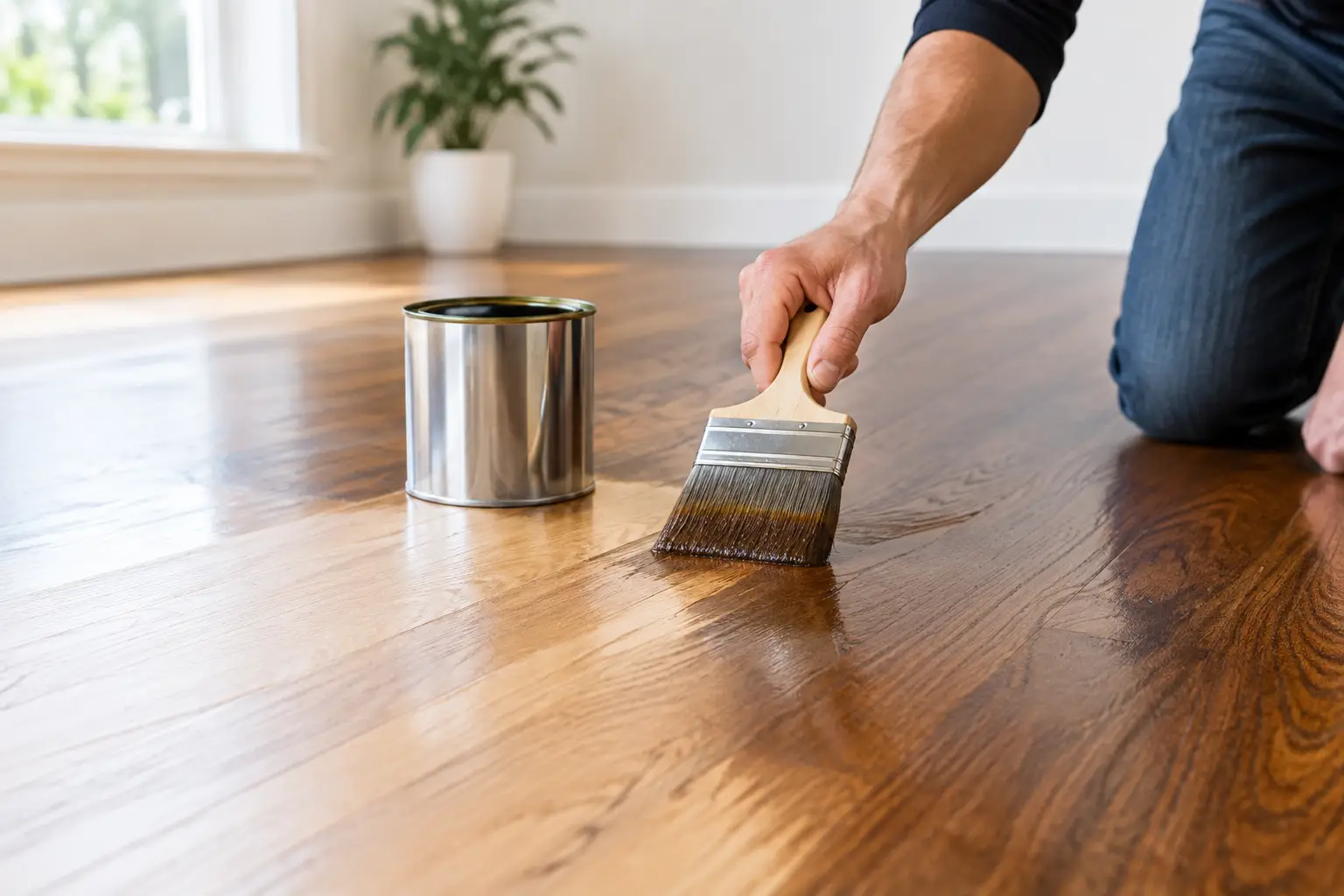
A floor can look permanently tied to its current color until the first pass of a professional sander reveals fresh, clean wood beneath the finish. So, can hardwood floors be stained? In many cases, yes. A well-built solid hardwood floor can be sanded and stained more than once over its lifetime, allowing a honey-toned oak floor to become a richer walnut, a warm medium brown, or a quieter natural finish.
The answer is not automatic, however. Successful staining depends on the floor’s construction, remaining wear layer, species, condition, and prior repairs. Stain is not simply paint for wood. It penetrates the grain, and every variation in that grain becomes part of the finished result. For a floor that looks intentional rather than uneven, careful evaluation and disciplined preparation matter as much as the color selected.
Can Hardwood Floors Be Stained If They Are Already Finished?
Yes. Most finished solid hardwood floors can be stained after the existing finish and old color have been completely removed through sanding. Polyurethane, aluminum oxide coatings, wax, and previous stain all create barriers that prevent a new stain from absorbing evenly. The floor must be taken back to bare wood before a new color can be introduced.
This is why a screen-and-recoat service will not change a floor’s color. Screening lightly abrades the existing finish so a new protective coat can bond. It is an excellent maintenance option for a floor with surface wear, but it does not remove enough material to expose raw wood. Color changes require full refinishing.
A skilled flooring professional starts by checking the thickness of the wood, the depth of scratches, the presence of pet stains, and any movement between boards. In older homes around Annapolis, Potomac, and the Eastern Shore, this assessment is especially valuable. Historic floors often have remarkable character, but they may also have been refinished several times or repaired with boards from different eras.
Solid Hardwood Versus Engineered Hardwood
Solid hardwood is the most reliable candidate for staining because it is made from one substantial piece of wood. Depending on its thickness and condition, it can usually be sanded and refinished multiple times. Traditional oak strip flooring, wide-plank pine, maple, walnut, and reclaimed hardwood can all be candidates, though each species responds differently to color.
Engineered hardwood requires more caution. It has a real hardwood veneer over a layered core, but that veneer may be too thin for a full sanding. Some premium engineered products have a wear layer thick enough to refinish once or more. Others should never be sanded beyond a light abrasion, if at all. Sanding through the veneer exposes the core and leaves no practical repair.
Before anyone promises a color change, the floor should be identified and measured where possible. A professional may inspect a floor vent opening, doorway transition, or spare board to determine whether it is solid wood or engineered construction. This small step protects a significant investment.
Factory-Finished Floors Need Special Attention
Pre-finished hardwood can be refinished and stained if it has adequate thickness, but its factory coating is often exceptionally durable. Aluminum oxide finishes in particular require the right abrasives, equipment, and sequence of sanding grits. The beveled edges common on pre-finished boards also affect how the final floor will look once those boards are sanded flat.
The goal is not merely to remove the coating. It is to create an even, clean surface without waves, chatter marks, or uneven edges that become more visible after stain is applied.
The Wood Species Changes the Result
Not all hardwood accepts stain in the same way. Red oak is often one of the most accommodating species because its open grain takes color readily and displays it with depth. White oak is equally versatile, though its tighter grain and cooler undertones can produce a more refined, contemporary appearance. Both remain excellent choices for custom staining.
Maple and birch are harder, denser woods that can absorb stain unevenly, creating a blotchy or mottled appearance. Cherry changes color naturally as it ages and may not need a heavy stain to feel rich. Hickory has dramatic variation from board to board, which is part of its appeal but can make a uniform dark color difficult. Pine is soft and porous, often requiring careful conditioning and realistic expectations.
Dark stains deserve particular restraint. They can add drama and formality, but they also emphasize sanding marks, dust, scratches, and natural inconsistencies in the wood. On an active family floor, a deep espresso shade may show light-colored scratches more quickly than a medium brown or natural tone. Beauty and livability should be considered together.
What Can Prevent a Successful Color Change?
A floor may be structurally sound yet still be a poor candidate for certain stains. Deep black pet stains can penetrate well below the surface and may remain visible after sanding. Water damage can leave darkened areas, cupping, or weakened boards. Old repairs may include a different species of wood that accepts stain at a noticeably different rate.
Sun fading creates another challenge. A rug-covered area may reveal the floor’s original color, while exposed sections have aged for years. Sanding usually removes much of this difference, but it cannot always erase every variation. Reclaimed and antique floors are especially likely to retain mineral streaks, nail holes, grain shifts, and signs of their history. These are often beautiful features, not defects, but they should inform the color choice.
Wax contamination is another concern in older homes. If a floor has been maintained with wax or silicone-based products, residues can interfere with stain and finish adhesion. The right preparation can often address the issue, but it should be diagnosed before work begins rather than discovered after a finish starts to separate.
How Professional Hardwood Staining Works
The craft begins with preparation, not with a stain can. Furniture is removed, the work area is protected, and the floor is inspected for loose boards, damaged sections, and protruding fasteners. Repairs are made before sanding so the finished surface reads as one cohesive floor rather than a patchwork of compromises.
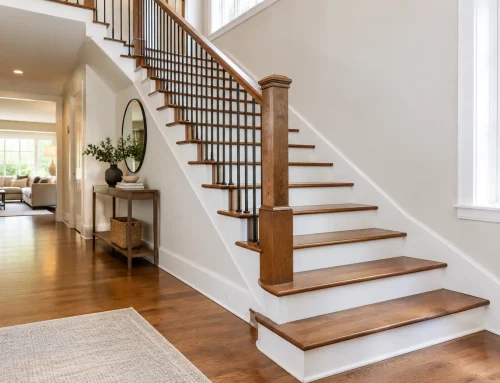
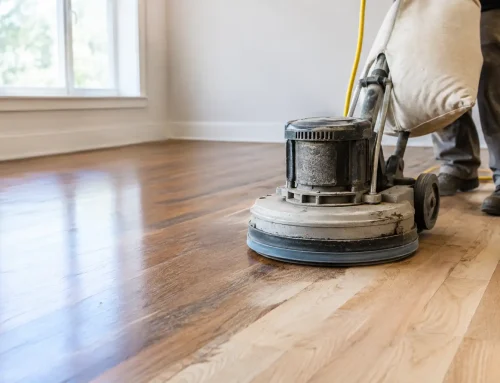
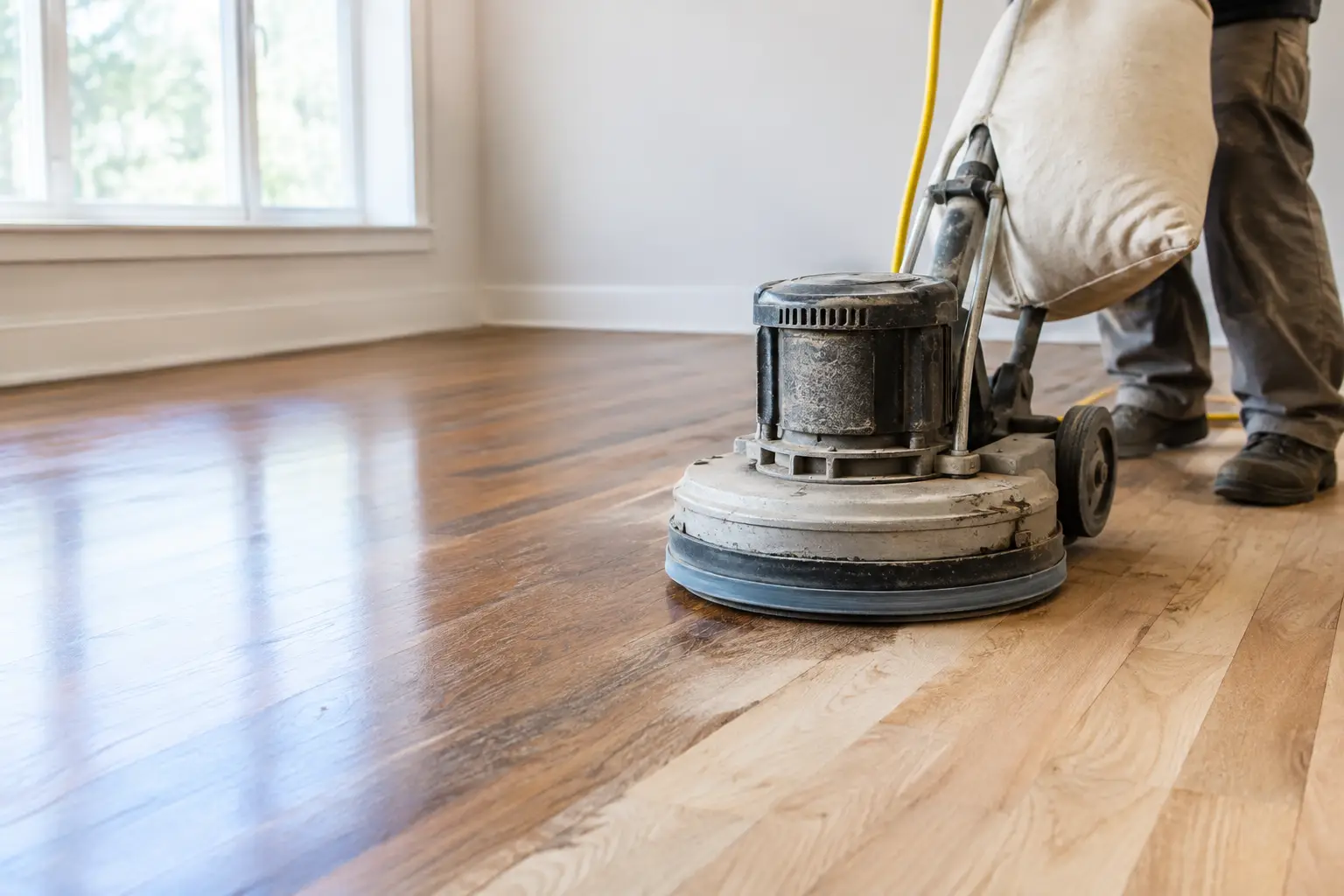
Sanding then removes the old finish and levels the surface in a controlled progression. Coarser abrasives strip the old coating, while finer grits refine the wood and prepare it for even absorption. Edge work, corners, stair details, and transitions receive the same attention as the open field of the room. A floor is only as convincing as its least carefully finished area.
Once the wood is clean, samples should be created on the actual floor. This is essential. The same stain can look entirely different on white oak than on red oak, and different again under a room’s daylight, evening lamps, wall color, and furnishings. Samples also show how the selected finish will alter the final tone. A color that appears perfect on a small showroom board may feel too gray, too red, or too dark across an entire living room.
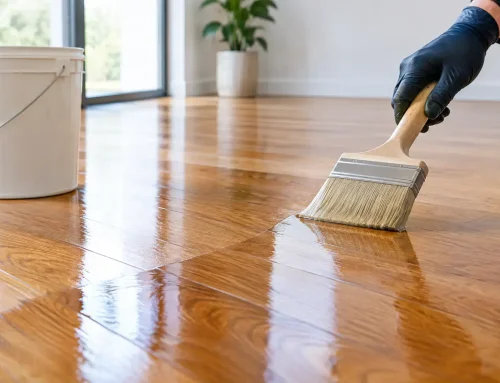
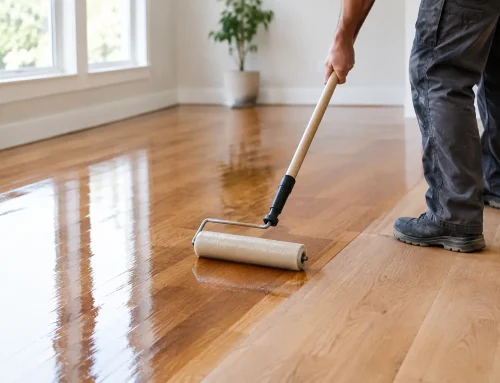
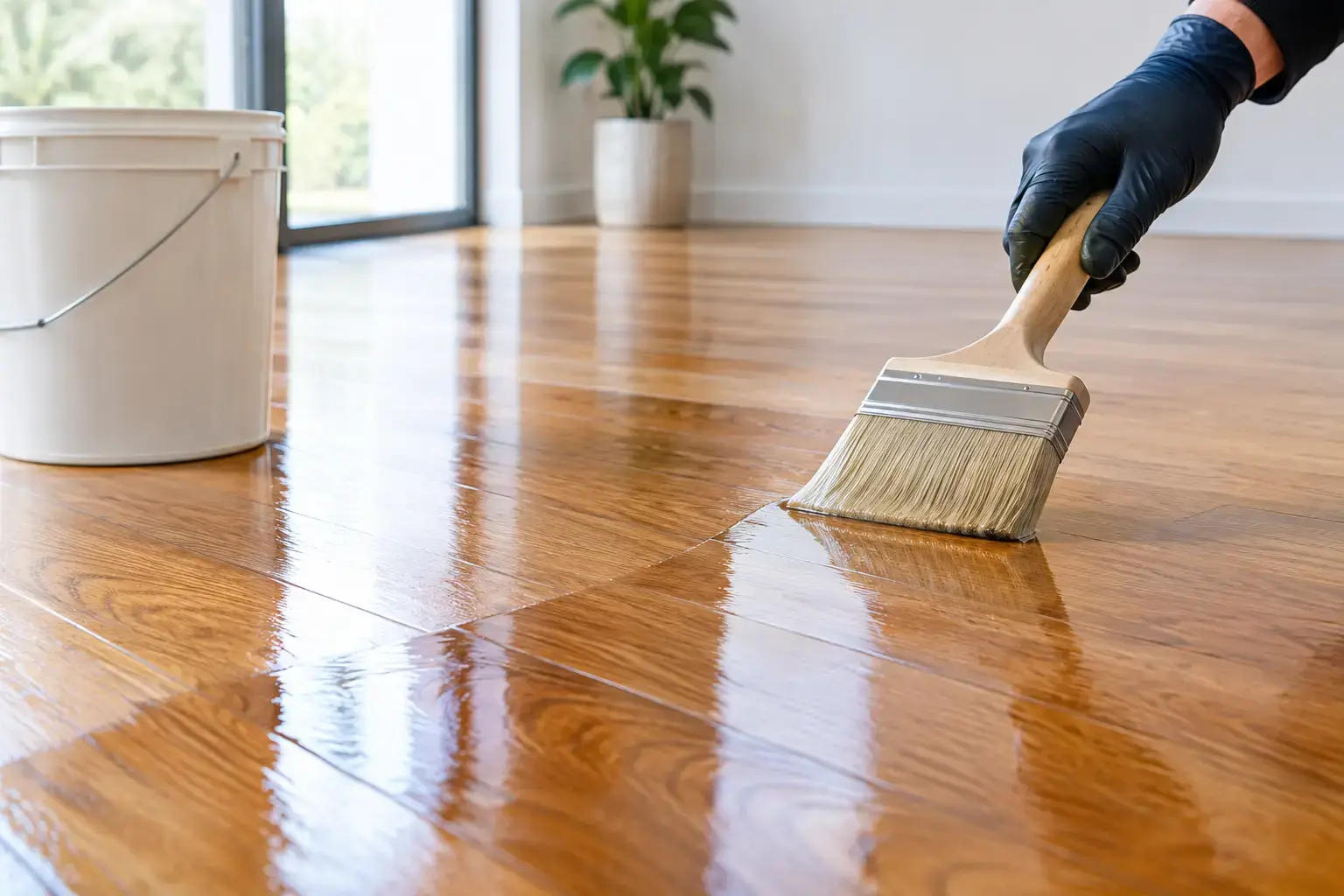
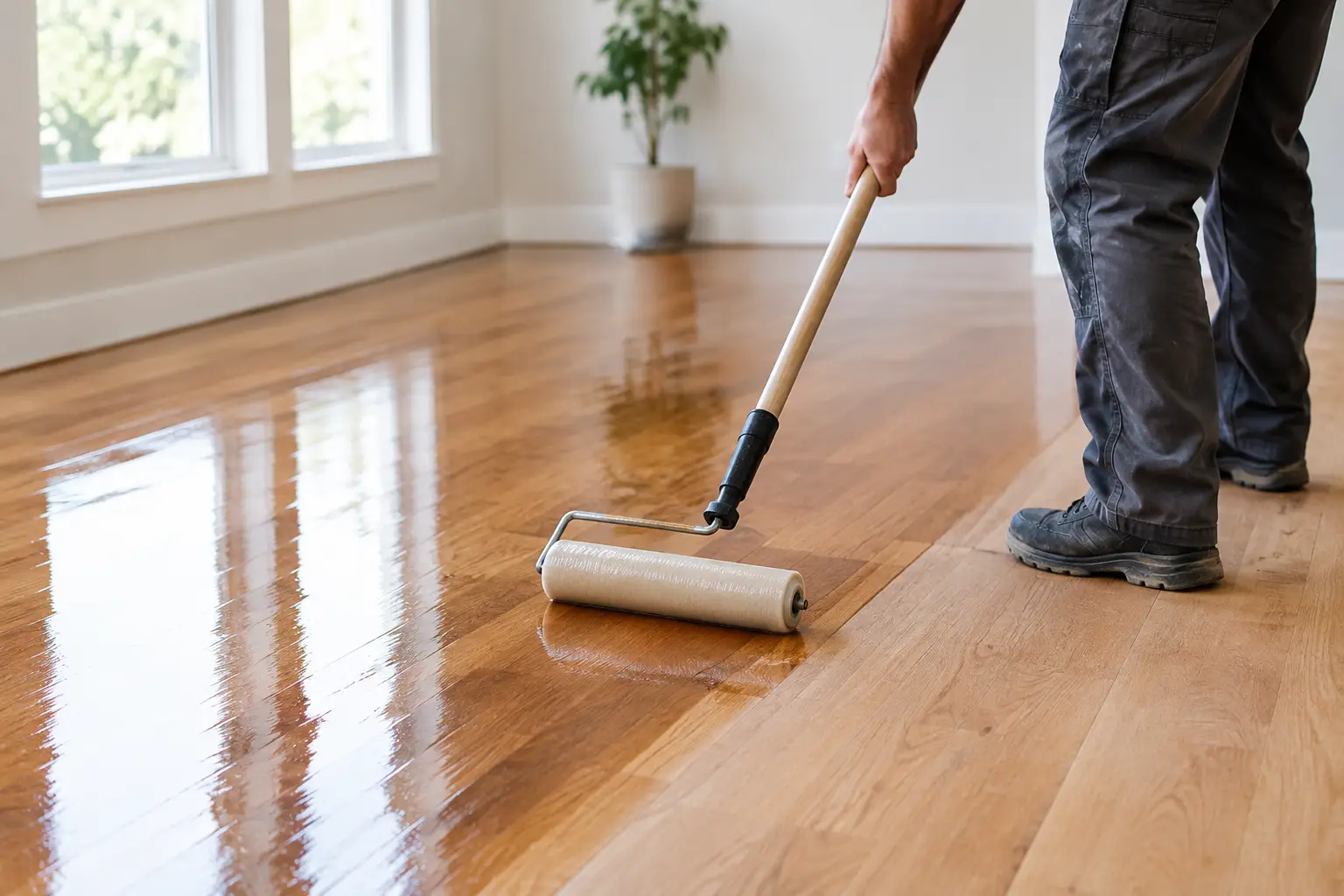
After the stain is applied and allowed to cure properly, protective finish coats are built up according to the product system and the floor’s intended use. Royal Oaks Flooring uses modern, very low-VOC, Green Guard certified finish systems that support healthier indoor air while delivering the durability a well-used home requires. The result should feel smooth underfoot, visually balanced, and ready to age gracefully.
Choosing a Color That Will Still Feel Right Years From Now
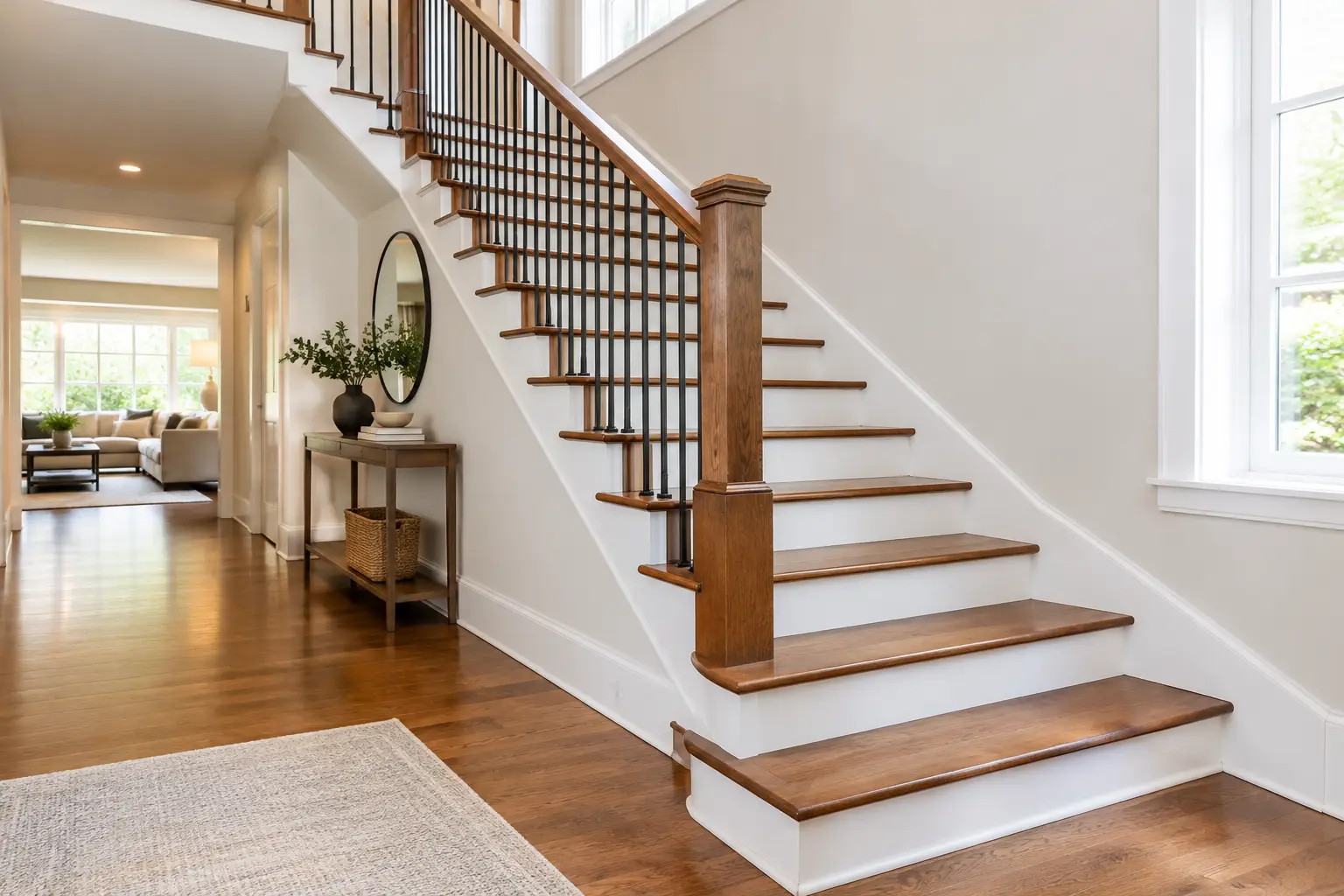
Trends can be useful inspiration, but a hardwood floor is a long-term architectural element. It connects rooms, cabinetry, trim, and natural light. For that reason, the most enduring colors often complement the home rather than compete with it.
A natural or lightly tinted finish can highlight the grain of white oak, walnut, or reclaimed boards while making future touch-ups less conspicuous. Medium browns offer warmth and practical versatility, pairing comfortably with both traditional millwork and updated interiors. Gray and heavily desaturated stains can be striking, but they require close sampling because the underlying wood may introduce unexpected green, red, or amber notes.
If the goal is to make a room brighter, staining is not always the only answer. Refinishing to a clear natural finish, changing the sheen level, or selecting a warm neutral tone may preserve more of the wood’s character than a pale opaque-looking stain. Conversely, if a floor feels too orange, a carefully balanced custom tone may soften that cast without forcing the wood into an unnatural shade.
When to Call a Flooring Specialist
Staining is a worthwhile project when the floor has enough material to refinish, the boards are fundamentally stable, and the homeowner wants a meaningful change without replacing real hardwood. It can transform the atmosphere of a home while preserving the value and authenticity of its existing materials.
For a premium result, avoid choosing a color based only on a photograph or assuming every board will absorb stain identically. Ask for an on-site evaluation and sample areas, especially with engineered flooring, historic boards, reclaimed wood, or a dramatic dark color. A thoughtful staining plan respects the wood that is already in the home and gives it a finish worthy of the years ahead.