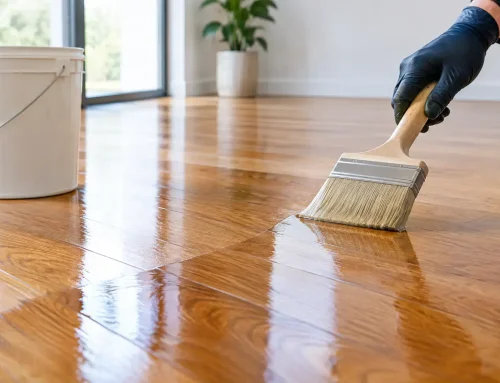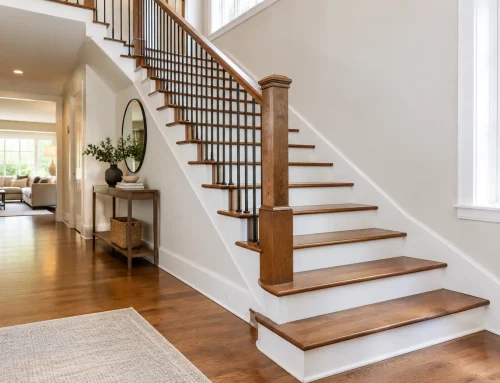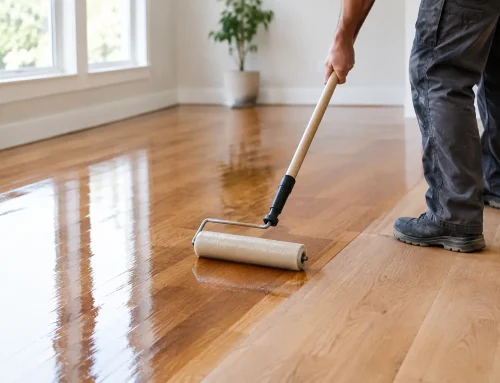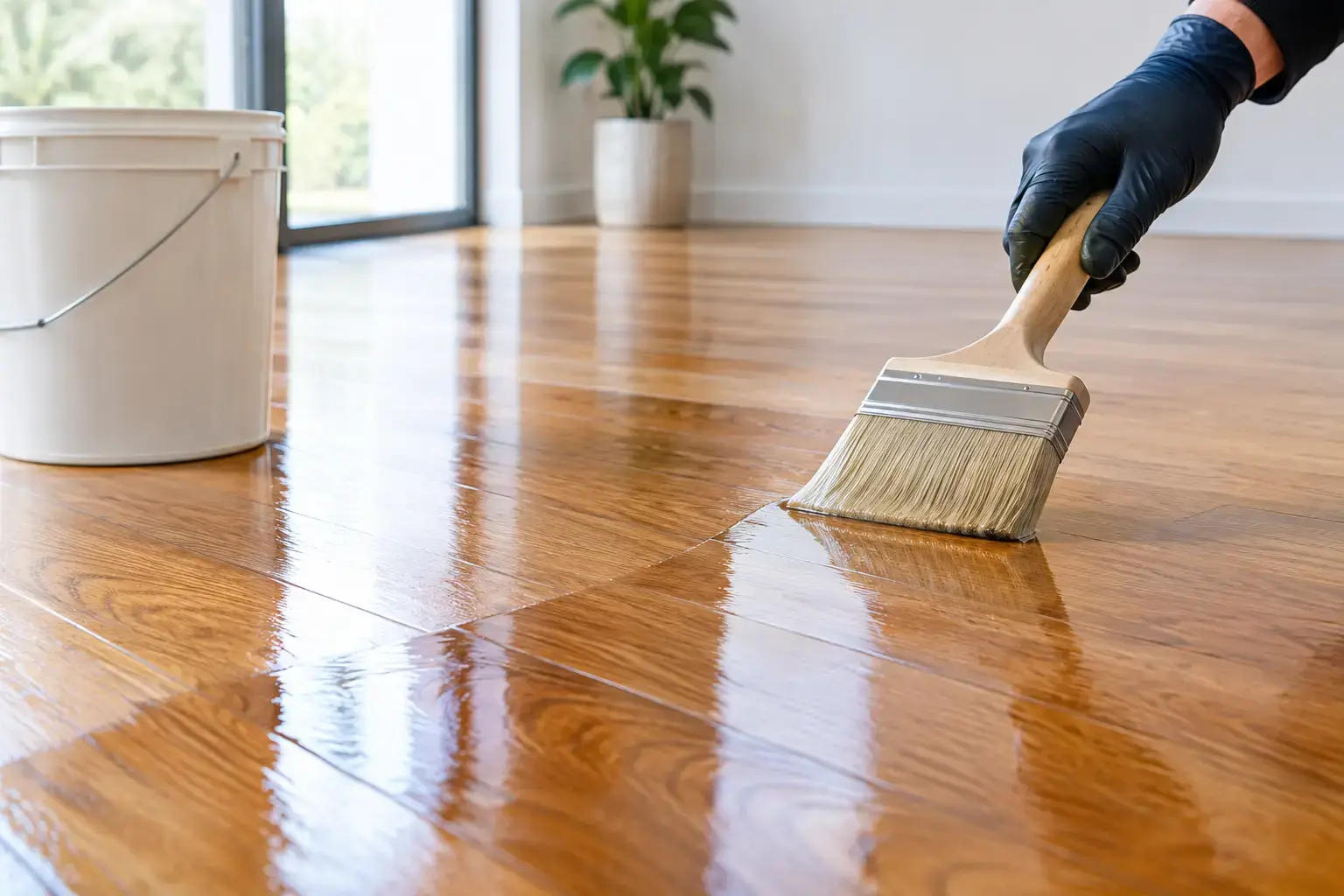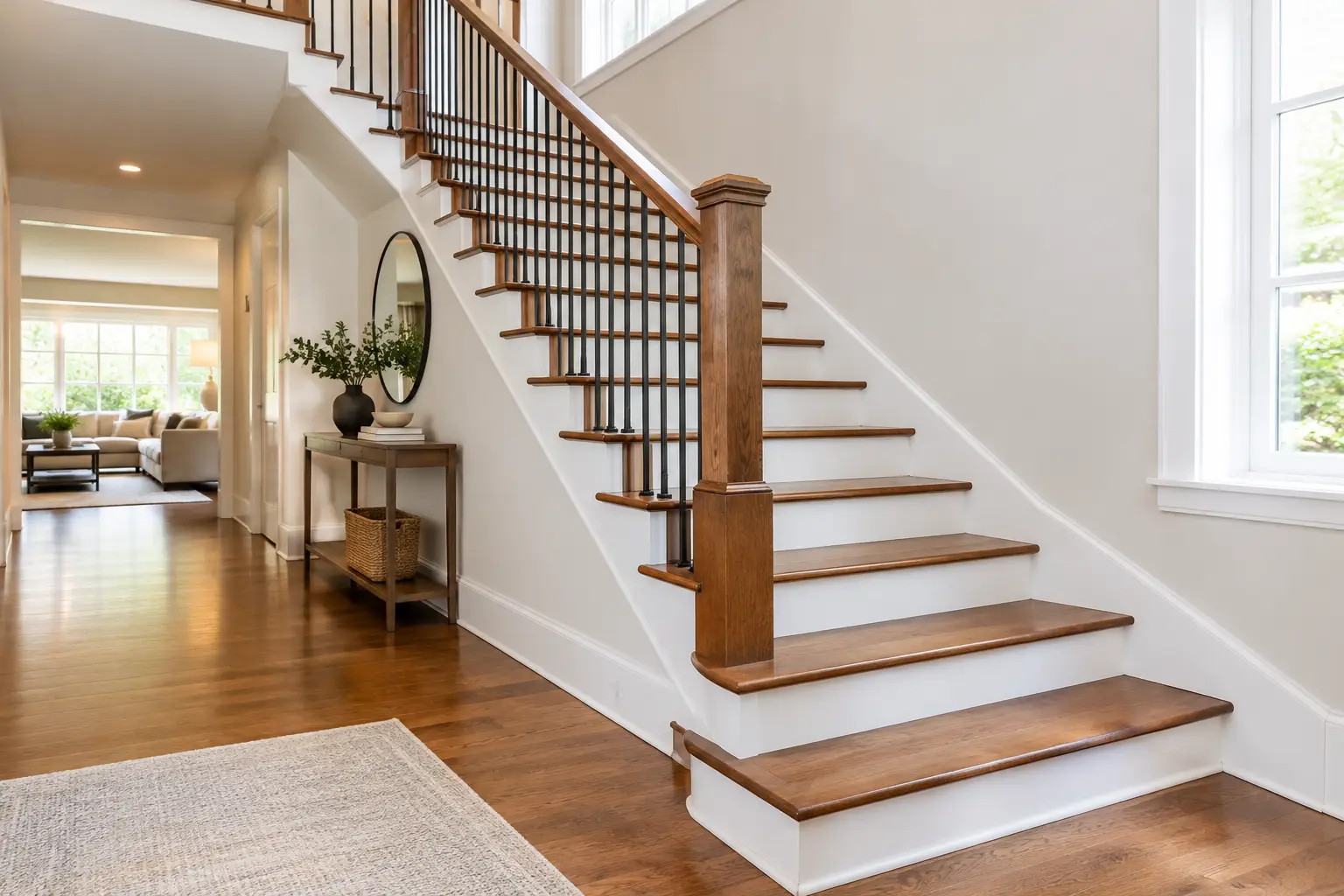
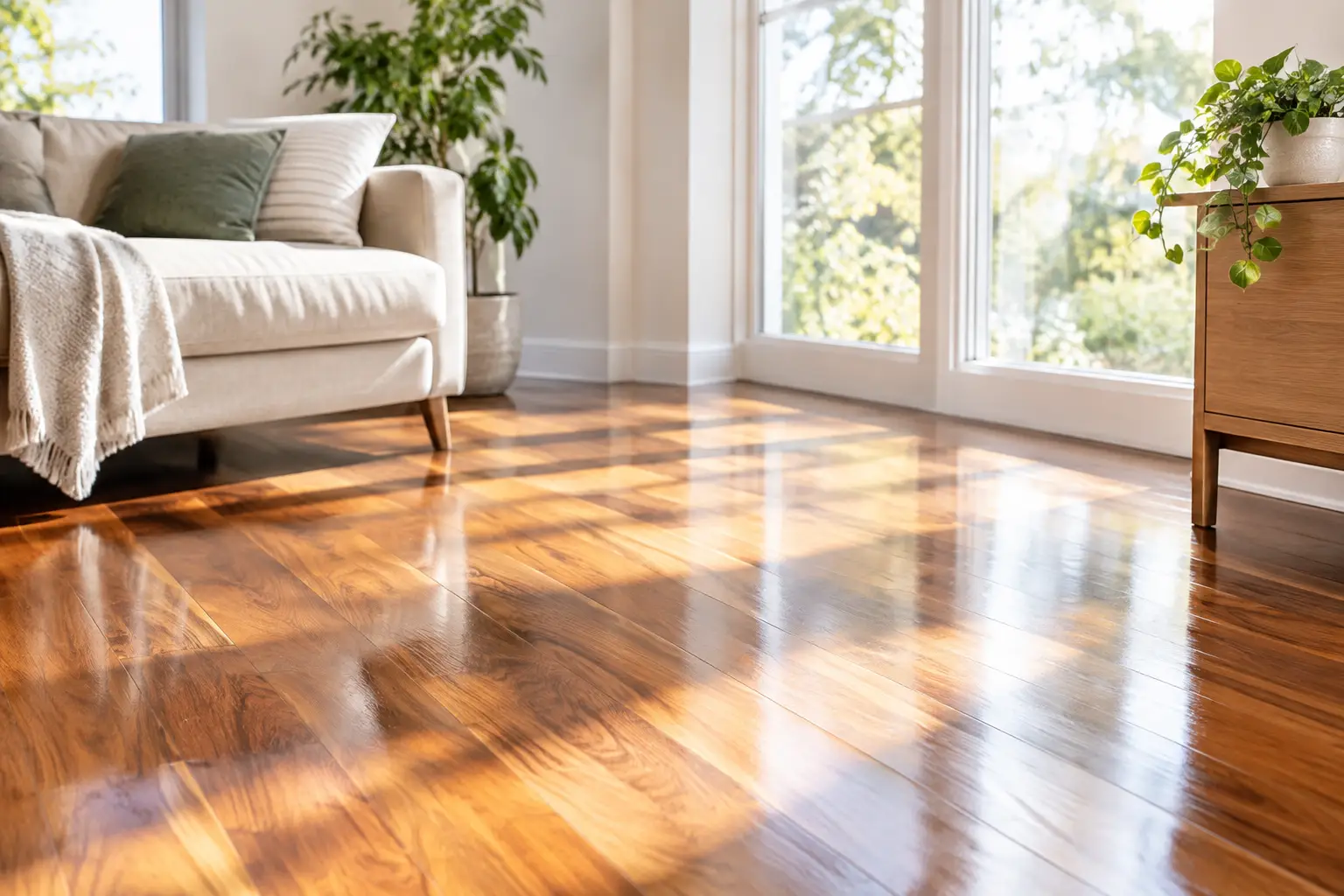
A wall of windows can make a hardwood floor extraordinary – and it can reveal every poorly considered color decision by midafternoon. When homeowners ask about the best floor stains for sunlight, they are usually looking for a floor that will remain handsome as daylight moves across the room, not one that appears dramatically orange, gray, or washed out six months after installation.
The right answer is rarely a single stain name. It is a considered relationship between the wood species, the stain’s undertone, the amount and direction of natural light, and the quality of the finish protecting the floor. For a home in Potomac, McLean, Annapolis, or along the Eastern Shore, where generous windows and water-reflected light are common design features, that relationship deserves careful attention.
What sunlight changes in a hardwood floor
Sunlight affects two things at once: how a stain appears to the eye and how the wood changes over time. Bright, direct light can make warm red and yellow undertones more pronounced. It can also make a very dark floor show dust, pet hair, and fine surface scratches more readily. In a north-facing room with cooler light, a gray-brown stain may feel calm and balanced. Put that same floor in a south- or west-facing great room, and it may read unexpectedly cool or flat beside the warmth of the sun.
Ultraviolet exposure also changes the wood itself. Some species naturally deepen, amber, or mellow with age. Cherry is especially active in this respect, growing richer and darker in light. Walnut often develops a warmer, lighter-looking surface over time. Red oak can take on more golden warmth, while white oak generally offers a more restrained, adaptable base for contemporary stains.
A stain does not stop this natural movement. A high-performance finish can slow the effects of UV exposure and preserve the floor’s appearance, but no clear finish makes a natural wood floor completely immune to sunlight. That is not a flaw. It is part of the living character of real hardwood. The goal is to choose a color that will age gracefully rather than fight the material.
The best floor stains for sunlight are usually balanced
For sunlit rooms, balanced medium tones are often the most forgiving and enduring choice. They offer enough depth to define the grain without absorbing so much light that every speck of dust becomes visible. They also avoid the stark contrast that can make pale floors look uneven as furniture, rugs, and sun exposure shift over the years.
Natural and clear finishes
A natural or near-natural stain lets the species lead. On white oak, this may create a soft wheat, biscuit, or pale honey appearance. On red oak, it will show more warmth and variation. A natural look is especially successful when the homeowner appreciates authentic grain and accepts that the floor will slowly develop more depth with age.
This approach is not always the palest option. A clear finish can still warm wood, particularly on red oak or maple. Sample boards are essential because a finish that reads clean and light in a showroom may look more golden beneath a home’s actual daylight.
Soft neutral browns
Neutral brown stains with a modest taupe, nut-brown, or mushroom undertone remain among the most reliable choices for bright interiors. They have enough warmth to prevent a room from feeling cold, yet they are less likely than red-toned stains to become visually intense in afternoon sun.
These colors work particularly well on white oak, which accepts a wide range of tones with handsome grain definition. They also complement both traditional millwork and the quieter, tailored finishes common in updated historic homes. For families who want elegance without a floor that feels overly precious, a balanced brown is often a long-term favorite.
Medium brown with gentle warmth
A medium brown stain can bring visual weight to an open room while still handling sunlight well. The key is restraint. A color with slight amber or tobacco warmth can feel inviting in rooms with cool morning light, but it should not lean strongly orange or red unless that character is intentional throughout the interior.
This is where professional color work matters. Two medium brown samples can appear almost identical under artificial lighting, then separate dramatically near a large window. One may pull gold; another may read olive; a third may expose pink beneath a red oak grain. The floor needs to be judged where it will live.
Muted greige and weathered brown
For a more contemporary home, a subdued greige or weathered brown can be beautiful in sun-filled spaces, especially on white oak or reclaimed wood. The best versions retain enough brown to feel like wood rather than concrete. A little warmth keeps the floor grounded as natural light changes from blue morning tones to golden evening light.
There is a trade-off. Very gray stains can feel dated quickly when they are used heavily, and they may highlight the pink or red undertones of certain oak boards if the preparation is not exact. A custom-blended neutral, tested on the actual floor, generally produces a more refined result than choosing a generic gray from a small sample card.
Stains that require more caution in bright rooms
Very dark espresso and ebony floors make a dramatic statement, but they are demanding in rooms with strong sun. Direct light reveals dust, footprints, scratches, and gaps between boards more easily than on medium tones. They can still be the right choice for a formal dining room or a carefully maintained home, but they should be selected with clear expectations about upkeep.
Strong orange, red, or yellow stains also deserve a cautious hand. They may suit a period restoration or a home with richly traditional furnishings, yet sunlight tends to intensify them. What looks pleasantly warm on an isolated sample can dominate an entire open-plan space once the floor is installed.
At the other end of the spectrum, heavily bleached or extremely pale floors can look striking but may show uneven aging where rugs, furniture, and window exposure create different conditions. This does not mean pale floors are a poor choice. It means the homeowner should be comfortable with subtle variation and choose a finish system designed for the best possible UV resistance.
Wood species matters as much as stain color
The same stain behaves differently on every species. White oak is a strong choice for sunlight-conscious projects because its grain is expressive, its undertones are relatively flexible, and it can support natural, neutral, warm, or lightly weathered looks. It is one reason white oak remains a favorite for wide-plank floors and custom finishes.
Red oak is equally durable and beautiful, but its naturally warmer undertones require more deliberate color selection. It often shines with medium browns and classic warm neutrals rather than cool gray formulas. Maple can be challenging to stain evenly because of its dense, closed grain, while walnut is usually valued for its natural color rather than heavily stained. Reclaimed boards introduce another layer of variation, which is often exactly the appeal – but they should be sampled extensively before a final color is approved.
A skilled refinishing team considers not only the species but also the age of the floor, prior treatments, board-to-board variation, and the sanding sequence. Stain color begins with wood preparation. If sanding is uneven, no premium stain or finish can fully disguise the result.
Finish protection is part of the color decision
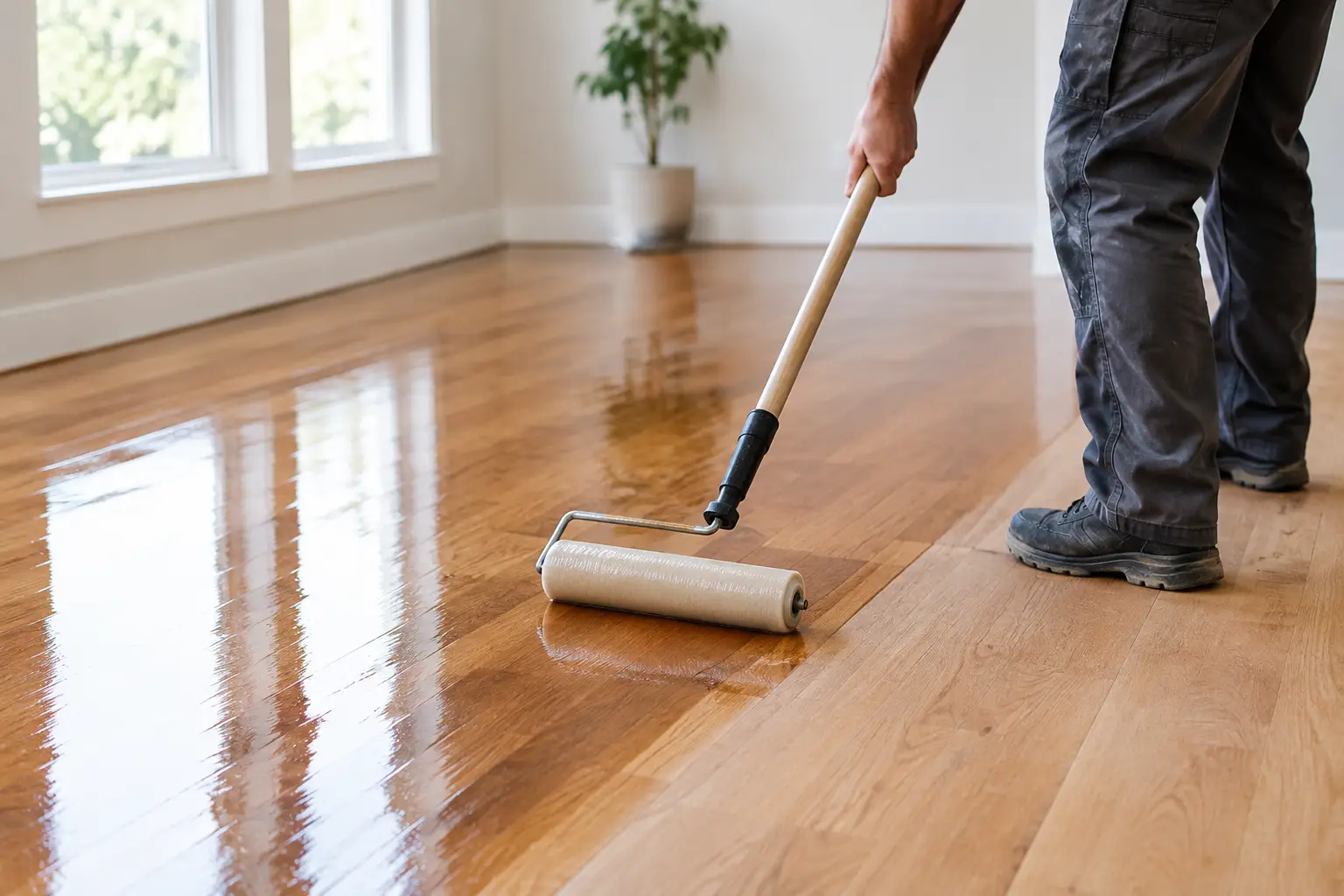
Stain provides color. The finish provides the daily protection that helps preserve it. Modern waterborne finishes offer excellent clarity, low VOC emissions, quick dry times, and a more natural appearance than older ambering systems. Many homeowners prefer them because they allow the stain and grain to remain true without adding a pronounced yellow cast.
A quality finish with UV inhibitors can help reduce fading and color change, but it cannot eliminate it. Window treatments, UV-filtering glass, and thoughtful furniture placement all help manage direct exposure. Moving area rugs and furniture occasionally can also prevent a sharp contrast between covered and uncovered areas as the floor matures.
Sheen deserves attention as well. A satin or matte finish usually performs beautifully in sunny spaces because it softens glare and makes everyday wear less conspicuous than a high-gloss surface. It gives the floor a composed, architectural presence while allowing the craftsmanship of the wood to remain the focal point.
Always approve the stain in your own light
The most dependable way to select a stain is to create large sample areas on the actual floor or on boards from the same material. View them in morning, midday, and evening light. Place cabinet, paint, upholstery, and rug samples nearby. A stain should be evaluated after the proposed finish is applied, not merely after the color is wiped onto bare wood.
This process takes patience, but it protects a significant investment. At Royal Oaks Flooring, careful sampling is treated as part of the craft, not an extra step. The floor color should feel intentional beside the architecture of the home and remain pleasing when the room is at its brightest.
A sunlit hardwood floor does not need to be hidden from the light. Choose a stain with measured undertones, pair it with a durable low-VOC finish, and allow the wood’s natural character to develop with grace. Done well, the changing daylight becomes part of what makes the floor memorable.