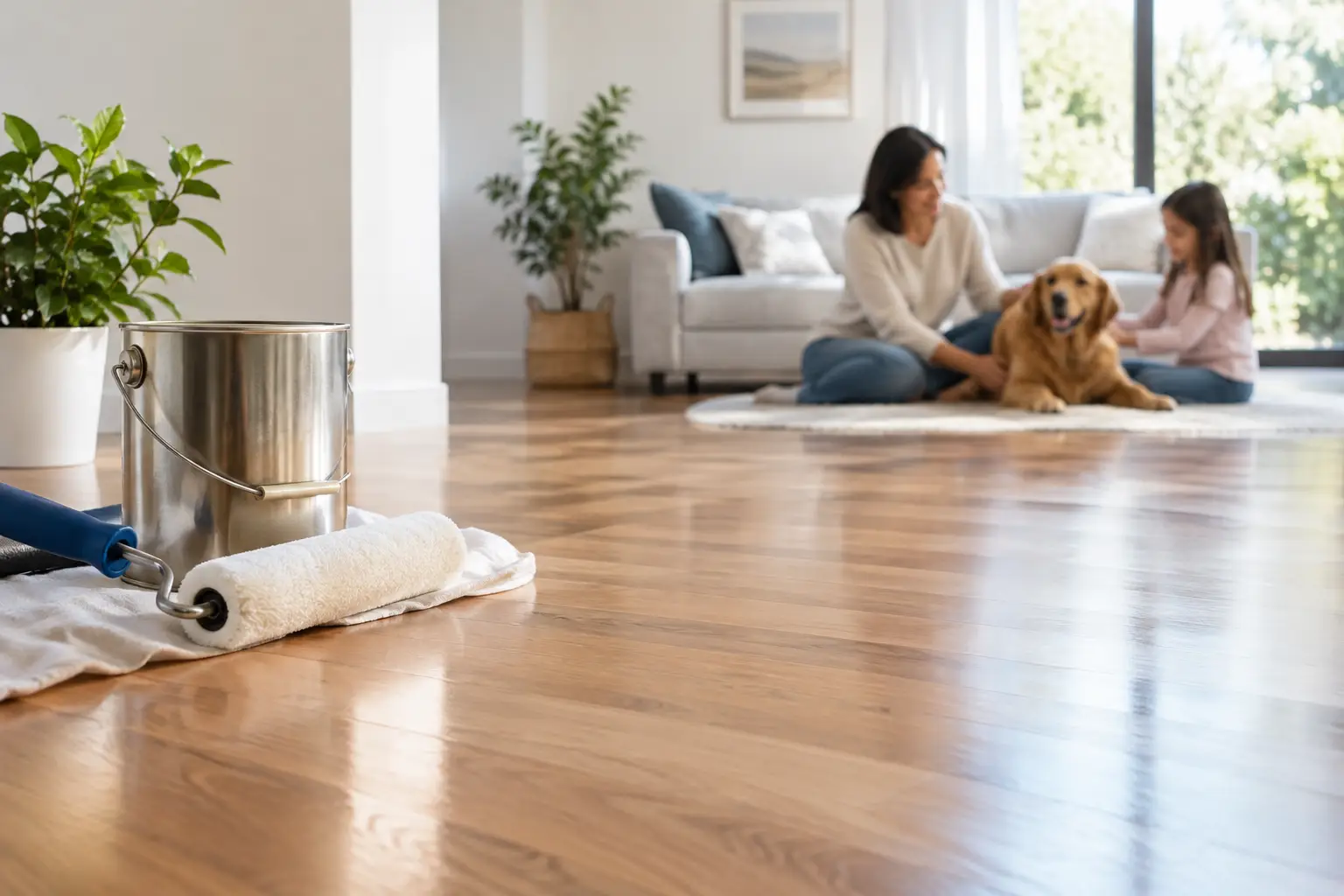
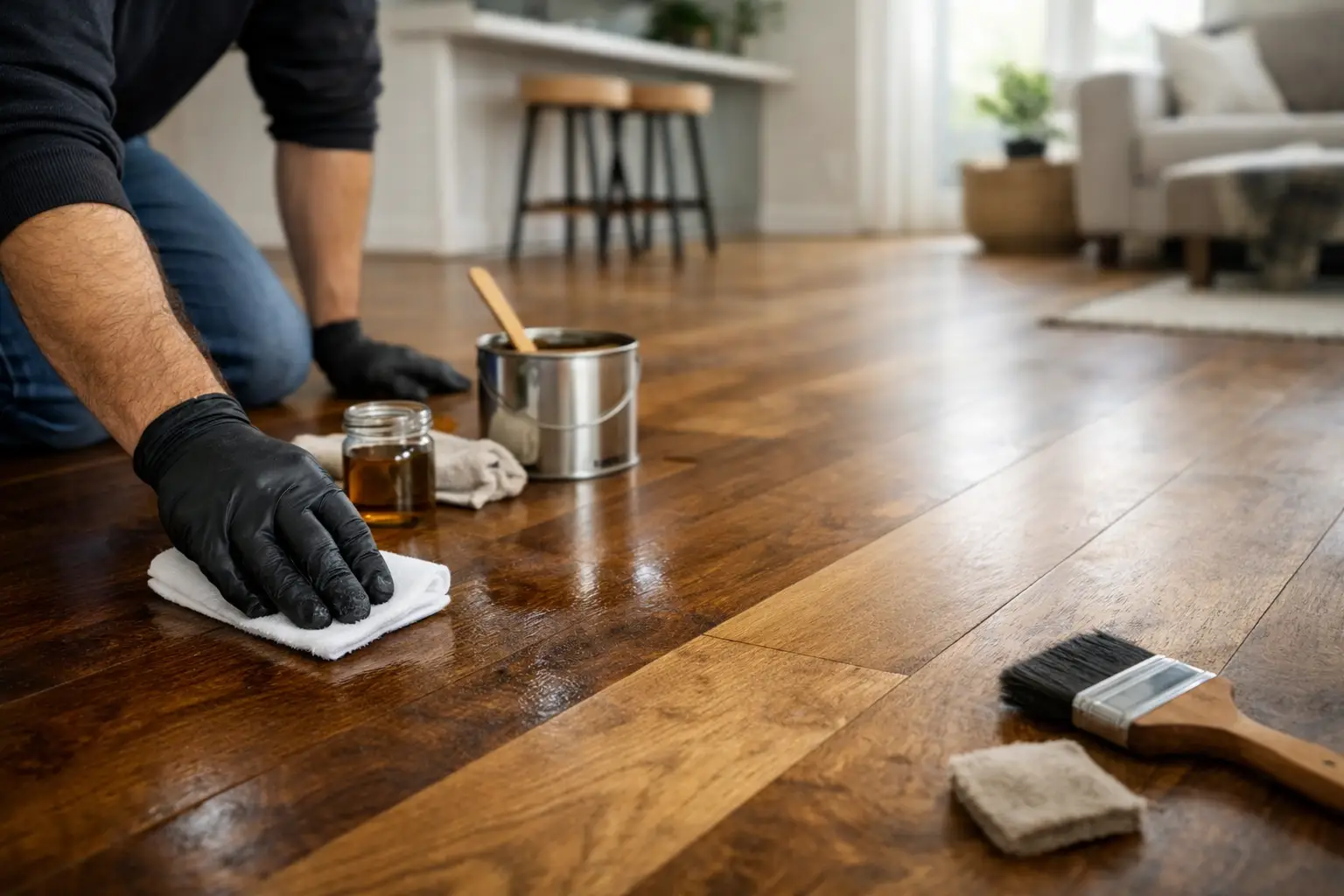
A floor finish can change more than the color of the wood. It changes how light moves across the room, how easily a scratch disappears into the grain, and whether the floor feels like a natural material or a protected surface. In this Rubio Monocoat review for floors, the central question is not whether the product is good. It is whether its distinctive look and maintenance approach fit the way your household lives.
Rubio Monocoat has earned a strong following among designers, craftspeople, and homeowners who want wood to retain a raw, tactile character. It can create exceptionally beautiful results, particularly on white oak, reclaimed boards, and wide-plank flooring. But it is not a universal substitute for every polyurethane finish. The best outcome depends on careful preparation, disciplined application, and realistic expectations about wear.
What Makes Rubio Monocoat Different?
Rubio Monocoat Oil Plus 2C is a hardwax oil system designed to color and protect wood in a single coat. Rather than building a thicker film over the surface, the oil bonds with the wood fibers. The result is a low-sheen finish that allows the grain, open pores, and natural variation of the lumber to remain visible.
That distinction matters in a finished home. A film-forming finish often has more surface build and can create a smoother, more sealed appearance. Rubio feels closer to unfinished wood, though it is protected. On a carefully sanded oak floor, the effect can be refined and understated: warm rather than glossy, contemporary without looking artificial.
The product is also valued for its low-VOC profile and relatively quick cure compared with many traditional oil finishes. For households planning a renovation in an occupied home, that can be a meaningful advantage. Still, fast curing should never be confused with a reason to rush the flooring process. The quality of sanding, stain testing, application, and site conditions remains decisive.
Rubio Monocoat Review for Floors: Where It Excels
The visual appeal is the strongest argument for Rubio. It delivers a matte, natural finish that works beautifully in homes where the floor is intended to be part of the architecture rather than a shiny backdrop. White oak finished in a warm neutral, a muted natural tone, or a carefully selected custom color can have remarkable depth without losing the character that made the wood worth choosing in the first place.
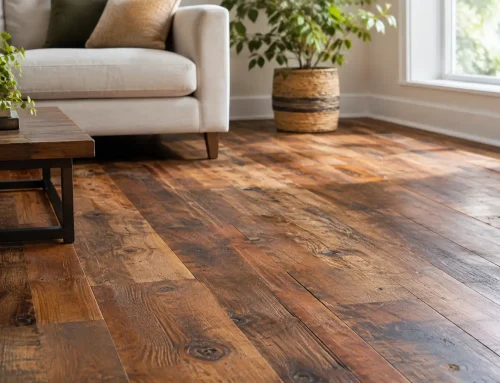
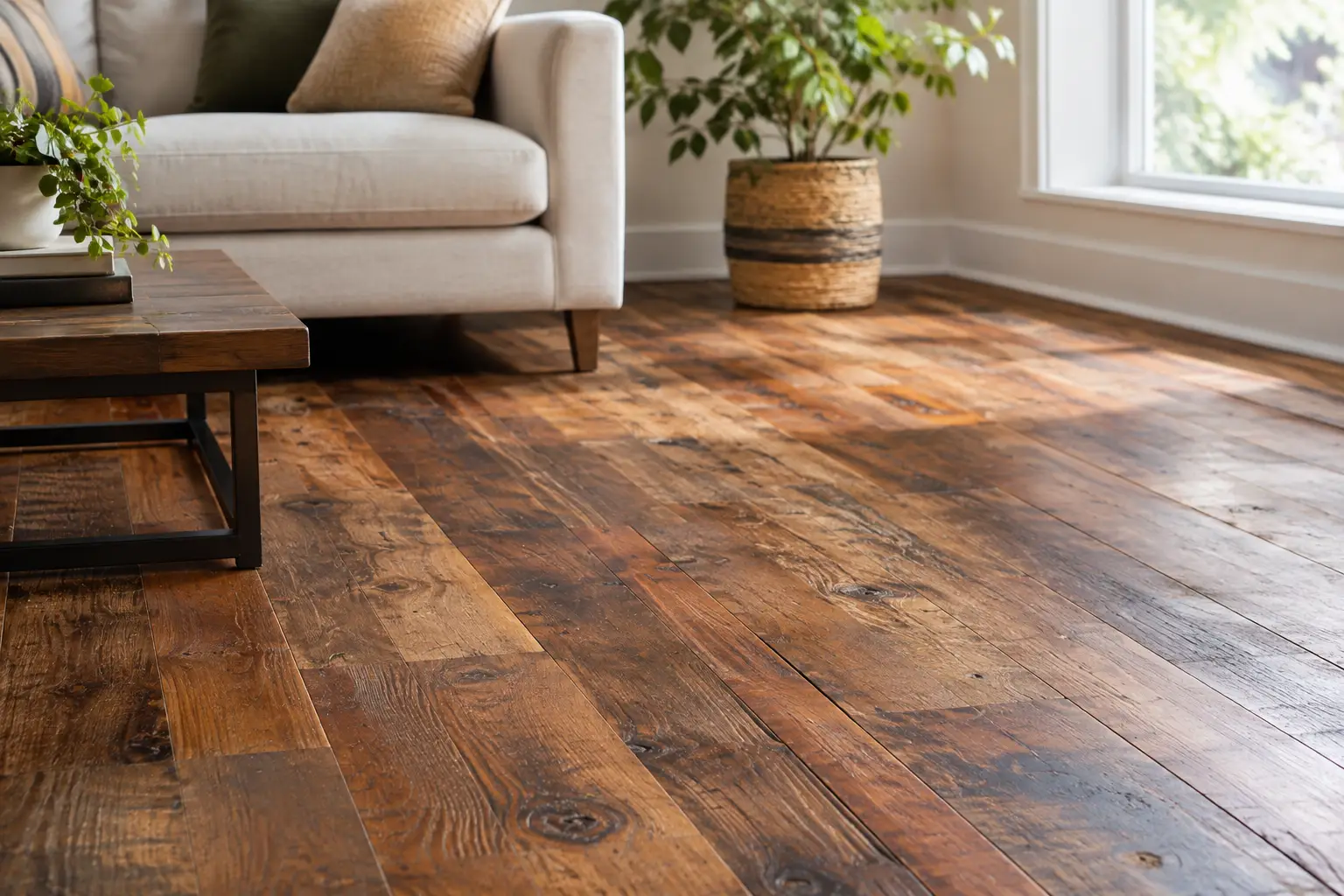
It is especially well suited to wide planks, wire-brushed textures, European oak, and reclaimed wood. These materials have movement and irregularity that can look flattened beneath a heavy finish system. Rubio tends to honor those details. It can also be an excellent choice for historic homes and Eastern Shore properties where the goal is to preserve the honest texture of antique boards while giving them modern protection.
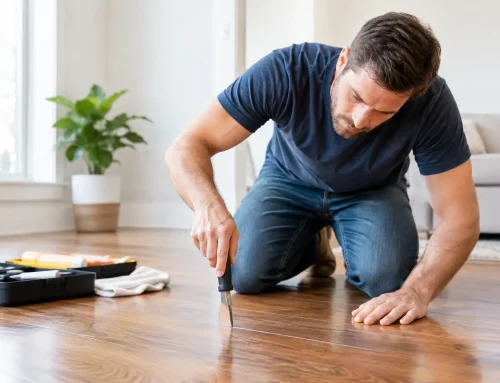
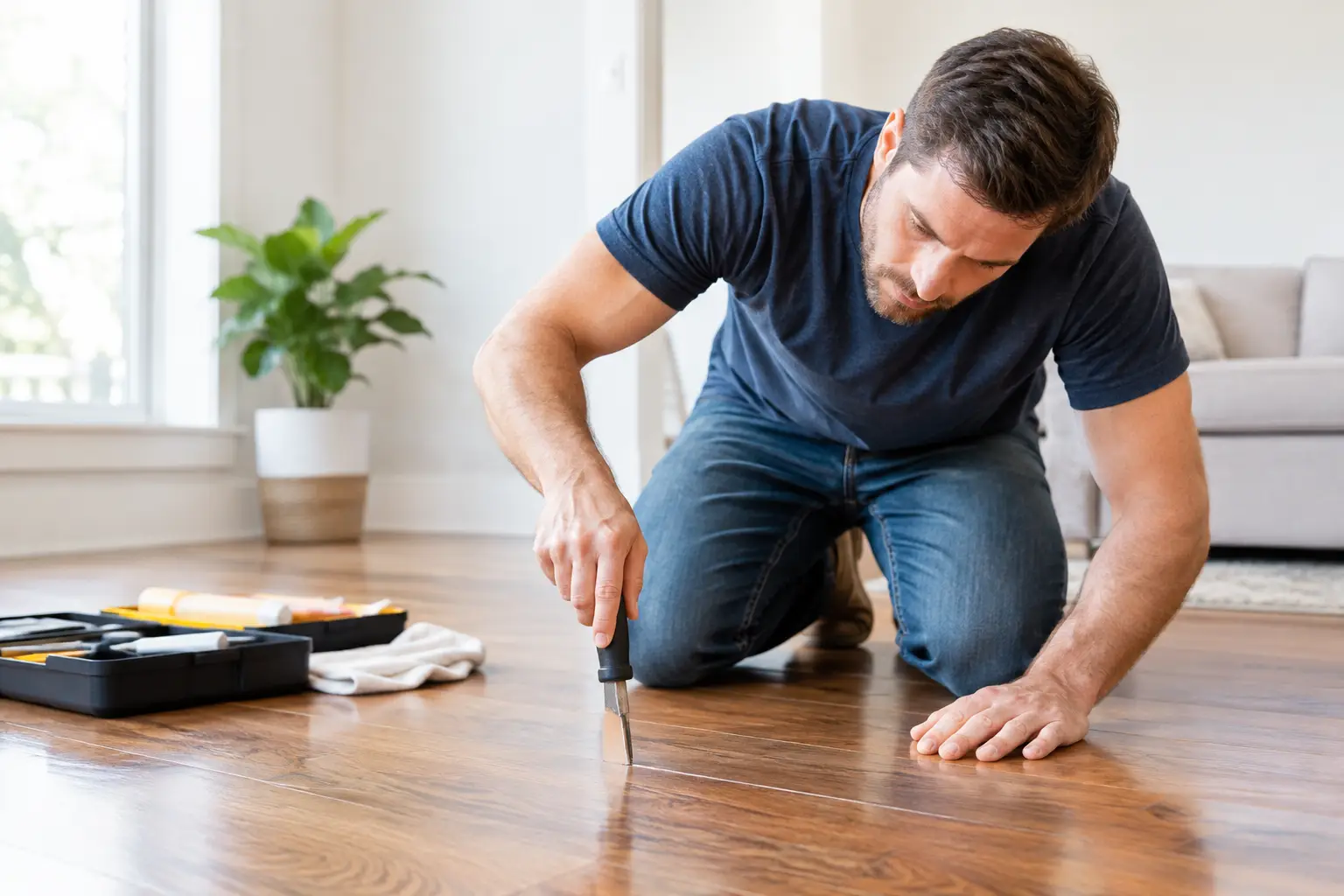
Another advantage is localized repair. Because the finish does not rely on a thick continuous film, a small damaged area can often be cleaned, lightly abraded if appropriate, and re-oiled without refinishing an entire room. This is a genuine benefit for a dining room with active family use, an entry near a muddy garden path, or a home with pets.
That does not mean every repair is invisible. Wood naturally changes color with age and exposure to light, and a repair can look different until it settles in. On a properly maintained floor, however, the ability to address a small area rather than sand the whole floor is a meaningful long-term advantage.
The Trade-Offs Homeowners Should Understand
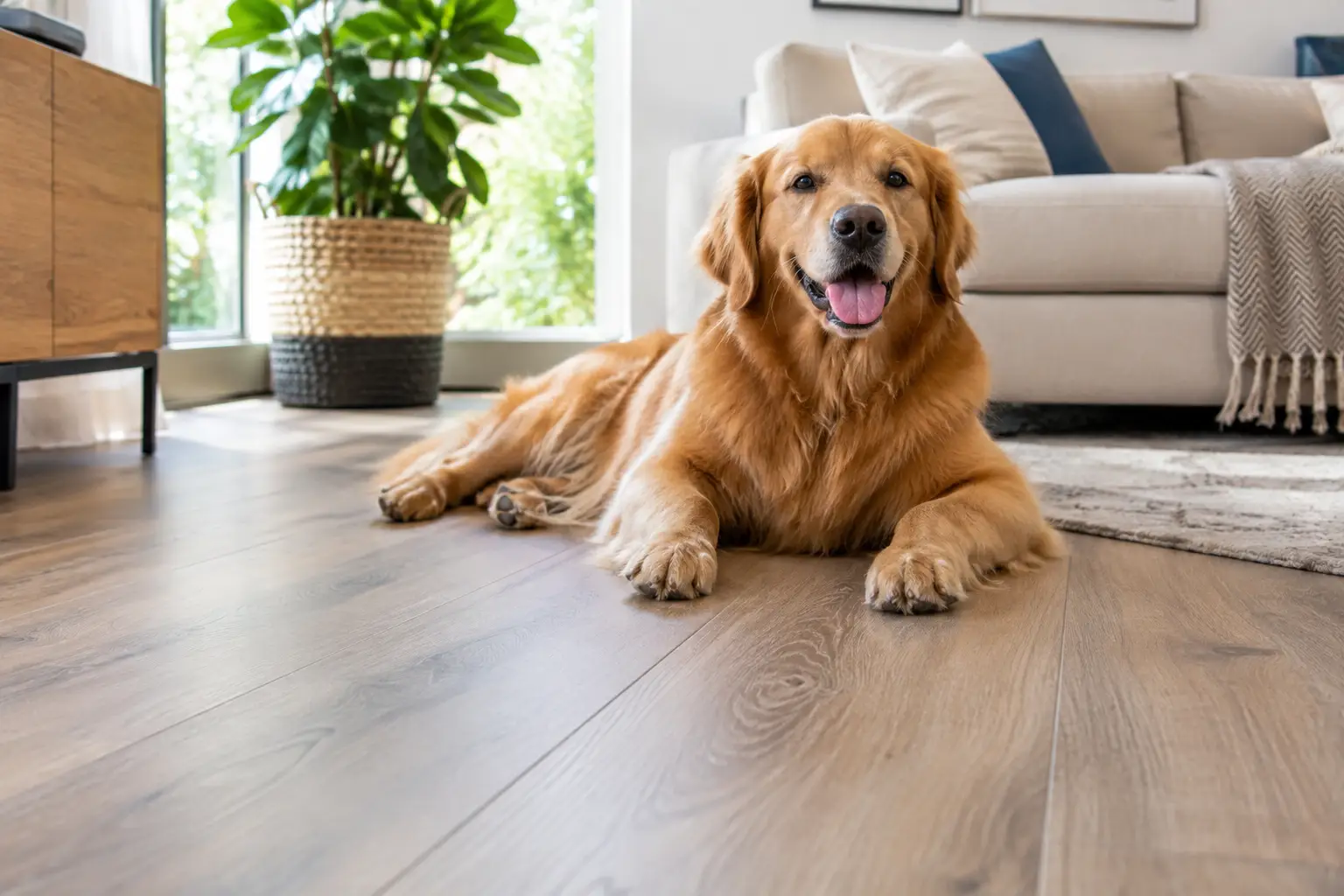
A natural-looking finish is not the same as a maintenance-free finish. Rubio-treated floors are durable, but they ask for the right kind of care. Grit is still the enemy of any hardwood floor, and standing water should never be left on the surface. Entry mats, felt pads under furniture, and prompt attention to spills matter just as much as the finish selected.
The finish can also reveal workmanship. Uneven sanding, residual contamination, inconsistent spread rates, or poor buffing may leave visible lap marks, sheen variation, or areas that absorb color differently. Dark colors and heavily pigmented tones are particularly demanding. A product marketed around a one-coat process still requires a multi-step professional approach.
For some households, a high-performance waterborne polyurethane may be the more practical choice. A busy rental, a large dog household with frequent wet paws, or a commercial setting may benefit from the additional surface protection of a well-built film finish. A high-quality polyurethane can be easier to clean in certain circumstances and may better suit clients who want a more traditional protective barrier.
The decision is not simply oil versus polyurethane. It is a question of priorities. Do you want the quiet, natural feel of wood and the ability to make spot repairs? Or do you prefer a more sealed surface with a different maintenance profile? Both can be excellent systems when chosen for the right project.
Application Is Where the Finish Earns Its Reputation
Rubio Monocoat is unforgiving of shortcuts. The floor must be sanded evenly and thoroughly, with a final sanding sequence suited to the species, grain pattern, and intended color. Any traces of old finish, adhesive, silicone, wax, or household contamination can affect absorption and adhesion.
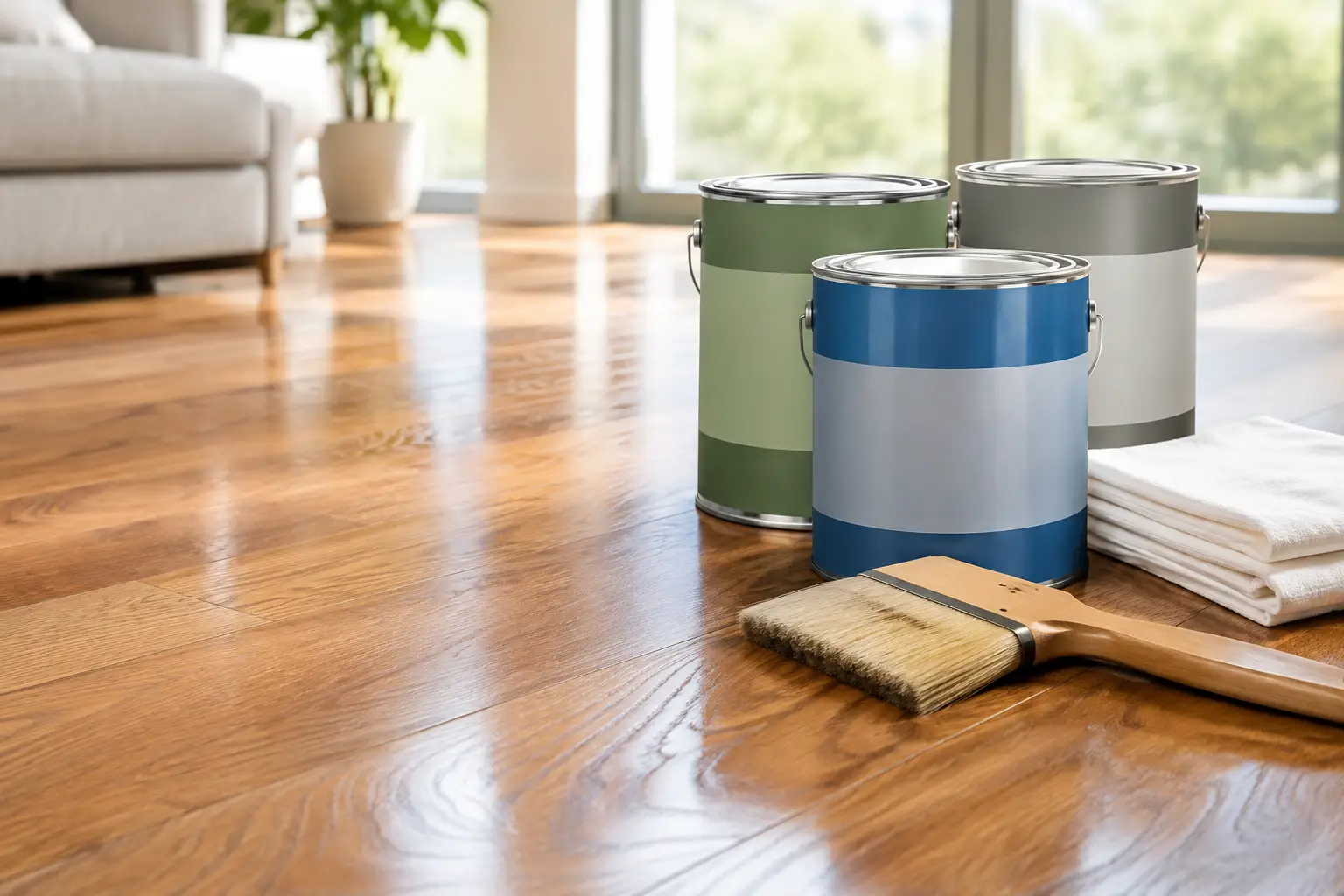
Color samples are essential, not optional. Oak can vary board by board, and maple, walnut, cherry, and reclaimed wood each respond differently. The same Rubio color may look balanced on a sample panel and dramatically warmer, cooler, or more saturated across an entire room. A professional should prepare samples on the actual flooring whenever possible, under the lighting conditions that matter most to the homeowner.
During application, excess oil must be removed properly. Leaving material on the surface can create tackiness, inconsistent sheen, or cure problems. Corners, edges, transitions, and areas around cabinetry also deserve close attention. These are the details that separate a floor that merely has a premium product on it from one that looks composed, even, and finished with intention.
Humidity, temperature, wood moisture content, and the condition of the subfloor all belong in the conversation. In the Washington, D.C. Metro area and along Maryland’s Eastern Shore, seasonal humidity can be significant. Proper acclimation and moisture management protect the flooring system beneath the finish and help preserve the finished appearance over time.
Living With a Rubio-Finished Floor
Day-to-day care is straightforward when it is consistent. Dry-clean the floor regularly with a soft broom, vacuum made for hard surfaces, or microfiber mop so abrasive grit does not work into traffic paths. Use a cleaner approved for hardwax oil floors when damp cleaning is needed, and avoid soaking the surface.
Avoid steam mops, harsh degreasers, oil soaps, and general-purpose cleaners that can leave residue or interfere with future maintenance. A floor that looks dull is not always a floor that needs more oil. Often, it needs residue removal, better cleaning habits, or an inspection to identify whether wear is truly present.
Maintenance oil can refresh areas that have become dry-looking or more absorbent over time. The frequency depends on traffic, sunlight, pets, cleaning habits, and the wood itself. A quiet bedroom may go years without needing attention, while an active kitchen or entry may need a maintenance plan sooner. Treating only where the floor needs it is one of the system’s practical strengths.
Is Rubio Monocoat Worth It for Your Floor?
Rubio Monocoat is worth serious consideration when the priority is a sophisticated, low-sheen floor that looks and feels like real wood. It is particularly compelling for homeowners who appreciate nuanced color, natural grain, and the possibility of targeted future repairs. On premium white oak, reclaimed flooring, or a carefully restored antique floor, the finished result can be exceptional.
It is less ideal when the project calls for maximum abuse resistance with minimal homeowner involvement, or when the installer is unfamiliar with the product’s preparation and application requirements. The finish itself is only one part of the investment. The expertise behind the sanding, testing, and finishing schedule is what protects that investment.
For a floor meant to anchor a home for decades, the best finish is the one that supports both the wood and the life around it. Royal Oaks Flooring approaches that choice as a craft decision, balancing the species, architecture, light, traffic, and maintenance expectations before the first coat is applied.