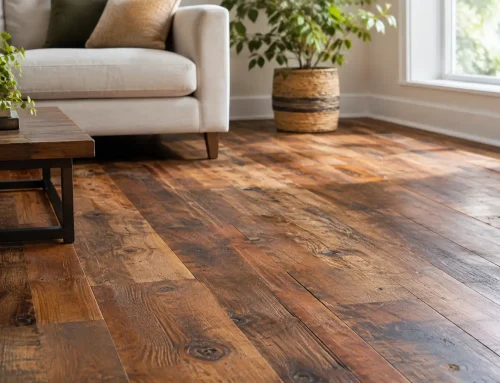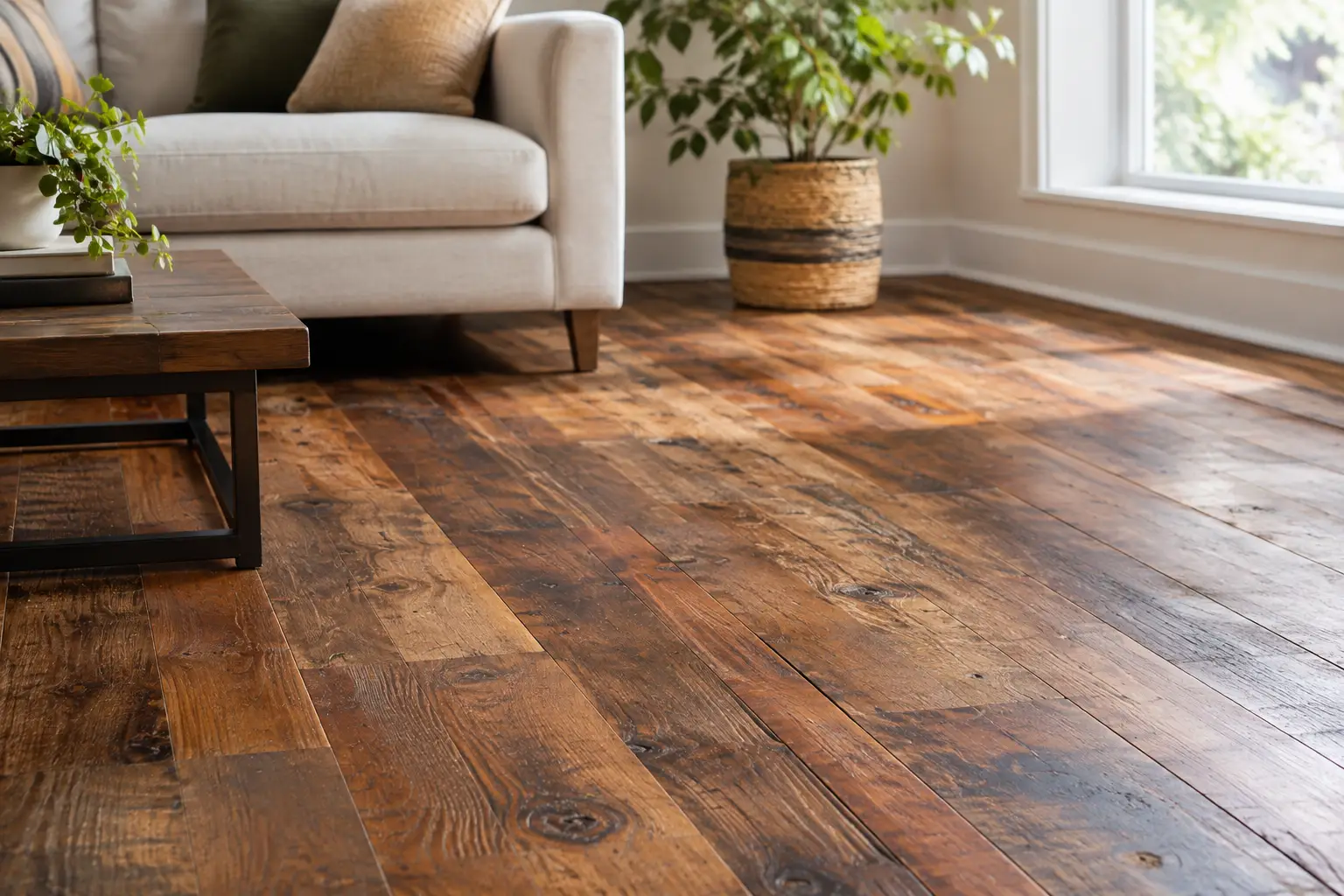
A hardwood floor can look worn long before it is worn out. The traffic path between a McLean kitchen and family room may lose its luster, a dining room may show chair marks, and a once-rich stain may appear dull beneath years of sunlight. Professional wood floor refinishing McLean homeowners choose is not simply a cosmetic upgrade. Done with care, it preserves the material beneath your feet, corrects surface damage, and restores the depth that made the floor worth choosing in the first place.
For design-conscious homeowners, the goal is rarely to make an older floor look brand new at any cost. A well-executed refinishing project should honor the wood’s natural grain, complement the architecture of the home, and provide a finish durable enough for daily life. That requires more than a rental sander and a stain sample. It requires an informed assessment of the floor, the right preparation, and craftsmanship at every stage.
When a Hardwood Floor Needs Refinishing
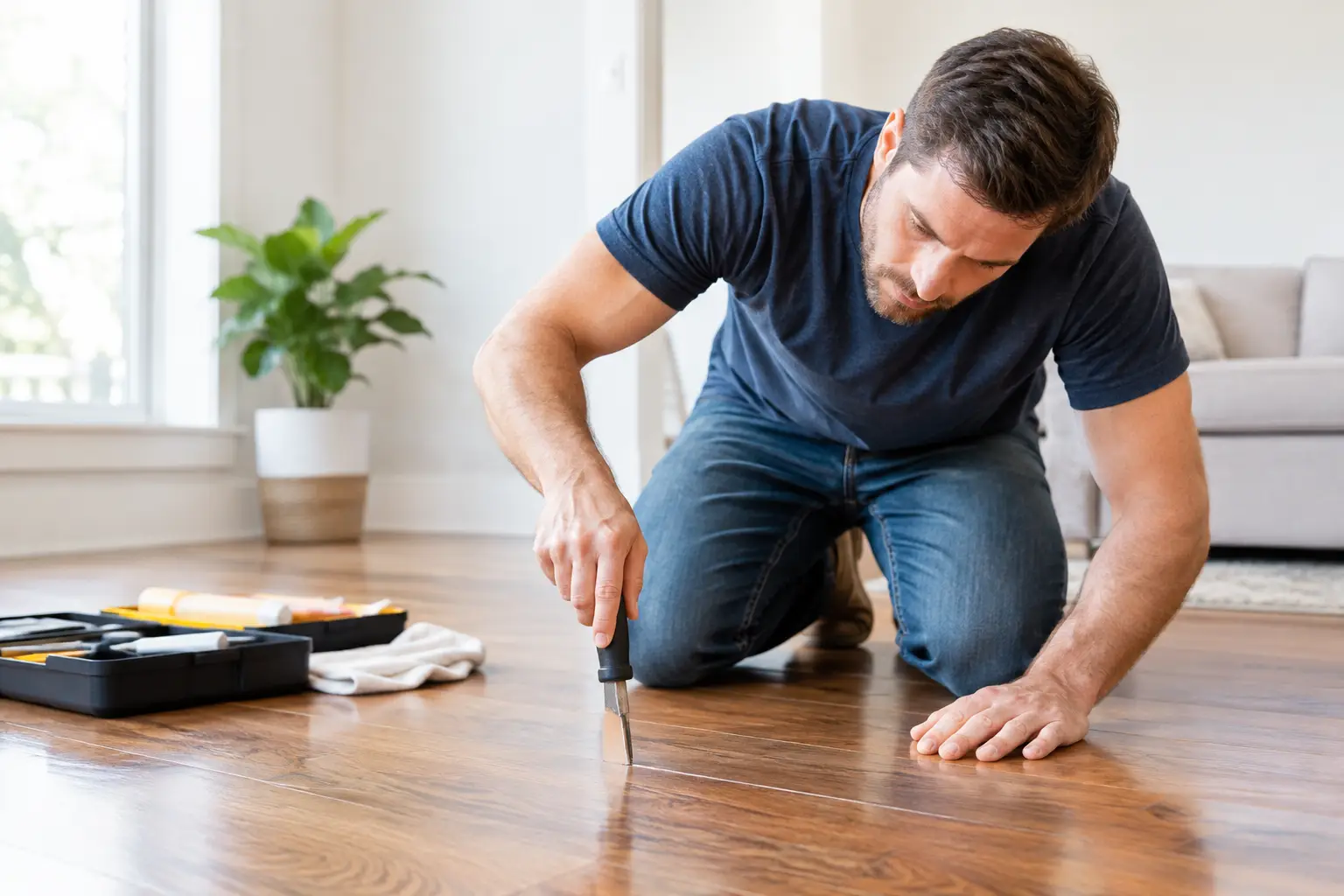
Scratches alone do not always mean a floor needs to be sanded. A high-quality finish can collect fine marks from pets, shoes, and furniture while still protecting the wood underneath. In some cases, a thorough professional cleaning and a maintenance coat are enough to renew the surface.
Refinishing becomes the better answer when the protective finish has worn through, especially in heavily traveled areas. Gray or darkened wood near exterior doors, deep scratches that catch a fingernail, water rings, cupping, or a floor that absorbs a drop of water quickly are all signs that the surface may no longer be adequately protected.
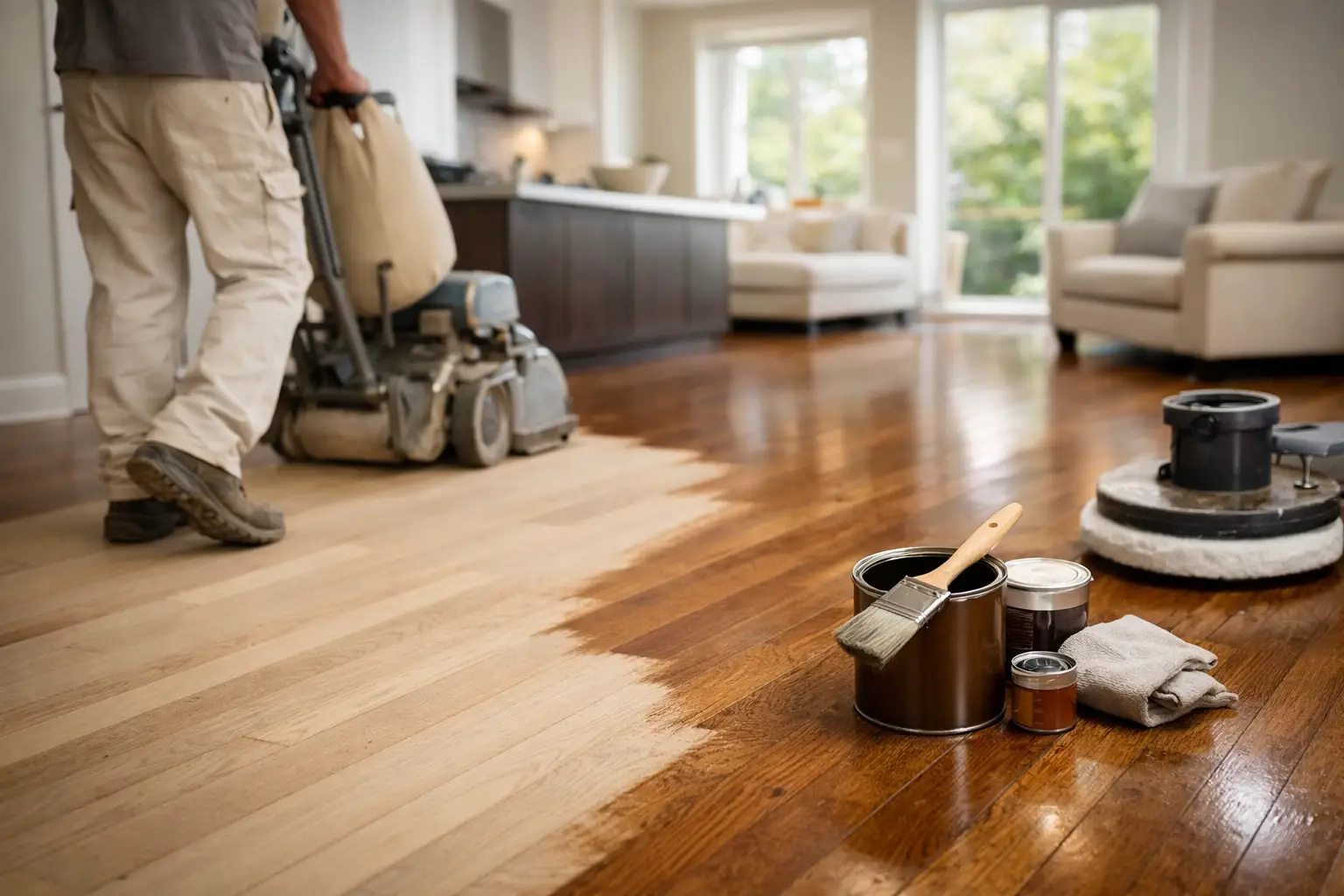
The distinction matters. Screening and recoating lightly abrade the existing finish before applying a fresh protective coat. It is less invasive and often faster, but it cannot remove deep scratches, correct uneven color, or repair substantial wear. Sanding brings the floor back to bare wood, allowing a craftsman to address imperfections, make repairs, and apply a new stain and finish system.
A proper site evaluation should also consider the age and thickness of the flooring. Solid hardwood can often be refinished several times over its lifetime, but thin engineered flooring, hand-scraped boards, and antique materials require a more measured approach. The question is not simply whether a floor can be sanded. It is whether sanding is the right way to protect its value and character.
What Wood Floor Refinishing in McLean Should Address
A refined result begins before the first sanding pass. Floors in established homes can reveal surprises: loose boards, old staple holes, prior patchwork, pet stains, water damage near appliances, or uneven transitions from an earlier renovation. These details deserve attention because a beautiful finish will only draw more attention to unresolved problems.
Repairs Should Come Before Color Decisions
Small repairs can make an extraordinary difference. Replacing damaged boards, securing movement, filling appropriate gaps, and blending patches into the surrounding floor help create a more cohesive surface. With oak, maple, walnut, cherry, reclaimed lumber, or wide-plank flooring, repairs must be selected and placed with an eye for grain direction, board width, and natural variation.
Not every mark should disappear. In a historic home or a room with antique flooring, a few signs of age can be part of the appeal. The best approach depends on the homeowner’s vision. Some want a cleaner, more uniform presentation; others want to retain the evidence of a floor’s long history while restoring its protection and warmth.
Sanding Requires Control, Not Aggression
Sanding is a precise process of leveling and refinement. It removes old finish, surface damage, and previous stain while preserving as much wood as possible. Uneven sanding can leave chatter marks, visible edger lines, or low spots that become obvious when afternoon light moves across the room.
Professional dust-containment equipment can also make a substantial difference during the work. No sanding project is entirely dust-free, but thoughtful containment, careful room preparation, and daily jobsite discipline help protect the rest of the home. This is especially valuable in occupied residences where homeowners are balancing a renovation with work, school, pets, or family routines.
Stain Is Only One Part of the Final Look
Stain samples should be tested on the actual floor, not chosen from a small store display. Wood species, existing mineral streaks, board age, room lighting, and surrounding paint colors all influence the result. The same stain can look dramatically different on red oak than it does on white oak, and maple often accepts pigment differently than either.
Natural finishes remain popular because they allow grain and variation to take center stage. Warm medium browns can complement traditional millwork and established interiors, while deeper tones may create a more formal effect. Light European-inspired treatments can make a room feel airy, though they may require careful color control on older wood. The right choice is not dictated by a trend. It is the one that gives the home a cohesive, lasting appearance.
Choosing a Finish for Real Life
The finish is the floor’s working surface. It determines how the wood handles shoe traffic, dropped toys, dog nails, spills, sunlight, and routine cleaning. For families investing in hardwood, this decision deserves as much thought as stain color.
Modern waterborne finishes offer excellent durability, low odor, quick drying times, and a clear appearance that allows the wood’s natural tone to show through. High-quality very low VOC, Green Guard certified options can also support healthier indoor air quality and reduce the disruption associated with traditional finishing products.
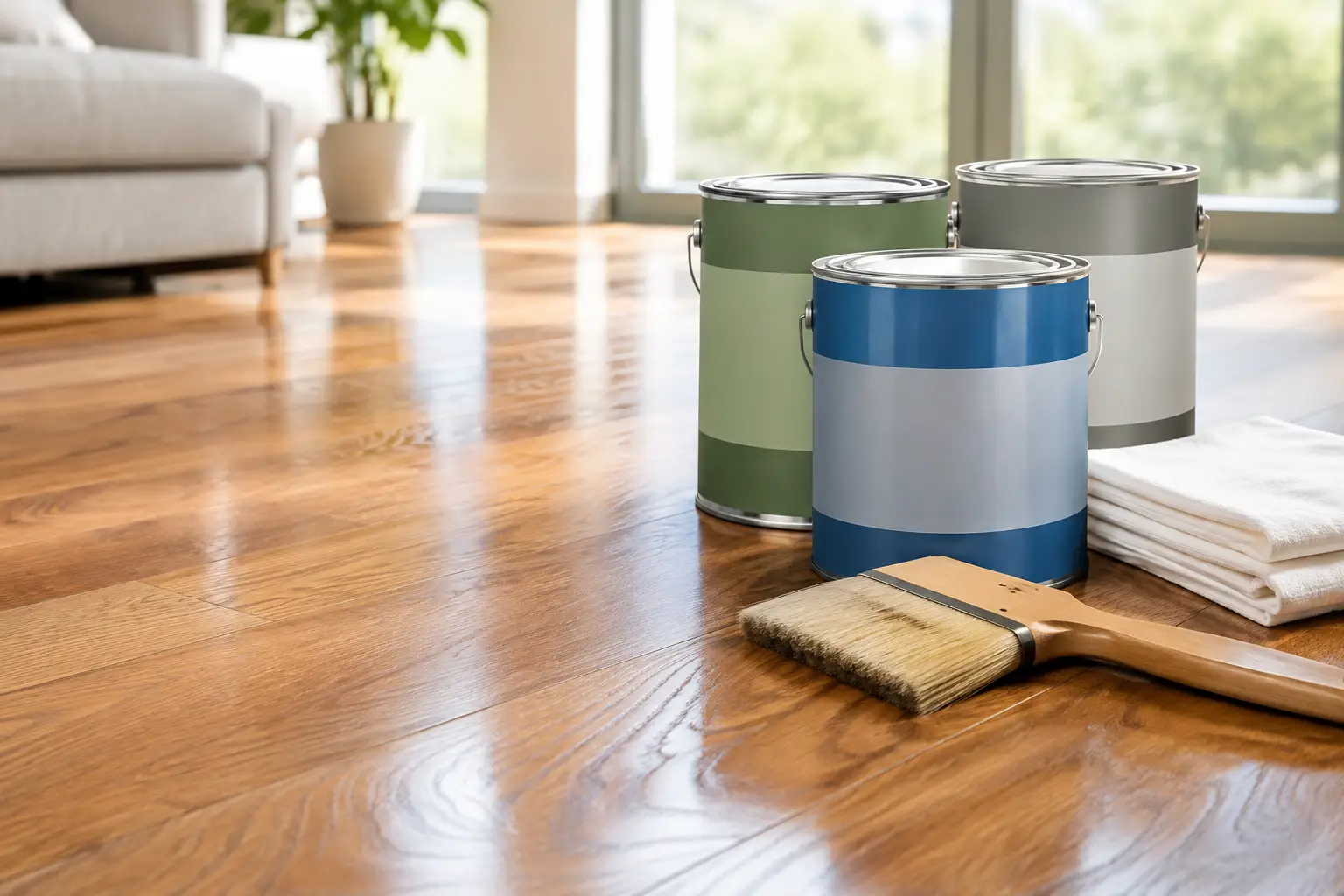
Sheen changes the character of a room as well. Matte and satin finishes are forgiving of small scratches and everyday dust, making them practical for active households. Semi-gloss reflects more light and can create a polished look, but it tends to show surface imperfections more readily. Neither is universally better. A bright formal dining room, a sunlit great room, and a busy family kitchen may call for different priorities.
Royal Oaks Flooring approaches this choice as part of the overall design and performance plan, not as an afterthought at the end of a project. A finish should look appropriate on the day it is applied and still make sense after years of ordinary living.
Preparing Your Home for Refinishing
A refinishing project is temporary, but a little preparation helps it proceed cleanly and predictably. Rooms generally need to be cleared of furniture, rugs, window treatments that touch the floor, and fragile objects. Homeowners should plan for access restrictions while sanding, staining, and finish coats are underway.
Drying time is not the same as full cure time. A floor may be ready for careful foot traffic relatively soon, depending on the finish system and site conditions, but furniture, rugs, and heavy use should wait until the finish has cured as recommended. Rushing this stage can leave impressions or reduce the finish’s long-term performance.
Humidity also matters. Hardwood naturally expands and contracts with seasonal changes, and controlled indoor conditions help minimize movement. Before work begins, it is wise to address active leaks, moisture concerns, or major HVAC issues. Refinishing can restore a floor’s surface, but it cannot solve an underlying moisture problem.
Protecting the Investment After the Work Is Done
The best maintenance routine is consistent rather than complicated. Sweep or vacuum with a hardwood-safe attachment to remove grit, use mats at exterior doors, and place felt pads beneath furniture legs. Wipe spills promptly, particularly around pet bowls, sinks, and entryways.
Avoid wet mops, steam cleaners, abrasive powders, and products that leave a waxy residue. These can dull the surface or interfere with future maintenance coats. When the finish begins to lose its protective strength, a timely screen and recoat may extend the floor’s life and delay the need for full sanding.
A hardwood floor is one of the few finishes in a home that becomes more personal with time. With skilled refinishing, thoughtful finish selection, and sensible care, it can continue to carry the life of the house gracefully – from ordinary mornings to the gatherings people remember.