A floor can look tired long before it is truly finished. Scratches, dull traffic paths, sun fading, and shallow staining often make homeowners assume replacement is the only sensible option. In many cases, that is not true. Knowing how to tell if hardwood floors can be refinished starts with understanding what the floor is made of, how much usable wood remains, and whether the damage is cosmetic or structural.
For homeowners who care about preserving the character of a home, that distinction matters. A well-built hardwood floor can often be renewed beautifully, but only if it still has enough material to sand safely and the underlying boards remain sound. Refinishing is a craft decision as much as a budget decision.
How to tell if hardwood floors can be refinished
The first question is simple: is it solid hardwood, engineered hardwood, or something that only looks like wood? Solid hardwood can usually be refinished multiple times over its life, depending on board thickness and prior sanding. Engineered hardwood may be refinishable, but that depends entirely on the thickness of the real wood wear layer. Laminate and luxury vinyl cannot be sanded and refinished like true wood.
If you have floor vents or unfinished edges in a closet, those areas often reveal the board profile. Solid hardwood is one continuous piece of wood from top to bottom. Engineered hardwood shows a top hardwood veneer over layered construction beneath. That difference is critical because sanding removes material. On engineered flooring, there may only be enough wood for one light refinishing, or none at all.
Age alone is not the deciding factor. Some century-old oak floors can take another refinishing with ease, while a newer engineered floor may already be at its limit. What matters is remaining thickness, board stability, and the depth of visible damage.
Check the wear layer before anything else
If there is one detail that determines whether refinishing is possible, it is the amount of wood above the tongue and groove, or on engineered floors, the thickness of the top hardwood layer. Sand too far, and the floor loses structural integrity and appearance.
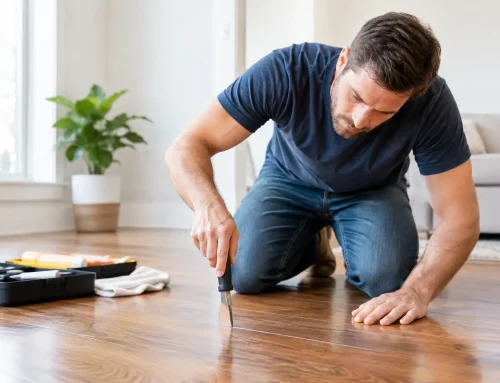
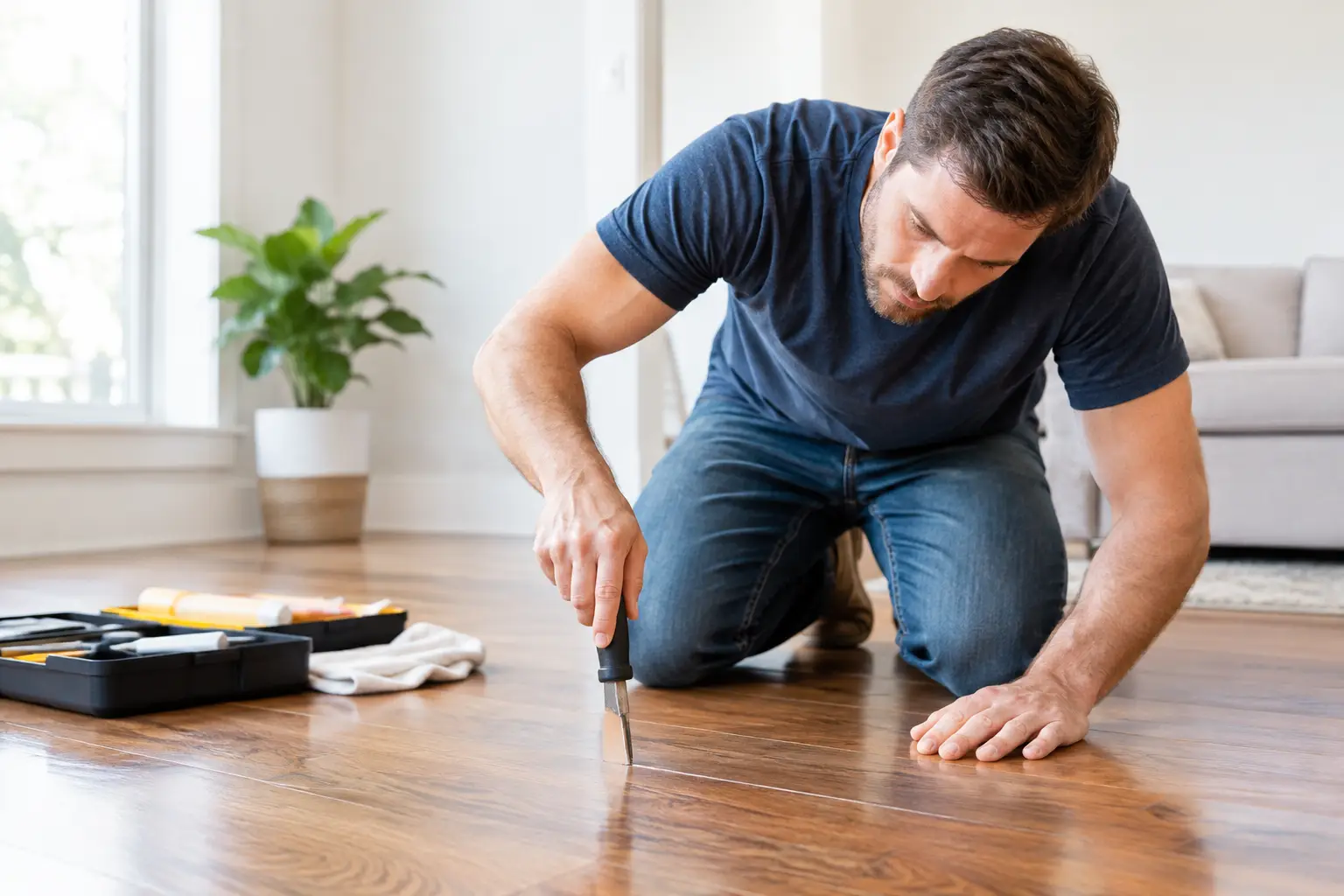
On traditional solid hardwood, professionals often inspect a floor at a vent, transition, or exposed edge to see how much wood remains above the tongue. If that top portion is already thin from previous sanding, another full refinish may not be wise. On engineered flooring, a veneer of around 3 millimeters or more may allow refinishing, while thinner products are often too limited for a proper sanding.
This is one reason on-site evaluation matters. A floor may look thick from the surface but tell a different story at the edge. Precision matters here. Guesswork can turn a restorable floor into one that has to be replaced.
Signs the floor may have been sanded too many times
A few visual clues can suggest a floor is near its sanding limit. Boards may show exposed nail heads, especially on older strip flooring. The edges of boards can appear unusually sharp or fragile. Tongue lines may telegraph through the surface. You may also notice uneven dips where aggressive sanding removed more wood in some areas than others.
These signs do not always rule out improvement, but they do change the recommendation. In some cases, a screen and recoat can restore sheen and protection without removing additional wood. That is a very different process from sanding down to bare wood.
Cosmetic wear versus structural damage
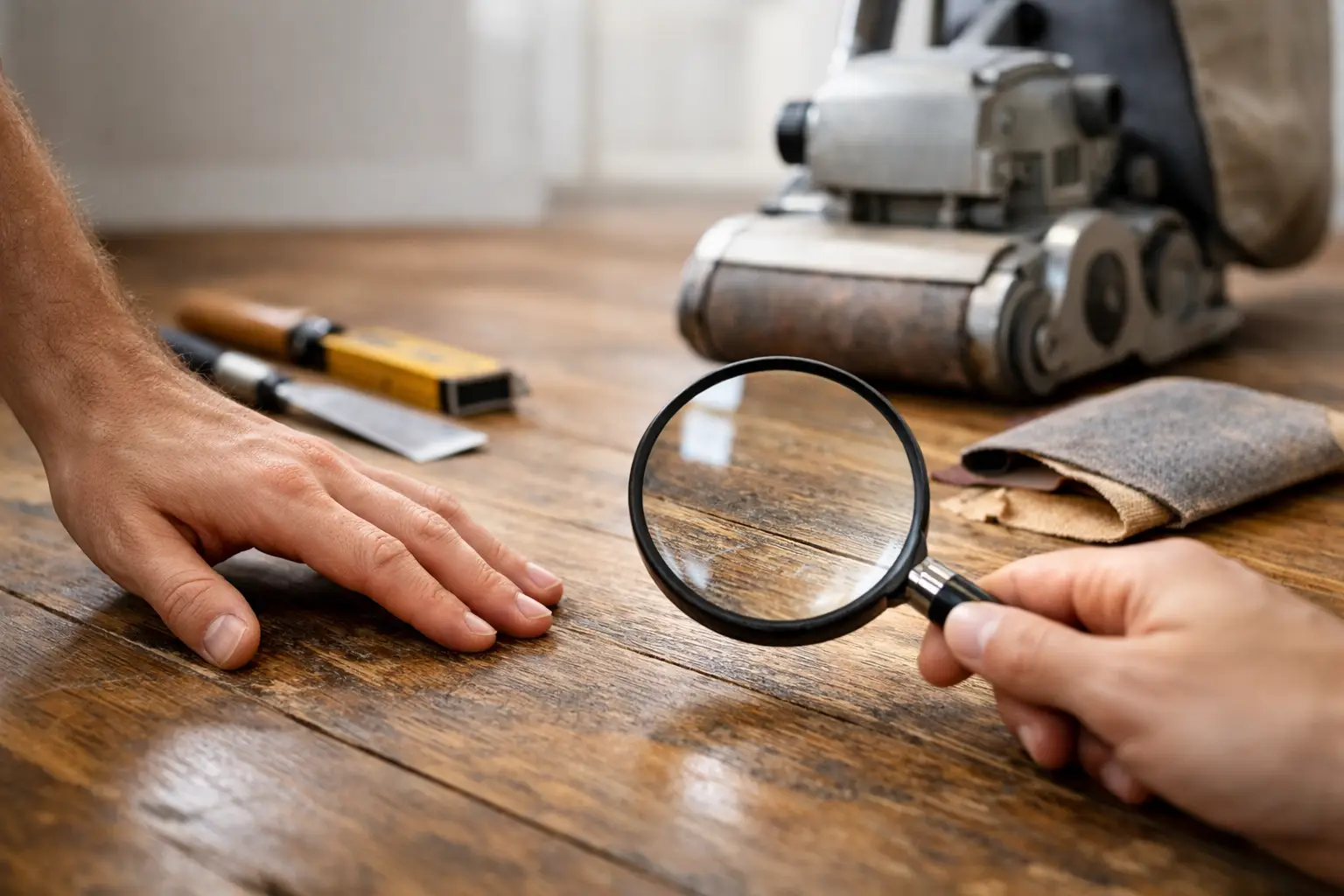
Many floors that look rough are excellent candidates for refinishing because the damage is mostly on the finish, not in the wood itself. Surface scratches, minor pet wear, dullness, and discoloration from age often respond well to sanding and a new finish system. This is where a skilled refinishing crew can reveal the beauty that is still there.
Deep water damage is another matter. If boards are cupped, crowned, soft, blackened through the grain, or separating due to long-term moisture exposure, refinishing alone may not solve the problem. The source of moisture must be addressed first, and damaged boards may need to be replaced before the floor can be sanded and finished.
This is the trade-off homeowners should understand: refinishing is ideal when the wood is fundamentally sound, but it cannot correct every structural issue. Wood that has moved, swollen, rotted, or lost stability needs more than cosmetic treatment.
Look closely at stains and discoloration
Dark stains are not all equal. A black ring from a plant pot may be shallow enough to sand out, or it may have penetrated deeply into the fibers. Pet stains are especially unpredictable. Some can be reduced significantly with sanding and board replacement in isolated areas. Others have soaked too far into the wood and subfloor to disappear completely.
Sun fading is usually easier to address than moisture staining. When older rugs are removed and bright rectangular areas remain, refinishing can often even out the color across the room. That is one of the most satisfying transformations in wood restoration.
How to inspect board condition
Walk the room slowly and pay attention to movement underfoot. A floor that squeaks in a few spots can still be refinishable. A floor that feels spongy, loose, or uneven may indicate subfloor issues, fastening problems, or moisture damage below the surface.
Look for cracked boards, split ends, severe gaps, and repeated patchwork. Individual repairs are common and often manageable. But if a large percentage of the floor is compromised, refinishing may not be the best investment. The more repairs required, the more important it becomes to balance preservation with overall performance and appearance.
In historic homes, especially in parts of Maryland, D.C., and Northern Virginia, older floors often carry valuable character marks that should be distinguished from true failure. Small imperfections can be part of the floor’s visual story. Structural weakness is something else entirely.
When a screen and recoat is the better answer
Sometimes homeowners ask how to tell if hardwood floors can be refinished when what they really need to know is whether full sanding is necessary. If the finish is worn but the color is still good and the damage has not cut into raw wood, a screen and recoat may be the smarter treatment.
This process lightly abrades the existing finish and applies a fresh protective coat. It preserves more of the original wood, creates less disruption, and extends the life of the floor before a full refinishing is needed. It will not remove deep scratches, stains, or major color variation, but for the right floor, it is an excellent maintenance strategy.
That is why an honest assessment matters. The best recommendation is not always the most invasive one.
Floors that usually can be refinished
Solid oak, maple, ash, walnut, and many other traditional hardwood floors are strong candidates for refinishing if they have not been sanded down too far. Older site-finished floors are often especially good prospects because they were built to last and can tolerate renewal over decades.
Engineered floors can sometimes be refinished if they were made with a substantial wear layer. Higher-quality products are more likely to qualify. Lower-cost engineered floors often are not.
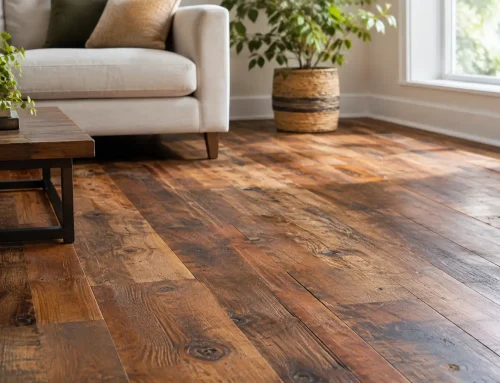
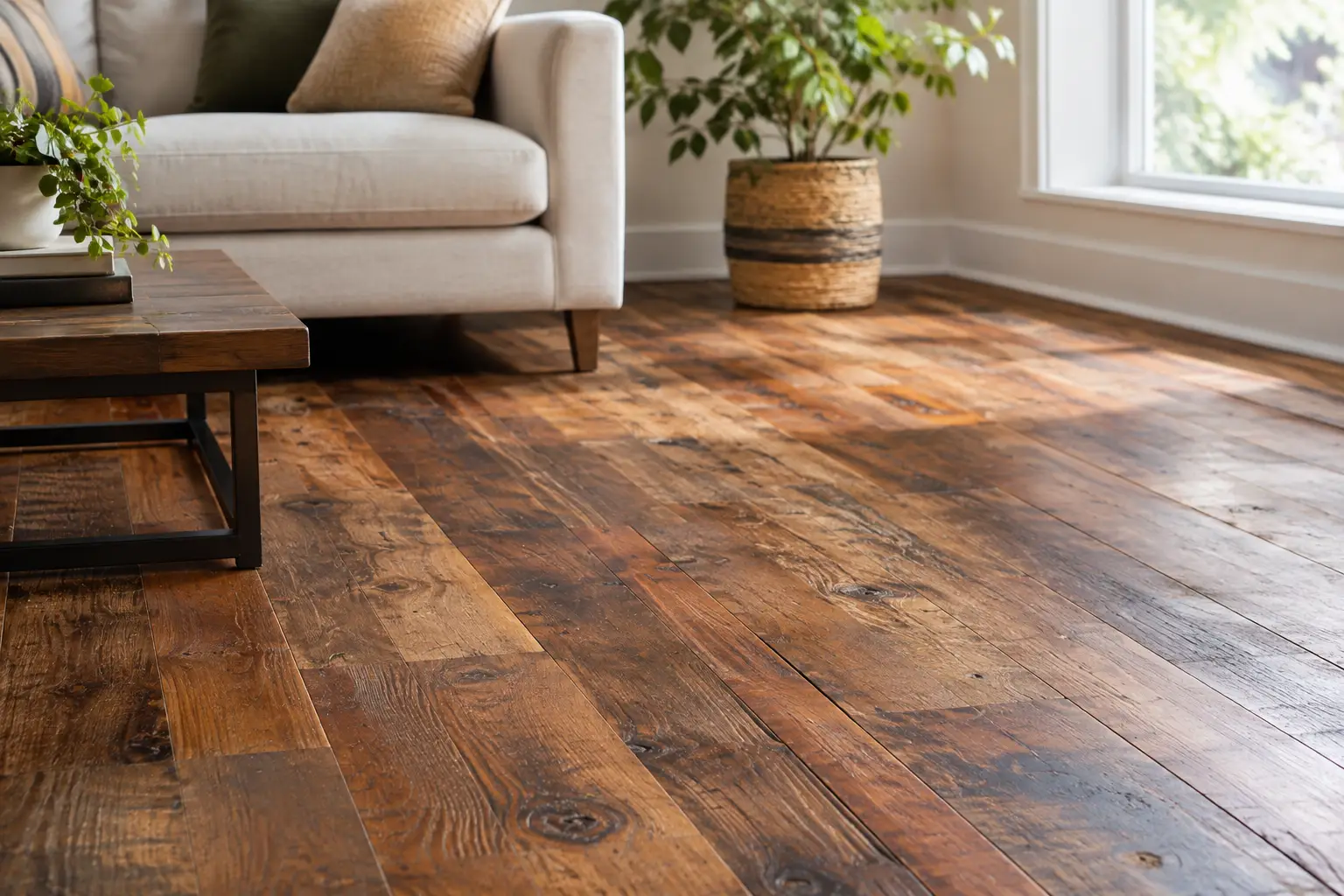
Reclaimed wood floors are a special case. They can be excellent candidates, but they should be handled by craftsmen who understand how older wood behaves, how repairs should be blended, and how finish choices affect the floor’s natural variation.
Floors that may not be good candidates
Laminate flooring cannot be refinished. Neither can vinyl made to resemble wood. Engineered floors with a very thin veneer may also be off the table. Floors with extensive water damage, widespread rot, severe movement, or repeated sanding to the tongue are usually poor candidates for another full sanding.
There are also situations where refinishing is technically possible but not practical. If a homeowner wants a radically different board width, layout, or material, replacement may better serve the design goal. If major additions have left many mismatched patches, installing new flooring may produce a more cohesive result.
Why professional evaluation is worth it
Refinishing decisions should be made with the same care as installation decisions. An experienced flooring specialist will inspect species, thickness, edge profile, repairs, moisture conditions, and finish wear before recommending a path forward. That level of evaluation protects both the appearance of the floor and the long-term value of the home.
At Royal Oaks Flooring, that approach reflects the larger philosophy behind the work: measure carefully, guide honestly, and preserve what deserves to be preserved. Homeowners investing in hardwood are not simply maintaining a surface. They are stewarding one of the most visible and enduring architectural elements in the home.
If your floors have lost their luster, do not let wear alone make the decision for you. Some of the most beautiful results begin with a floor that looked past saving, but still had the substance and character to be restored properly.