A floor finish is not a last-minute color choice. It determines how the grain reads in morning light, how a kitchen spill is handled, and whether a future scratch becomes a small repair or a whole-floor project. In the Rubio Monocoat vs Bona decision, the right answer depends less on which name is better and more on how your household lives, the wood beneath the finish, and the character you want the floor to hold for decades.
For many premium hardwood projects, the comparison is really between Rubio Monocoat Oil Plus 2C, a hardwax oil finish, and Bona’s waterborne polyurethane finish systems. They protect wood in fundamentally different ways. A thoughtful selection begins by understanding that difference rather than choosing from a sample board alone.
Rubio Monocoat vs Bona: The Core Difference
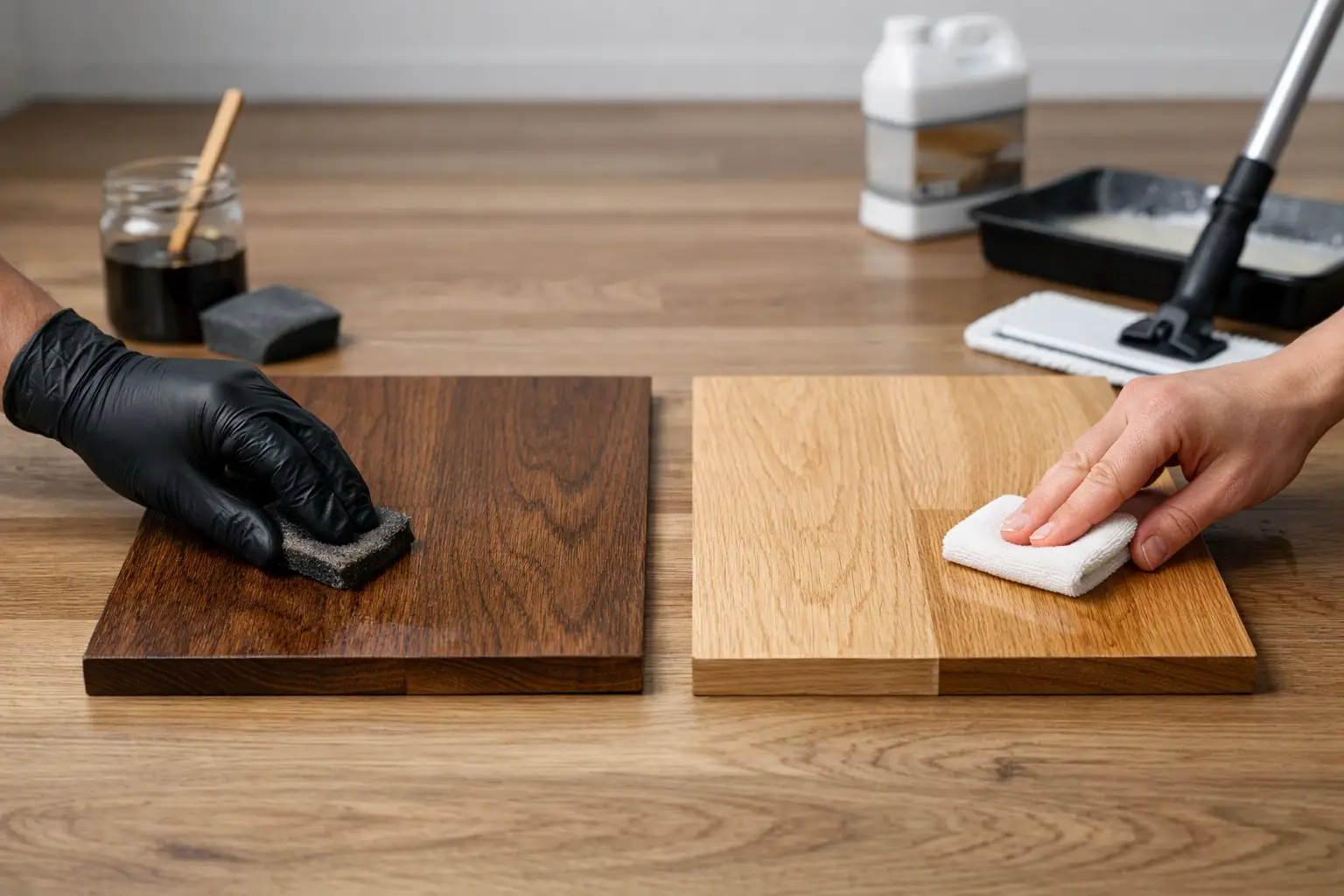
Rubio Monocoat is a plant-based hardwax oil that bonds with the wood fibers rather than creating a thick film on top of the floor. It is known for a low-sheen, natural appearance that lets oak, walnut, reclaimed boards, and wire-brushed textures feel remarkably close to raw wood. The finish is applied in a very thin layer, and its color system can create everything from a barely-there natural tone to a deeply smoked or contemporary finish.
Bona is best known for high-performance waterborne polyurethane finishes. These finishes form a clear protective film over the wood surface. Bona offers multiple systems and sheen levels, so the exact result varies, but the general advantage is a durable, even protective layer that performs especially well in active homes and high-traffic spaces.
Neither approach is inherently superior. Rubio prioritizes wood-forward character and targeted repairability. Bona prioritizes a more continuous surface barrier and proven resistance to the daily wear that comes with pets, children, chairs, and entertaining.
Appearance: Natural Texture or Refined Surface Protection
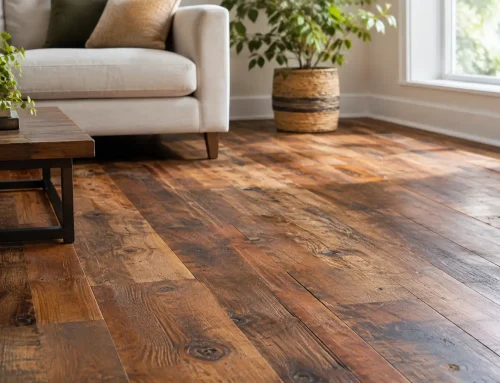
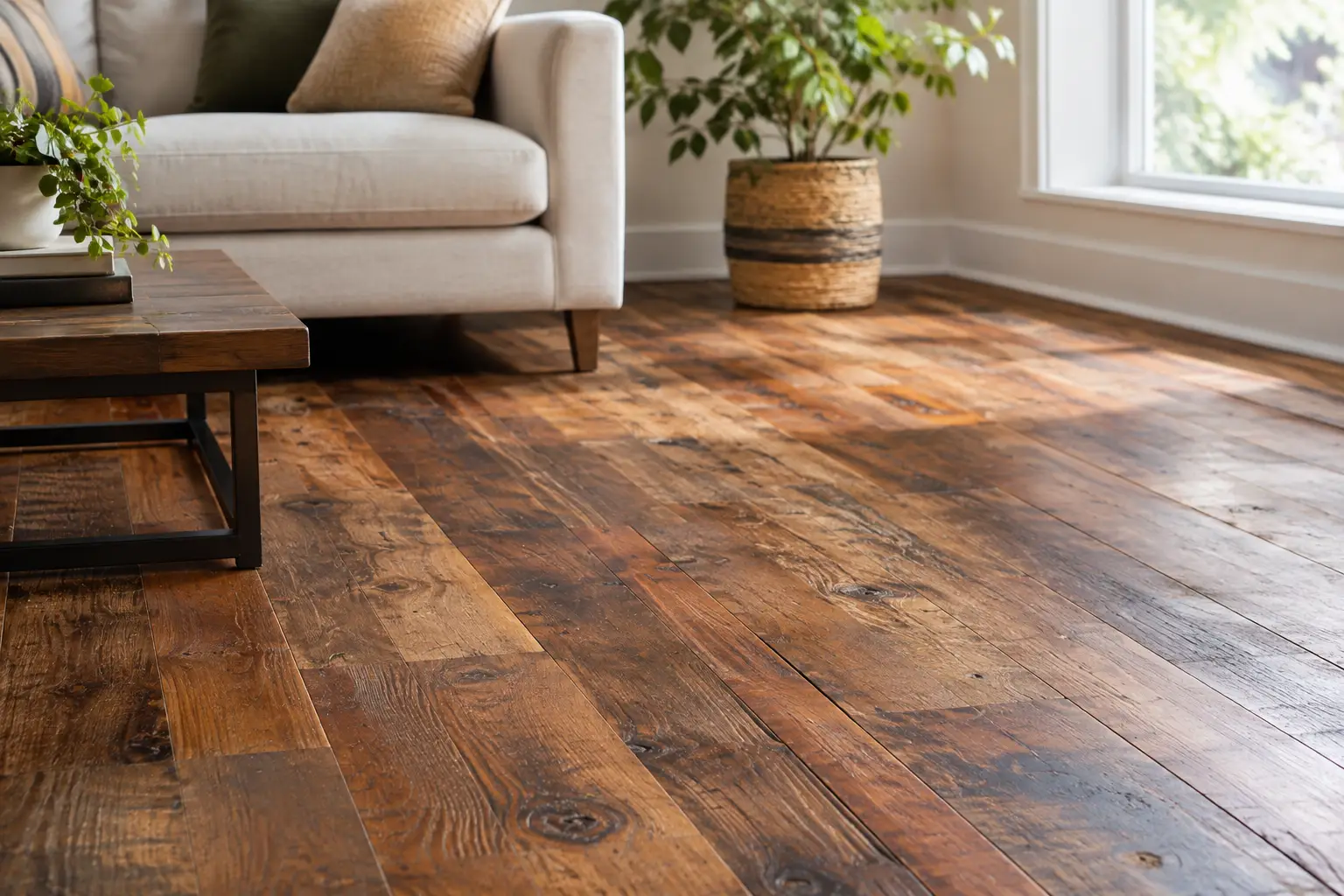
If your goal is to see and feel every detail of a wide-plank white oak floor, Rubio often has the edge. Its matte appearance has depth without looking coated, which suits historic homes, reclaimed lumber, European oak, and interiors where the floor should feel quiet, tactile, and authentic. It can also soften the visual impact of minor surface wear because there is no thick reflective film to interrupt.
Bona can also be beautifully matte and far from the glossy polyurethane floors many homeowners remember. A properly selected Bona waterborne finish preserves a clean, contemporary appearance while offering more visual uniformity across a room. It is particularly compelling when homeowners want a lighter natural oak look with dependable protection and a finish that is easy to clean.
The species and sanding quality matter as much as the product. Maple absorbs color differently than white oak. Walnut can become richer or more muted depending on the finish. Open-grain oak may show a hardwax oil’s texture more prominently, while a smooth, finely sanded floor can look especially elegant under a low-sheen waterborne finish. Large on-site sample boards are essential, preferably viewed beside cabinetry, wall color, and windows at different times of day.
Durability Is Not a Single Measurement
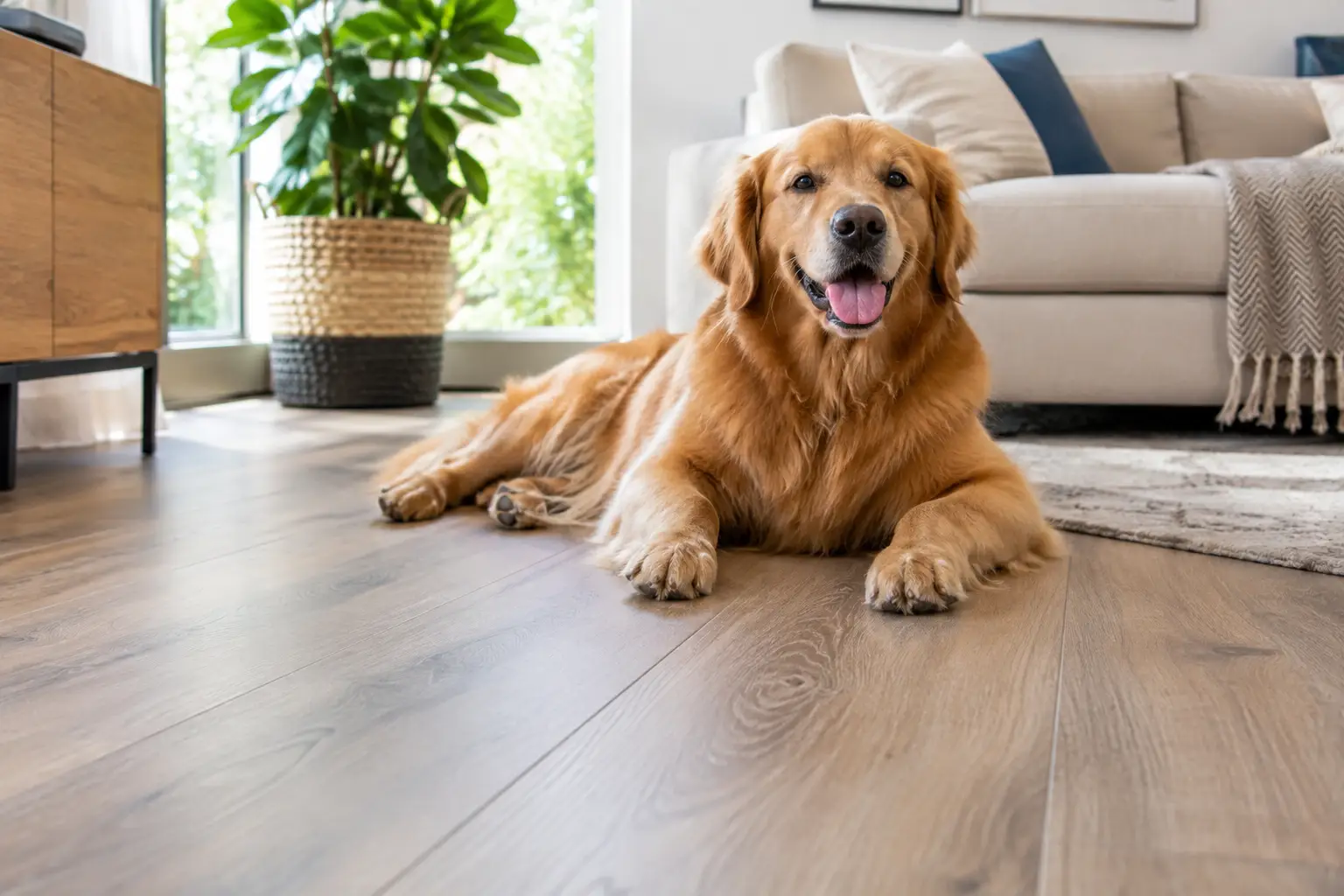
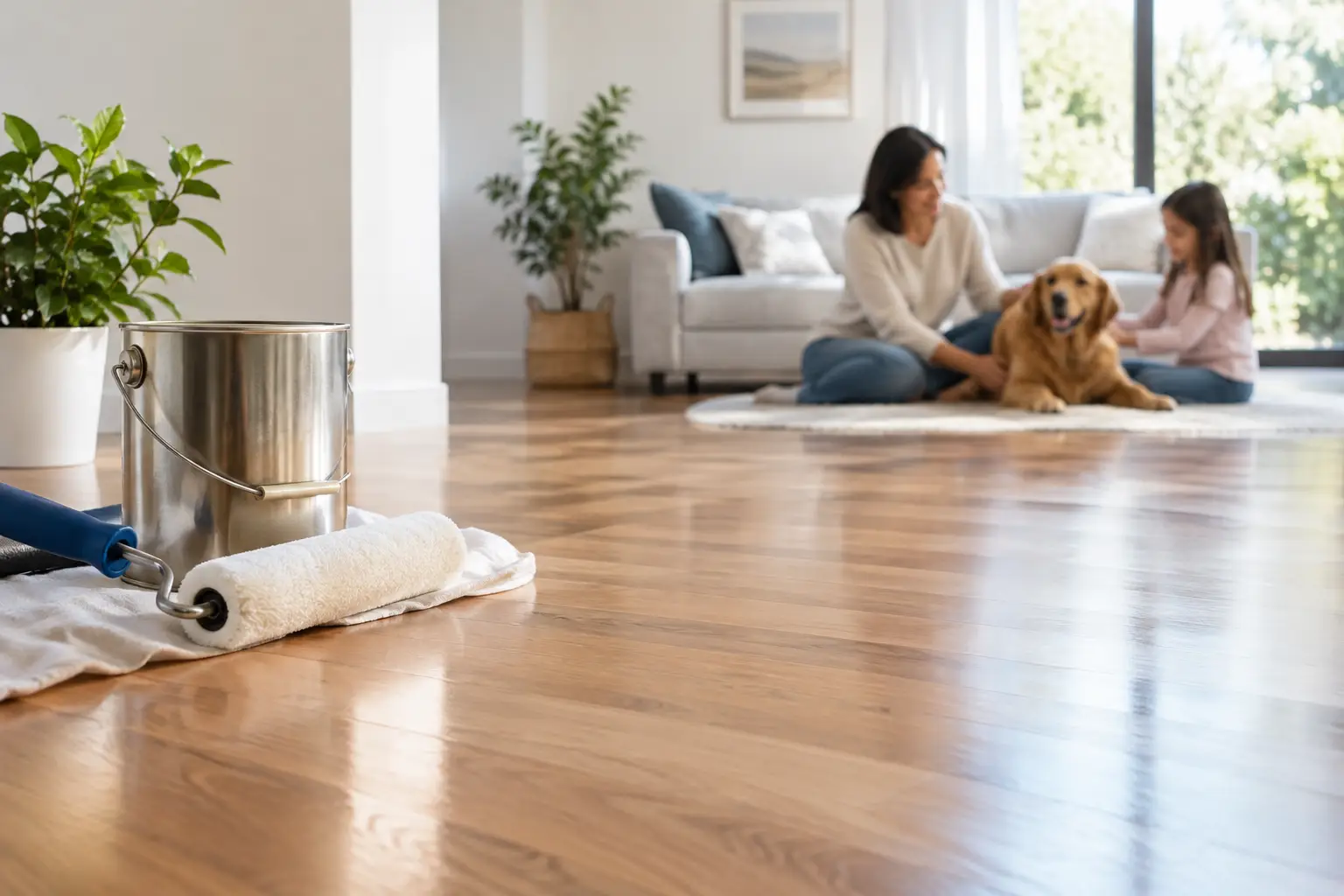
A Bona polyurethane system generally offers stronger resistance to surface abrasion, moisture, and many household stains. For a busy main level with a large dog, frequent dinner parties, or children moving from the backyard to the kitchen, that protective film can offer welcome reassurance. It also provides a familiar maintenance path for homeowners who prefer routine cleaning and periodic professional recoating.
Rubio is durable, but it asks for a different definition of durability. The oil-wax finish resists many everyday challenges when maintained correctly, yet it is not a permission slip to leave water standing on the floor or neglect spills near a sink. Its strength lies partly in how it ages. Small scratches and worn areas can often be cleaned, lightly abraded if appropriate, and refreshed locally without refinishing the entire room.
That distinction matters in a home with an active life. A Bona floor may resist a scratch more effectively at first. A Rubio floor may make the eventual repair less disruptive. Homeowners who value a pristine, highly consistent appearance tend to appreciate Bona. Those who accept the gentle patina of real wood and want a more forgiving repair strategy are often drawn to Rubio.
Repairs and Future Refinishing
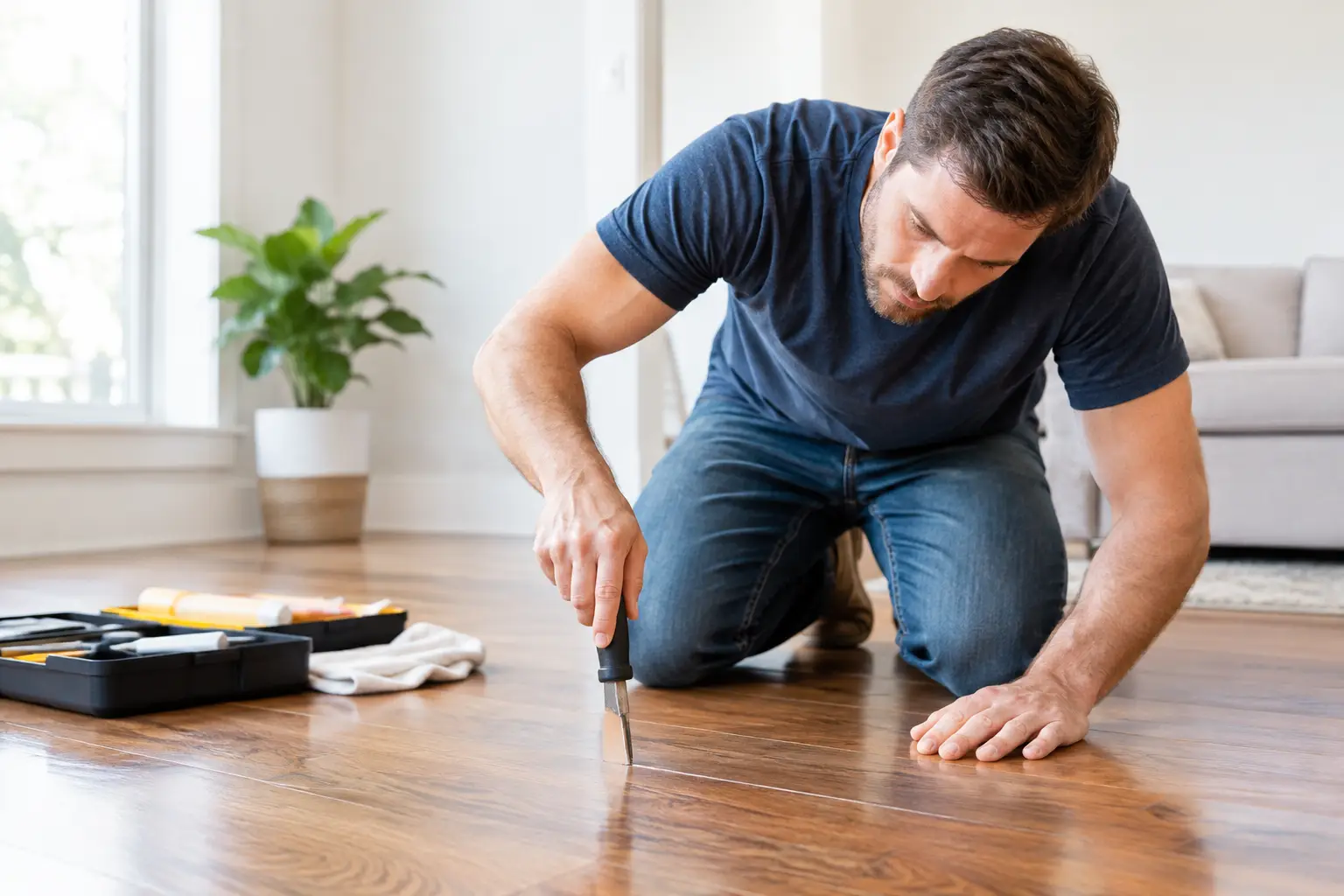
Repairability is where a hardwax oil finish earns serious attention. If a dining chair leaves a visible mark or a pet damages a limited area, a skilled flooring professional can often address that location and blend it into the surrounding floor. Color matching and technique still matter greatly, especially on custom colors, but the repair does not automatically require sanding the entire space.
With a film-forming finish such as Bona, spot repairs can be more difficult because blending a new coated area into an existing film without a visible edge takes experience. The longer-term solution is often a maintenance coat or recoat across the full room or connected area. When the finish has worn substantially or the floor has deeper damage, full sanding and refinishing may be needed.
That does not make Bona a poor investment. A well-maintained waterborne polyurethane floor can have a long service life, and professional recoating can extend it before bare wood is exposed. The decision comes down to whether you prefer to maintain a continuous protective surface or preserve the option for more localized touch-ups.
Maintenance: Match the Finish to Your Habits
Both finishes benefit from simple, consistent care: vacuum with a soft floor attachment, use walk-off mats at exterior doors, place felt protection under furniture, and clean spills promptly. Avoid steam mops, harsh detergents, oil soaps, and products that leave a residue. These habits matter more than most homeowners realize.
Bona-finished floors are typically straightforward for households that want a familiar cleaning routine. Use a cleaner approved for the specific finish, avoid excess water, and schedule a professional evaluation when traffic lanes begin to look dull. A recoat performed at the right time can prevent the more expensive step of complete refinishing.
Rubio floors need compatible cleaning and periodic refresh products designed for hardwax oil. The routine is not difficult, but it is more finish-specific. Using the wrong cleaner can interfere with future maintenance or leave the surface looking uneven. For homeowners willing to follow that care plan, the reward is a floor that can be renewed while retaining its understated, natural feel.
Indoor Air Quality and Project Timing
Both Rubio Monocoat Oil Plus 2C and modern Bona waterborne systems can be appropriate for homeowners who care about lower-odor, low-VOC finish options. Bona’s professional waterborne systems are widely valued for fast dry times and low odor, while Rubio is also recognized for a low-VOC approach. Product specifications should be confirmed for the exact system being used, particularly when a household has sensitivities or the project involves a nursery, historic residence, or occupied home.
Cure time deserves attention as well. A floor can be dry enough to walk on before it has reached full hardness. Furniture placement, rugs, cleaning, and pet traffic should follow the finish manufacturer’s schedule and the flooring professional’s guidance. Rushing a newly finished floor is one of the easiest ways to compromise an otherwise excellent result.
Which Finish Belongs in Your Home?
Choose Rubio when the beauty of raw-feeling wood, a matte hand-rubbed look, and the ability to make localized repairs are central to the project. It is an excellent fit for design-led renovations, reclaimed materials, character-grade oak, and homeowners who view a little lived-in patina as part of hardwood’s appeal.
Choose Bona when you want excellent daily protection, a clean and consistent low-sheen finish, and a practical maintenance path for active family spaces. It is often the more comfortable choice for kitchens, hallways, open-plan living areas, and homes where durability must carry equal weight with visual refinement.
For custom homes and renovations across Maryland, Washington, D.C., and Northern Virginia, the best decision is made on the actual flooring boards, not a phone screen. Ask to see finish samples in your home, discuss your pets, traffic patterns, and cleaning preferences honestly, and choose the finish that supports the way you intend to live. A beautifully crafted floor should not ask you to change your life around it – it should grow more beautiful within it.