A floor in Annapolis has to do more than look beautiful on installation day. It has to stand up to humid summers, wet shoes after a walk along the water, busy family routines, and the changing conditions that come with life near the Bay. The right hardwood flooring Annapolis homeowners choose is not simply a matter of color or plank width. It is a carefully considered combination of material, construction, finish, subfloor preparation, and skilled installation.
For a historic home near downtown, a waterfront renovation in Edgewater, or a newly tailored interior in Severna Park, hardwood can become the feature that brings every room into focus. The key is choosing a floor designed for the home you have, not just the photograph that inspired it.
Start With the Conditions Beneath the Floor
Hardwood is a natural material. It responds to moisture in the air, seasonal temperature changes, and the condition of the structure beneath it. That is part of its character, but it is also why a proper assessment must come before a final material selection.
In the Annapolis area, humidity deserves particular attention. Wood expands as moisture levels rise and contracts as the air becomes drier. A well-planned installation allows for this natural movement at the perimeter while maintaining a clean, intentional appearance. It also begins with moisture testing of both the flooring and the subfloor. Skipping this step can lead to gaps, cupping, crowning, or unnecessary movement later.
Subfloor condition matters just as much. Older homes may have uneven areas, prior floor layers, squeaks, or repairs that need attention before new boards are installed. A quality floor cannot compensate for an unstable foundation. Experienced craftspeople address those details early, because precision below the surface protects the finish above it.
Solid or Engineered Hardwood: The Right Choice Depends
Solid hardwood remains the classic choice for many rooms. Each plank is milled from a single piece of wood and can generally be refinished multiple times over its life. It offers the depth, warmth, and lasting value many homeowners associate with traditional hardwood floors. In living rooms, bedrooms, dining rooms, and carefully conditioned upper levels, solid wood can be an exceptional investment.
Engineered hardwood is not a lesser version of solid wood. Premium engineered flooring has a real hardwood wear layer over a stable layered core. Its construction can make it a smart choice for homes where seasonal humidity, slab foundations, wider planks, or below-grade spaces call for greater dimensional stability. It can also be well suited to waterfront properties and rooms with more demanding environmental conditions.
The decision should not be made by appearance alone, since both options can deliver a refined, authentic result. It depends on the site, the desired plank width, the room’s use, and whether future refinishing is a priority. A thoughtful recommendation weighs those factors instead of treating every room the same.
Choose a Species That Matches How You Live
Species influences a floor’s grain pattern, color range, hardness, and overall personality. White oak remains a favorite for good reason. Its grain is graceful yet versatile, it accepts a broad range of stains, and its natural stability makes it particularly well suited to contemporary wide-plank designs. White oak can feel quietly traditional in a colonial home or clean and architectural in a modern renovation.
Red oak offers a more pronounced grain and a warm, familiar character. Maple is lighter and more uniform, with a subtle grain that suits a crisp, tailored interior. Walnut brings rich color and striking elegance, though its relative softness makes it better suited to spaces where a naturally developing patina is welcome. Cherry offers a distinctive warmth that deepens over time, while ash provides an open grain and a lighter, more relaxed look.
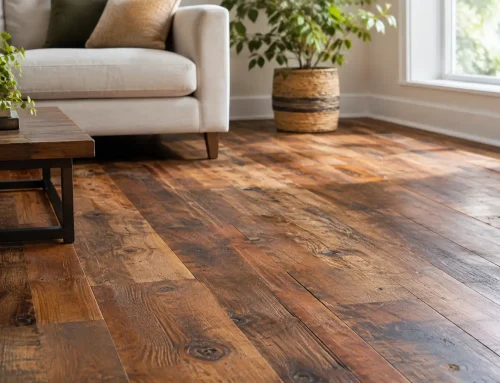
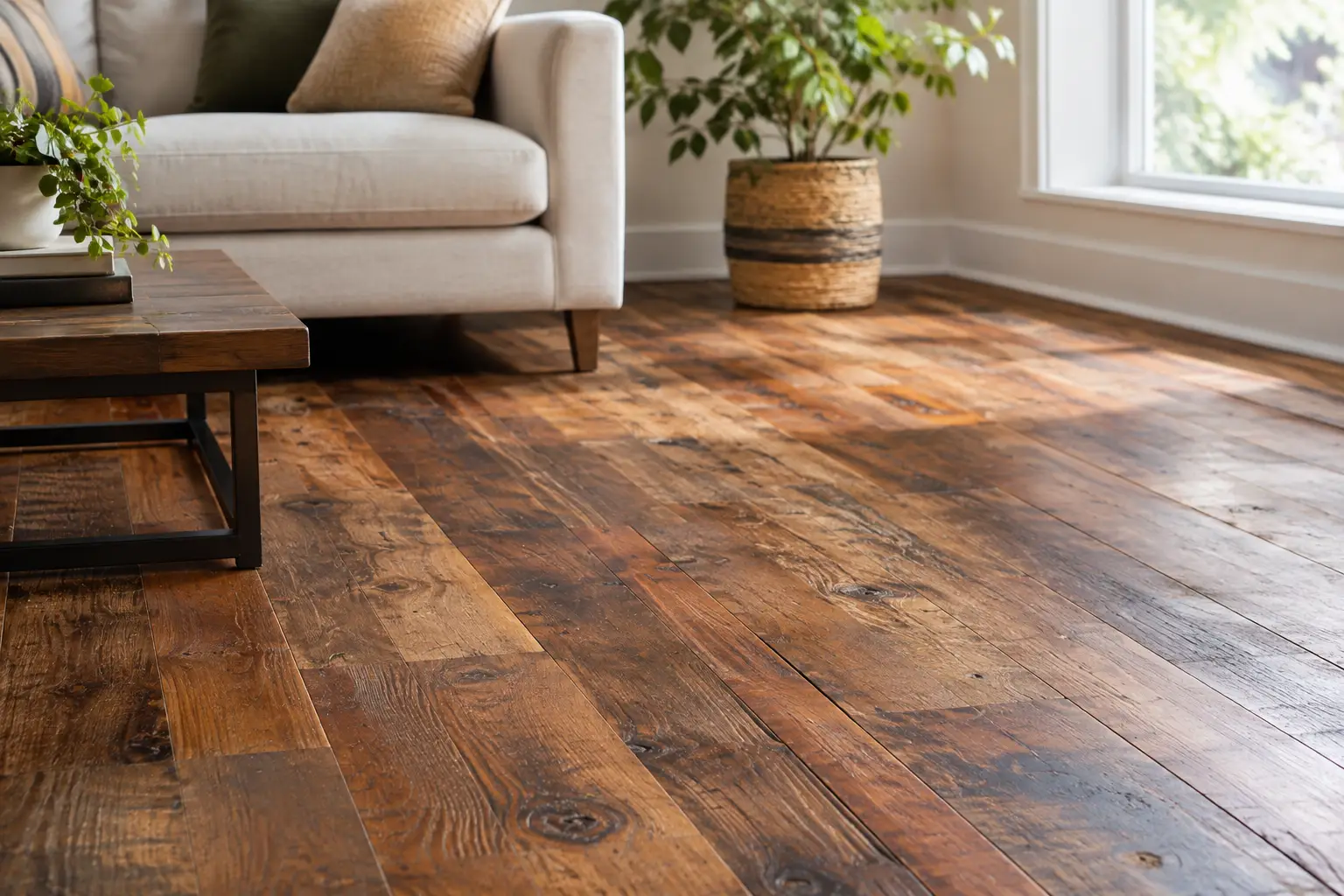
Reclaimed wood deserves its own consideration. Its nail holes, saw marks, age-softened texture, and variation can give a home a sense of history that new material cannot imitate. Yet reclaimed boards require an experienced eye. They must be evaluated for moisture content, structural soundness, milling quality, and the right installation method before they become part of a finished floor.
Hardwood Flooring in Annapolis Should Be Designed, Not Copied
A sample board viewed under showroom lighting cannot tell the whole story. Natural light shifts throughout the day, particularly in rooms with large windows or water views. Wall color, cabinetry, textiles, and existing architectural details all affect how a species and finish will read once installed.
This is where plank width and grade become design decisions rather than specifications on a label. Narrow boards can complement older homes and create a traditional rhythm. Wider planks make the grain more visible and can give larger rooms a calm, expansive feel. They also require exact subfloor preparation and careful moisture management, especially in Maryland’s variable climate.
Wood grade affects variation. Select-grade boards tend to appear cleaner and more consistent, while character-grade material includes more knots, mineral streaks, and color movement. Neither is automatically superior. A formal dining room may call for a more uniform floor, while a family home or coastal retreat may feel more inviting with natural variation underfoot.
Finish Is Where Beauty Meets Daily Protection
The finish determines much of a floor’s practical performance and visual character. A matte or satin sheen is often preferred in active households because it softens the appearance of minor scratches and dust. Higher-gloss finishes can be beautiful, but they reflect more light and tend to reveal everyday wear more readily.
Color should be approached with restraint. Very dark stains can create drama, but they may show scratches, dust, and pet hair more clearly. Extremely pale floors can be equally demanding if the home sees heavy traffic. Natural and mid-tone finishes often offer the most forgiving balance, allowing the wood’s grain to do the work while giving the room a timeless foundation.
Modern waterborne finishes have changed what homeowners can expect from a newly finished floor. High-performance, very low-VOC, Green Guard certified options can provide durable protection with quick drying times and significantly reduced odor. This is especially valuable for families who want to return to normal routines sooner while supporting healthier indoor air quality.
Installation Details Separate a Fine Floor From an Average One
An excellent hardwood floor is measured in details most people will never see. Boards should be acclimated appropriately for the conditions of the home. Layout should be planned so the floor feels balanced from the first visible row to the last. Transitions, stair nosings, vents, doorways, and perimeter gaps all require deliberate execution.
A crew should also anticipate how the work affects the household. Dust containment, careful protection of adjacent surfaces, orderly staging, and a clean jobsite are not extras. They are part of respecting the home and the people living in it.
At Royal Oaks Flooring, that standard is rooted in the belief that flooring is both a skilled trade and a lasting architectural element. Measuring twice, preparing thoroughly, and using proven installation methods may take more care at the outset, but those choices help prevent costly corrections and preserve the floor’s beauty for years.
Protect the Investment After Installation
Hardwood does not need complicated care, but it does benefit from consistent habits. Use entry mats that allow moisture and grit to be removed before they reach the boards. Place felt pads beneath furniture, lift rather than drag heavy pieces, and clean with products approved for the specific finish. Avoid soaking the floor or using steam cleaners, which can force moisture into joints and damage the finish over time.
Keep indoor humidity as stable as practical through the year. This does not mean a hardwood floor should never move at all. Minor seasonal change is normal. The goal is to avoid dramatic swings that place unnecessary stress on the wood.
When the surface begins to lose its protective layer, professional maintenance can often restore its luster before a full sanding is needed. And when refinishing eventually becomes appropriate, quality solid hardwood offers the rare advantage of renewal. Its appearance can evolve with the home rather than being replaced when tastes change.
The best floor is one that still feels right after the furniture has moved in, the holidays have passed, and years of ordinary life have left their gentle mark. Choose materials with integrity, allow the conditions of the home to guide the design, and give the work to craftspeople who understand that every board contributes to the whole room.