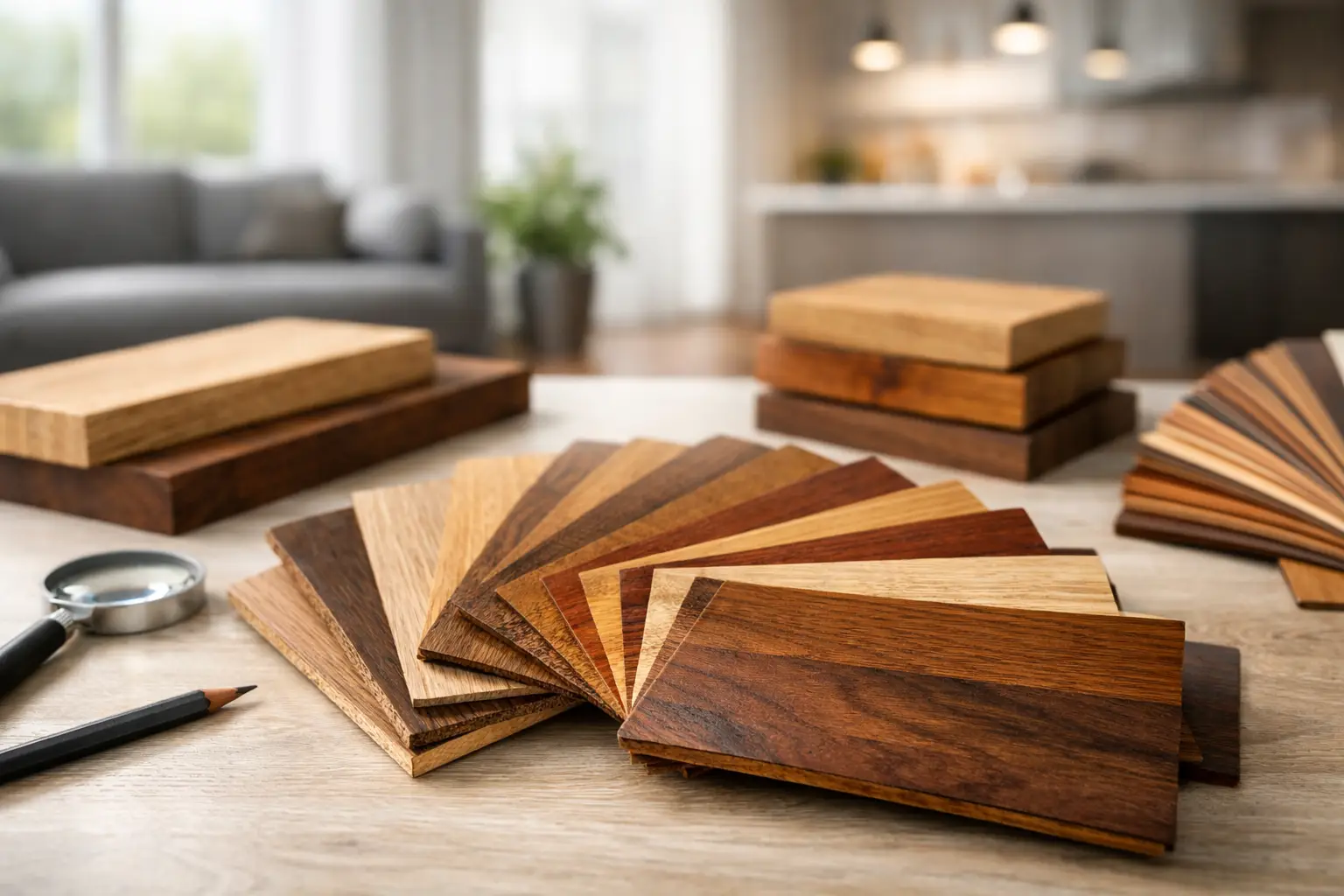
A hardwood floor is not simply a backdrop for furniture. Its grain catches morning light, its color sets the temperature of a room, and its surface records the life lived across it. Knowing how to choose hardwood species means looking beyond a sample board and selecting a material that suits your architecture, household, design vision, and expectations for the years ahead.
For homeowners investing in a renovation, restoration, or custom home, the right species creates a floor with presence. The wrong one can still be beautiful, but may demand more care than expected, fight the character of the house, or show wear in ways that do not fit your lifestyle. A thoughtful selection begins with the practical questions, then makes room for personal taste.
How to Choose Hardwood Species: Start With Daily Life
Before considering color or plank width, consider the people and routines that will meet the floor every day. A quiet formal dining room and a busy family kitchen place very different demands on hardwood.
Hardness is useful here, though it is not the entire story. The Janka hardness scale measures a wood’s resistance to denting. Harder domestic species such as maple, hickory, and white oak generally stand up well to active households, pets, and frequent foot traffic. Red oak is also a dependable choice with a long record of performance in American homes. Softer woods, including walnut and cherry, can dent more readily, yet their richness and warmth are often exactly what a homeowner wants in a library, bedroom, or carefully designed living area.
A few marks are not necessarily failure. Natural hardwood develops character over time, and some species wear more gracefully than others. If a perfectly uniform surface is the priority, choose a harder species and a finish designed for high use. If you appreciate a floor that gains a gentle patina, walnut, cherry, reclaimed wood, and certain hand-worked surfaces can be remarkably rewarding.
Humidity also deserves attention, particularly in Maryland, Northern Virginia, and the D.C. region, where seasonal shifts can be significant. Wood expands and contracts with changes in moisture. Proper acclimation, a sound subfloor, careful installation, and stable indoor humidity are as critical as the species itself. Even the finest material needs precise craftsmanship beneath it.
Let Grain Determine the Floor’s Character
Species is often discussed in terms of color, but grain is what gives a hardwood floor its lasting visual identity. It influences whether a room feels calm and tailored, lively and traditional, rustic, or distinctly dramatic.
Oak: Adaptable and Enduring
Oak remains a leading choice for good reason. Red oak has an open, pronounced grain and warm undertones that work especially well in traditional homes and period restorations. It accepts stain readily, making it flexible when matching existing millwork or adjacent flooring.
White oak has a tighter, straighter grain and a more neutral base color. It is especially well suited to contemporary interiors, wide-plank installations, and lighter finishes that allow the wood to speak for itself. Its natural tannins can create subtle variation and depth, rather than a flat, manufactured look. White oak is also slightly harder than red oak and has long been valued for its stability and durability.
Maple: Clean, Fine, and Refined
Maple offers a smoother, less pronounced grain than oak. Its pale, even appearance can make a room feel open and composed, particularly in transitional or modern homes. It is a hard wood, but its density can make stain absorption less predictable. A dark maple floor requires experienced finishing work to avoid blotchiness and achieve a consistent result.
For homeowners who prefer natural or lightly toned floors, maple can be an elegant choice. It is less ideal when the goal is a heavily grained, old-world appearance.
Walnut and Cherry: Richness With Patina
Walnut is prized for its deep chocolate tones, flowing grain, and unmistakable sophistication. It brings immediate warmth to a room and pairs beautifully with tailored interiors, antique furnishings, and restrained contemporary design. Because walnut is softer than oak or maple, it is best selected with realistic expectations: small dents and impressions can become part of its character.
Cherry begins with reddish to golden-brown tones and deepens naturally as it is exposed to light. That evolving color is one of its defining qualities. In the right home, cherry feels gracious and enduring. In a room seeking pale, minimal, or cool-toned design, it may feel too formal or too warm.
Ash, Hickory, and Reclaimed Wood: Distinctive Choices
Ash has a bold, open grain similar to oak but often with a lighter, more contemporary appearance. It offers strength and visual movement without feeling overly rustic. Hickory is among the hardest domestic hardwoods and is known for dramatic color variation, from pale blond to rich brown. It is an excellent choice for active homes, though its variation should be embraced rather than controlled.
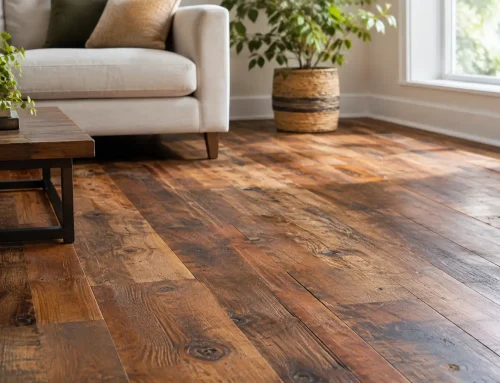
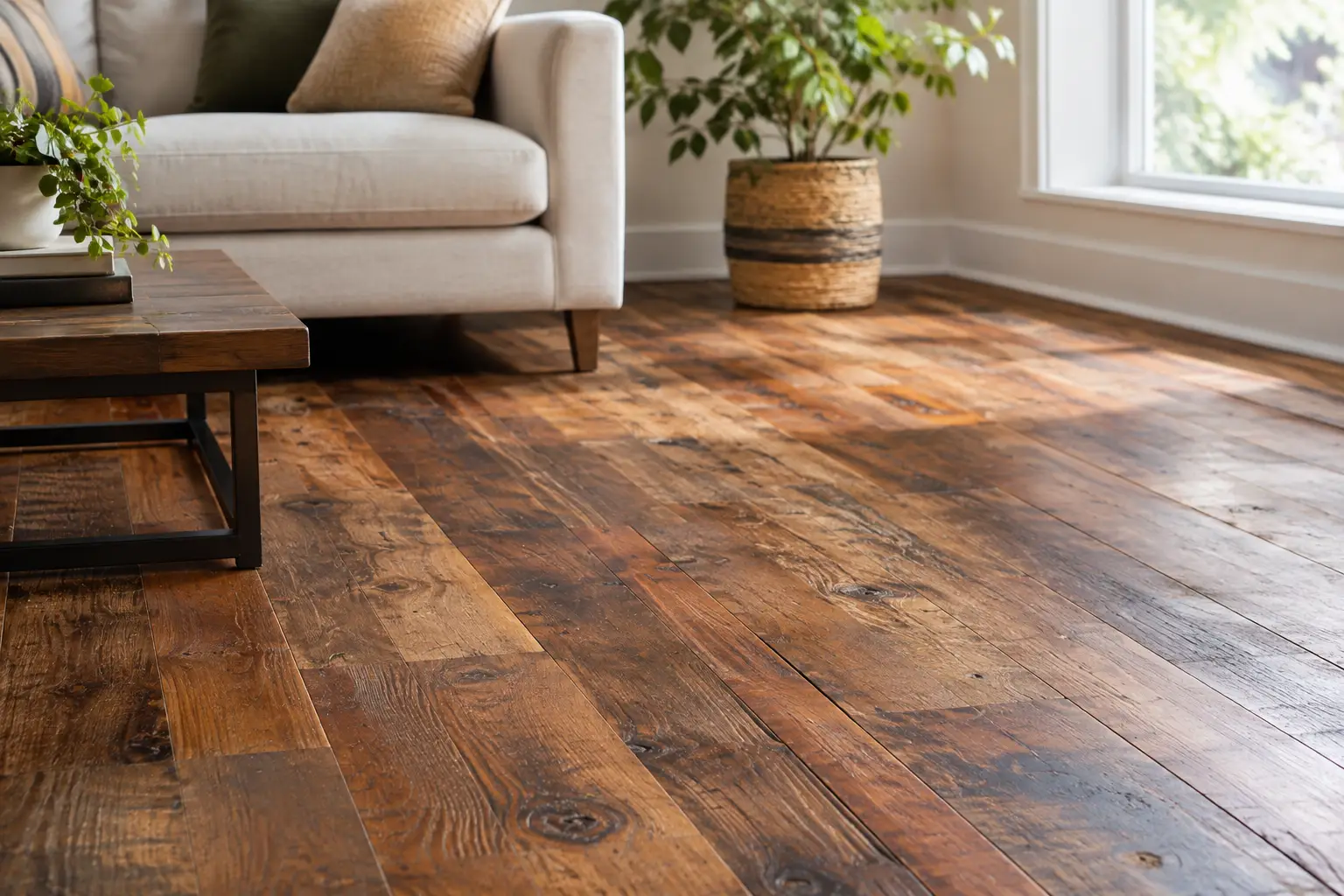
Reclaimed wood offers a different kind of beauty: saw marks, nail holes, weathering, mineral streaks, and a history that cannot be reproduced by a factory process. Its visual character can be extraordinary in historic homes, waterfront properties, and spaces designed around authenticity. It also requires careful sourcing, grading, preparation, and installation. Reclaimed material is never a shortcut, but in skilled hands it can become the soul of a room.
Match Undertones to the Rest of the Home
A floor rarely stands alone. Cabinetry, countertops, paint, stone, window light, and furnishings all affect how a species reads once installed. This is why a small sample can be misleading. A floor that appears neutral under showroom lighting may reveal golden, red, gray, or brown undertones in your home.
White oak is often favored for its ability to support neutral, warm, or gently muted finishes. Red oak naturally carries more warmth and can complement traditional trim and warmer palettes. Walnut and cherry make a stronger color statement, which can be desirable when the floor is intended to anchor the design.
Viewing larger samples in the actual room is worth the effort. Place them near cabinetry and walls, and look at them in early morning, midday, and evening. Natural light can change the apparent color of hardwood more than many homeowners expect.
Consider Plank Width, Grade, and Finish Together
Species is only one part of the floor’s final appearance. The same white oak can look crisp and contemporary in long, wide select-grade planks or relaxed and historic in character-grade boards with knots and color variation.
Wide planks showcase grain and give a space a more expansive feel, but they require careful moisture management and exact installation. Narrower boards often suit traditional architecture and can make natural variation feel more rhythmic. Select grade provides a cleaner, more uniform appearance, while character grade celebrates knots, mineral streaks, and natural movement.
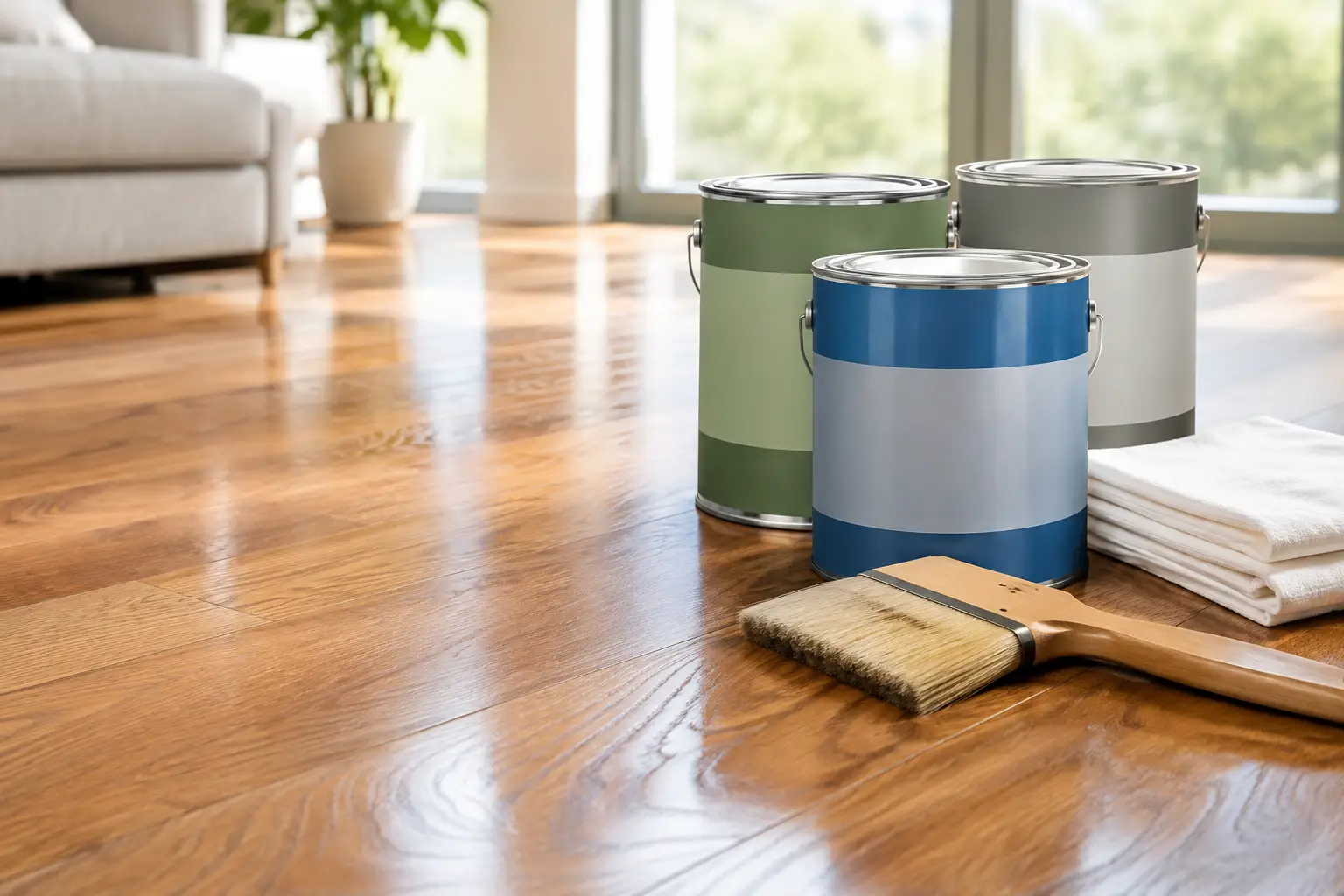
The finish also changes the equation. A low-sheen matte finish conceals fine scratches better than a high-gloss surface and supports a more natural presentation. Modern, very low-VOC finishes can provide excellent protection while supporting healthier indoor air quality. The right finish should complement the species rather than disguise it.
Avoid Choosing Only for a Trend
Pale oak, dark walnut, and natural matte finishes all have their moment, but a premium hardwood floor should outlast a passing preference. Rather than asking which species is most popular, ask which one belongs in your home.
A colonial or historic property may call for the warmth and grain of red oak, heart pine, or reclaimed boards. A tailored new build may benefit from the quiet confidence of white oak or maple. A dramatic dining room may deserve walnut, while a hardworking kitchen may favor white oak, hickory, or maple. There is no universally best species, only the best balance of beauty, performance, and personal taste.
At Royal Oaks Flooring, that balance begins with a close look at the home itself: its light, existing materials, structure, and the life expected of the floor. A carefully chosen species, installed and finished with precision, does more than improve a room. It gives the home a surface that feels settled, personal, and built to remain beautiful through the decades.