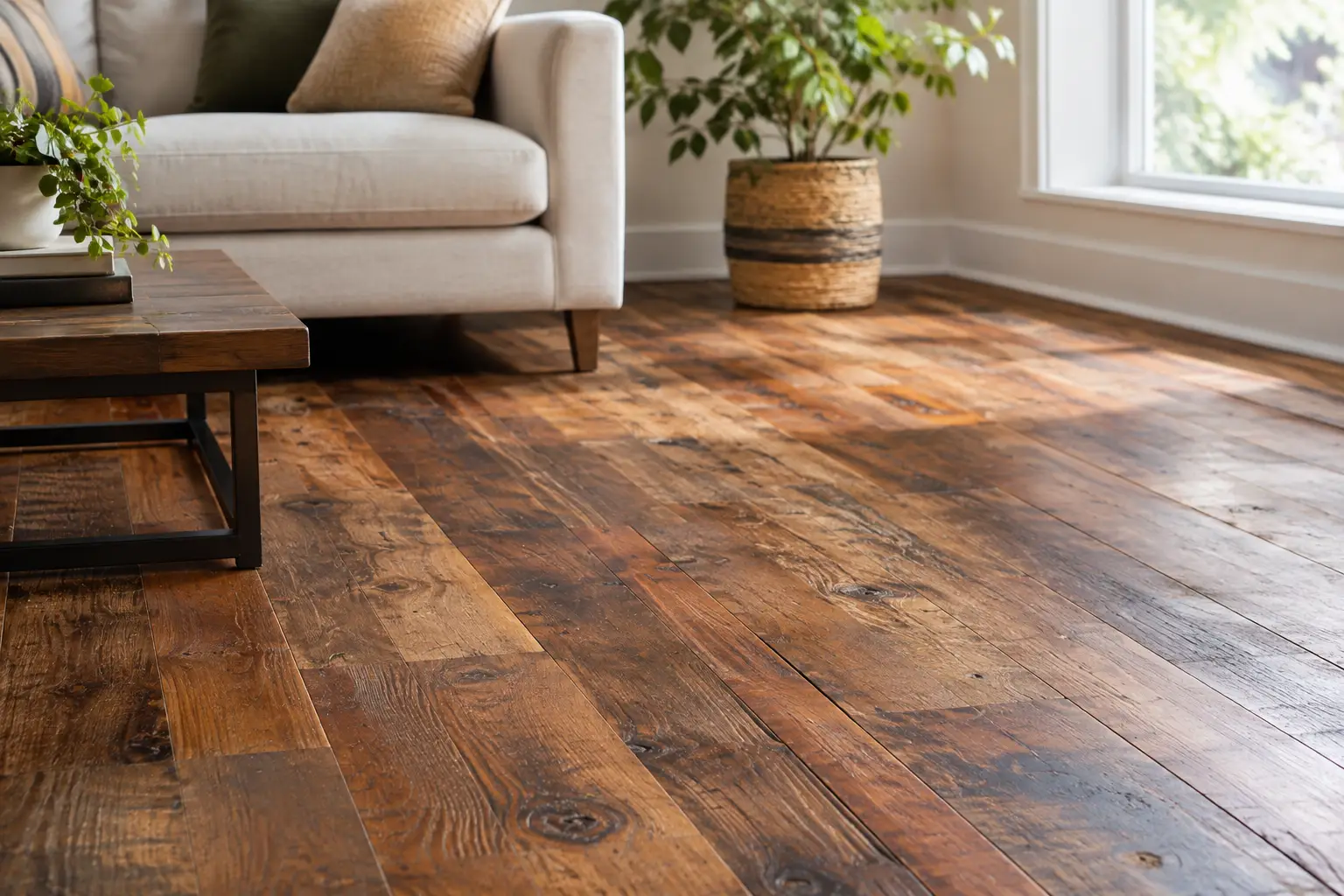
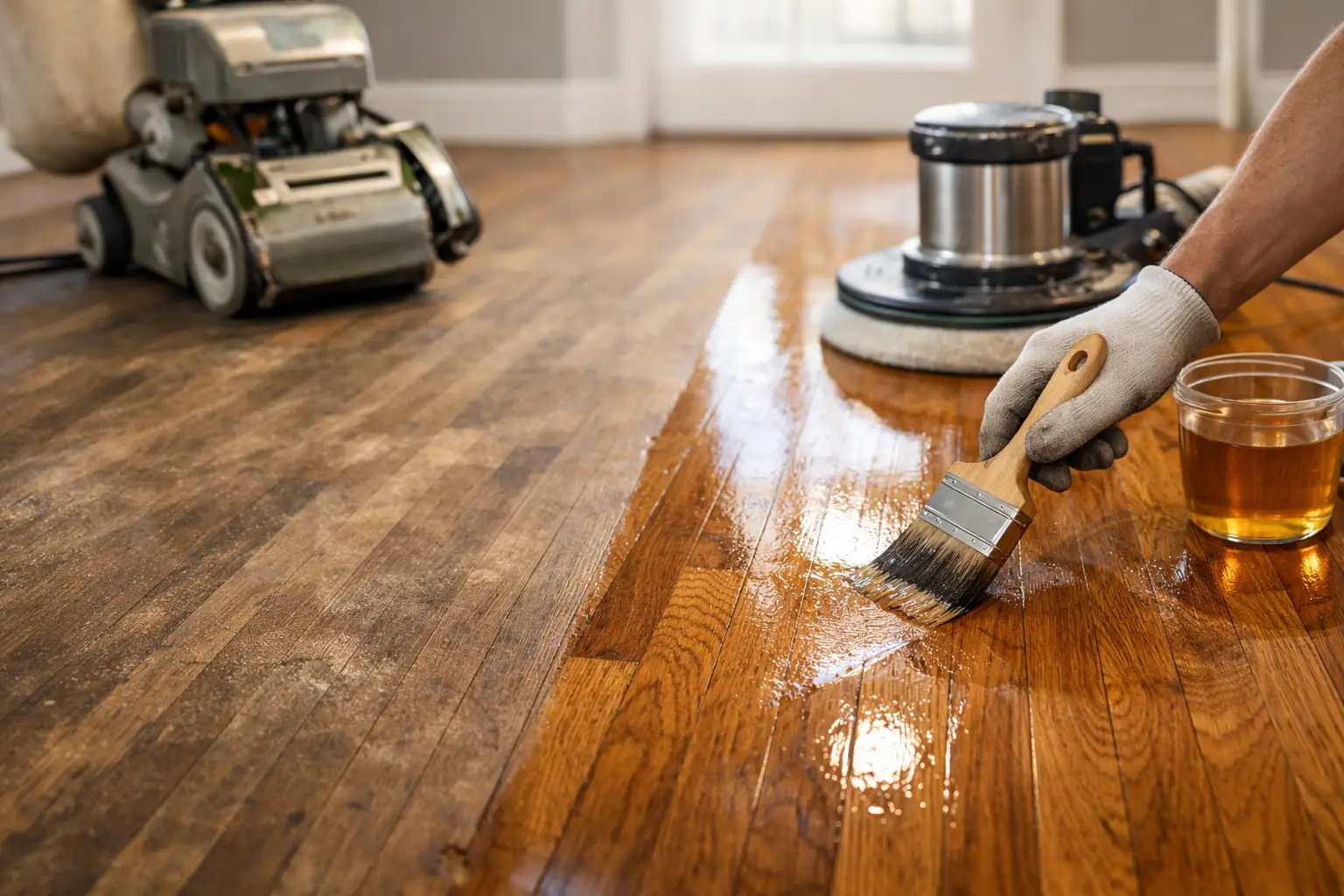
A hardwood floor can look tired long before it is truly worn out. Scratches catch the light, old finish turns dull, and high-traffic paths begin to stand out from the rest of the room. When homeowners ask what does refinishing hardwood floors mean, they are usually trying to answer a practical question: does this floor still have life in it, or is replacement the better path?
In most cases, refinishing means removing the old protective finish – and often a very thin layer of wood – then applying a new stain and finish so the floor looks renewed and performs properly again. It is not a cosmetic shortcut. Done well, it is a skilled restoration process that brings back clarity, color, and durability while preserving the original hardwood beneath your feet.
What does refinishing hardwood floors mean in practice?
Refinishing hardwood floors means restoring the surface of an existing wood floor by sanding away wear, surface damage, and aged finish, then sealing the floor with new coats of finish. If the homeowner wants to change the appearance, stain can be applied before the final protective coats.
That definition sounds simple, but the work itself is precise. A true refinishing job is about more than making a floor shiny again. It corrects accumulated wear, blends visible traffic patterns, reduces shallow scratches, and gives the wood a fresh layer of protection against daily use.
This is why refinishing is often the right choice for solid hardwood floors that still have good structural integrity. The boards remain in place. The character of the wood remains in place. What changes is the worn surface and the finish system protecting it.
Refinishing is not the same as cleaning, buffing, or recoating
Homeowners are often told they need their floors refinished when the real need may be lighter maintenance – or, just as often, they are told a simple recoat will do when the floor actually needs more substantial restoration. The difference matters.
Cleaning removes dirt and residue. It helps appearance, but it does not address scratches, finish breakdown, or discoloration.
Buffing or screening lightly abrades the existing finish so a new topcoat can bond. This is often called recoating. It can be an excellent maintenance step when the finish is worn but the wood itself is not exposed.
Refinishing goes further. It sands the floor down enough to remove the old finish and correct a broader range of wear. That makes it the better solution when scratches are deeper, sheen is uneven, stain has faded, or the floor has years of use built into it.
A skilled flooring professional will not treat these as interchangeable services. The right recommendation depends on the floor’s age, species, thickness, prior work, and condition.
What happens during the refinishing process?
The process begins with evaluation. A craftsman looks at the floor’s thickness, the depth of wear, previous coatings, board movement, pet damage, water stains, and any repairs that may be needed before sanding begins. Older homes and historic properties often require especially careful assessment because not every board has worn evenly over time.
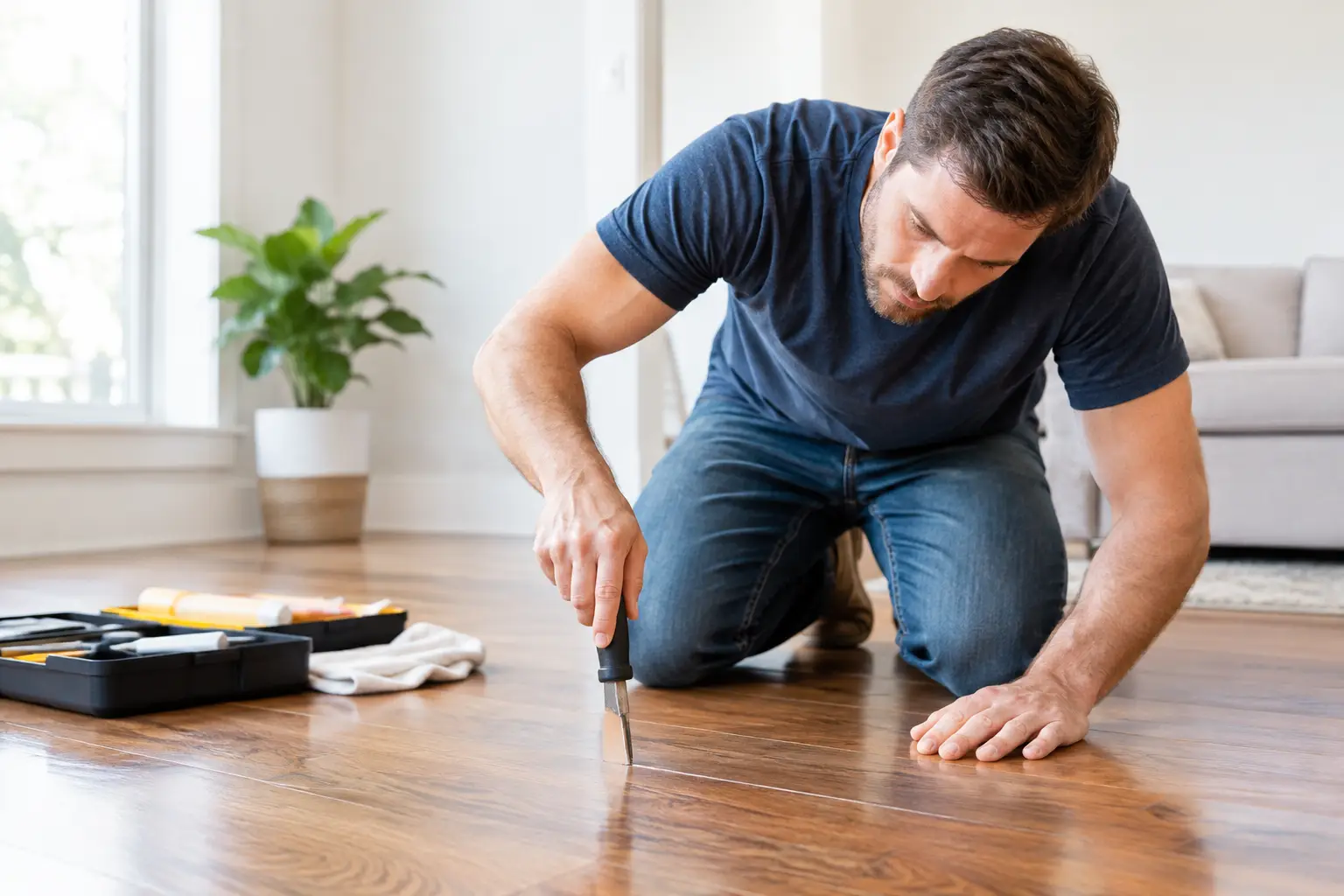
Next comes preparation. Furniture is removed, adjacent areas are protected, and protruding fasteners or damaged boards are addressed. If there are isolated problems – gaps, broken planks, stained boards, or earlier patchwork – those details should be handled before the finishing system is rebuilt.
Sanding is the heart of the process. This is where precision matters most. The goal is to remove the failing finish and smooth the surface without taking away more wood than necessary. Multiple sanding passes may be required, moving from more aggressive grit to finer grit for a refined, even surface.
After sanding, the floor is cleaned thoroughly to remove dust and fine particles. If a color change is desired, stain is applied at this stage. Then the protective finish goes on, usually in multiple coats, with proper dry time and abrasion between coats as needed.
Modern finishing systems have changed the homeowner experience significantly. Today’s very low-VOC, quick-drying finishes can offer excellent durability while supporting better indoor air quality than older products. That matters in busy family homes, design-driven renovations, and occupied residences where downtime needs to be managed carefully.
When does a hardwood floor need refinishing?
A floor usually tells you. You may notice dull traffic lanes, gray or bare-looking patches where finish has worn thin, stubborn scratches, small gouges, or a general loss of depth and richness. In some rooms, water no longer beads on the surface because the protective layer is breaking down.
That said, timing is not only about appearance. Once finish wears through in heavily used areas, the wood becomes more vulnerable to moisture, staining, and deeper damage. Refinishing at the right time can preserve the floor and avoid more extensive repairs later.
Some floors are ideal candidates. Solid hardwood with surface wear but stable boards often responds beautifully to refinishing. Floors with character, age, or custom wood species can especially benefit because refinishing preserves material that would be costly – or impossible – to replace with the same quality.
There are also situations where refinishing may not be the answer. Severe water damage, widespread board failure, deep structural movement, or very thin wear layers on engineered wood may point toward repair, replacement, or a more limited restoration approach. This is where honest guidance matters more than a one-size-fits-all recommendation.
Can all hardwood floors be refinished?
Not all wood floors should be refinished in the same way.
Solid hardwood can usually be refinished multiple times over its lifespan because the wood is thick enough to allow careful sanding. That is one reason solid hardwood remains such a lasting investment.
Engineered hardwood is more variable. Some premium engineered products have a wear layer thick enough for refinishing, while others do not. The top layer may allow one careful refinishing, or none at all. The product’s construction makes all the difference.
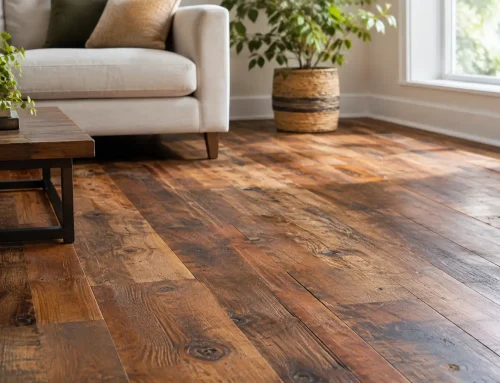
Reclaimed and antique floors deserve special handling. Their beauty often lies in saw marks, patina, age variation, and distinctive grain. Over-sanding can erase that character. In those cases, refinishing is still possible, but the work should be approached as preservation, not simply surface removal.
What refinishing can and cannot fix
Refinishing can do a great deal, but it is not magic.
It can remove most surface scratches, even out wear patterns, improve shallow blemishes, restore richness, and dramatically improve the look of an older floor. It can also allow for a color update if the wood species and condition support staining well.
What it may not fully erase are deep black water stains, major cupping, severe pet damage that penetrates the wood fibers, or large areas of movement caused by moisture issues below the floor. Those conditions often require board replacement or broader corrective work before refinishing can deliver a lasting result.
This is one of the reasons experienced homeowners tend to value a detailed site assessment. Good craftsmanship starts with telling the truth about what the floor can realistically become.
Why professional refinishing makes such a difference
Hardwood refinishing is one of those trades that looks deceptively straightforward from a distance. Sand. Stain. Seal. Yet the final result depends on dozens of technical decisions: machine control, grit sequence, edge blending, wood species behavior, stain absorption, finish compatibility, humidity conditions, and cure time.
Mistakes are not subtle. Uneven sanding, chatter marks, lap lines, blotchy stain, dust contamination, and poorly chosen finish systems can all diminish the floor and shorten its life.
A professional approach protects more than appearance. It protects the material itself. That is especially important in custom homes, older homes, and high-value interiors where the floor is not background detail – it is one of the defining surfaces in the space.
For homeowners in places like Annapolis, Potomac, or the Eastern Shore, where historic character and long-term property value often go hand in hand, preserving original or premium hardwood flooring through skilled refinishing can be the more thoughtful investment.
Is refinishing worth it?
Very often, yes. If the boards are sound and the floor has quality worth preserving, refinishing can extend its life for many years while transforming the feel of the entire room. The grain becomes clearer. Light reflects more evenly. The floor stops looking worn and starts looking intentional again.
It is also one of the few home improvements that combines aesthetics with genuine material preservation. You are not covering up the original surface. You are restoring it and rebuilding its protection.
The value, however, depends on execution and timing. Refinish too early, and you may remove usable finish before necessary. Wait too long, and damage may progress beyond what sanding alone can correct. The right moment sits between those two extremes.
When people ask what does refinishing hardwood floors mean, the best answer is this: it means giving a real wood floor a second life through skilled restoration, not replacement. And when that work is done with care, the result is more than a cleaner surface. It is a floor that once again carries the room with the depth, warmth, and permanence hardwood is meant to provide.