A hardwood floor rarely asks for attention all at once. It shows its age in quieter ways first – a dull traffic path near the kitchen, shallow scratches by the entry, a finish that no longer reflects light the way it once did. That is usually when homeowners start asking, what is wood floor restoration, and whether their floor needs a simple refresh or something more involved.
Wood floor restoration is the process of bringing worn, damaged, or aged hardwood floors back to sound condition and visual beauty. Depending on the floor, that can include deep cleaning, board repair, stain correction, sanding, refinishing, replacing damaged sections, and applying a new protective finish. The goal is not simply to make the floor look newer. It is to preserve the material itself, correct problems before they spread, and extend the life of a floor that may still have decades left in it.
What Is Wood Floor Restoration and What Does It Include?
Restoration is broader than refinishing alone. Refinishing usually refers to sanding the surface and applying a new stain or finish. Restoration can include refinishing, but it also addresses the structural and cosmetic issues that sanding by itself will not solve.
A proper restoration often begins with evaluation. An experienced flooring specialist looks at the thickness of the wear layer, the condition of the finish, signs of moisture movement, previous repair work, gaps, cupping, staining, pet damage, and whether the floor has been sanded too many times before. That assessment matters because two floors that look equally worn may need very different approaches.
In one home, restoration may mean a full sand and refinish to remove surface wear and restore color consistency. In another, it may involve replacing water-damaged boards, weaving new wood into old, correcting uneven sections, and custom-matching stain so the repair disappears into the room. In older homes, restoration can become even more exacting, especially when the floor includes narrow planks, site-finished character, reclaimed material, or species no longer commonly installed.
Restoration vs. Refinishing vs. Replacement
These terms are often used interchangeably, but they are not the same.
Refinishing focuses on the top layer. The existing finish is abraded or sanded away, surface imperfections are reduced, and a new protective coating is applied. This is often the right solution for floors with dullness, minor scratches, faded stain, or moderate wear.
Restoration is more comprehensive. It may include refinishing, but it also deals with damage, age, movement, and craftsmanship issues that affect the floor’s integrity or appearance. If boards are split, stained through, loose, uneven, or missing, restoration addresses those problems before the final finish goes down.
Replacement is the last resort. It makes sense when the floor is too thin to sand again, has severe water damage, has widespread structural failure, or when previous installation methods make repair impractical. Even then, selective replacement is often possible, which preserves more of the original floor and usually creates a better design outcome than tearing everything out.
When a Floor Is a Good Candidate for Restoration
Many hardwood floors can be restored even when they appear far gone at first glance. Surface scratches, worn finish, discoloration from rugs or sunlight, minor cupping, isolated water stains, pet wear, and squeaky or loose boards are all common issues that can often be corrected.
The species and age of the wood also matter. Solid hardwood generally offers the greatest restoration potential because it can usually be sanded multiple times over its lifespan. Engineered wood can sometimes be restored as well, but it depends on the thickness of the hardwood veneer. Some engineered products tolerate a light sanding and new finish beautifully. Others are too thin for aggressive work.
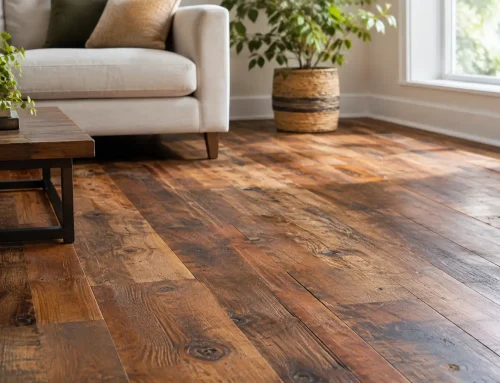
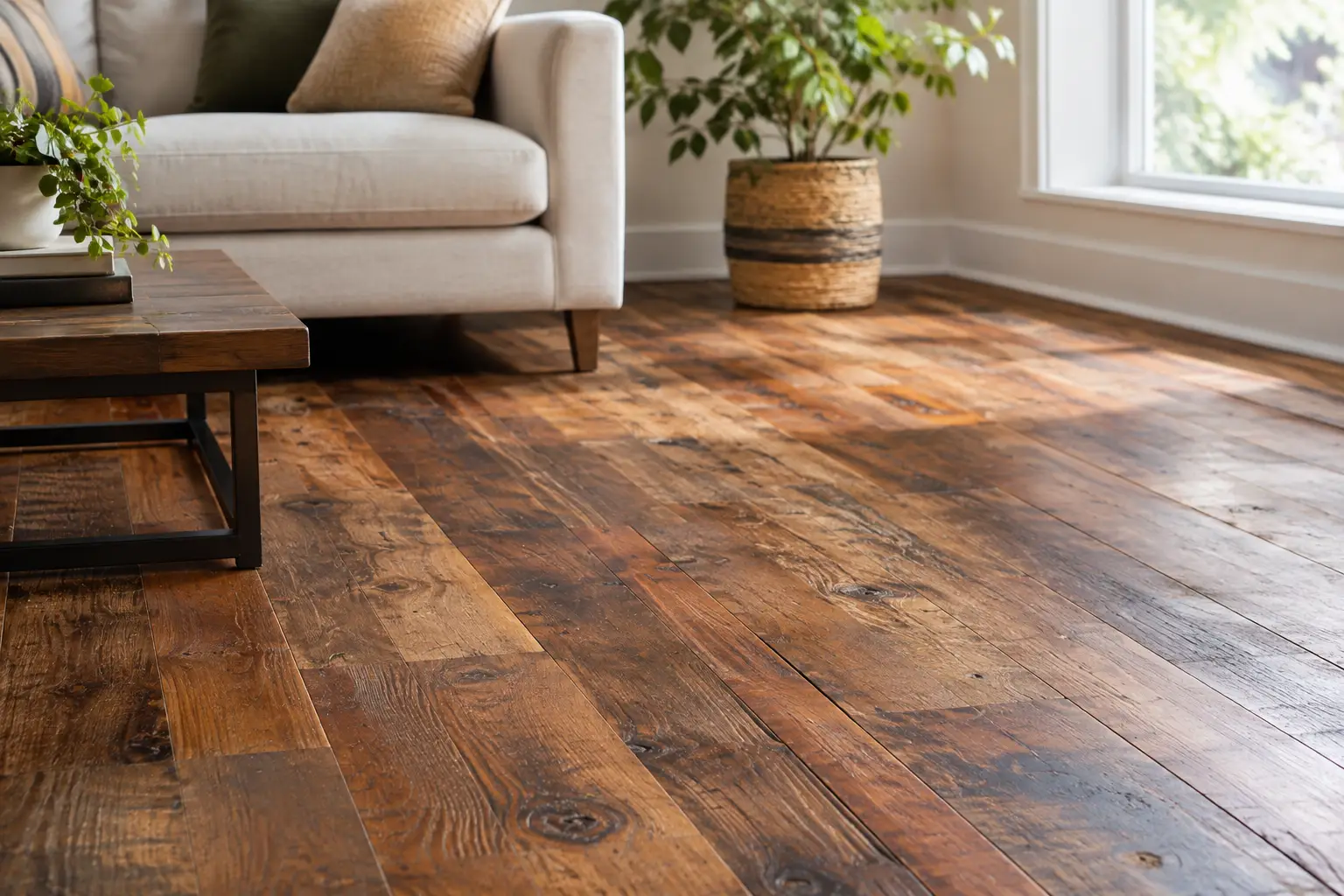
Historic and reclaimed floors deserve special consideration. Older material often has extraordinary character, tighter grain, and a patina that cannot be recreated with new boards. Restoring those floors takes restraint as much as skill. The aim is not to erase every mark of age. It is to preserve the floor’s strength and beauty without stripping away what makes it distinct.
What Happens During the Restoration Process
The first stage is diagnosis. Moisture conditions, board stability, and finish failure need to be understood before any machine touches the floor. If a moisture source remains active, refinishing the floor without correcting the cause will only produce another failure.
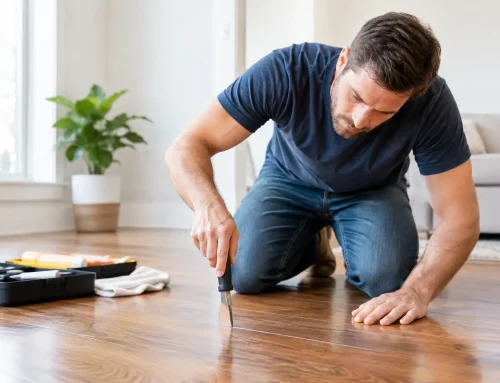
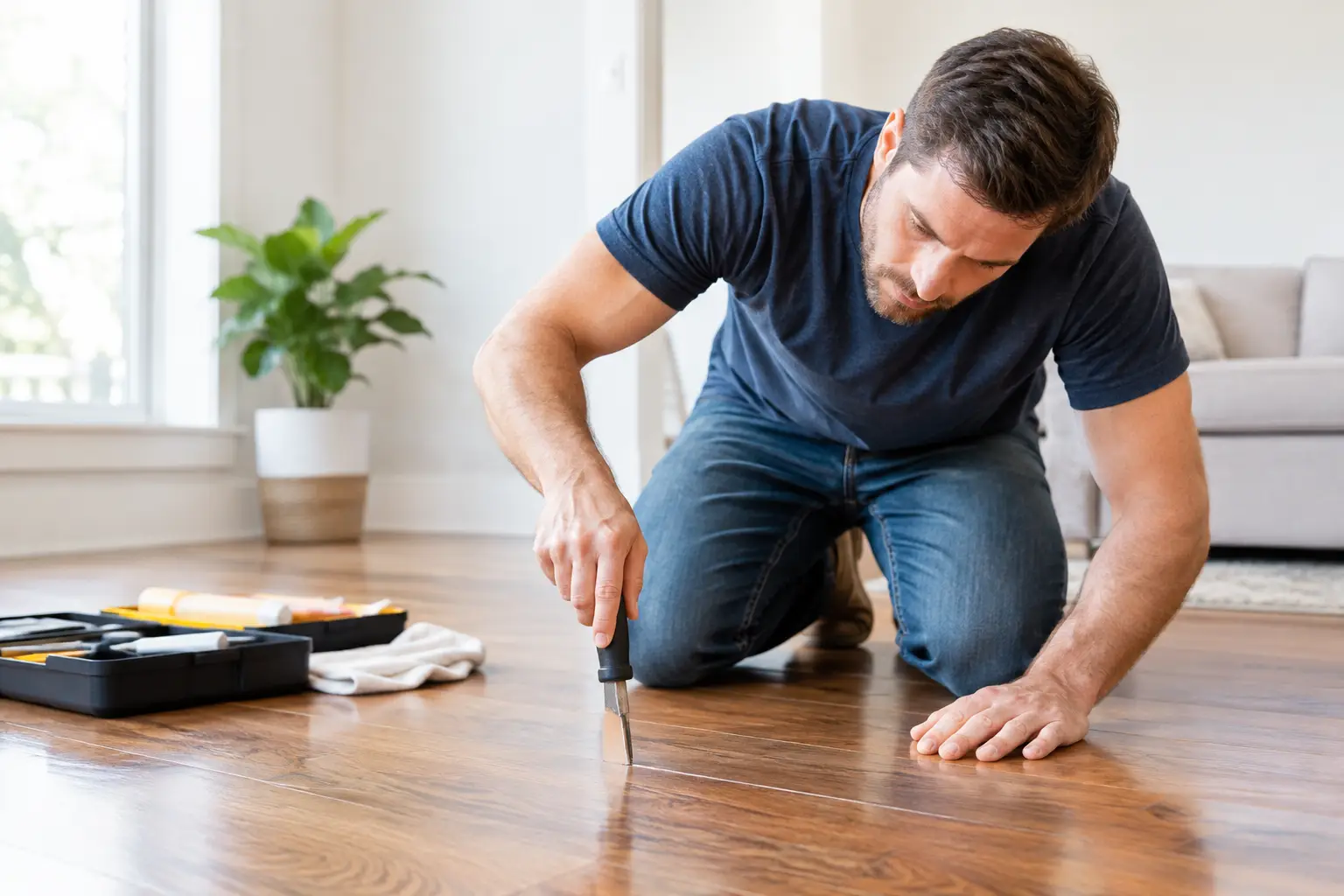
Next comes preparation and repair. Damaged boards may need to be removed and replaced. Gaps may need attention, although not every seasonal gap should be filled. Loose planks are secured. Stained areas are evaluated to determine whether sanding will remove them or whether the discoloration has penetrated too deeply.
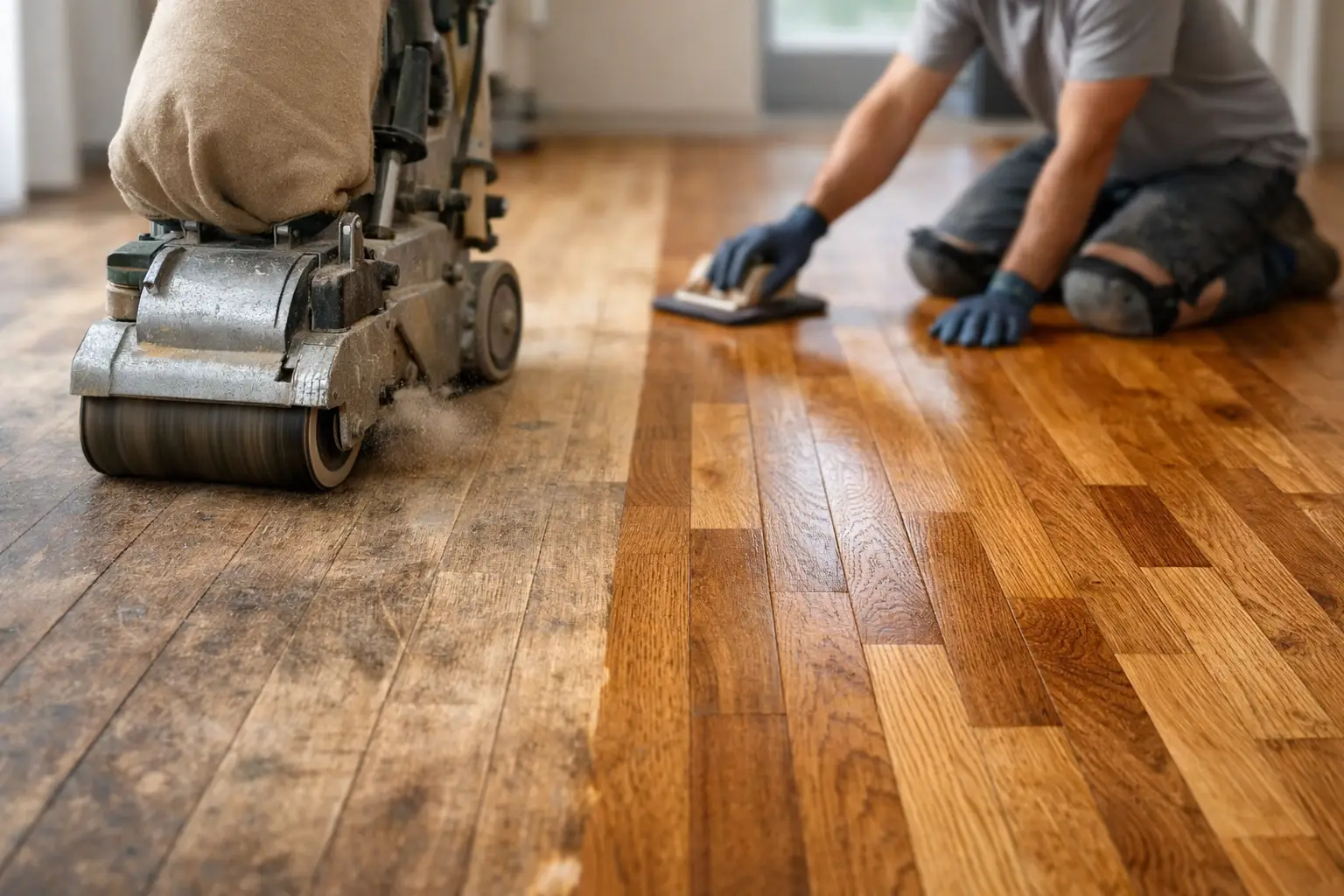
Then comes sanding, when appropriate. This is one of the most technically demanding stages. Good sanding does more than remove finish. It flattens minor irregularities, blends repaired areas, opens the wood evenly for stain, and creates the foundation for a clean final appearance. Poor sanding leaves chatter marks, dish-out, swirl patterns, and uneven edges that become more visible after finish is applied.
After sanding, stain may be applied if the homeowner wants to change or restore the floor’s color. Some floors are best left natural, especially when the wood has strong grain or when a lighter, more contemporary look suits the home. Others benefit from a custom tone that balances old and new boards or complements surrounding millwork.
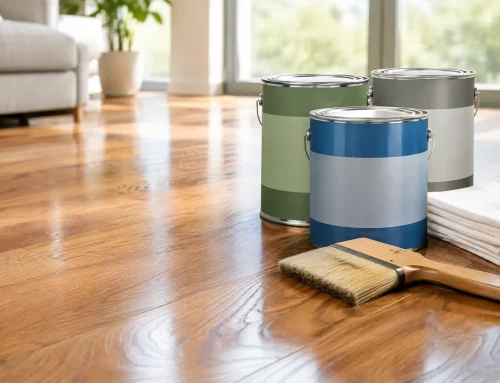
Finally, the floor receives its protective finish. This is where craftsmanship and product choice meet. Modern low-VOC, high-performance finishes offer excellent durability while supporting healthier indoor air quality and faster return to use. The right finish depends on the household, sheen preference, traffic level, and whether the priority is maximum durability, natural appearance, or ease of future maintenance.
Why Craftsmanship Matters So Much
Wood floor restoration is not a cosmetic shortcut. It is finish chemistry, wood behavior, moisture management, and visual judgment working together. Small decisions have lasting consequences.
For example, aggressive sanding may erase wear, but it can also shorten the life of the floor if more material is removed than necessary. Filling every gap may look tidy for a moment, then fail when the seasons shift. Replacing damaged boards without carefully matching width, grade, and grain can leave a repair that always looks like a patch. Even sheen selection matters. A high-gloss finish may amplify imperfections in an older floor, while a lower sheen often highlights texture and character more gracefully.
That is why homeowners with premium hardwood, custom interiors, or older homes usually benefit from a specialist rather than a volume-driven contractor. Restoration rewards patience, technical control, and a practiced eye.
What Restoration Can and Cannot Fix
A restored floor can look remarkable, but honest expectations matter.
Restoration can usually correct wear, dullness, shallow scratches, many stains, minor unevenness, finish failure, and isolated board damage. It can often improve noise, refresh color, and dramatically change the way a room feels.
What it cannot always do is make an old floor look factory-new, nor should that always be the goal. Deep black water stains may remain faintly visible even after repair. Historic floors may retain some movement or small seasonal gaps. Repaired areas can be blended beautifully, but natural wood variation means perfect invisibility is not guaranteed in every light. In most well-executed projects, the floor looks cohesive, refined, and appropriate to the home – which is usually far better than making it look artificially replaced.
Is Wood Floor Restoration Worth It?
In many cases, yes. Restoration is often more cost-effective than full replacement, especially when the existing floor is quality hardwood. It also preserves original material, avoids unnecessary demolition, and maintains the architectural continuity of the space.
For homeowners investing in long-term value, restoration offers something replacement often cannot: authenticity. A well-restored floor carries the scale, grain, and presence of real wood that has matured in place. In established homes across Maryland, Northern Virginia, and the D.C. region, that character is part of what gives an interior its depth.
There are practical benefits as well. Proper restoration extends service life, improves cleanability, protects against further wear, and allows the finish system to be tailored to how the home is actually used. Families with pets, frequent entertaining, or strong sunlight may need a different finish strategy than a formal dining room or historic parlor.
If you are wondering whether your floor needs restoration, the best place to start is not with a stain chart or a sanding machine. It is with a trained assessment. Some floors need a full restoration. Others need lighter intervention and a better maintenance plan. The difference can save both money and material.
A good hardwood floor does not lose its value when it shows age. Very often, that is the moment when skilled restoration reveals just how much life and beauty is still there.