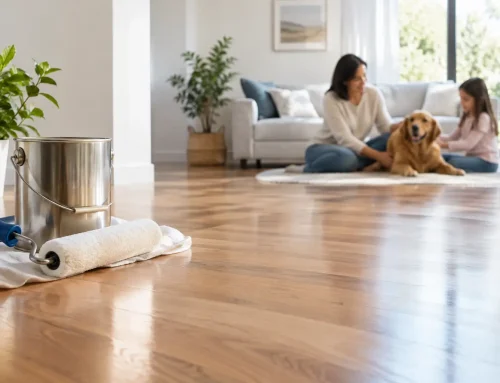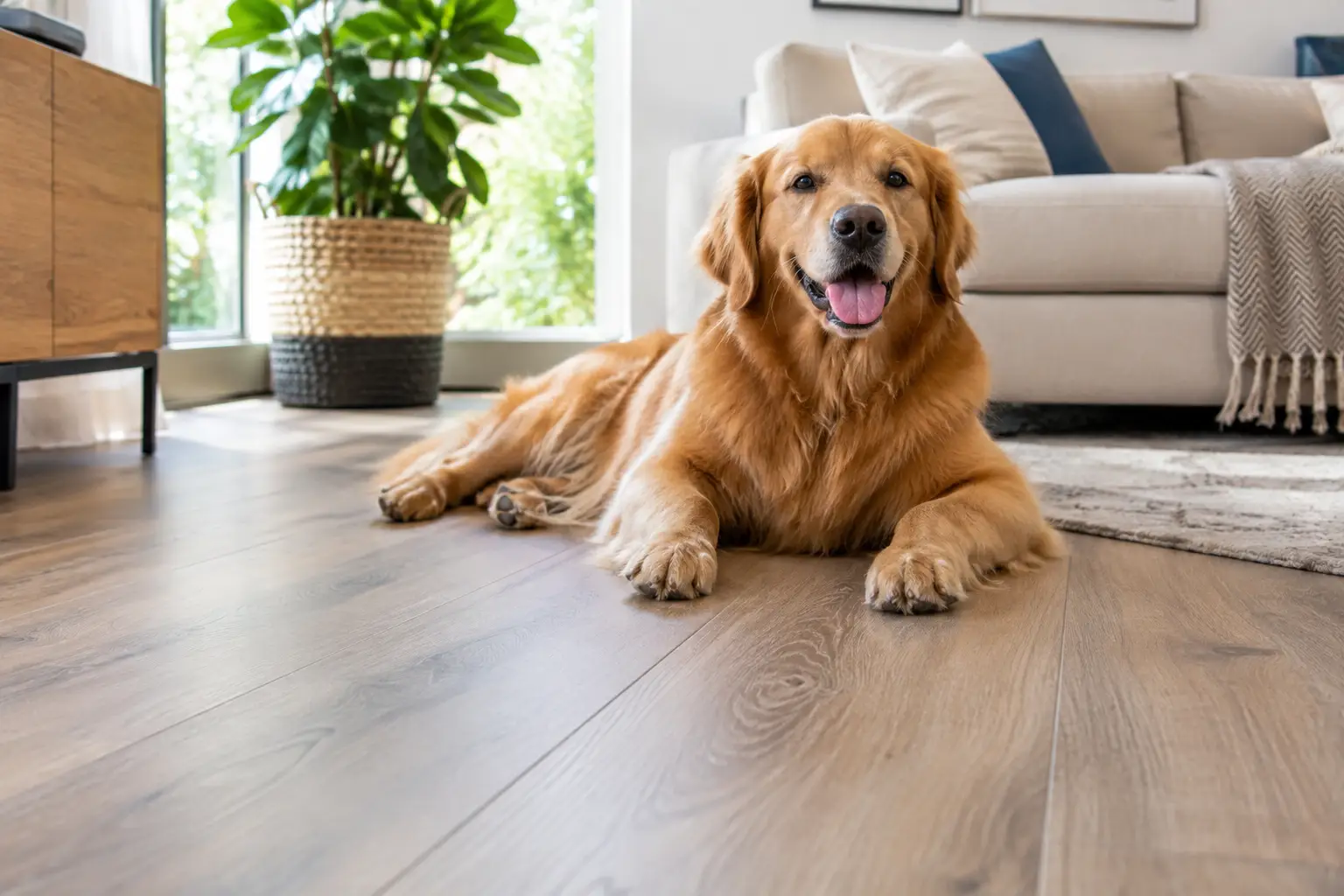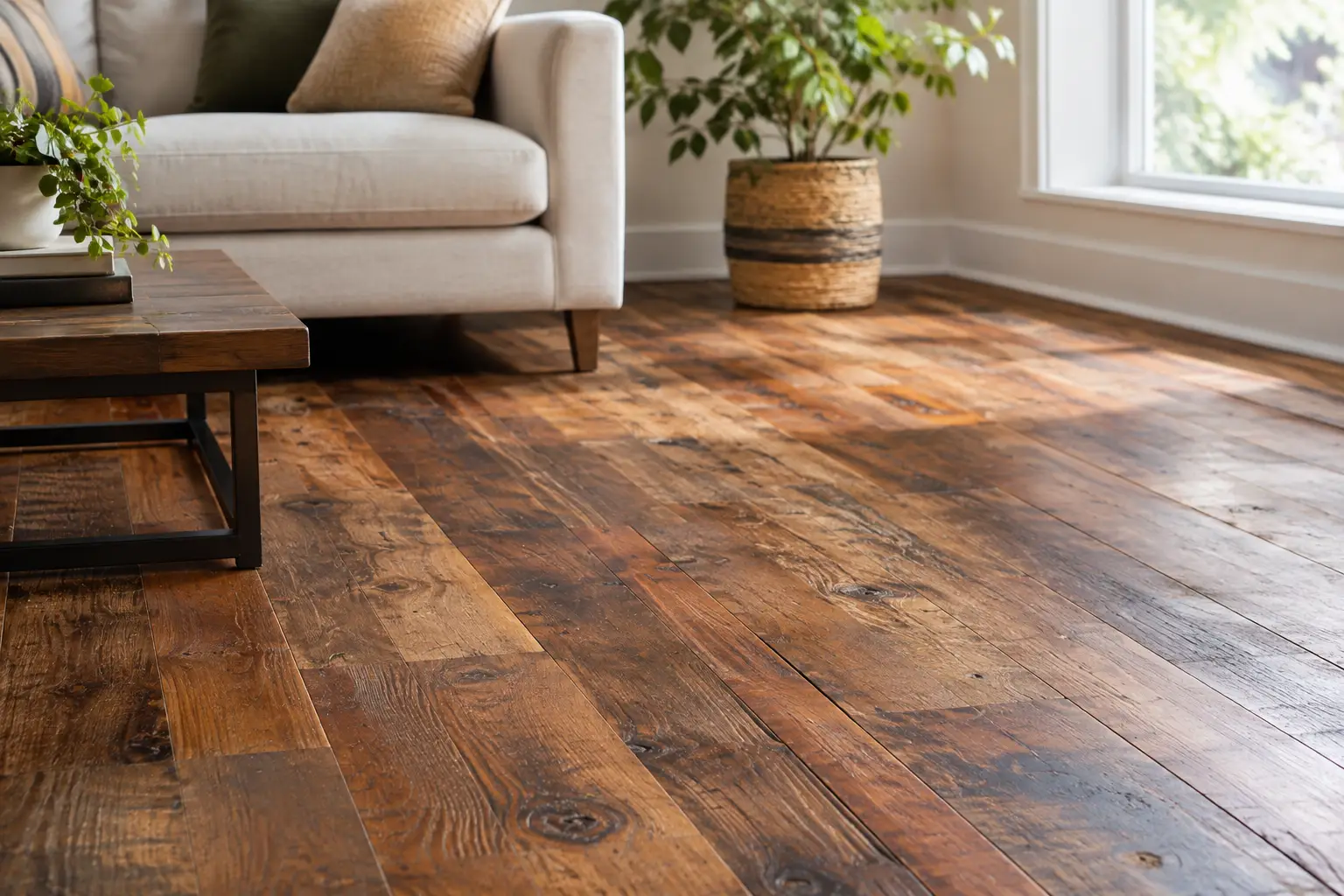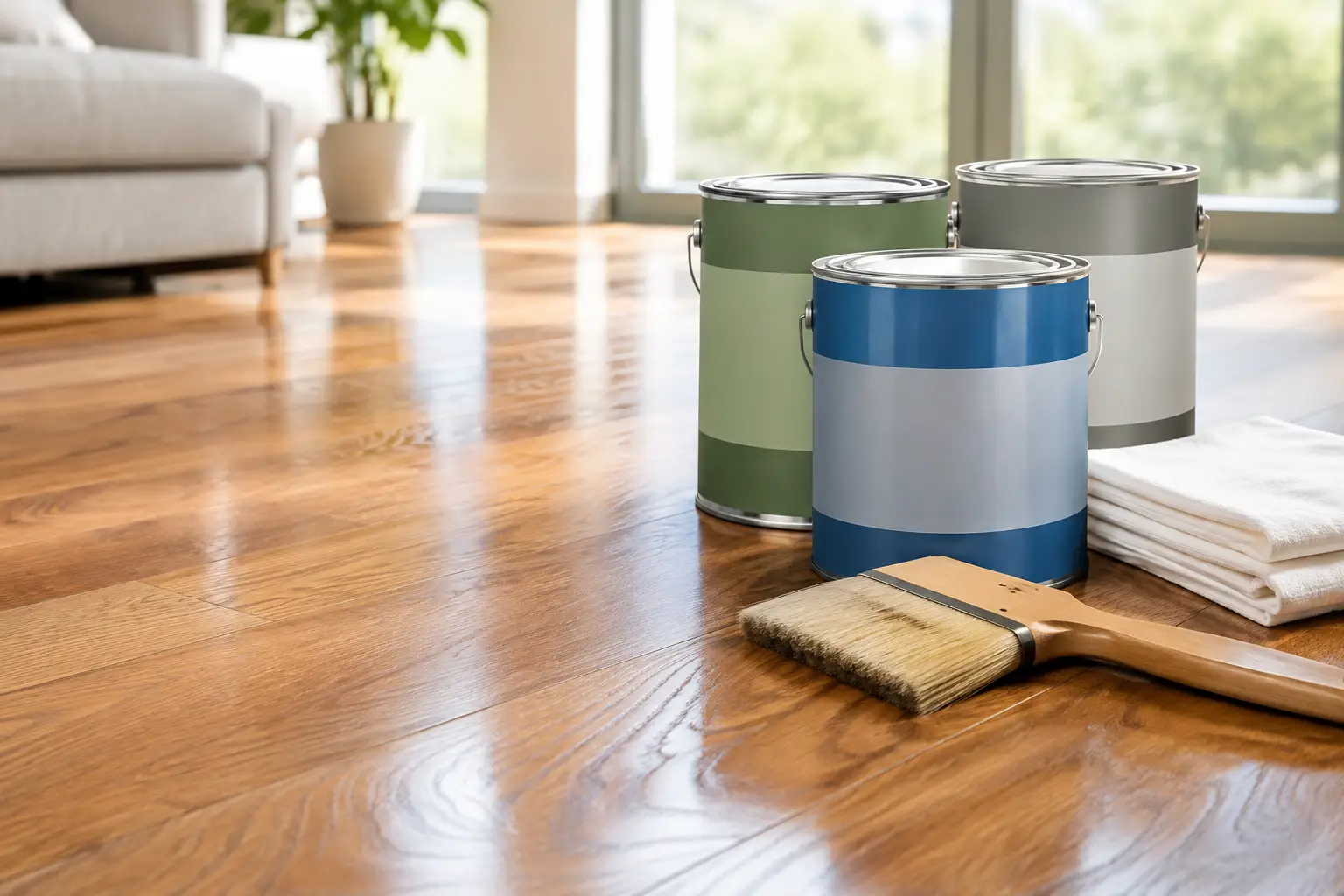
A hardwood floor can lose its richness long before it is truly worn out. Fine scratches, dulled finish, light traffic patterns, and a tired surface often make homeowners assume a full sanding project is the only answer. In many cases, though, what is sandless wood floor refinishing really comes down to a simpler question: does your floor need a complete reset, or does it need its finish professionally renewed?
Sandless wood floor refinishing is a method of restoring the appearance and protection of a hardwood floor without aggressively sanding the wood down to bare grain. Instead of removing the full finish layer and a portion of the wood itself, this process typically cleans the floor thoroughly, lightly abrades or chemically prepares the existing finish, and applies a new topcoat. The goal is to refresh sheen, improve protection, and extend the life of the floor while avoiding the disruption of a full traditional refinish.
What is sandless wood floor refinishing, exactly?
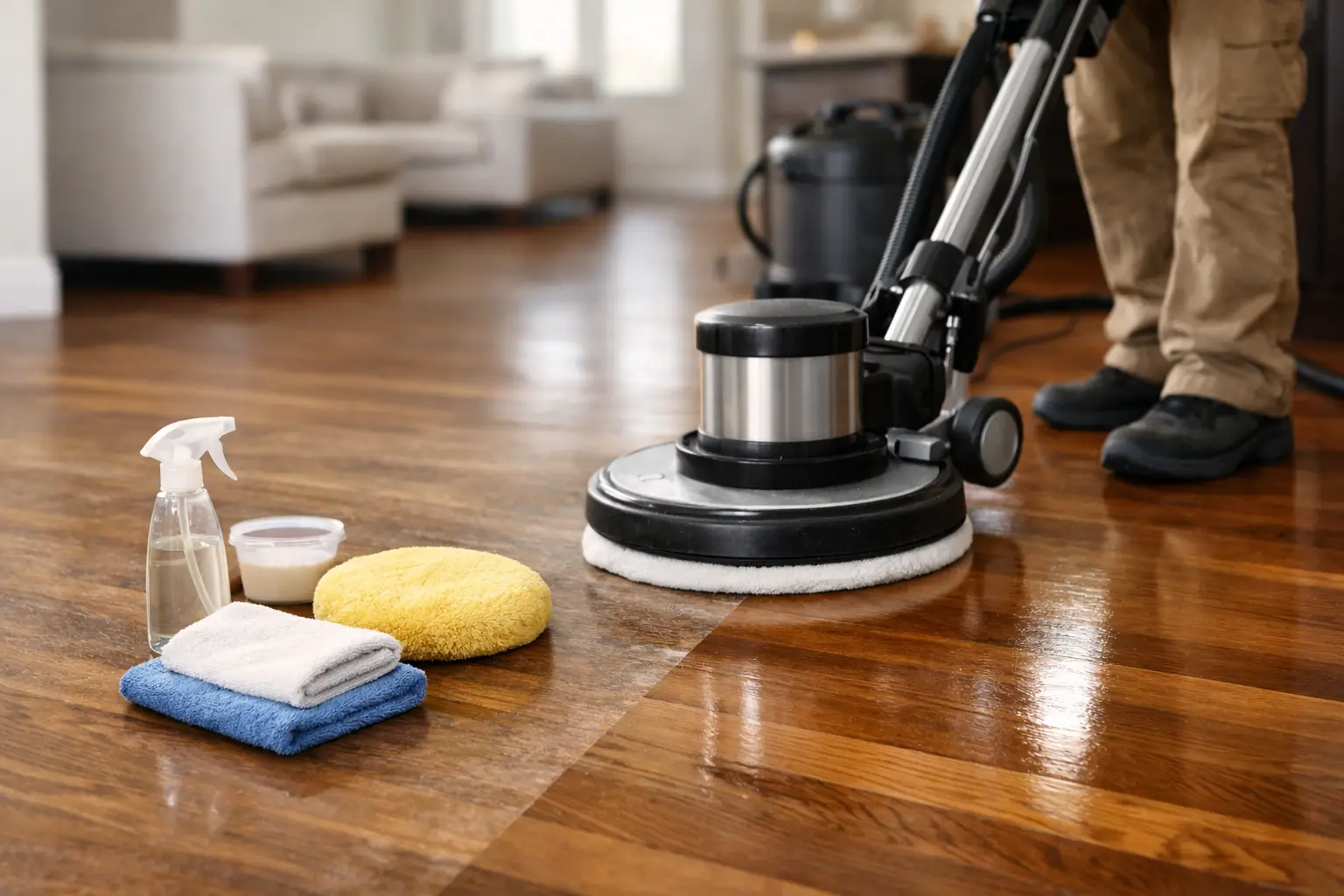
The term can be a little misleading because there is usually still some form of surface preparation involved. What makes it different is that the floor is not being cut back to raw wood with heavy sanding equipment. A professional may use specialized abrasion systems, buffing screens, or bonding agents designed to help the new finish adhere to the old one.
This matters because hardwood floors do not always need to be stripped down to start over. If the existing boards are in good condition and the issues are limited to surface wear, a sandless approach can restore clarity and protection with far less intrusion into the home. For busy households, that lighter-touch process is often the main appeal.
It is best understood as a maintenance-based restoration rather than a full transformation. You are preserving the integrity of the floor and renewing its protective layer, not changing the wood itself.
How the process works
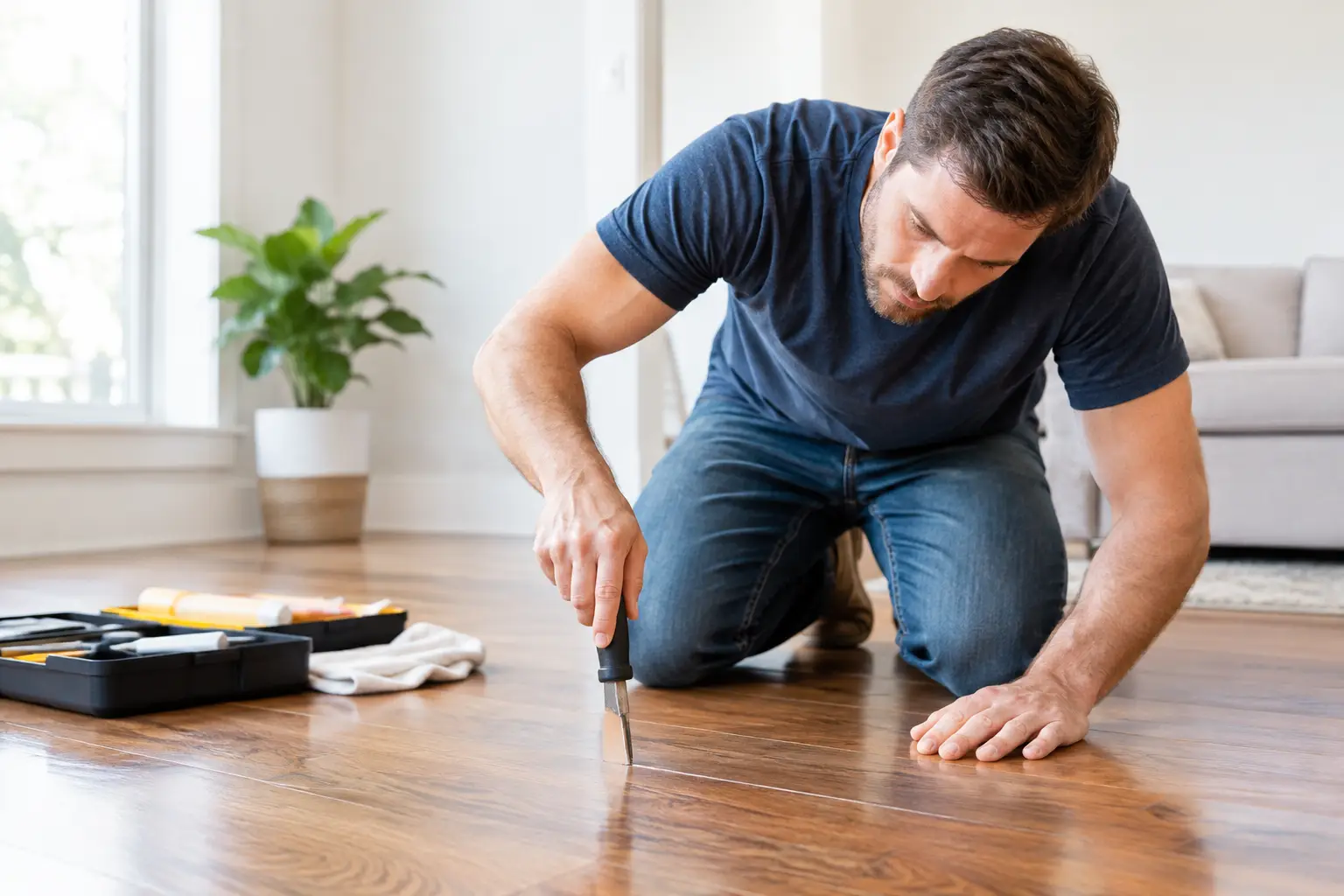
A proper sandless refinishing service begins with evaluation. The floor has to be checked for deep gouges, black water stains, pet damage, wax contamination, failing finish, and board-level wear. If those conditions are present, recoating alone will not solve the problem.
If the floor is a good candidate, the next step is detailed cleaning. This is not ordinary household mopping. Any residue from cleaners, oils, polishes, or maintenance products can interfere with adhesion, so the surface must be prepared with care.
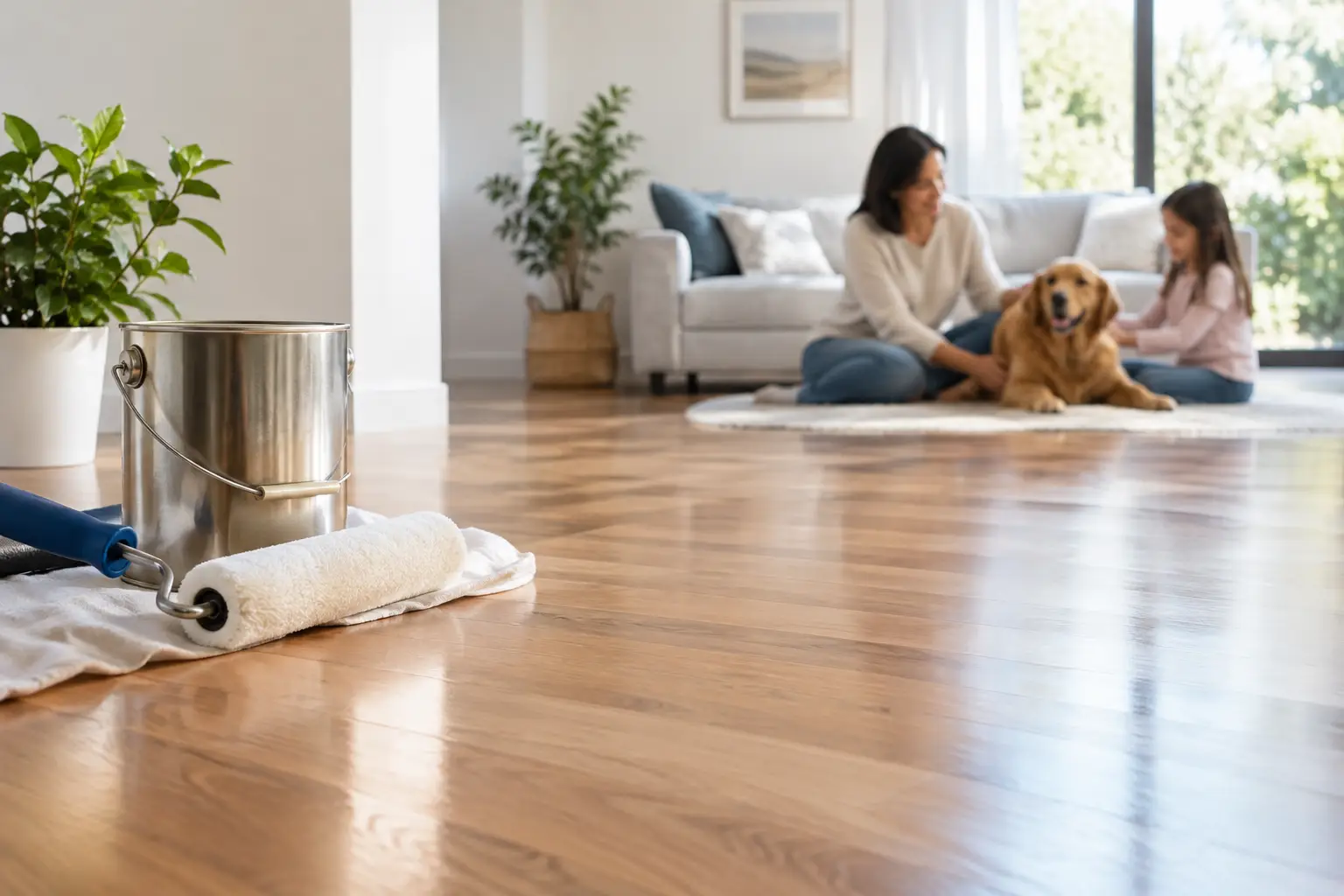
After cleaning, the existing finish is lightly abraded or otherwise prepared so the new coat can bond correctly. Then a fresh finish is applied across the floor. Depending on the product system, that may be a durable water-based coating chosen for quick drying time, low odor, and strong wear performance.
The result is a floor that looks clearer, richer, and more even, with renewed protection against daily use. The wood color and character stay largely the same because the existing stain and wood surface are not being removed.
When sandless wood floor refinishing makes sense
This service tends to work best on floors that still have sound wood beneath a worn or dulled top layer. If your hardwood has lost luster, shows light surface scratches, or looks tired in traffic lanes, a sandless recoat can be an excellent way to refresh it before damage becomes more serious.
It is also a smart preventive move. Homeowners often wait until wear becomes obvious, but refinishing the topcoat before the finish fails completely can add years to the life of the floor. That matters especially in main living areas, kitchens that open into wood flooring, and homes with children, pets, or frequent entertaining.
For design-conscious homeowners, there is another benefit: consistency. If you love your floor’s current color and character, sandless refinishing allows you to preserve that look while restoring the finish quality. In historic homes and custom interiors, that restraint is often exactly the right decision.
When it is not enough
This is where experience matters. Sandless refinishing is useful, but it is not a cure-all. If the floor has deep scratches that cut into the wood, cupping, water staining, pet stains, sun fading, finish peeling, or uneven coloration, a recoat will not correct those underlying issues.
The same is true if the floor has been treated with waxes or certain polishing products over time. Those materials can prevent proper bonding, and in some cases they make a full sanding process the more reliable path.
A homeowner who wants to change stain color should also expect a traditional refinish, not a sandless one. Because the old finish is not being fully removed, the wood is not open to receive a new stain uniformly.
In other words, the question is not whether sandless refinishing is better than sanding. The real question is whether it is appropriate for the condition and goals of your floor.
The biggest benefits of sandless wood floor refinishing
The first benefit is reduced disruption. A full sanding project is sometimes necessary, but it is more invasive by nature. Sandless refinishing is typically faster, cleaner, and easier to manage in an occupied home.
The second is preservation. Every time a floor is sanded to bare wood, a small layer of material is removed. Solid hardwood can be sanded multiple times over its life, but not indefinitely. Engineered hardwood can be even more limited, depending on the wear layer. If a floor only needs finish renewal, preserving the wood is the wiser craft decision.
There is also the issue of air quality and comfort. Modern low-VOC finish systems have improved the homeowner experience considerably, especially when paired with a lighter restoration process. For families who value both beauty and a healthier interior environment, that combination is meaningful.
Finally, there is cost efficiency. While pricing varies by floor condition, species, layout, and finish system, sandless refinishing is generally more economical than a full refinish because it requires less labor and less intensive preparation.
What results should you expect?
Good sandless refinishing can make a floor look dramatically better, but expectations should be grounded in what the service is designed to do. It will improve sheen, refresh clarity, reduce the appearance of minor surface wear, and restore a protective finish layer.
It will not erase structural defects or make a heavily damaged floor look brand new. A trustworthy flooring professional should say that plainly. In our trade, long-term performance matters more than selling the wrong process for short-term appeal.
That honesty protects the homeowner’s investment. It also leads to better planning. Sometimes a floor in a formal dining room is a perfect candidate for sandless refinishing, while a heavily worn foyer nearby may call for a deeper restoration strategy. Floors should be assessed by condition, not by assumption.
Choosing the right professional matters
Because this process depends on adhesion, finish compatibility, and careful preparation, execution is everything. A rushed recoat over a contaminated or failing surface will not hold up well. A properly evaluated and professionally applied system can extend the life of the floor beautifully.
This is where craftsmanship shows. The work may look simpler than full sanding, but precision still matters at every stage – evaluating the existing finish, selecting the right coating, preparing edges and transitions, and controlling dust, debris, and drying conditions.
For homeowners in places like Annapolis, Potomac, or the Eastern Shore, where homes often feature quality hardwood as a defining architectural element, floor maintenance should be approached with the same seriousness as installation. A floor is not just a surface underfoot. It shapes the tone of the entire interior.
So, what is sandless wood floor refinishing the right choice for?
It is the right choice for hardwood floors that are fundamentally healthy but visibly losing their finish. It is ideal when you want to restore beauty, improve protection, minimize disruption, and preserve the wood rather than cut it back unnecessarily.
It is not the right choice when the floor needs correction, not just renewal. That distinction is why a professional assessment matters so much. The best flooring decisions are rarely about the quickest option. They are about matching the method to the material, the condition, and the standard of finish you want to live with for years.
If your hardwood still has strong bones but looks tired on the surface, sandless refinishing may be the most sensible next step – not because it does less, but because it does exactly what the floor needs and no more.