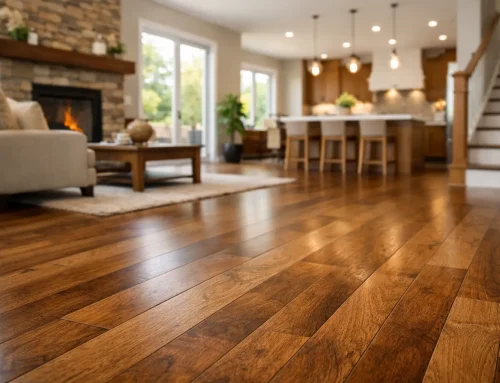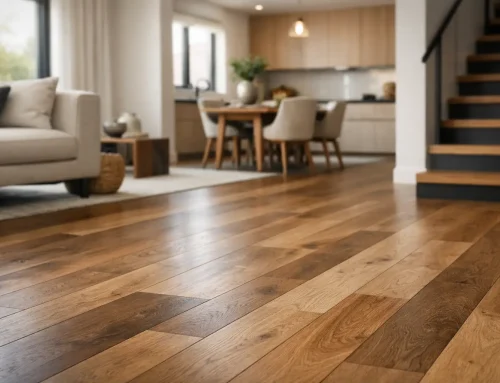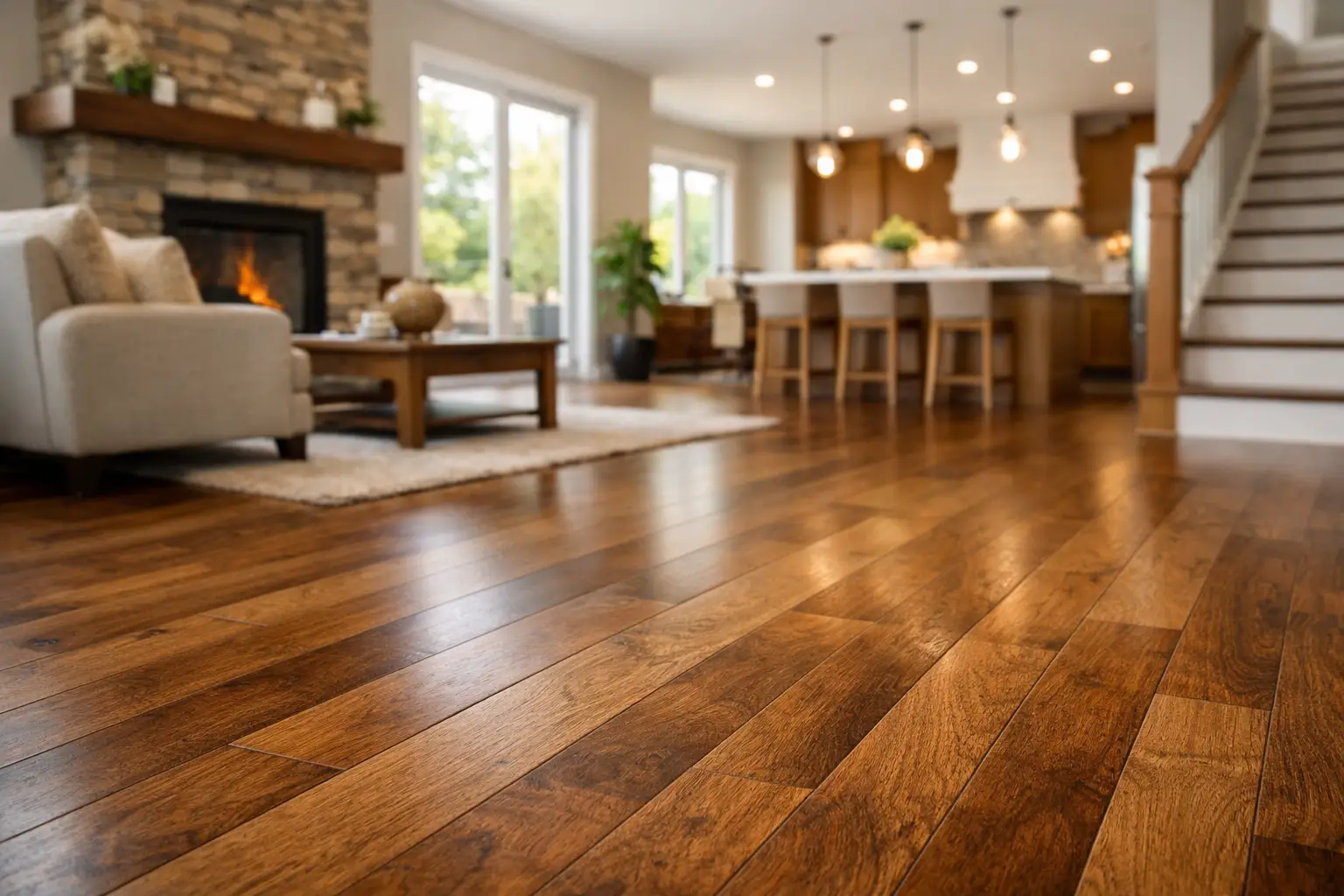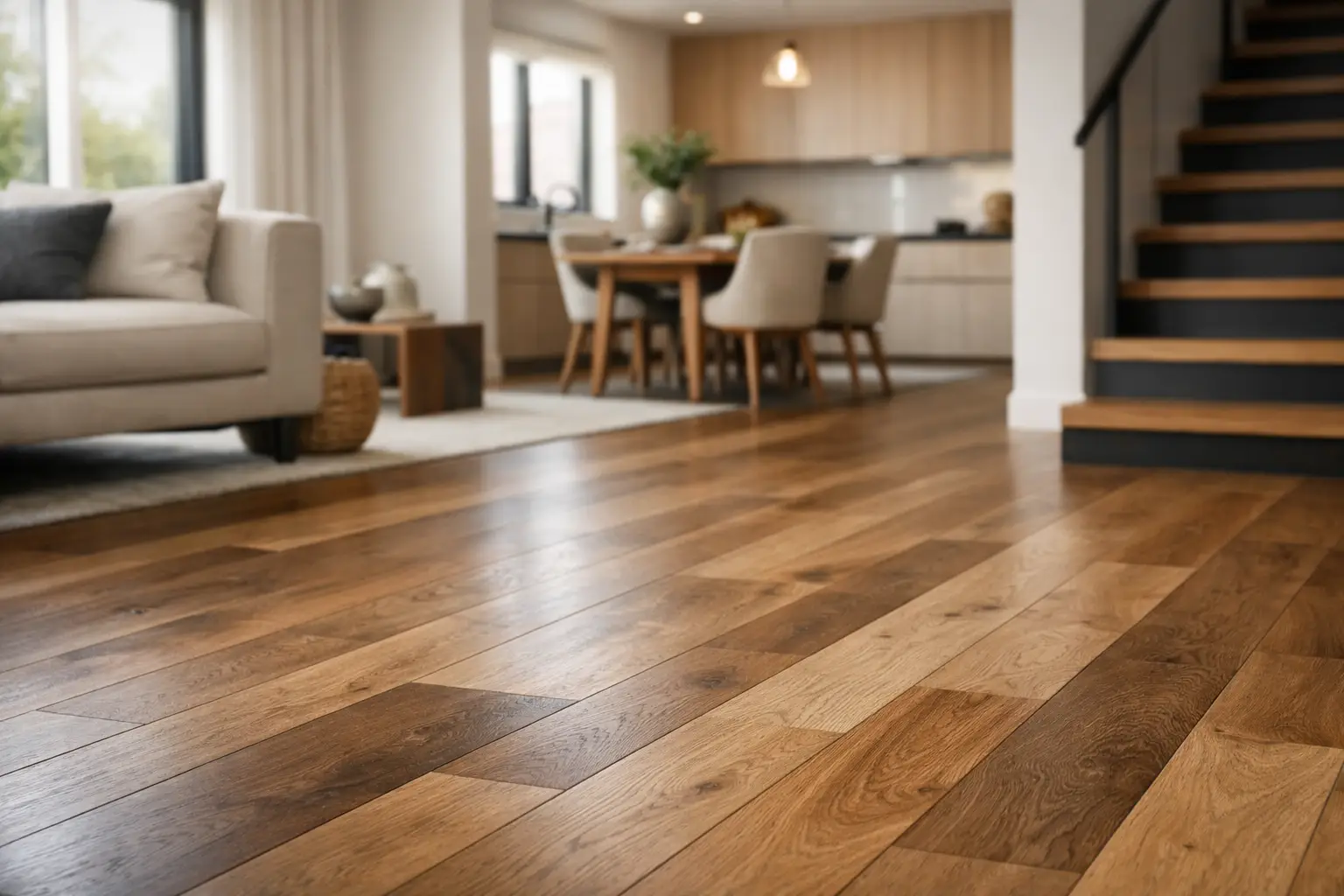
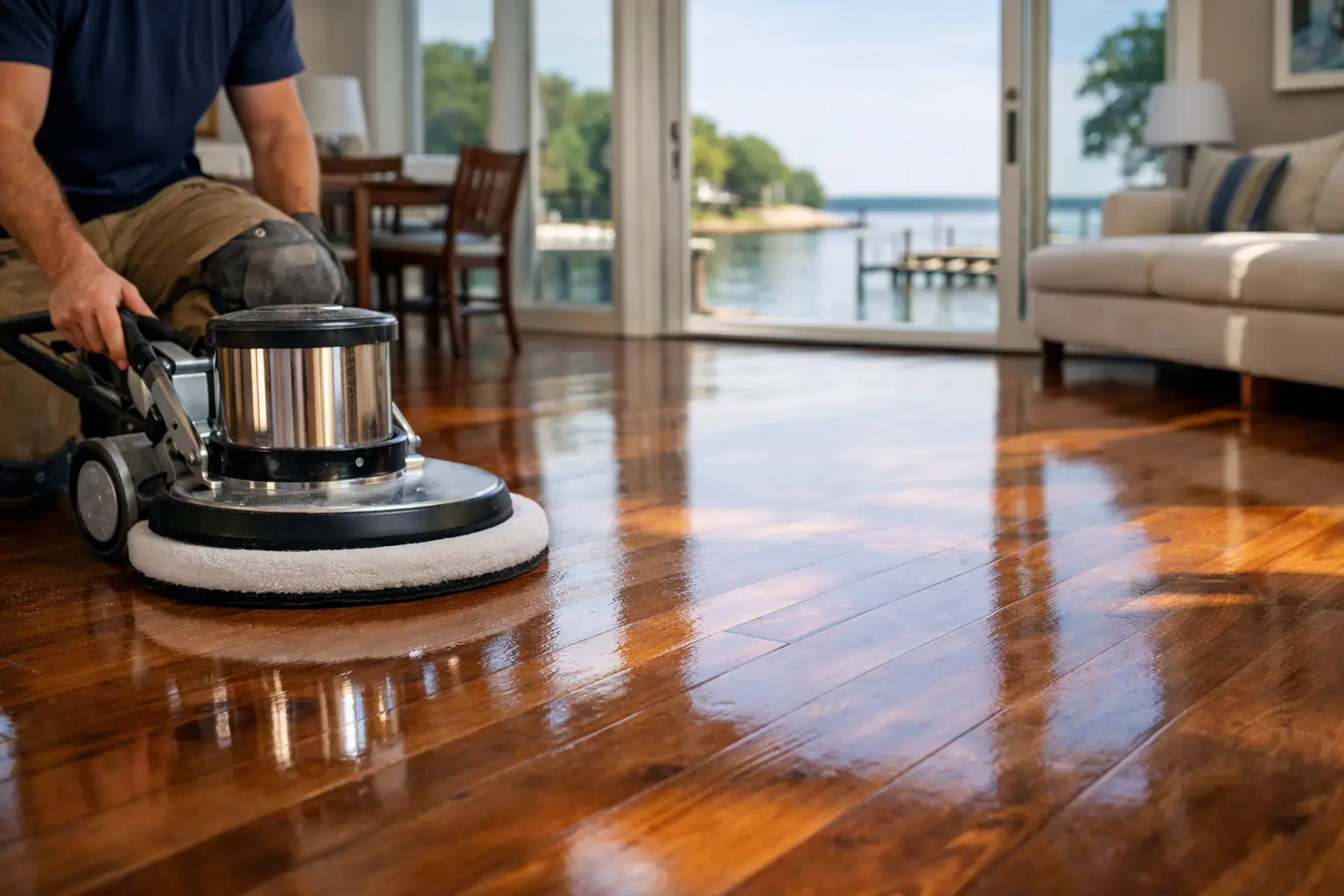
A hardwood floor can carry decades of a home’s life in its grain: the soft wear path through a dining room, the rich patina beneath a window, the small marks that prove a family has truly lived there. Eastern Shore floor restoration is not about erasing every trace of that history. Done well, it preserves the character worth keeping while correcting the damage that threatens the floor’s beauty, structure, and longevity.
For homeowners in Easton, St. Michaels, Annapolis, and surrounding waterfront communities, restoration often requires more than a standard sanding service. Coastal humidity, seasonal temperature shifts, older subfloors, sun exposure, and the distinctive materials found in historic homes all influence what a floor needs. The right approach begins with careful evaluation, not a one-size-fits-all promise.
What Eastern Shore Floor Restoration Can Correct
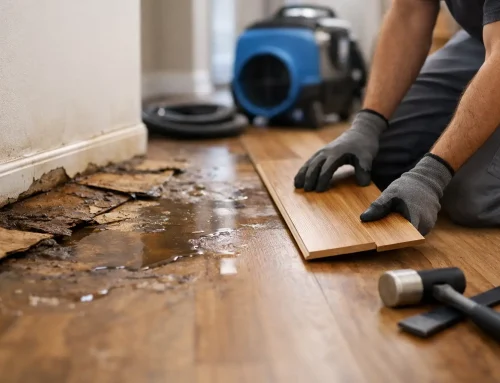
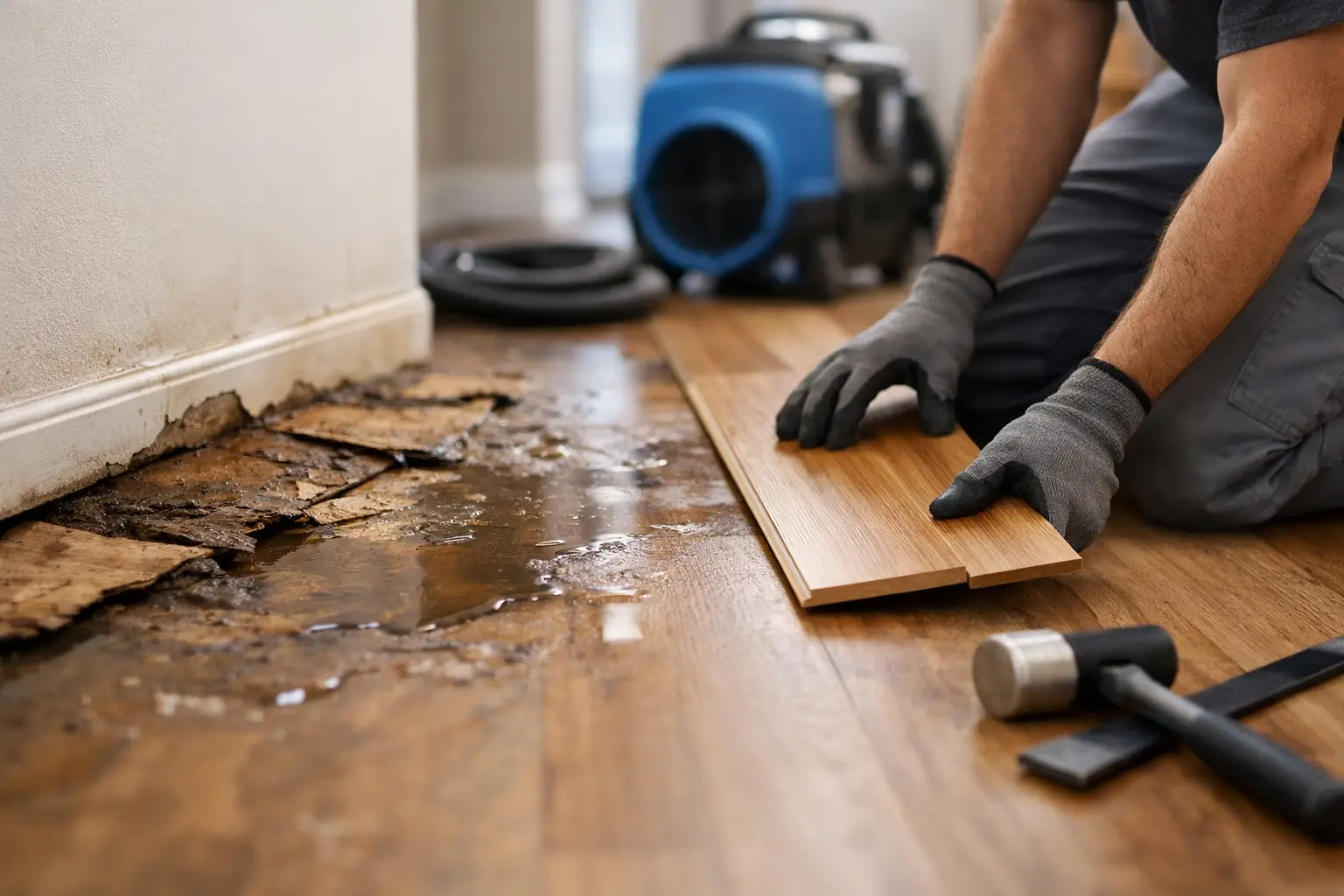
Hardwood is remarkably durable, but it is not indestructible. Years of foot traffic can leave a finish dull and thin. Pet scratches, furniture marks, dropped objects, and grit tracked in from outdoors may wear through the protective coating. Water from a leaking appliance, wet boots, or a poorly managed spill can stain boards, cause cupping, or create gaps as the wood moves.
Restoration can address many of these concerns, including surface scratches, worn finish, minor staining, uneven color, shallow dents, and localized board damage. It can also bring visual consistency back to a room after an older repair, a sun-faded area rug outline, or an outdated stain color has interrupted the floor’s appearance.
The limits matter as much as the possibilities. Deep black water staining, severe crowning, widespread rot, insect damage, or boards that have already been sanded too many times may require selective replacement rather than another full refinishing. A craftsman should be candid about that distinction. Preserving an original floor is valuable, but forcing compromised material to remain in service is rarely the best long-term decision.
The Assessment Comes Before the Sanding
A restoration project should start with an inspection of the flooring itself and the conditions around it. The wood species, board thickness, age, previous refinishing work, installation method, and existing finish all affect the proper plan. Oak, maple, walnut, pine, and reclaimed flooring each respond differently to sanding, stain, and moisture.
Moisture readings are especially valuable in Eastern Shore homes. Wood expands and contracts naturally as humidity changes. If a floor has cupped boards or unusual gaps, the visible issue may be connected to moisture below the floor, in the crawl space, or within the home. Refinishing without identifying the source can produce a beautiful short-term result that fails to hold up.
Subfloor movement also deserves attention. A floor that squeaks, feels soft, or has pronounced height changes may need stabilization before cosmetic work begins. In older homes, this investigation is often where experience makes the difference between a surface-level improvement and a restoration that performs properly for years.
Refinishing, Screening, or Repair?
Not every floor needs to be taken down to bare wood. If the finish is lightly scuffed but still intact, a screen-and-recoat service may be the wiser choice. This process gently abrades the existing finish and applies a fresh protective coat, restoring clarity and luster without removing significant wood material.
Full sanding and refinishing are appropriate when the finish has worn through, scratches are extensive, color needs to change, or staining and unevenness extend into the wood. The floor is sanded with a disciplined progression of abrasives, edges are carefully blended, and the surface is prepared for stain or clear finish.
Board repair is sometimes the first priority. Damaged sections can be replaced with matching or complementary material, then woven into the surrounding floor as naturally as possible. Exact matches are not always possible with antique or sun-aged wood, but thoughtful species selection, milling, stain work, and finish blending can make repairs feel intentional rather than obvious.
Preserving Character Without Preserving Damage
Historic and reclaimed floors deserve a different kind of judgment. Their appeal often comes from variation: mineral streaks, knotting, old-growth grain, subtle color shifts, and gentle evidence of age. Sanding them aggressively until they look factory-new can remove the very qualities that make them special.
That does not mean accepting splinters, failed finish, loose boards, or moisture damage as “character.” It means calibrating the restoration to the floor. A skilled team can flatten sharp edges, repair unstable areas, remove damaged finish, and protect the surface while retaining appropriate texture and visual depth.
Wide-plank floors deserve particular care. Their scale makes uneven sanding, poor stain absorption, and inconsistent sheen more visible. They also move more noticeably with seasonal humidity. Preparation, acclimation where replacement boards are involved, and finish selection should all reflect that reality.
Choosing a Finish for How You Actually Live
The final finish determines much of how a restored floor looks, feels, and wears. Sheen is a design decision, but it is also practical. A matte or satin finish offers a soft, contemporary appearance and can make everyday dust and minor scratches less noticeable. A semi-gloss finish creates more reflection and a more formal presence, though it tends to reveal surface wear more readily.
For busy households, durability and maintainability often matter more than a dramatic sheen. High-quality waterborne finishes provide excellent protection, cure quickly, and offer very low VOC options that support healthier indoor air quality. Modern GreenGuard-certified finishes can allow families to return to their spaces sooner without sacrificing a refined result.
Color should be chosen in the context of the whole room. Natural clear finishes celebrate the grain and warmth of the wood. Richer stains can create contrast or align floors with a more traditional interior. Lighter tones may make a room feel more open, but they can also make certain gaps or dark repairs more apparent. Samples on the actual floor are essential because the same stain can look entirely different on red oak, white oak, maple, or reclaimed boards.
The Value of a Thoughtful Test Area
A small test area gives homeowners a chance to see color, undertones, sheen, and grain movement under their own lighting. Morning sun, shaded rooms, warm bulbs, and adjacent paint colors all affect the final impression. This is a small step that prevents large disappointment.
It is also useful when matching a restored room to existing hardwood elsewhere in the home. Perfect uniformity is not always realistic, particularly when original floors have aged for generations. The goal is a harmonious transition that respects each area’s material and history.
Protecting Restored Hardwood for the Long Term
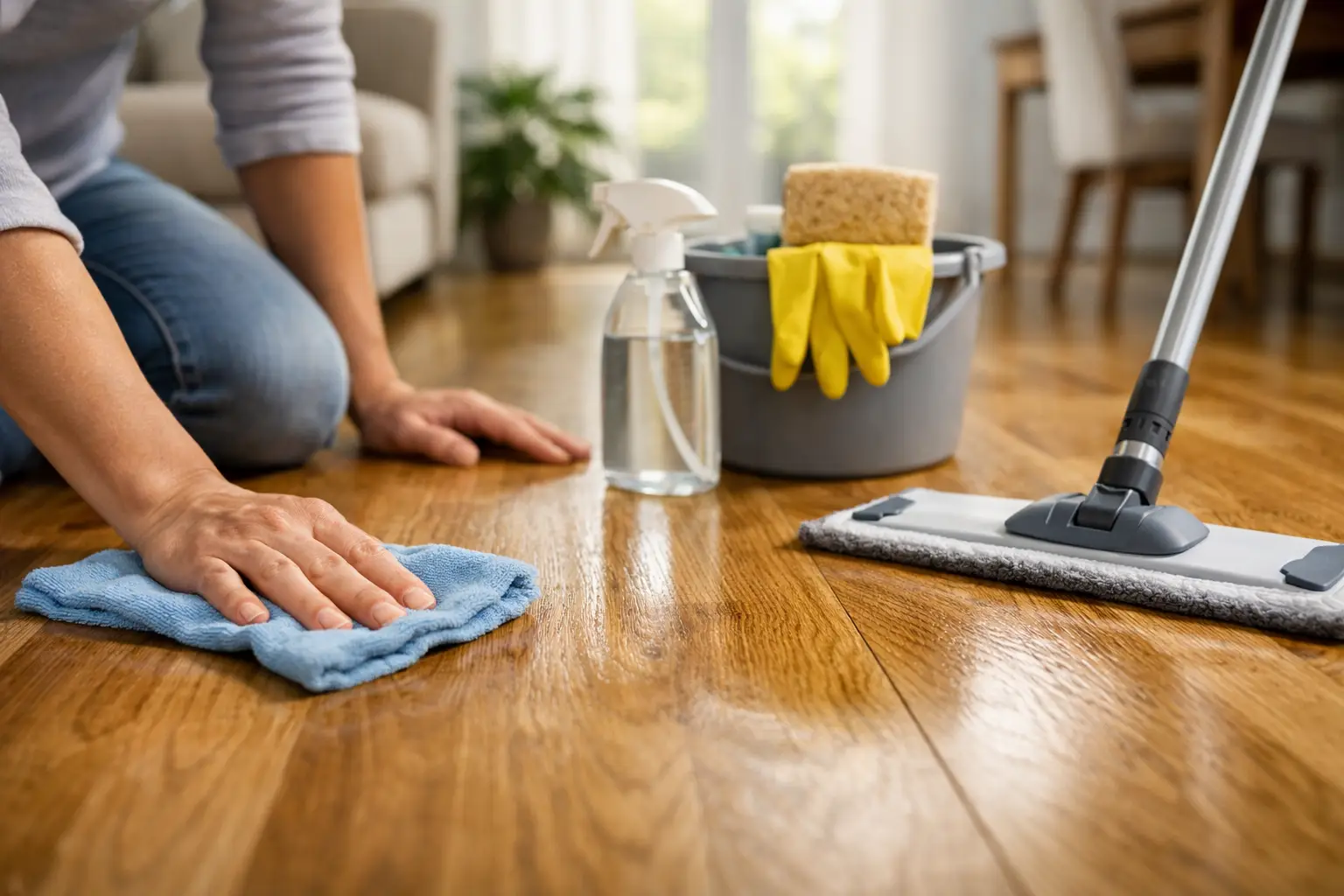
Once the restoration is complete, everyday care determines how long the finish remains beautiful. Use felt pads under furniture, place quality mats at exterior doors, and lift rather than drag heavy pieces. Sweep or vacuum with a hardwood-safe attachment regularly, since fine grit acts like sandpaper beneath shoes and furniture.
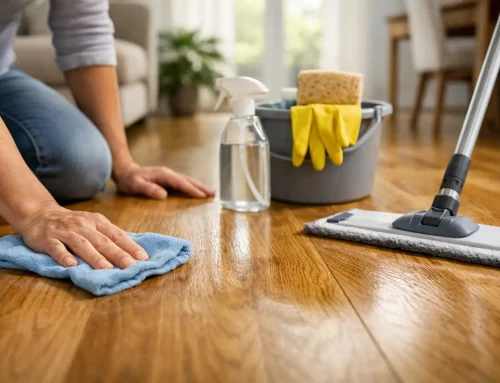
Water should never sit on a hardwood floor. Wipe spills promptly and avoid soaking mops or steam cleaners, which can force moisture into seams and weaken the finish over time. A cleaner specifically made for the finish system is preferable to household products that leave residue or dull the surface.
Humidity management is equally important. Maintaining a reasonably stable indoor environment helps reduce seasonal movement, gaps, and stress on boards. This is particularly relevant for homes near the Bay, where outdoor moisture conditions can change quickly through the year.
A maintenance recoat before the finish wears through is one of the most effective ways to extend a floor’s life. It costs less and removes less wood than waiting for a full refinish. The right timing depends on traffic, pets, sunlight, cleaning habits, and the finish itself, but a professional evaluation can identify when preventive care is the sensible next step.
A Floor Worth Restoring Deserves Skilled Hands
Restoration is a balance of technical precision and visual judgment. The work must account for moisture, sanding depth, repairs, stain absorption, finish compatibility, and the details that make a floor read as one continuous, beautifully considered surface. Just as importantly, it should respect the home rather than impose a generic look upon it.
Royal Oaks Flooring approaches restoration with that balance in mind: preserving the warmth and history of fine hardwood while giving it the protection needed for modern living. A carefully restored floor does more than refresh a room. It becomes a lasting part of the home’s architecture, ready for the years and memories still ahead.