A floor can make a carefully planned renovation feel complete, or quietly undermine it for years. For homeowners considering hardwood flooring Gaithersburg projects deserve more than a quick installation and a showroom sample. They require a material chosen for the home’s light, architecture, traffic patterns, subfloor conditions, and the way the household actually lives.
Hardwood is one of the few finishes in a home that is both architectural and personal. It carries furniture, reflects natural light, softens acoustics, and develops character over time. When the species, plank format, installation method, and finish work together, the result is not simply a new surface. It becomes a lasting part of the home.
Choosing Hardwood Flooring in Gaithersburg
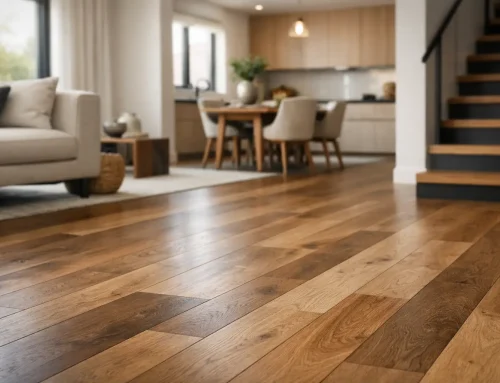
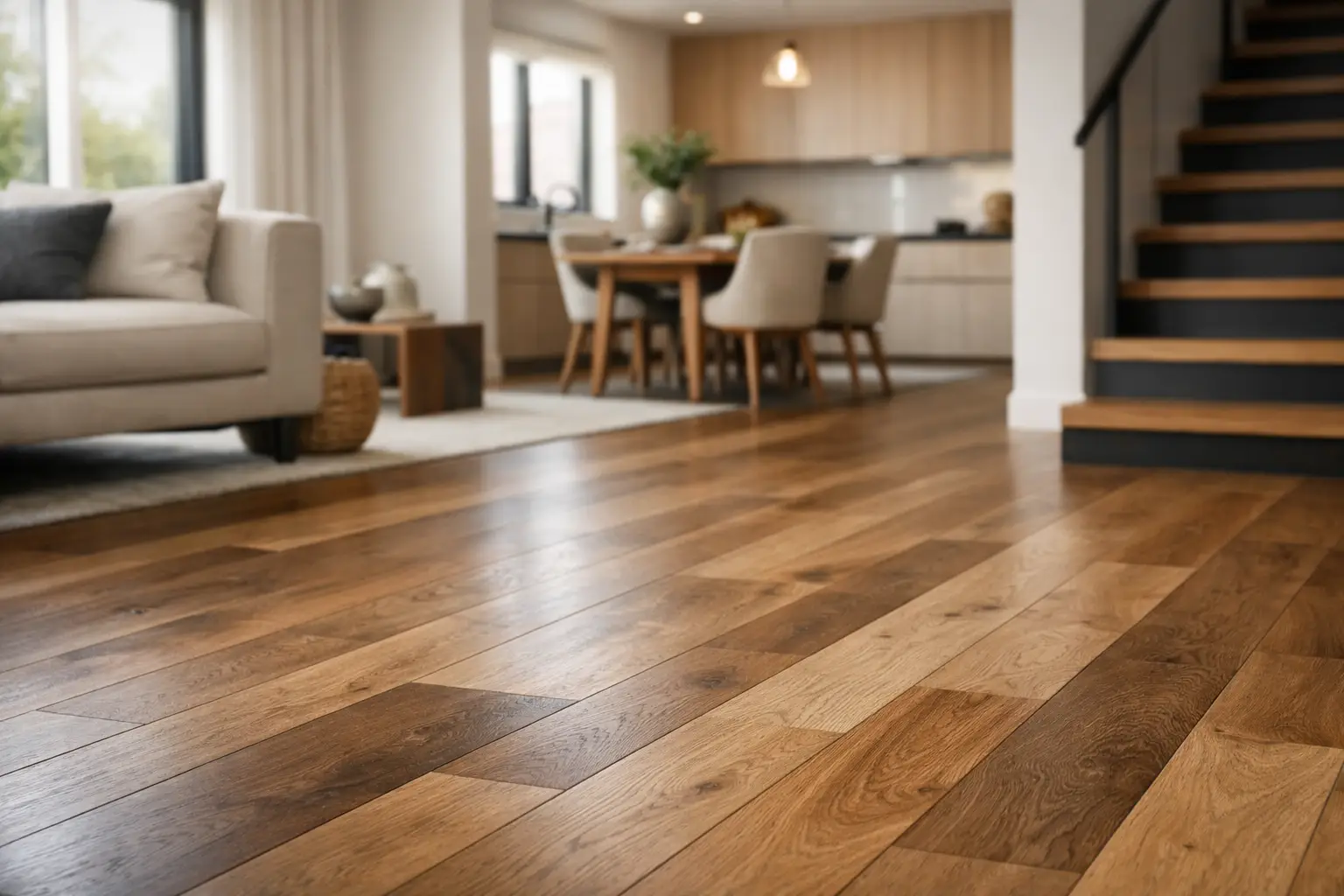
Gaithersburg homes range from established Colonials and traditional brick residences to updated townhomes and contemporary custom interiors. That variety is precisely why hardwood should not be selected by color alone. A pale wide-plank oak floor may give an open-plan renovation the calm, tailored backdrop it needs, while a warm walnut or cherry floor can bring depth and formality to a library, dining room, or historic home.
Start with the character you want the floor to bring to the room. White oak remains a favorite for good reason: it is durable, stable, accepts a wide range of stains and finishes, and works equally well in classic and modern interiors. Red oak offers a more pronounced grain and warmer natural cast. Maple has a cleaner, subtler pattern but can be less forgiving when a heavily stained look is desired. Walnut delivers rich color and dramatic grain, though it is softer than oak and best suited to owners who appreciate natural signs of use.
Reclaimed wood deserves its own consideration. Its original nail marks, mineral streaks, knots, and aged patina cannot be manufactured convincingly. It can be an exceptional choice for a home that calls for depth and authenticity, but it also demands experienced sorting, milling, acclimation, and installation. The appeal is in the variation, not uniformity.
Solid or Engineered Hardwood?
The answer depends on the home, not a sales pitch. Solid hardwood is a traditional, enduring option that can usually be sanded and refinished multiple times over its life. It is particularly well suited to above-grade living areas with stable indoor conditions and a proper wood subfloor.
Engineered hardwood has a real hardwood wear layer over a layered core designed for greater dimensional stability. It is often the wiser choice over concrete slabs, in below-grade spaces, or where seasonal humidity changes could challenge solid boards. High-quality engineered flooring can offer a refined appearance and long service life, but wear-layer thickness matters. A thin veneer limits future refinishing options, while a premium product with a substantial wear layer offers much greater flexibility.
Neither choice is automatically superior. The right decision follows a close look at moisture, subfloor construction, room location, floor height transitions, and the homeowner’s long-term plans.
The Details That Define a Fine Wood Floor
Two oak floors can be the same species and still look entirely different. Board width, grade, cut, stain, sheen, and edge profile shape the final impression as much as the wood itself.
Wide planks can make a room feel generous and composed, especially in larger living areas and homes with a more open layout. They also display more of each board’s individual grain, knots, and color variation. Narrower boards create a more traditional rhythm and can be a natural fit for period homes or spaces where a quieter, more formal pattern is desired.
Wood grade is another important distinction. Select-grade boards offer a cleaner, more uniform appearance. Character-grade flooring intentionally includes knots, color shifts, and natural markings. Neither is more beautiful by default. A crisp, restrained interior may benefit from select-grade white oak, while a farmhouse-inspired renovation or a historic property may come alive with character-grade or reclaimed planks.
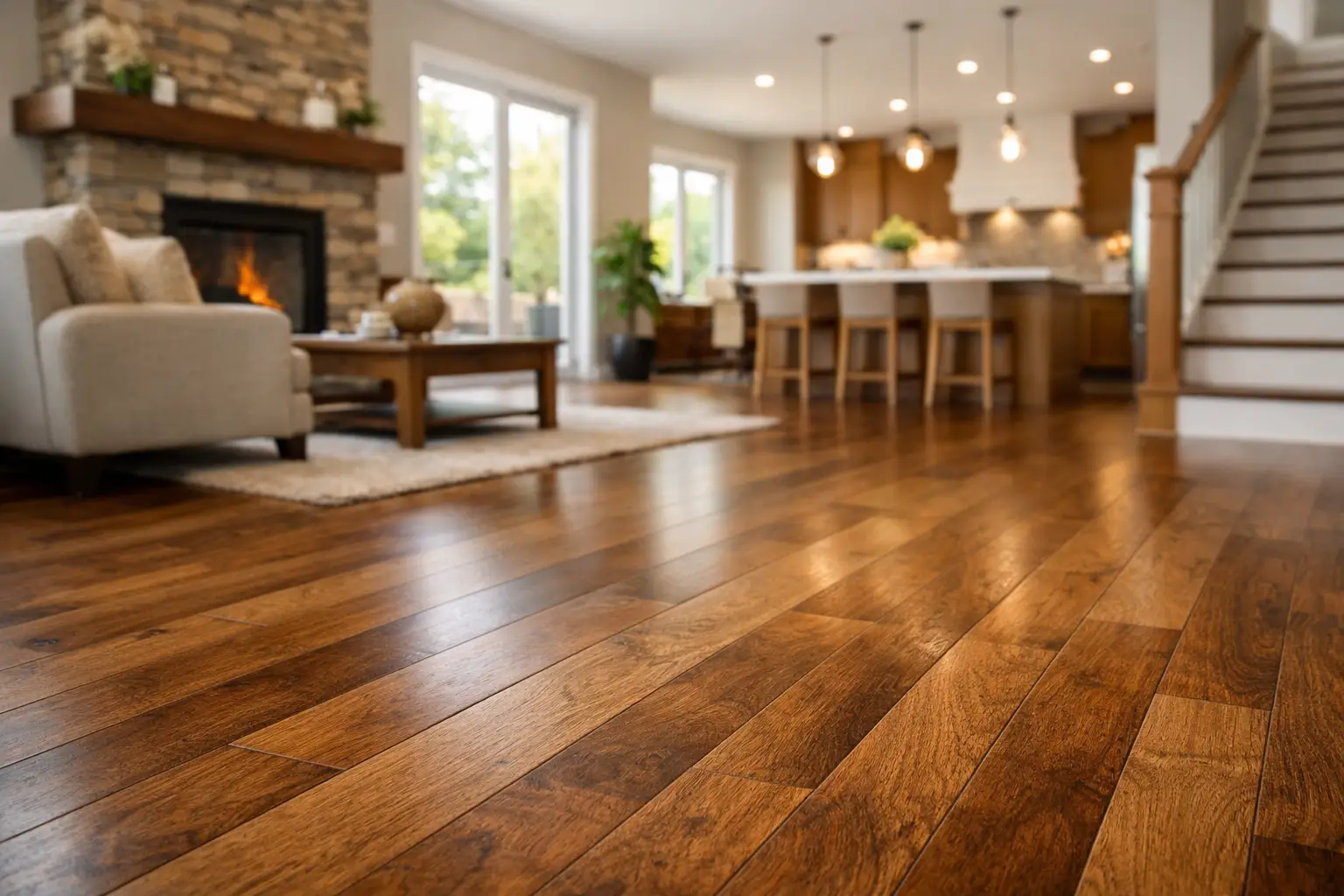
The finish should be selected with equal care. A low-sheen matte or satin finish is popular because it highlights the grain without making every small reflection, footprint, or surface mark obvious. A glossier floor can look striking in the right setting, but it tends to reveal more. For busy family rooms, entryways, and homes with pets, a well-applied satin finish is often the practical and elegant middle ground.
Modern waterborne finishes have changed what homeowners can expect from a refinished or newly installed floor. High-performance, very low VOC, Green Guard certified systems can provide excellent durability, fast drying times, and reduced off-gassing. That means a beautiful finish need not come at the expense of indoor air quality or an extended disruption to the household.
Installation Is Where the Investment Is Protected
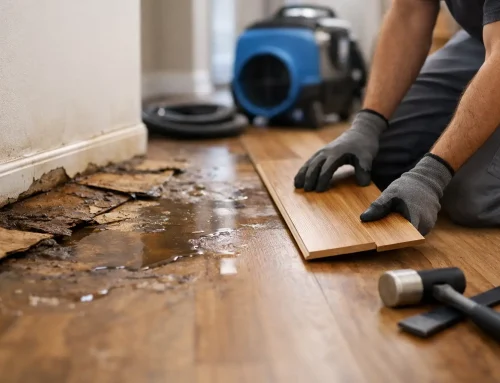
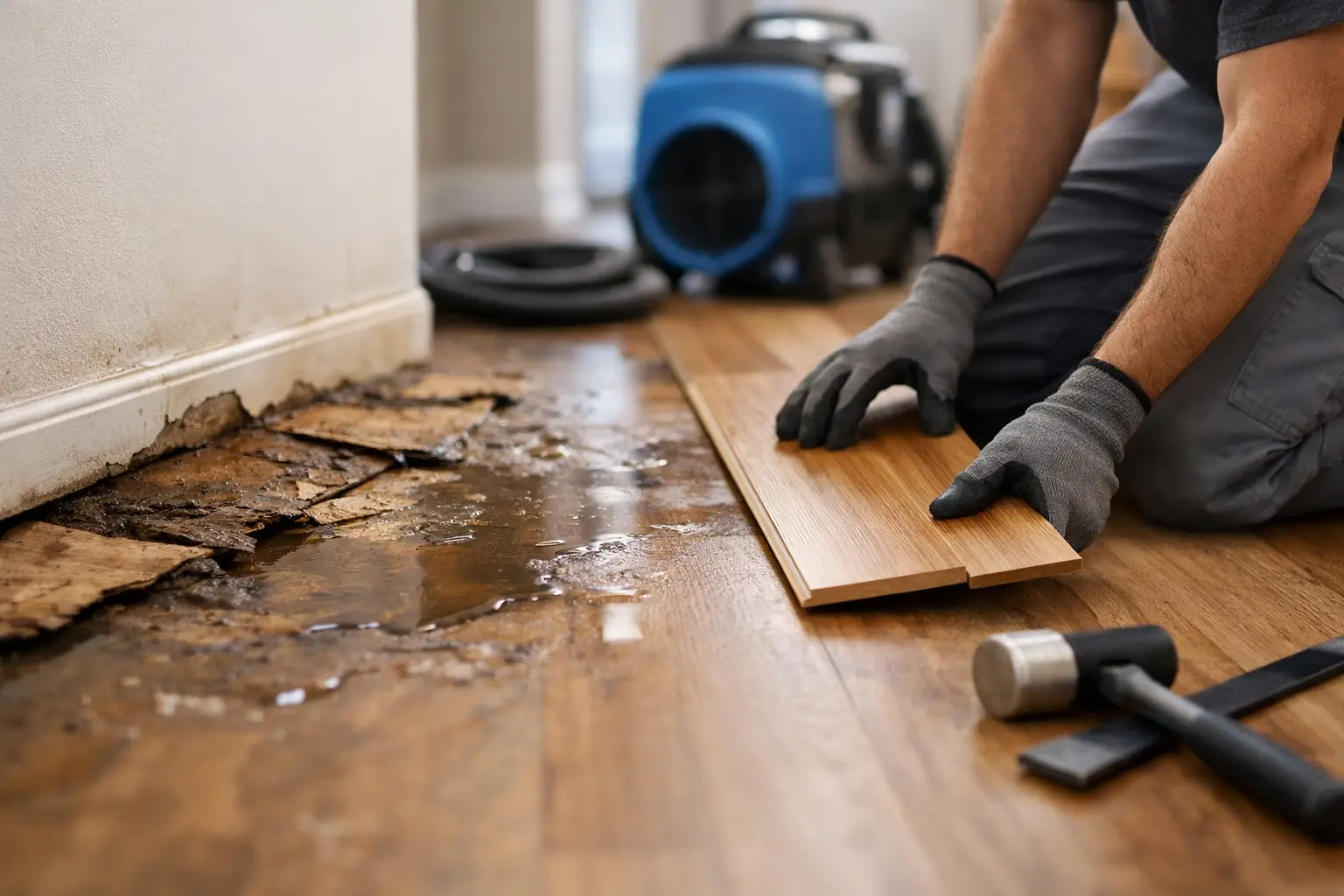
Fine materials cannot compensate for careless preparation. Before hardwood is installed, the site must be evaluated for moisture, subfloor flatness, structural soundness, and appropriate environmental conditions. Wood responds to its surroundings. Ignoring that fact can lead to movement, gaps, cupping, or other problems that are costly to correct later.
Proper acclimation is part of the craft, but it is not simply leaving boxes of flooring in a room for a set number of days. Conditions must be measured and controlled. The flooring, the home’s interior temperature and humidity, and the moisture content of the subfloor all inform the installation plan.
Subfloor preparation is equally consequential. A floor that is not sufficiently flat can create movement, uneven seams, noise, and premature wear. Doorways, stair nosings, vents, transitions to tile, and the starting line of the installation deserve precise planning. These are the places where an otherwise attractive project can reveal poor workmanship.
For a custom installation, thoughtful layout makes a visible difference. Installers should consider how boards run in relation to the room, primary sightlines, natural light, and adjoining spaces. In older homes, walls are not always square, and existing conditions may require carefully measured adjustments rather than forcing a rigid layout. The aim is a floor that feels naturally at home in the architecture.
Refinishing Existing Hardwood Floors
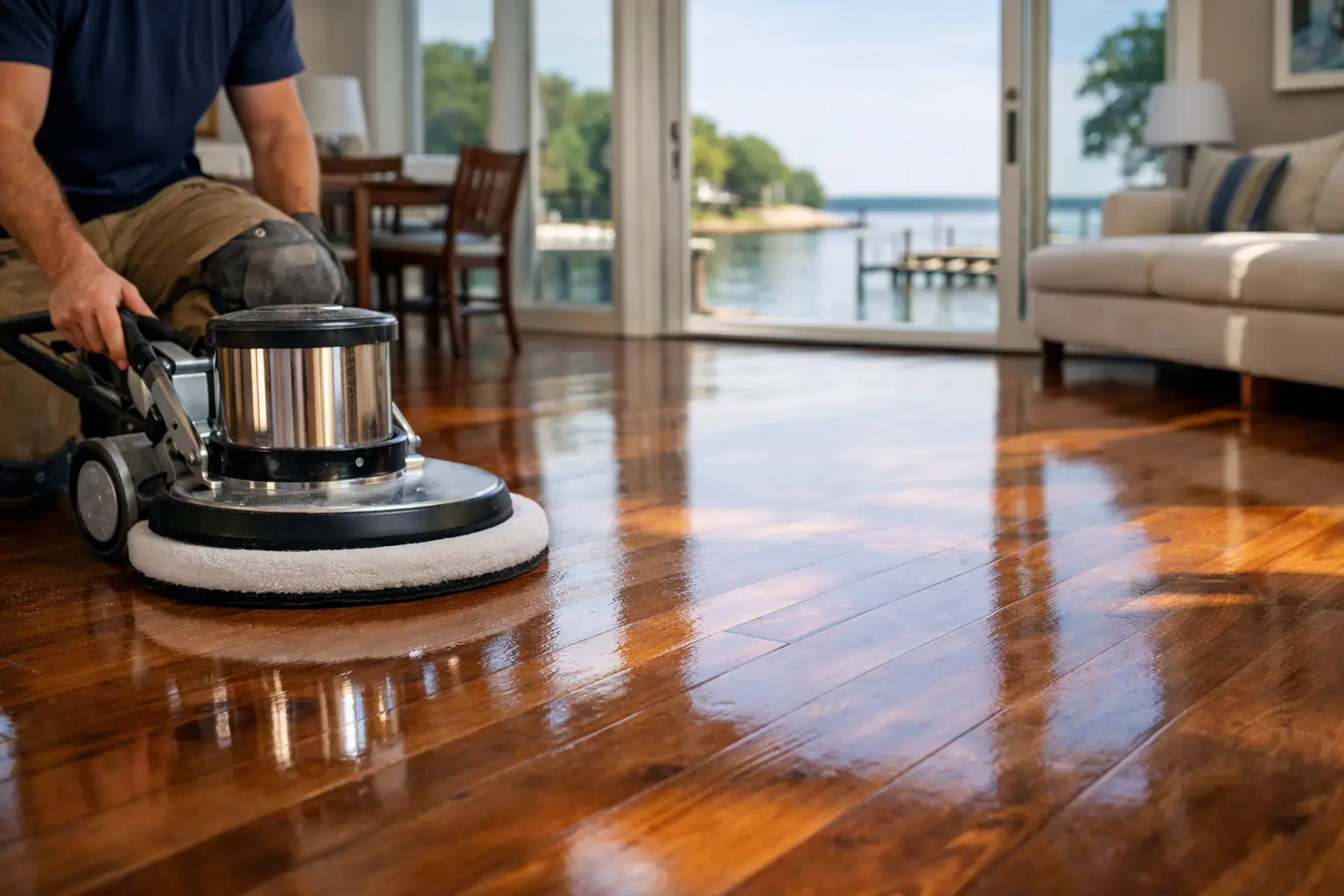
Many Gaithersburg homes already have hardwood hidden beneath worn finishes, dated stains, or years of ordinary use. Refinishing can restore the floor’s depth and clarity while preserving the original material that gives an older home much of its appeal.
Not every floor needs to be taken back to bare wood immediately. A professional assessment can determine whether a deep cleaning and recoat will restore protection, or whether sanding is necessary to remove damage, uneven color, old finish buildup, or significant wear. Recoating is less invasive when appropriate, but it cannot correct deep scratches, cupping, pet stains, or failing finish layers.
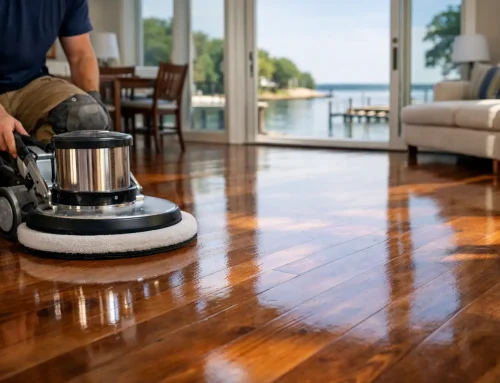
When sanding is called for, dust containment, careful edge work, and disciplined sequencing matter. The goal is to remove the old finish evenly without over-sanding the floor or leaving visible marks around the perimeter. Stain samples should be viewed in the actual room, because the same color can read differently in morning light, under warm lamps, and beside existing cabinetry.
A skilled refinishing project also respects the limitations of old wood. Antique boards may have thinner remaining material, patches from prior repairs, or distinctive features worth retaining. Refinishing should enhance that history, not erase it.
Care That Preserves the Finish and the Wood
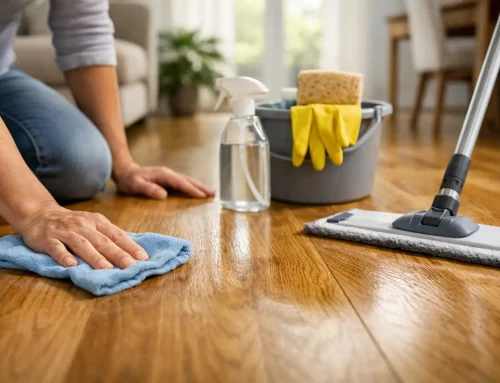
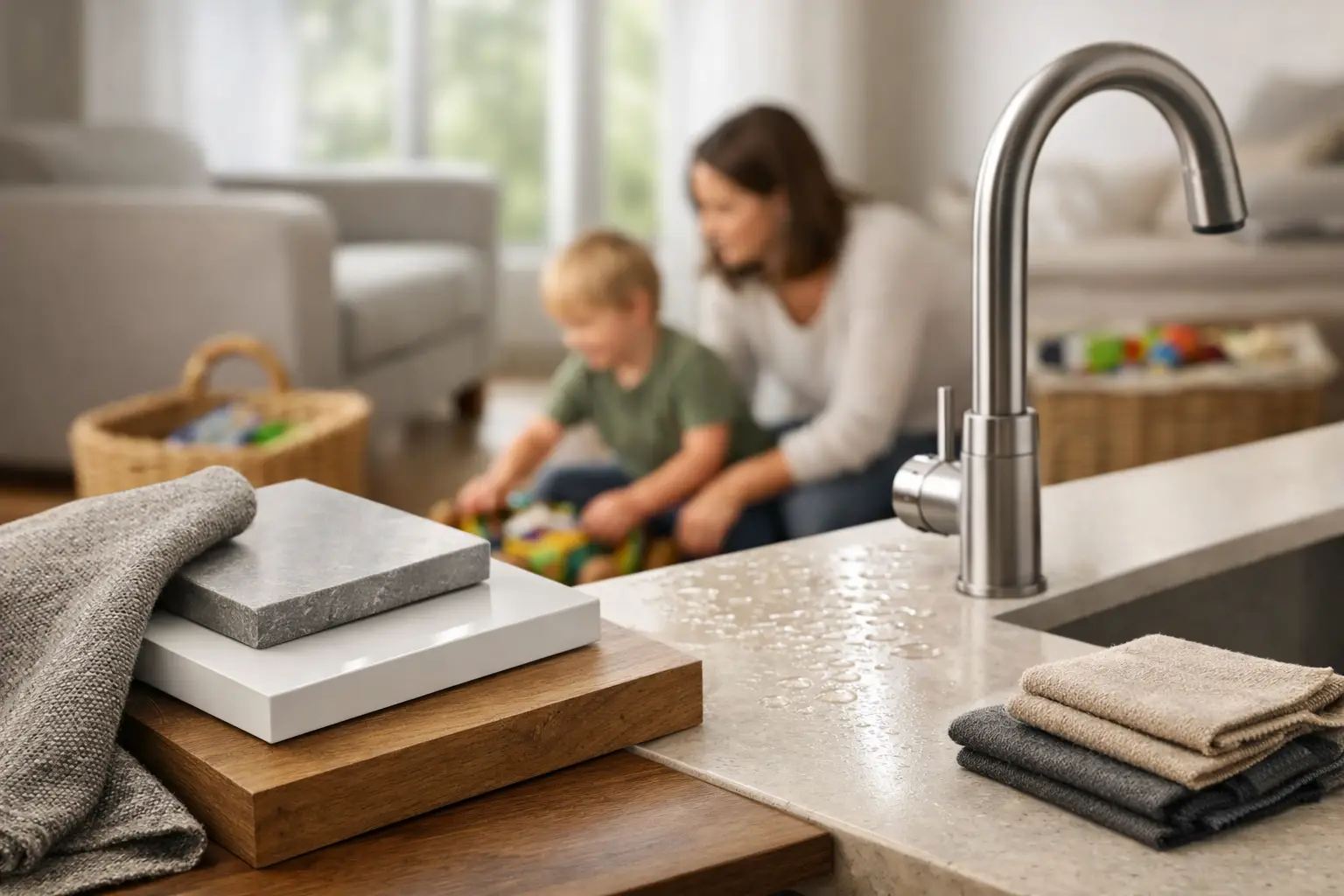
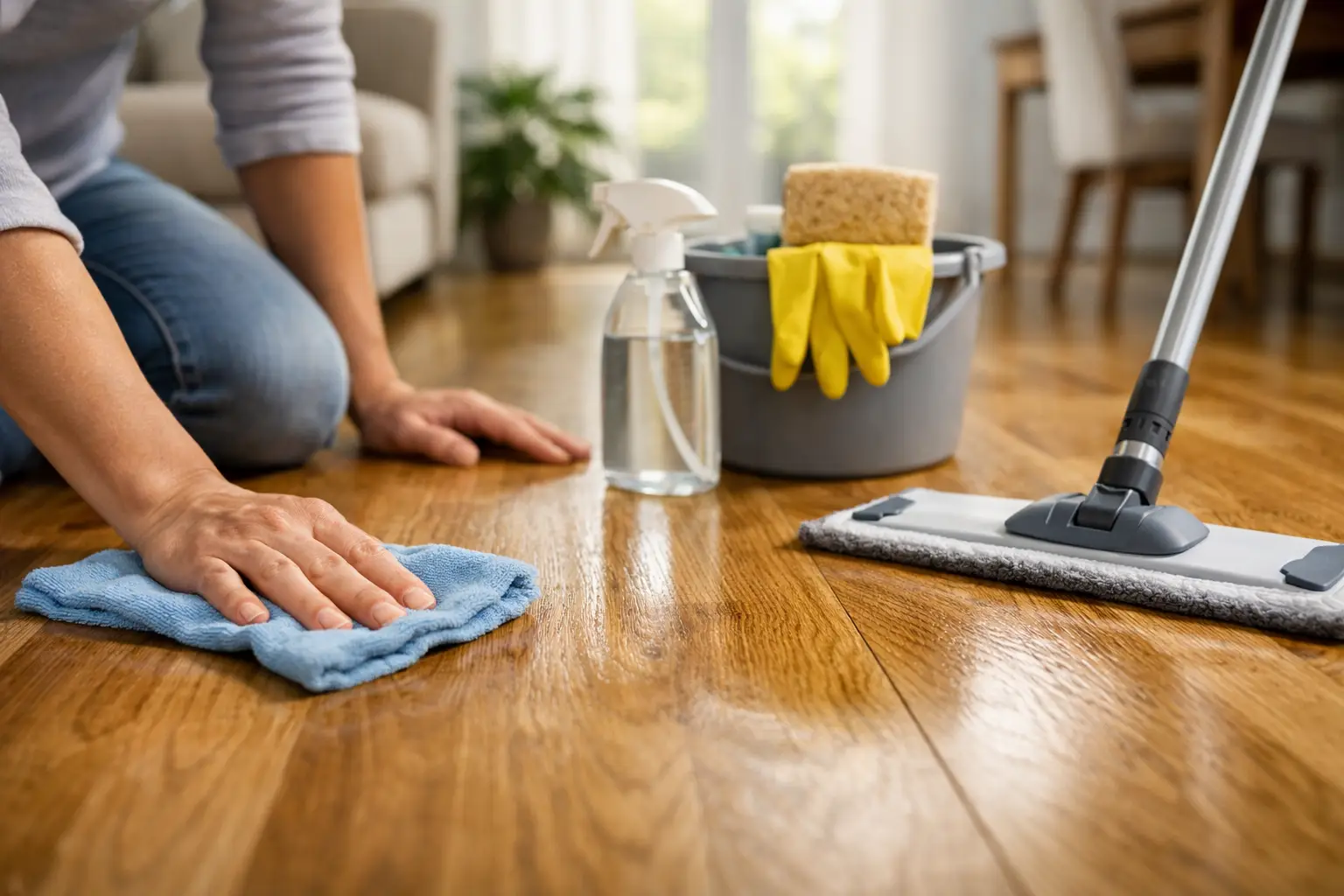
Hardwood flooring is durable, but it is not indifferent. Consistent, uncomplicated care does more for longevity than aggressive cleaning products or occasional emergency fixes. Sweep or vacuum with a hard-floor setting regularly, clean spills promptly, and use a manufacturer-appropriate hardwood floor cleaner rather than steam mops, oil soaps, or soaking-wet pads.
Felt pads beneath furniture and entry mats at exterior doors prevent a remarkable amount of wear. Area rugs help define spaces and protect high-traffic routes, but avoid non-breathable rubber-backed mats that can trap moisture or affect the finish. Maintain relatively stable indoor humidity, especially through Maryland’s humid summers and dry heating season. Wood can move naturally with changing conditions, but extremes invite unnecessary stress.
Eventually, even a well-cared-for floor may need a recoat or refinishing. Addressing finish wear before bare wood is exposed is the most economical way to protect the investment.
For homeowners who want their floor to feel considered from the first board to the final coat, craftsmanship is not an optional upgrade. Royal Oaks Flooring approaches each project with the measured planning, material knowledge, and precise execution that lasting hardwood requires. The best time to make those decisions is before installation begins, when every option is still available and the finished floor can be designed to belong in the home for decades.