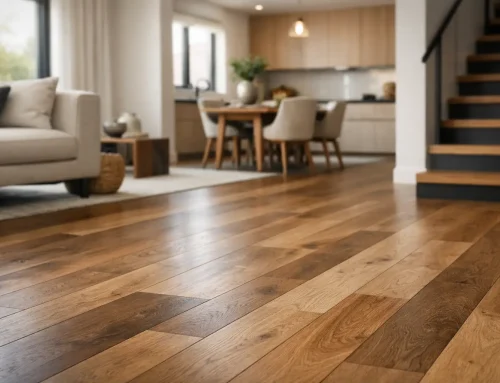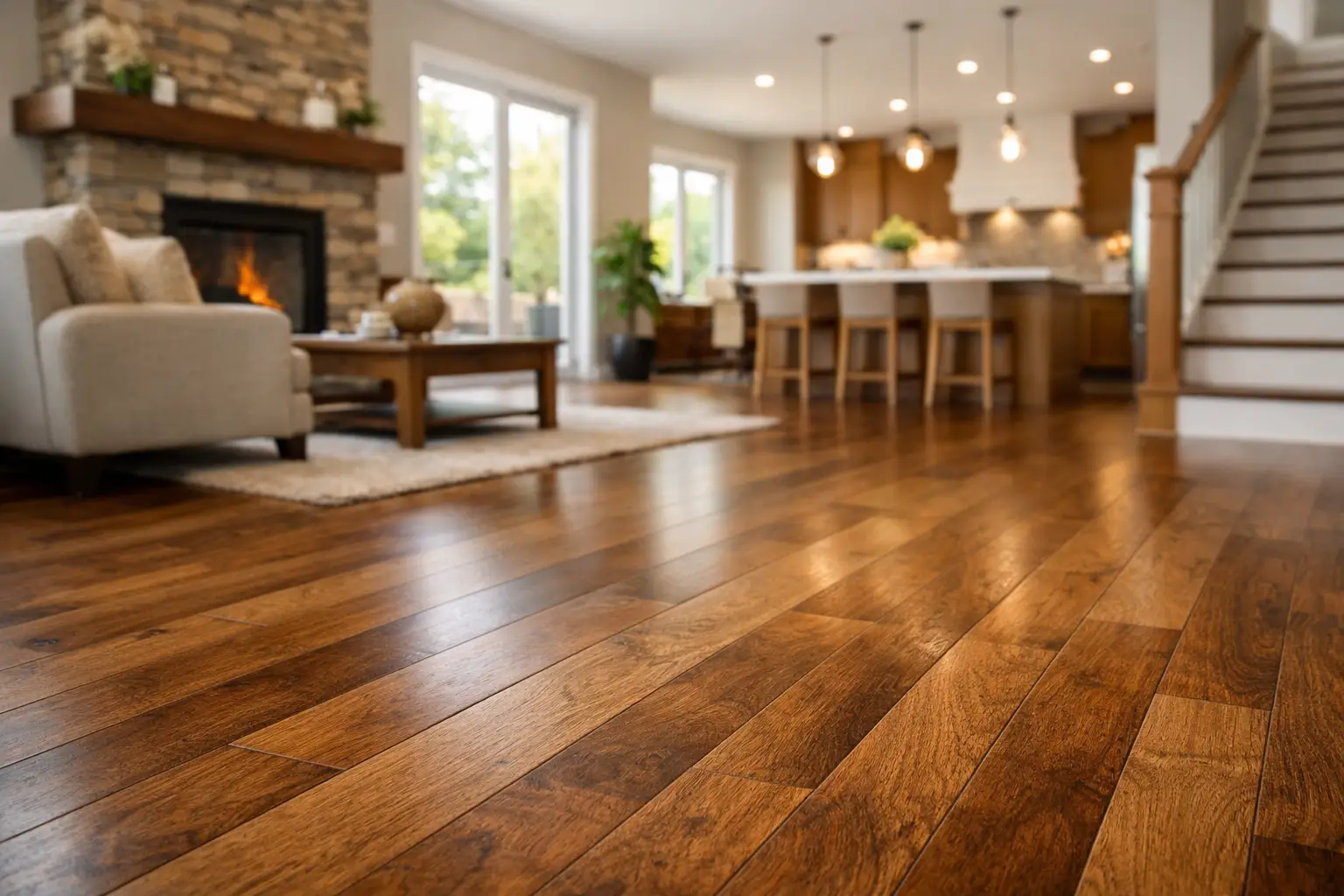
A beautiful wood floor should not become a source of anxiety when a child drops a toy, a dog races in from the yard, or guests gather around the kitchen island. The best finishes for busy households protect the character of hardwood while making ordinary life easier to manage. The right choice is not simply the hardest coating available. It is the finish that fits your household’s traffic, design preferences, maintenance habits, and expectations for repair over time.
For families throughout the D.C. Metro area and Maryland’s Eastern Shore, that decision often comes down to two leading options: high-performance waterborne polyurethane and hardwax oil. Both can produce exceptional results when selected thoughtfully and applied with the care that fine hardwood deserves. Their strengths, however, are quite different.
What a Busy Household Really Demands From a Floor Finish
Daily wear is rarely one dramatic event. It is a pattern of small abrasions, tracked-in grit, chair movement, pet nails, kitchen splashes, and sunlight. A dependable finish must resist that steady pressure without obscuring the grain, color, and natural depth that made hardwood appealing in the first place.
Durability matters, but so do recovery and maintenance. A finish may be highly resistant to stains yet difficult to repair gracefully after a deep scratch. Another may mark more readily on the surface but allow targeted repairs without sanding the entire room. Neither is universally better. The stronger choice depends on how the home is lived in.
Indoor air quality also deserves careful attention, particularly during a renovation when families want to return to their spaces promptly. Modern low-VOC, quick-drying finish systems can reduce off-gassing while delivering the protection expected from a premium floor. GreenGuard-certified products are especially valuable for homeowners who want a healthier finish process without sacrificing performance.
Best Finishes for Busy Households: The Leading Choices
Waterborne polyurethane for maximum everyday protection
For many active households, a premium waterborne polyurethane is the most practical answer. It forms a durable protective film over the wood, helping guard against routine spills, abrasion, and surface wear. It is especially well suited to hallways, kitchens, family rooms, entryways, and homes with dogs or frequent entertaining.
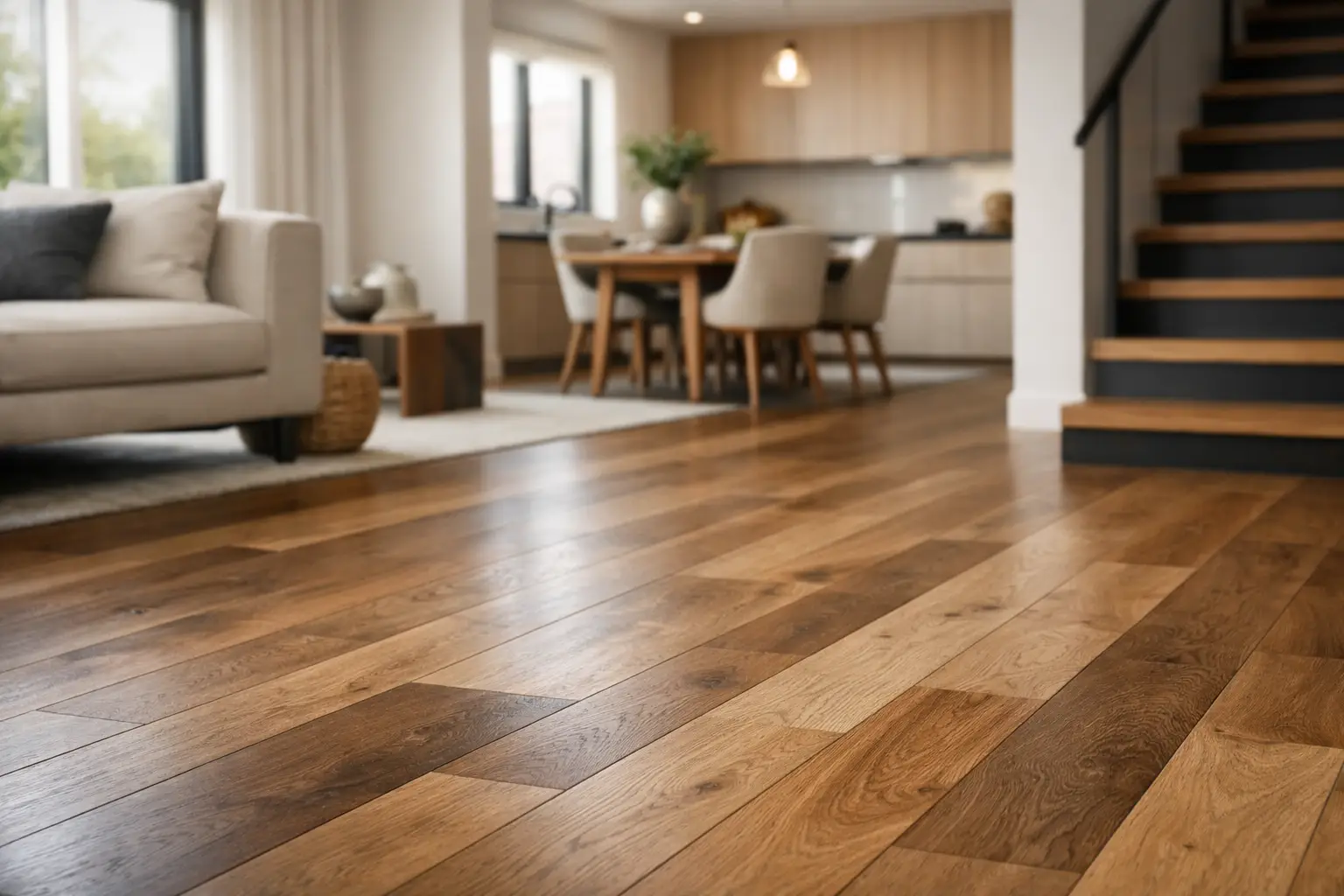
Today’s professional-grade waterborne finishes are a far cry from the flat, plastic-looking coatings some homeowners remember. When applied properly, they can preserve the clarity and texture of oak, maple, ash, walnut, and reclaimed wood while offering a refined matte, satin, or semi-gloss appearance. Matte and satin are often the wisest choices for busy homes because they soften the visibility of dust, footprints, and minor surface marks.
Waterborne polyurethane also dries relatively quickly, which can shorten disruption during refinishing. Its lower odor and low-VOC profile make it a compelling choice for occupied homes. Most routine care requires only regular sweeping or vacuuming with a hard-floor setting, prompt attention to spills, and an approved cleaner used sparingly.
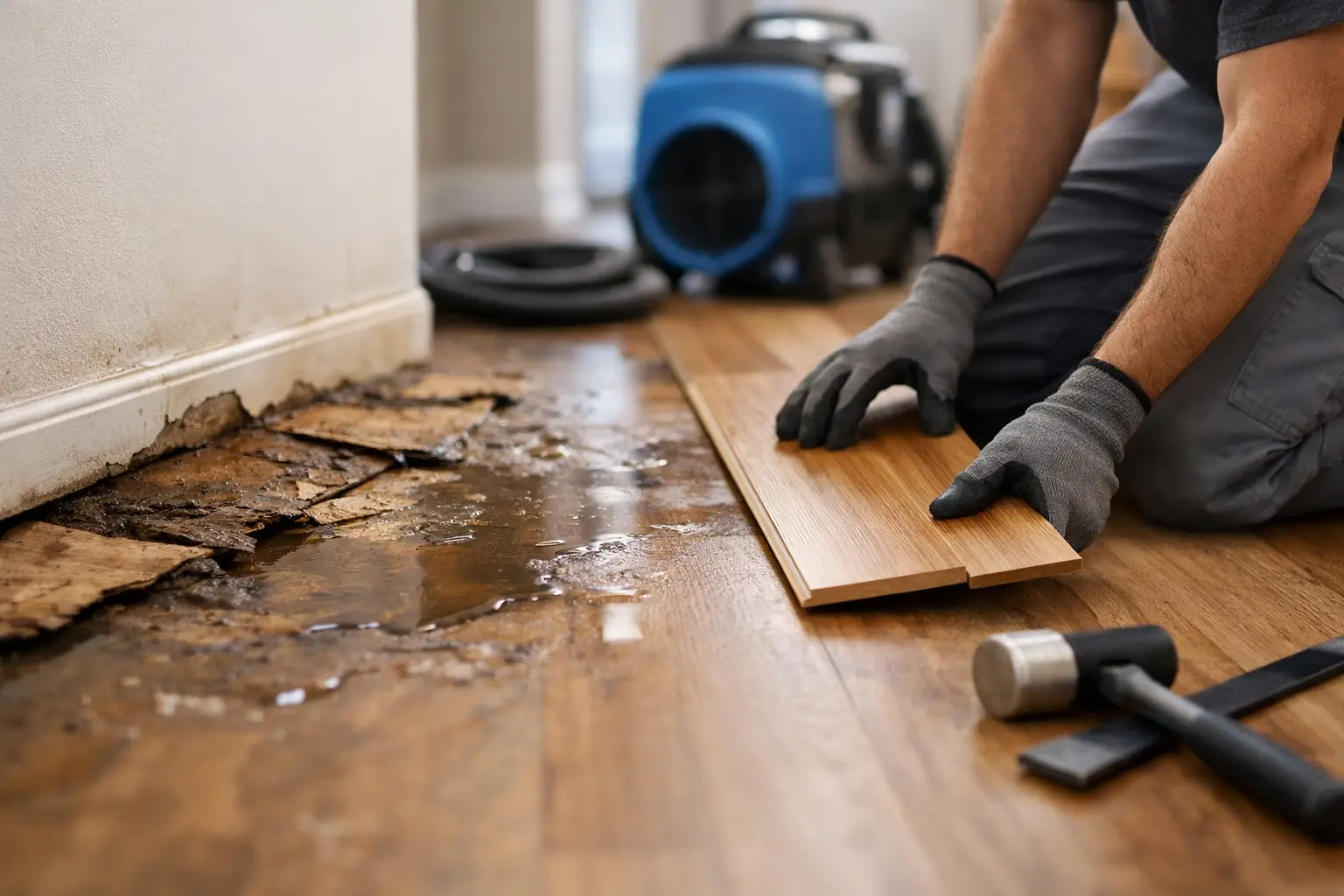
The trade-off is repairability. When damage penetrates the film finish, a spot repair can be difficult to blend invisibly. Minor scuffs may be manageable, but a deep gouge or widespread wear pattern may eventually call for professional recoating or sanding and refinishing. For homeowners who prioritize strong day-to-day protection and a straightforward maintenance routine, that is often an acceptable exchange.
Hardwax oil for natural beauty and localized repair
Hardwax oil takes a different approach. Rather than creating a thick film atop the wood, it penetrates into the grain while leaving a protective wax component near the surface. The result is a tactile, low-sheen appearance that highlights the wood’s natural texture and lends a quietly European character to the room.
This finish is particularly attractive on wide-plank oak, white oak, reclaimed boards, and floors where natural variation is part of the design. It can be an excellent fit for historic homes, custom renovations, and interiors seeking a more organic, less coated look.
For busy households, its greatest advantage is targeted maintenance. Small scratches, worn areas, and isolated stains can often be cleaned, lightly abraded, and re-oiled without refinishing the entire floor. That repairability is meaningful in a home with active children, pets, and furniture that moves often. A well-maintained hardwax oil floor can age with considerable grace.
The trade-off is that it asks more of the homeowner. Spills should be wiped promptly, especially near a kitchen sink or exterior door. Periodic maintenance products may be needed to refresh protection in higher-traffic areas. Hardwax oil is durable, but it is not a set-it-and-forget-it finish. It rewards consistent care with a depth and authenticity that many homeowners find impossible to replicate with a film finish.
Oil-modified polyurethane for traditional warmth
Oil-modified polyurethane remains a familiar finish with strong protective qualities and a warm ambering effect that deepens over time. On traditional red oak, pine, or older floors, that warmth may be exactly the look a homeowner wants. It can offer reliable durability and a classic finish profile.
Its limitations are practical. Oil-based systems typically have a stronger odor, longer drying time, and higher VOC content than advanced waterborne alternatives. They can also yellow noticeably, which may be undesirable on pale woods, gray-toned stains, or contemporary white oak floors. In a home that needs a fast, lower-odor project timeline, waterborne systems generally offer greater flexibility.
Factory-finished engineered hardwood for efficient installation
When the project involves a new floor rather than refinishing an existing one, factory-finished engineered hardwood deserves consideration. Its finish is cured under controlled manufacturing conditions and is often exceptionally durable. Installation can be faster because there is no on-site staining or finishing process, an advantage for households seeking to minimize downtime.
This option is especially useful where engineered construction is appropriate, such as over concrete slabs or in lower-level spaces with stable moisture conditions. The limitation is that future refinishing depends on the thickness of the wear layer and the product’s construction. A quality product selected by an experienced flooring professional can offer impressive longevity, but it should not be chosen solely for the convenience of its initial installation.
Sheen Matters More Than Many Homeowners Expect
The same finish can look and perform differently depending on sheen. High-gloss floors reflect light beautifully, but they also reveal scratches, footprints, pet hair, and dust with remarkable honesty. They are often best reserved for formal, lower-traffic settings where their polished appearance can be maintained.
For most family homes, matte or satin offers the better balance. These lower-sheen finishes allow the wood itself to remain the focal point, conceal minor imperfections more effectively, and suit both traditional and contemporary interiors. A matte finish will not prevent scratches, but it can make normal life look far less demanding between cleanings.
Pair the Finish With the Right Wood and Color
Finish selection cannot be separated from the wood beneath it. White oak is a favorite for busy households because of its stable grain, broad design range, and ability to accept both natural and custom colors. Oak in general is forgiving, durable, and appropriate for everything from tailored Georgetown-inspired interiors to relaxed waterfront homes near Annapolis or Easton.
Maple is hard but can show dents and may be more challenging to stain evenly. Walnut offers extraordinary richness, though its darker color can reveal dust and fine scratches depending on the sheen. Reclaimed wood brings unmatched character, but its knots, texture, and existing variation should be embraced as part of the floor’s story rather than treated as flaws.
Color also affects maintenance. Very dark floors can show pale dust, pet hair, and scratches. Extremely pale floors may reveal dirt around entries and high-traffic paths. Mid-tone browns, natural oak shades, and nuanced custom colors often provide the most forgiving canvas for a lively home.
Protection Is Built Into the Entire System
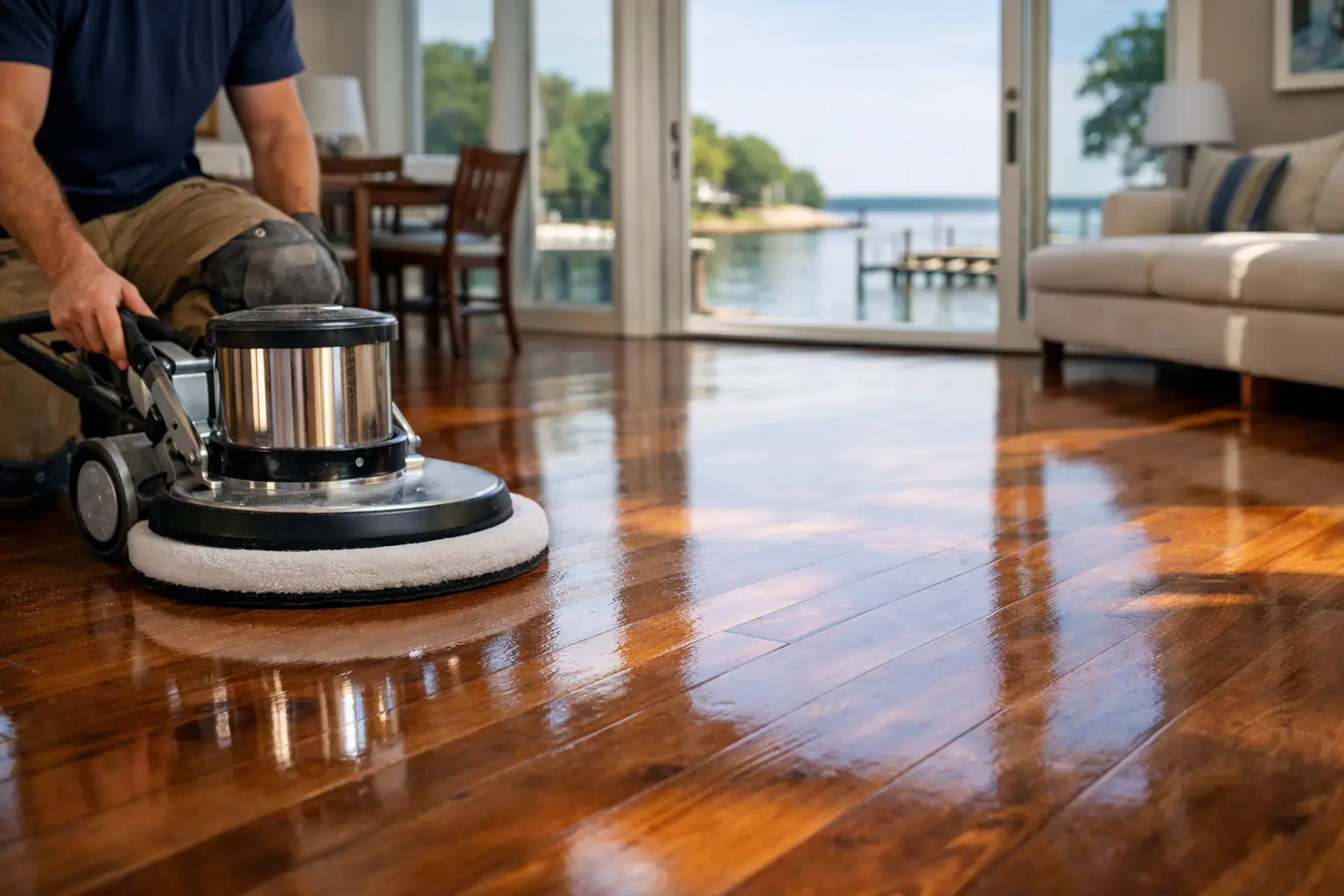
Even the finest finish cannot compensate for poor preparation or careless application. Proper sanding, edge work, grain management, clean conditions, compatible stains, and correct cure times all influence the floor’s final appearance and long-term performance. A finish is not merely a product chosen from a sample board. It is part of a complete craft process.
That is why professional guidance is particularly valuable when matching a finish to reclaimed lumber, antique flooring, wide planks, or an existing floor that needs to blend with a new addition. At Royal Oaks Flooring, the work begins with understanding how the home functions, then selecting materials and finish systems that respect both the wood and the people who live on it.
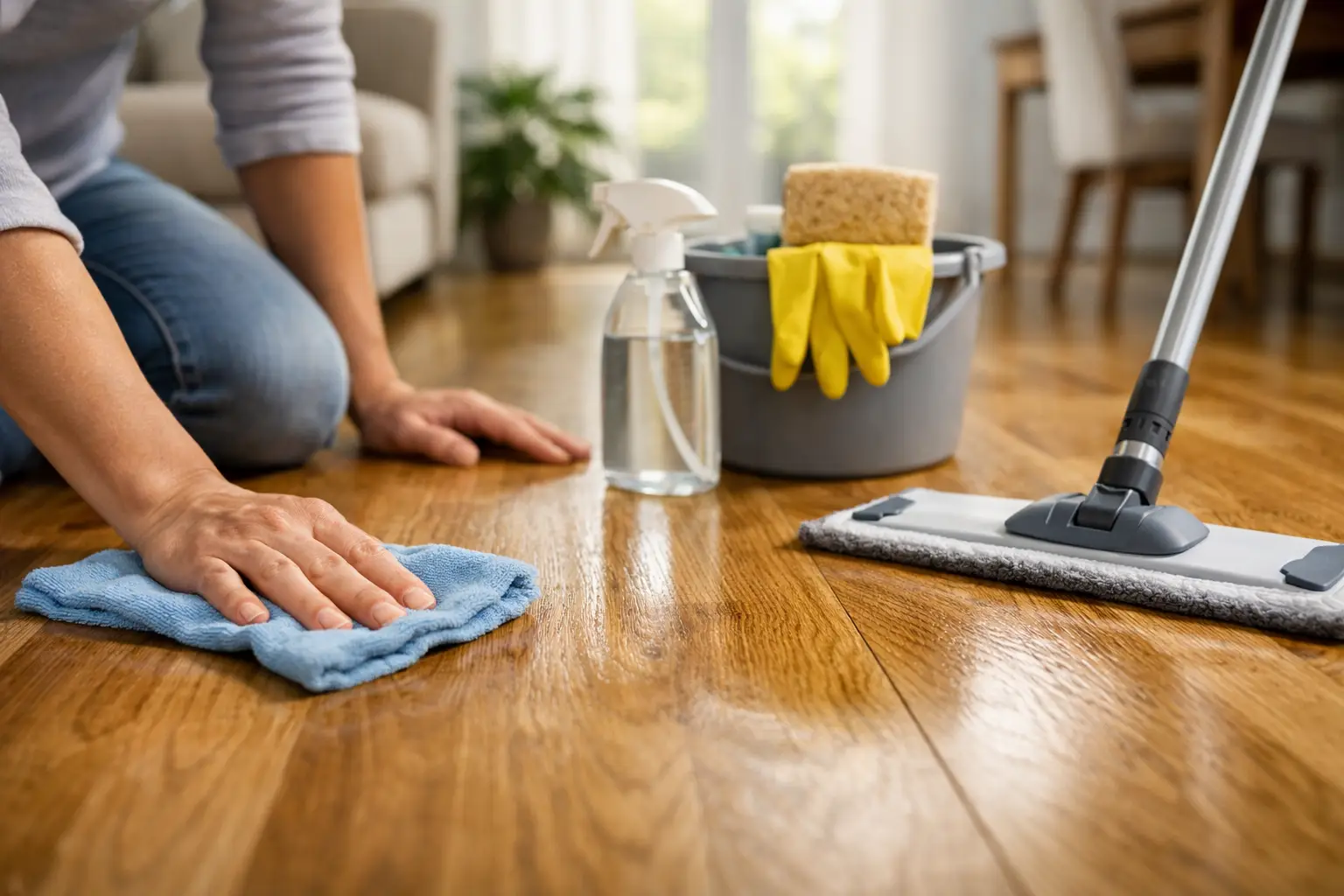
A few practical habits extend the life of any finish: use quality mats at exterior doors, place felt protectors beneath furniture, lift rather than drag heavy pieces, and clean grit before it becomes abrasive underfoot. Avoid steam mops, harsh cleaners, and soaking the floor with water. These simple measures protect the finish without asking the household to live cautiously.
The best floor finish is one that lets the home feel lived in, not guarded. Choose waterborne polyurethane when maximum routine protection and easy care are the priority. Choose hardwax oil when natural texture and localized repair matter most. With the right finish and expert application, hardwood can remain the enduring centerpiece of a busy, well-loved home.