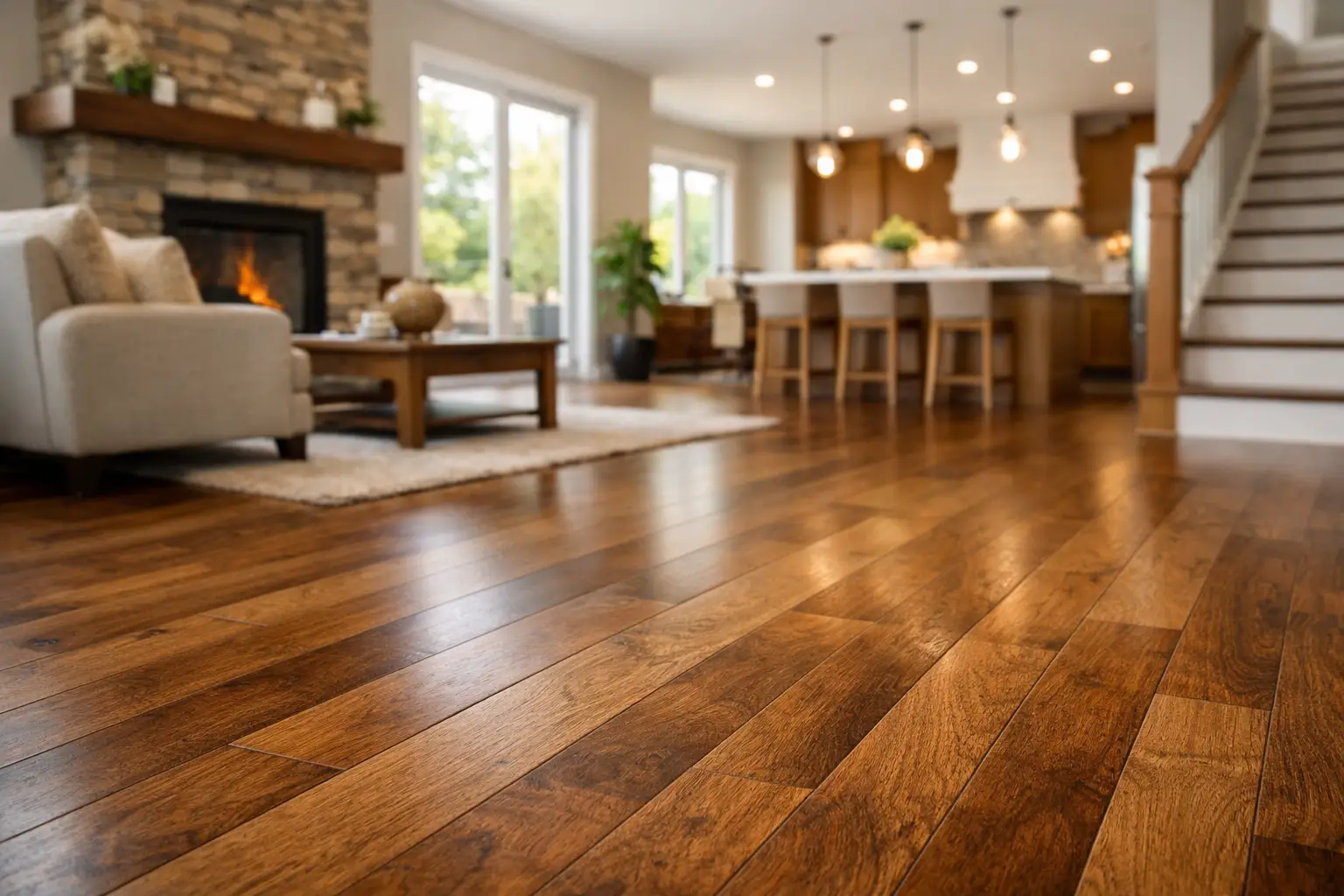
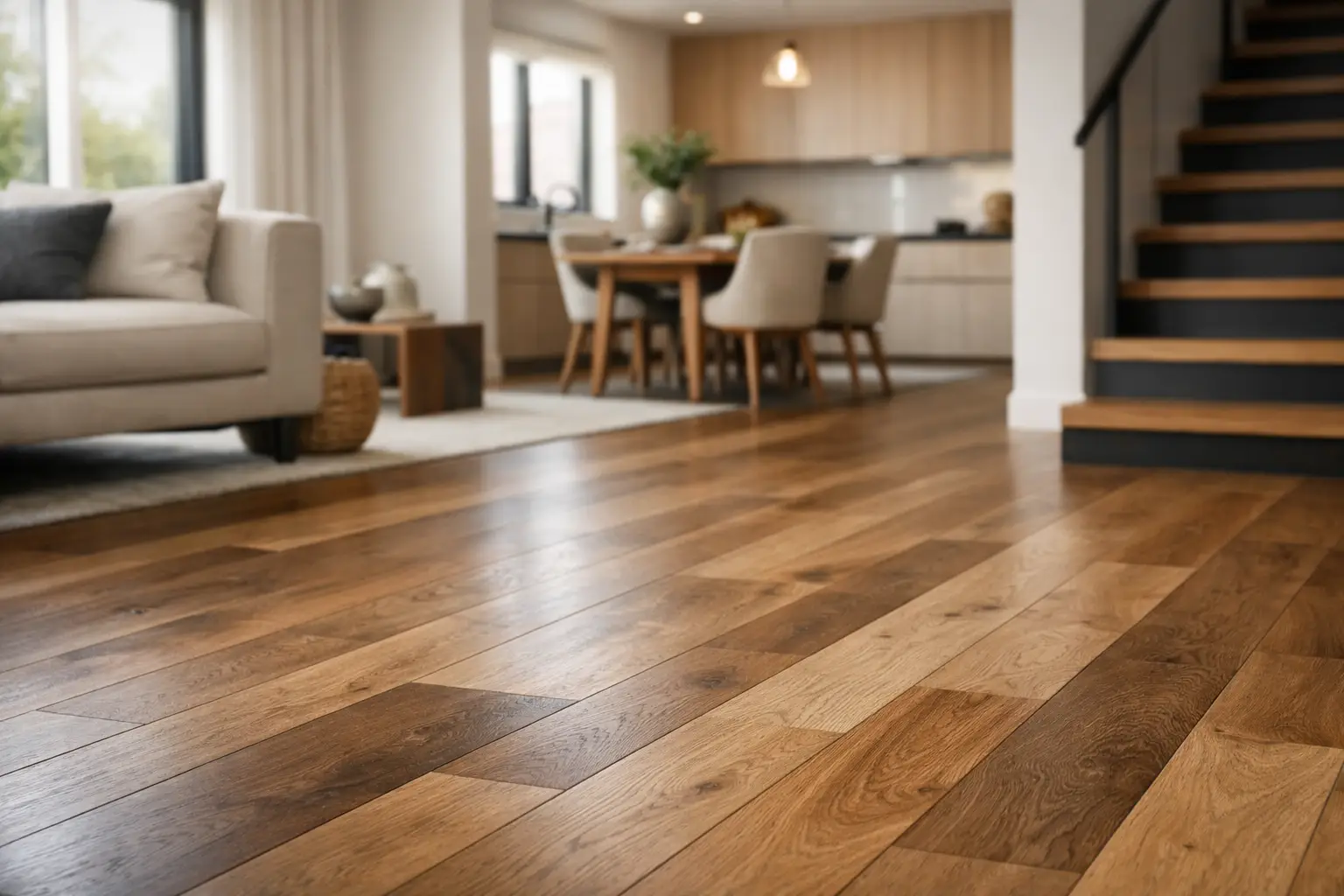
A floor sets the visual temperature of a room long before furniture, paint, or art enters the conversation. The most compelling hardwood flooring design trends are not about chasing a look for one season. They favor honest materials, thoughtful proportion, and finishes that let real wood bring warmth and depth to a home for decades.
For homeowners planning a renovation in Maryland, Washington, D.C., or Northern Virginia, the strongest choices tend to balance present-day taste with the architecture of the house. A wide-plank white oak floor may feel clean and current in a new build, yet equally appropriate in a carefully restored colonial. That staying power is what separates a design decision from a passing trend.
Hardwood Flooring Design Trends With Staying Power
The movement in hardwood is toward floors with more natural variation, greater visual scale, and less artificial uniformity. Homeowners are choosing materials that reveal grain, knots, mineral streaks, and subtle shifts in tone rather than hiding them beneath heavy stain or high gloss.
This does not mean every floor must look rustic. A refined, contemporary interior can benefit from a clear-finished rift and quartered oak, where the grain is orderly but still unmistakably natural. In a more relaxed home, character-grade oak or reclaimed boards can introduce a richer sense of history. The right direction depends on the light, millwork, furnishings, and how the rooms connect.
Wide Planks Create a Calmer, More Architectural Look
Wide-plank hardwood remains one of the most requested looks for premium homes. Boards in the 7- to 10-inch range reduce the number of seams across a room, creating a quieter, more expansive field of wood. The effect is particularly striking in open plans, long hallways, and rooms with generous windows.
There is a practical side to wide planks, however. Wider boards respond more visibly to changes in humidity than narrow strips. Proper acclimation, subfloor preparation, installation technique, and indoor humidity control are essential. In older homes around Annapolis, Potomac, or the Eastern Shore, where conditions can vary from room to room, an experienced installer evaluates those details before the first board is laid.
White Oak Holds Its Place, but Character Is Growing
White oak continues to lead because it accepts a wide range of colors, works with traditional and contemporary interiors, and has a grain pattern that feels substantial without becoming busy. Natural white oak, soft neutral oak, and lightly smoked oak all offer a foundation that can evolve with changing furnishings.
At the same time, homeowners are looking beyond a perfectly consistent pale floor. Select-grade boards have their place in formal, tailored spaces, but character-grade oak is gaining attention for its knots, color variation, and more relaxed authenticity. The goal is not a distressed imitation of age. It is wood that looks like wood.
Walnut is also being specified more often for libraries, studies, dining rooms, and custom spaces where a deeper, more intimate mood is desired. Its rich brown tone can be exceptional, though it is naturally softer than oak and deserves a realistic conversation about traffic, pets, and maintenance.
Natural Color Is Replacing Heavy Stain
The gray floor that dominated many interiors for years has given way to warmer, more balanced undertones. Beige, honey, mushroom, muted brown, and natural wood tones are now more common than cool, heavily gray stains. These colors are easier to live with because they work alongside both warm and cool furnishings and do not make a home feel dated when paint colors change.
A clear or lightly tinted finish is often the most elegant choice for quality oak. It permits the wood grain to remain the focal point and avoids the opaque look that can come from overly dark or heavily pigmented stain. A natural floor also tends to age more gracefully. Small scratches and everyday wear are less noticeable when the color lives close to the wood itself.
Darker floors have not disappeared. They can bring welcome drama to a traditional home or create contrast against pale walls and custom trim. The trade-off is visibility: dark stained floors generally show dust, pet hair, and surface marks more readily. They also require careful sample work, since stain can read very differently under daylight, warm LEDs, and evening lamps.
Matte and Satin Finishes Feel More Natural
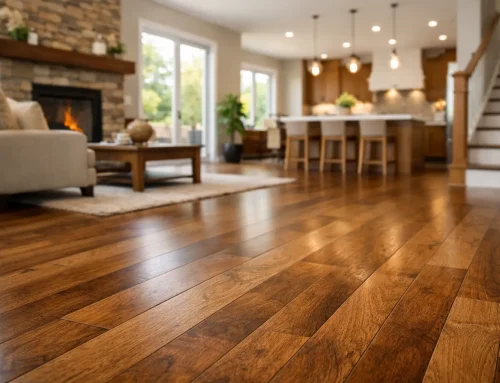
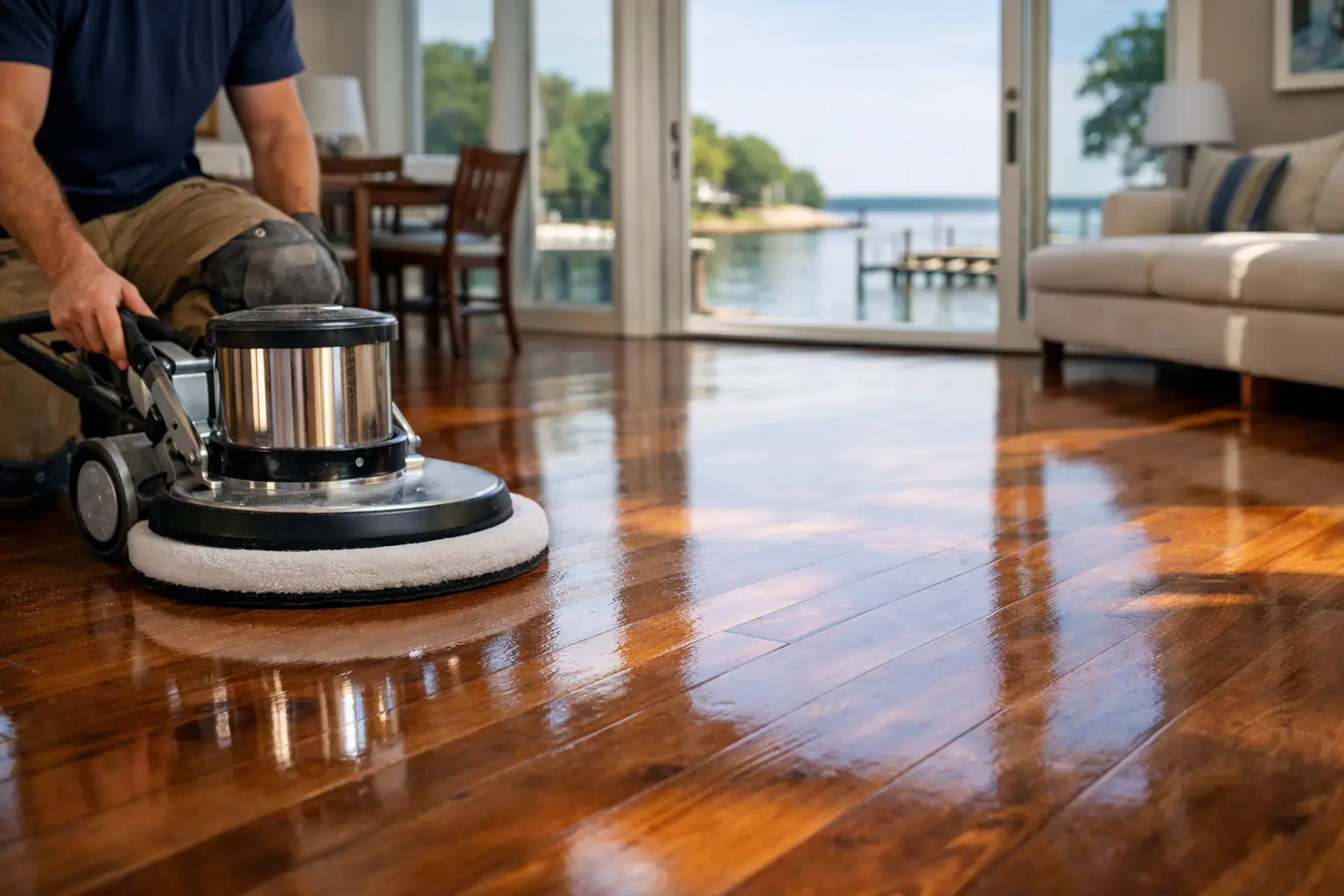
High-gloss polyurethane once signaled a newly finished floor. Today, most design-conscious homeowners prefer matte or low-sheen satin finishes. These finishes soften reflected light, make the floor feel less formal, and better conceal minor scuffs between cleanings.
Sheen affects more than appearance. A lower-sheen finish can be forgiving in a busy family home, while a satin finish offers a slightly more polished presentation without the mirror-like effect of gloss. Modern waterborne finishes also provide excellent durability with very low VOC formulations, quick drying times, and a healthier indoor environment. The best finish is not simply the flattest one available. It should suit the species, stain color, expected wear, and the homeowner’s preferences for care and repair.
Mixed Widths and Custom Patterns Add Quiet Distinction
As homeowners move away from one-size-fits-all flooring, custom layouts are becoming an important design tool. Mixed-width planks can lend an established, tailored quality to a larger home. They are especially effective when the boards are selected and arranged with intention, rather than treated as a random novelty.
Herringbone and chevron patterns are also returning, particularly in entry halls, dining rooms, and formal living areas. Herringbone has a traditional rhythm and can feel entirely at home in historic properties. Chevron delivers a sharper, more directional pattern that suits cleaner-lined interiors. Both require precise layout, sound subfloor conditions, and careful cutting. A pattern floor magnifies every small installation error, which is why craftsmanship matters as much as material selection.
Border details, feature strips, and transitions between rooms offer another opportunity for restraint and distinction. A well-proportioned border can frame a dining room beautifully. Too many competing details, on the other hand, can make a floor feel busy. In most homes, one exceptional gesture is more persuasive than several decorative ones.
Reclaimed and Textured Wood Bring Depth Without Pretending
Reclaimed wood remains compelling for homeowners who want a floor with genuine history. Antique oak, heart pine, and other salvaged materials can carry nail marks, color variation, and grain patterns that cannot be manufactured convincingly. Each board has already lived a life, and that patina becomes part of the design.
Reclaimed flooring is not automatically the right answer for every project. It requires careful sourcing, milling, moisture testing, and sorting. It may also include more variation than a homeowner expects from a showroom sample. When selected thoughtfully, however, it can anchor a waterfront home, a historic restoration, or a new residence that needs warmth and character from the start.
Wire-brushed and lightly textured surfaces offer a different route to dimension. A subtle texture can emphasize grain and make daily wear less noticeable, but aggressive distressing often has a shorter design life. The most enduring textured floors look refined underfoot and retain the dignity of the species rather than masking it.
Design the Floor for the Whole Home
A hardwood floor rarely stands alone. Cabinet finishes, stone selections, trim color, wall paint, natural light, and adjacent flooring all influence whether it feels right. Before committing to a color, review larger samples in the actual home at different times of day. A small stain chip cannot show the range of a full board, especially in wood with pronounced grain.
Continuity is another priority. Running one hardwood selection through the main living areas can make a home feel more generous and composed. Changes in direction or pattern should have a clear architectural reason, such as defining an entry or transitioning into a formal room. In homes with existing hardwood, refinishing may offer the best design value, provided the floor has sufficient wear layer and sound structural conditions.
Royal Oaks Flooring approaches these decisions as both a technical and aesthetic process. Species, board width, grade, layout, stain, and finish must work together. A beautiful sample is only the beginning; careful preparation and precise installation determine whether the completed floor carries that beauty through every room.
The most rewarding hardwood floors do not demand attention with a fashionable color or exaggerated texture. They earn it over time, through the warmth of the material, the accuracy of the work, and the way they make everyday living feel more considered.