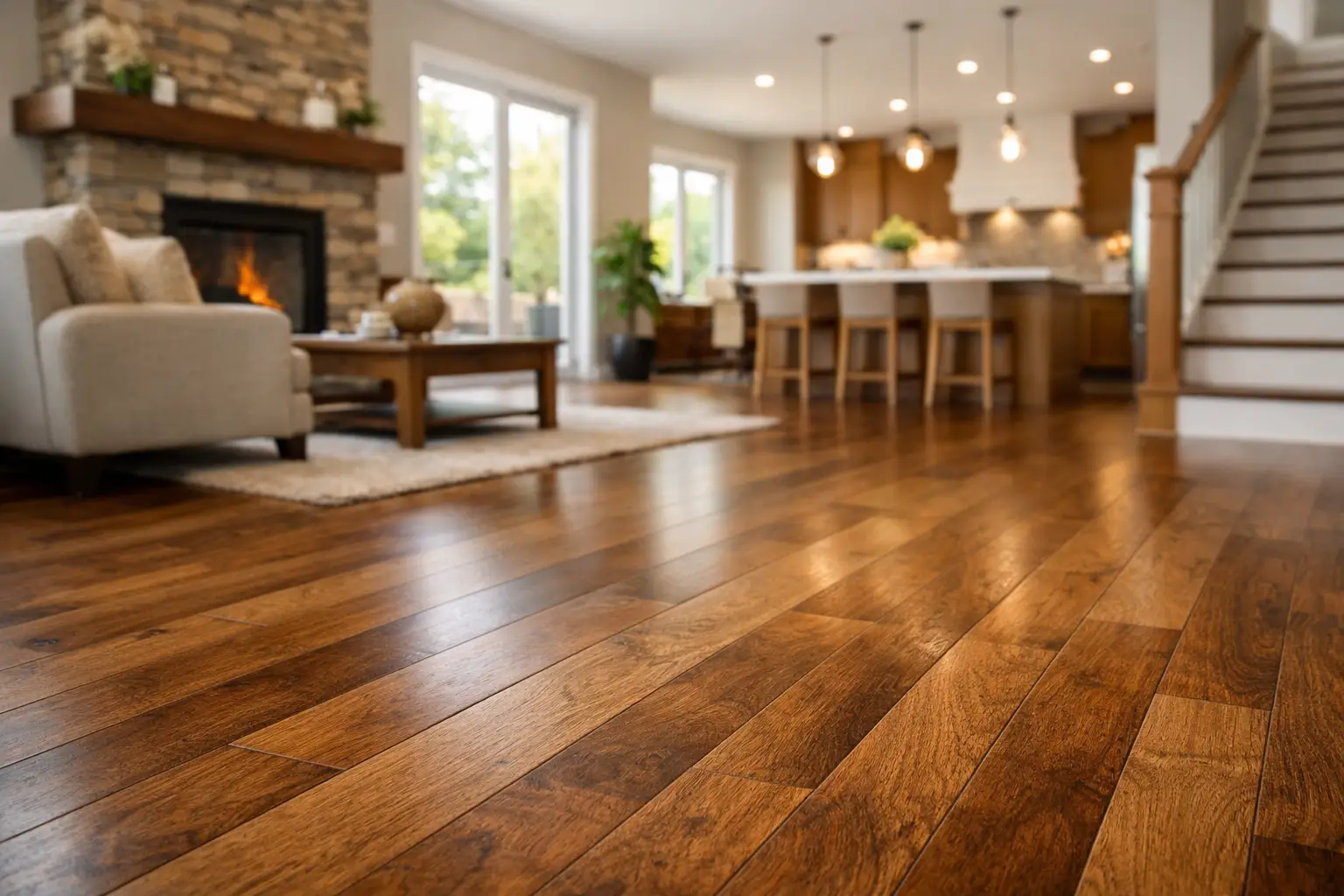
A hardwood floor can be expertly installed, beautifully sanded, and made from exceptional lumber, yet its final character is decided by the finish. Choosing among the best finishes for hardwood floors is not simply a matter of selecting gloss or matte. It determines how the wood will age, how it responds to children and pets, how easily it can be renewed, and how comfortably your family can return home after the work is complete.
For a historic home in Annapolis, a wide-plank oak floor in Potomac, or a refined renovation on the Eastern Shore, the right answer depends on the wood itself and the life lived on top of it. A finish should protect the floor without obscuring the grain, while also making practical sense for the room, the homeowner, and the years ahead.
What a Hardwood Floor Finish Actually Does
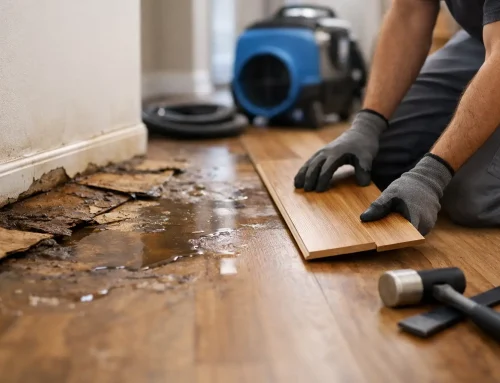
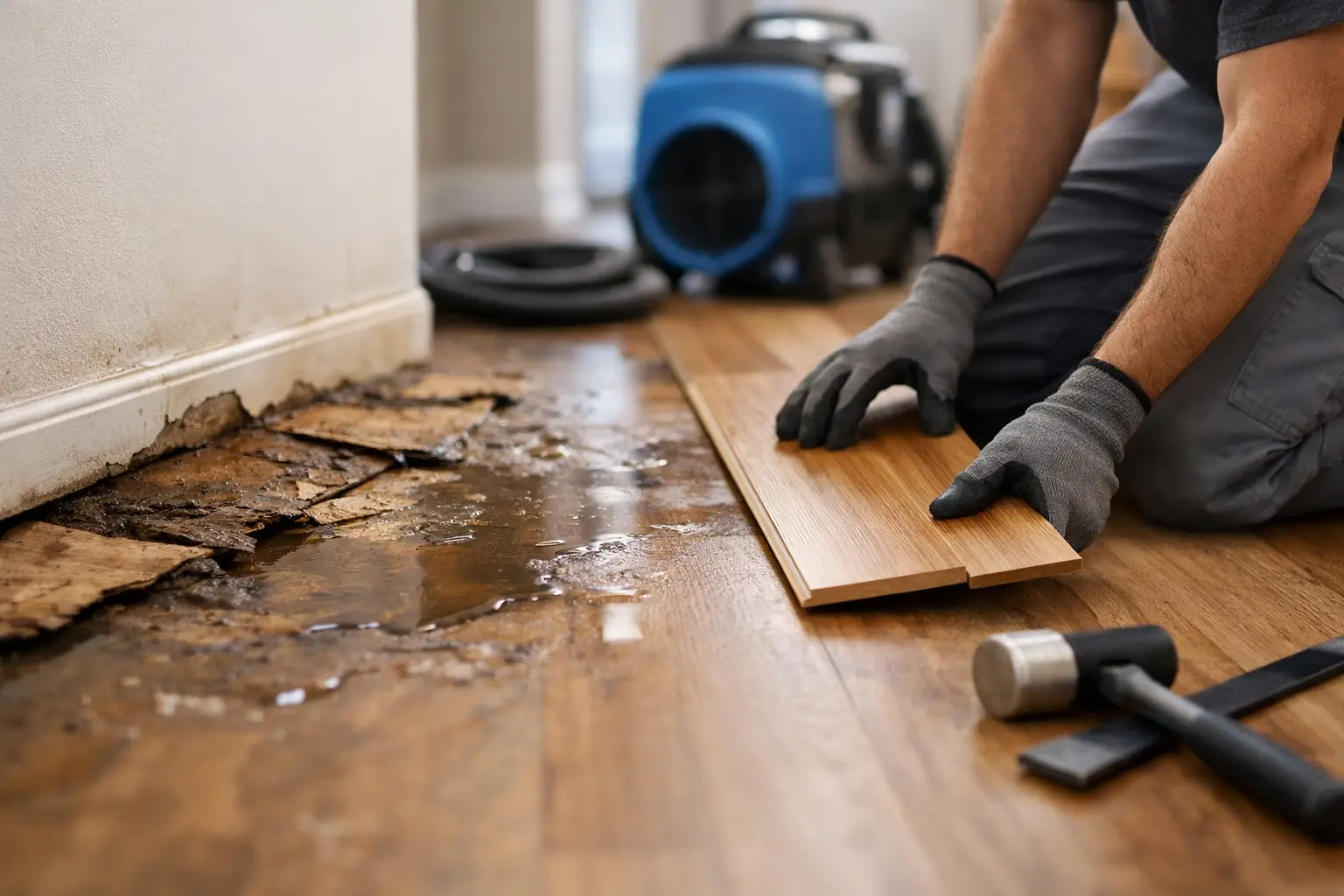
A quality finish forms the protective layer between hardwood and daily life. It helps resist moisture, soil, abrasion, and staining, but no finish makes wood indestructible. Deep scratches, standing water, moving furniture without pads, and years of neglected maintenance can damage any floor.
The real distinction is how each finish manages those risks. Some create a durable film over the wood. Others penetrate the fibers and leave a more natural-looking surface that can be repaired in smaller areas. The best choice balances appearance, durability, indoor air quality, maintenance expectations, and the specific species of hardwood.
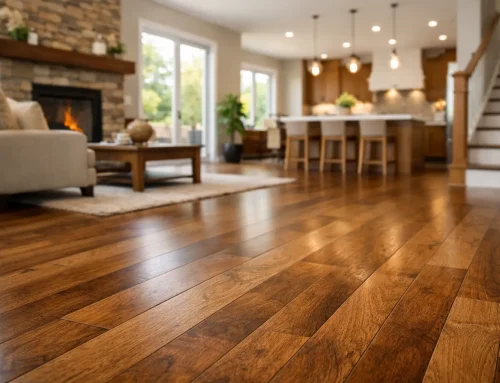
Sheen matters, too. Gloss reflects the most light and gives a formal, polished appearance, but it also reveals scratches, footprints, and dust. Satin remains a classic choice for its gentle luster. Matte and low-sheen finishes have become especially popular in design-forward homes because they let the texture and color variation of oak, ash, and reclaimed wood take center stage.
Best Finishes for Hardwood Floors in Real Homes
Waterborne polyurethane: the leading choice for most homes
For many premium residential projects, waterborne polyurethane is the strongest all-around recommendation. Modern waterborne systems are remarkably durable, dry quickly, and have very low VOC levels compared with older solvent-heavy products. That means less odor, reduced off-gassing, and a shorter disruption to the household.
The finish dries clear rather than developing the warm amber cast associated with many oil-based products. This makes it particularly well suited to white oak, maple, ash, gray-toned stains, and natural finishes where the homeowner wants the wood’s original color to remain crisp. It is also an excellent option for busy kitchens, hallways, family rooms, and homes with pets.
Not all waterborne polyurethane is equal. Professional-grade systems use multiple compatible coats and require careful preparation, temperature control, and proper cure time. A floor may be dry enough for light foot traffic relatively soon, but full curing takes longer. Respecting that cure window is part of protecting the investment from the first day.
Oil-based polyurethane: warmth with a traditional character
Oil-based polyurethane remains a respected finish for homeowners drawn to classic warmth and depth. It imparts a slight amber tone that can enrich red oak, walnut, cherry, and traditional interiors. Over time, that ambering becomes more pronounced, which may be desirable in a period home or a room designed around warmer woods and antique furnishings.
Its trade-off is timing and air quality. Oil-based finishes generally dry more slowly and produce a stronger odor during application. They can also yellow pale woods and lighter stains in ways that are difficult to reverse. For homeowners who value a low-odor project and a clearer, more contemporary look, a high-performance waterborne system is often the better fit.
Hardwax oil: natural texture and repairable beauty
Hardwax oil finishes have earned a loyal following for good reason. Rather than building a thick plastic-like film over the boards, they penetrate and protect the wood while leaving a more tactile, natural surface. The grain feels like wood, not like it is sealed beneath a heavy coating.
This finish is especially compelling for wide-plank floors, reclaimed lumber, hand-scraped textures, and European-inspired interiors. It can also be spot-repaired more gracefully than a conventional film finish. When a small section becomes worn or scratched, an experienced professional can often refresh that area without sanding the entire room.
The trade-off is that hardwax oil asks more of the homeowner. It needs the correct cleaning products and occasional maintenance coats, particularly in high-traffic areas. It is not a careless choice for a household that wants to install a floor and forget it for a decade. But for those who appreciate patina and want an authentic, low-sheen surface, it can be exceptional.
Penetrating oil finishes: understated and traditional
Traditional penetrating oils create a soft, hand-rubbed appearance that complements character-grade and antique flooring. They enhance grain beautifully and can work well in rooms where a subdued, historic look is more important than maximum surface protection.
They are less common for hard-working kitchens and active family areas because they offer less resistance to water and abrasion than modern polyurethane systems. Their beauty lies in a quieter, more traditional finish schedule, paired with a homeowner willing to maintain it thoughtfully.
Factory-applied aluminum oxide finishes: durable, but not a finish to add on site
Many prefinished hardwood boards arrive with factory-applied aluminum oxide-enhanced coatings. These finishes are extremely durable and well suited to homeowners who want a predictable, low-disruption installation. The boards are finished before they enter the home, so there is no on-site sanding dust or curing period after installation.
However, factory finishes do have limitations. Beveled board edges can collect dust, and when the floor eventually needs refinishing, it must be handled with professional equipment and proper abrasives. This is not a coating that is applied during a standard site-finishing project. It is a product feature to consider when selecting prefinished flooring.
Match the Finish to the Room, Not Just the Sample
A finish sample viewed under showroom lighting is only the beginning. The same floor will read differently in a sun-filled living room, a basement-level family room, or a narrow hall with limited natural light. Maple may need a clear, non-ambering finish to preserve its clean appearance, while walnut often benefits from a finish that enriches its depth without making it look overly glossy.
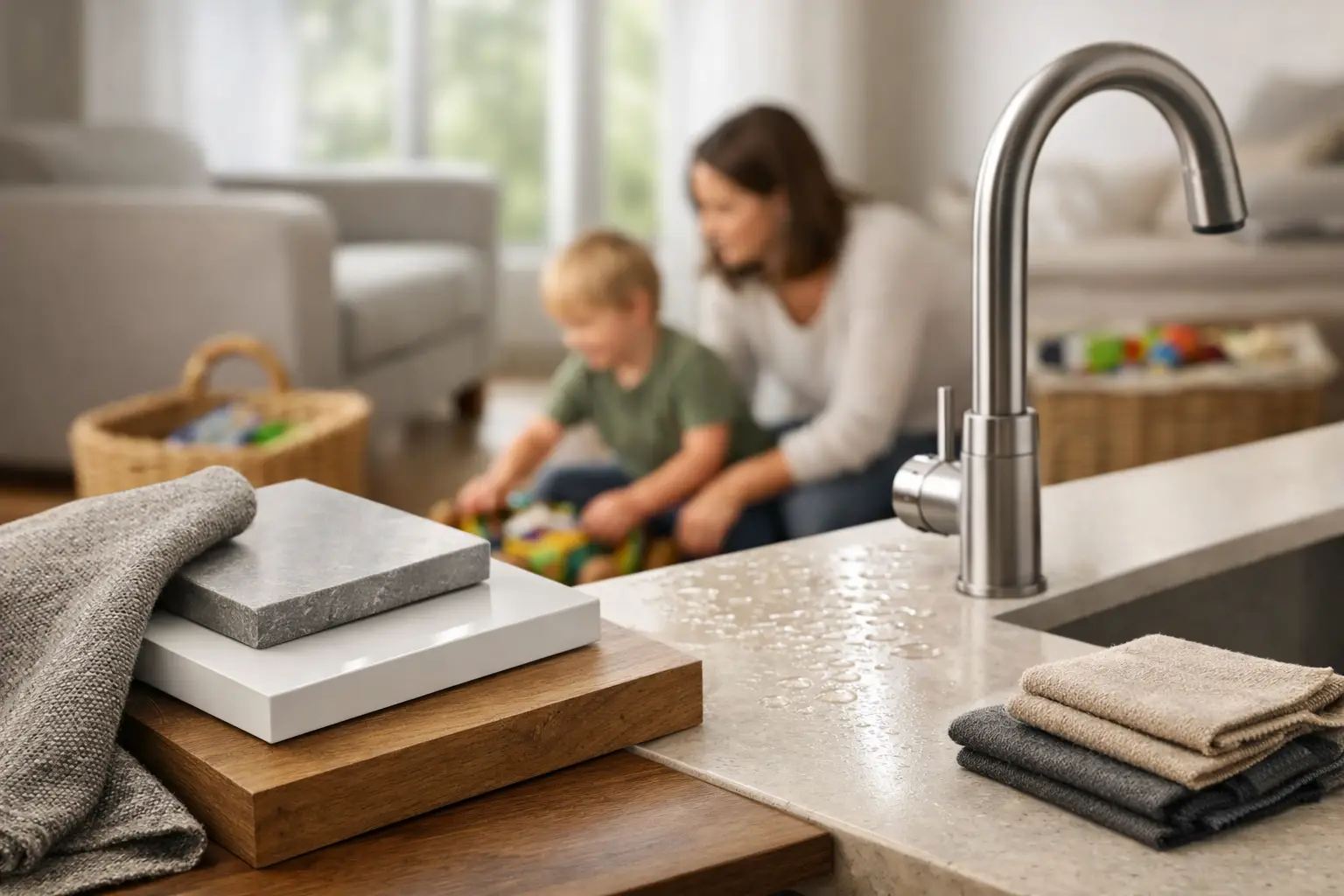
Traffic patterns deserve equal attention. An entryway used by a family, a dog, and wet shoes needs a finish with strong abrasion and moisture resistance. A formal dining room may allow more freedom to prioritize visual character. In kitchens, prompt cleanup still matters regardless of finish. Hardwood is not tile, and no topcoat should be treated as permission to leave water standing on the floor.
For historic floors, reclaimed boards, and antique heart pine, the selection process becomes even more nuanced. These materials often have open grain, old repairs, color variation, and a patina worth preserving. The right finish should protect that history rather than flatten it into a uniform surface.
The Craft Behind a Long-Lasting Finish
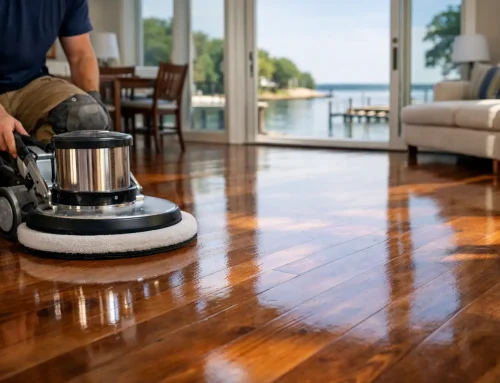
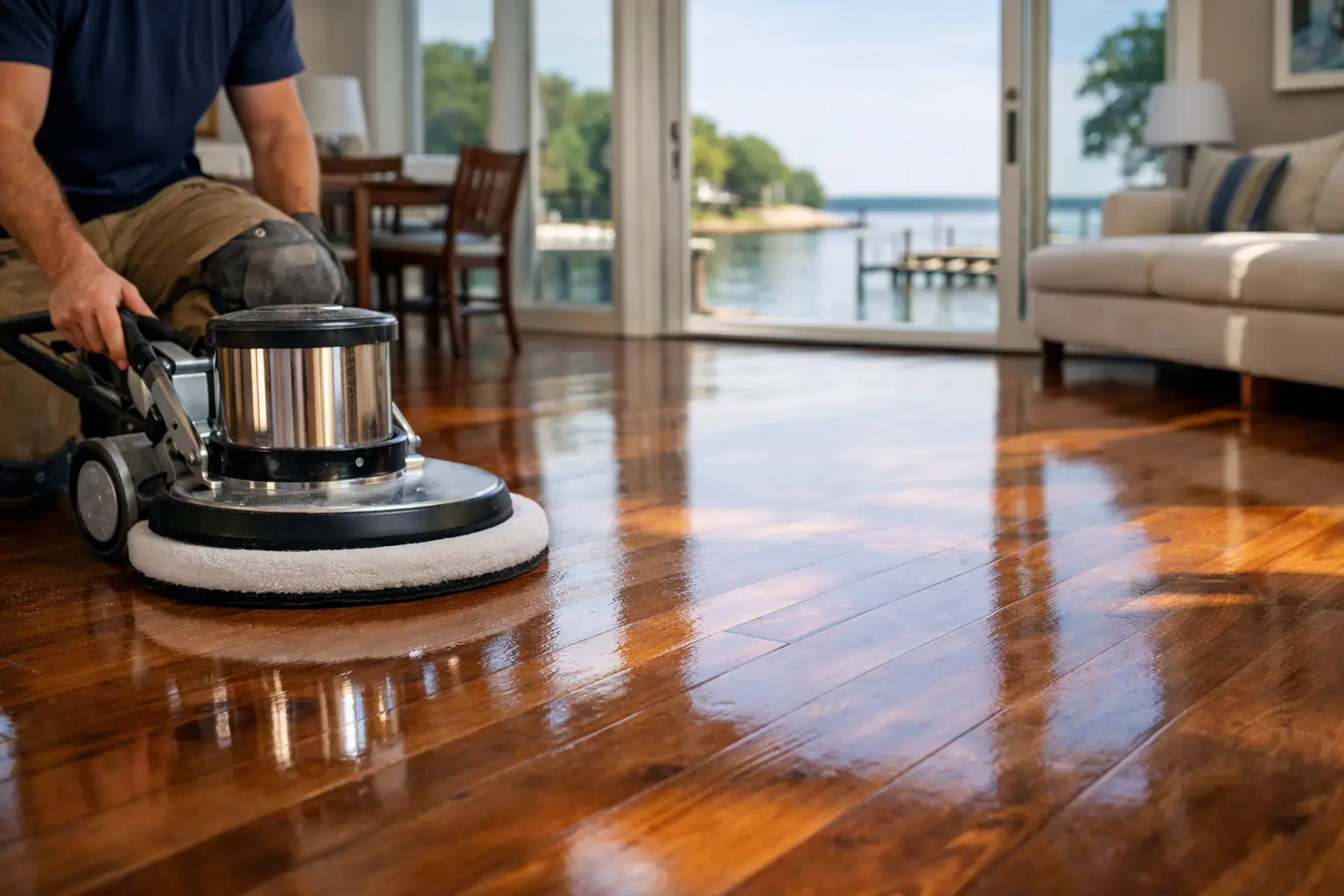
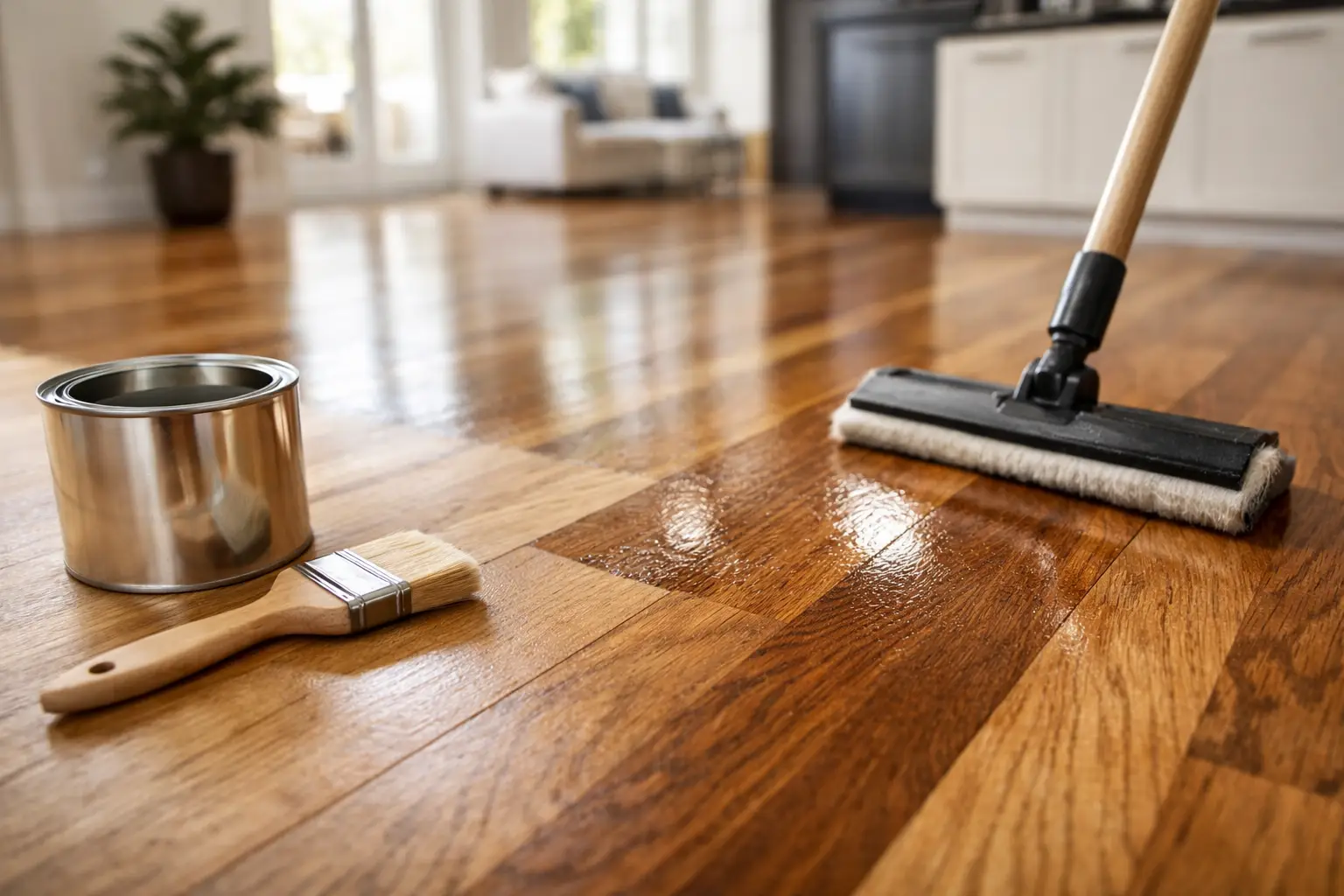
Even the finest finish cannot compensate for poor preparation. Proper sanding creates an even surface without chatter marks, swirl marks, or uneven stain absorption. Vacuuming between steps, controlling dust, maintaining a clean edge, and applying each coat at the correct spread rate are not minor details. They are the work that determines whether a finished floor looks luminous or merely coated.
This is also why mixing products casually can cause trouble. Stains, sealers, and topcoats should be selected as a compatible system. A professional finisher considers the species, moisture content, existing coatings, room conditions, desired color, and maintenance plan before the first coat is applied.
At Royal Oaks Flooring, that process is guided by the same principle used in a careful restoration or a new custom installation: the finish must serve both the wood and the home. Modern low-VOC, GreenGuard-certified options allow homeowners to pursue lasting performance without accepting the heavy odors and extended downtime once associated with floor refinishing.
Protect the Finish After the Work Is Done
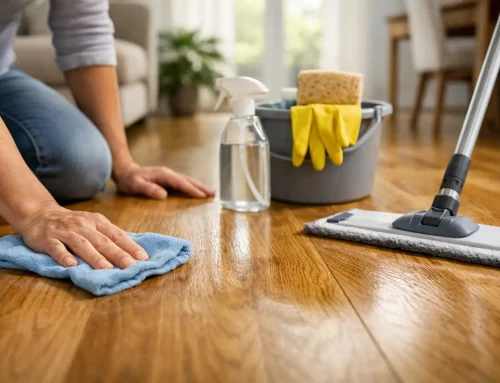
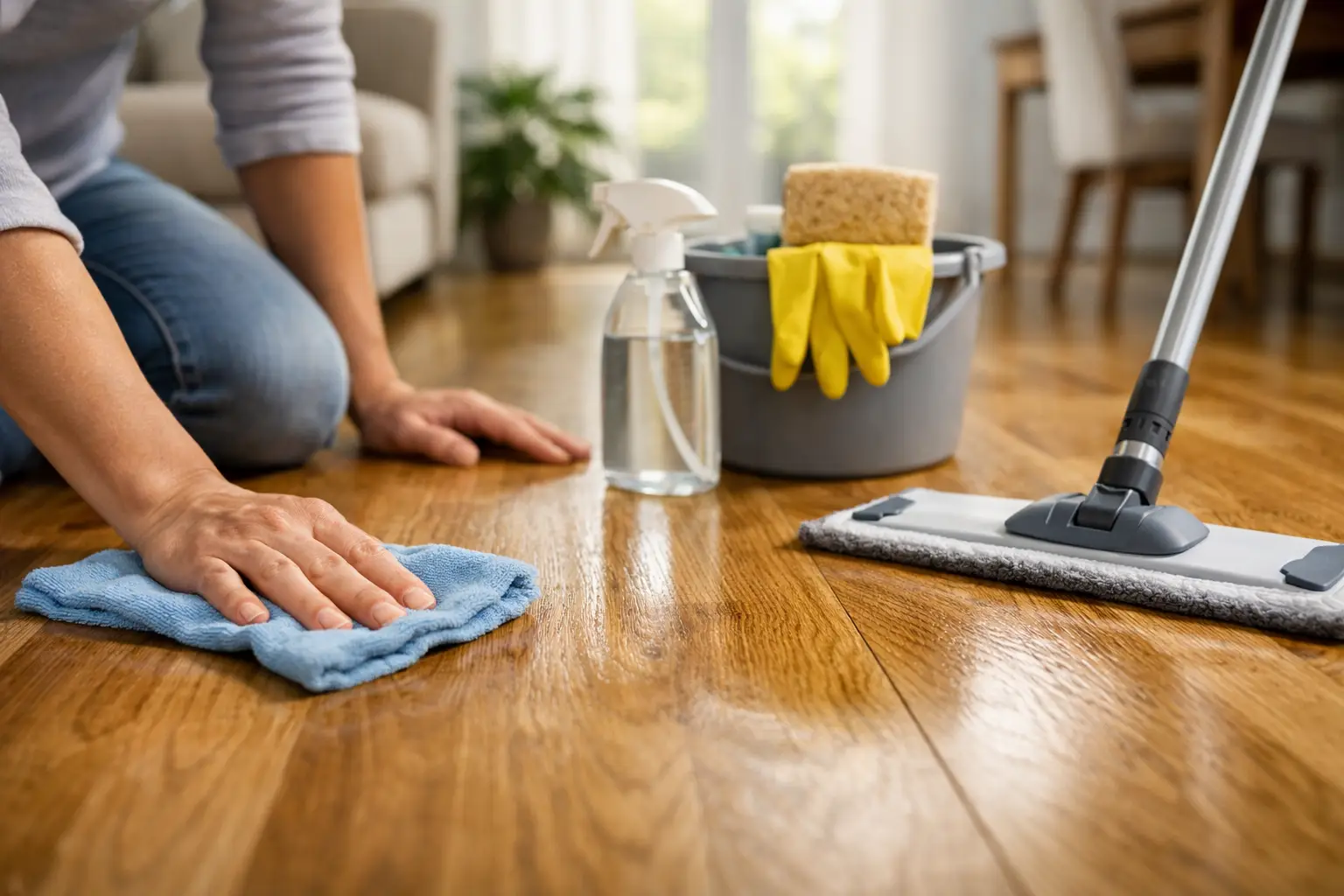
A beautiful finish lasts longer when routine care is simple and consistent. Use felt pads beneath furniture, place breathable mats at exterior doors, and lift rather than drag heavy pieces. Sweep or vacuum with a hardwood-safe attachment often enough to remove grit, since fine sand and dirt act like abrasive paper underfoot.
Clean spills promptly with a lightly damp microfiber mop and a cleaner approved for the specific finish. Avoid steam mops, waxes, oil soaps, and excessive water. These products can leave residue, dull the surface, interfere with future recoating, or force moisture into the joints between boards.
When the finish begins to lose its protective integrity, a professional screen-and-recoat can often renew it before a full sanding is necessary. That timely maintenance can extend the life of a hardwood floor dramatically and preserve more of the wood for future generations.
The finest finish is the one that looks right in your home on day one and still makes sense after years of footsteps, sunlight, gatherings, and ordinary life. Choose it with the same care you bring to the hardwood itself, and the floor will continue to reward that decision every time you walk through the room.