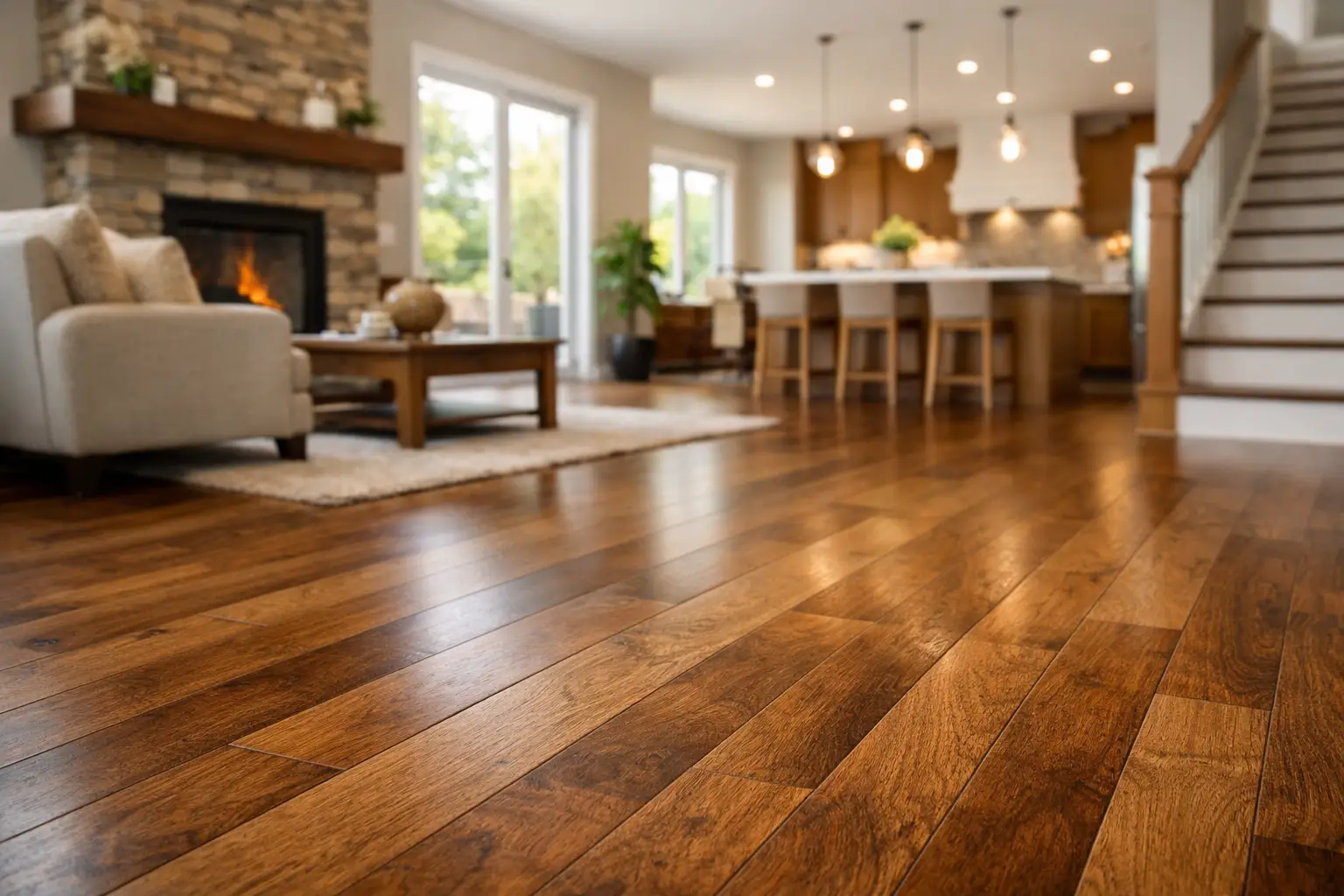
A floor can look exceptional on installation day and still be the wrong choice for the way a house lives. In the solid vs engineered hardwood decision, the visible surface is only part of the story. What lies beneath the finish – the wood’s construction, the subfloor, the moisture conditions, and the installation method – will determine how beautifully that floor performs for years to come.
For homeowners investing in a renovation, restoration, or custom-built interior, this is not simply a question of which option costs less. It is a decision about permanence, practicality, and the character you want your home to carry forward.
Solid vs Engineered Hardwood: The Fundamental Difference
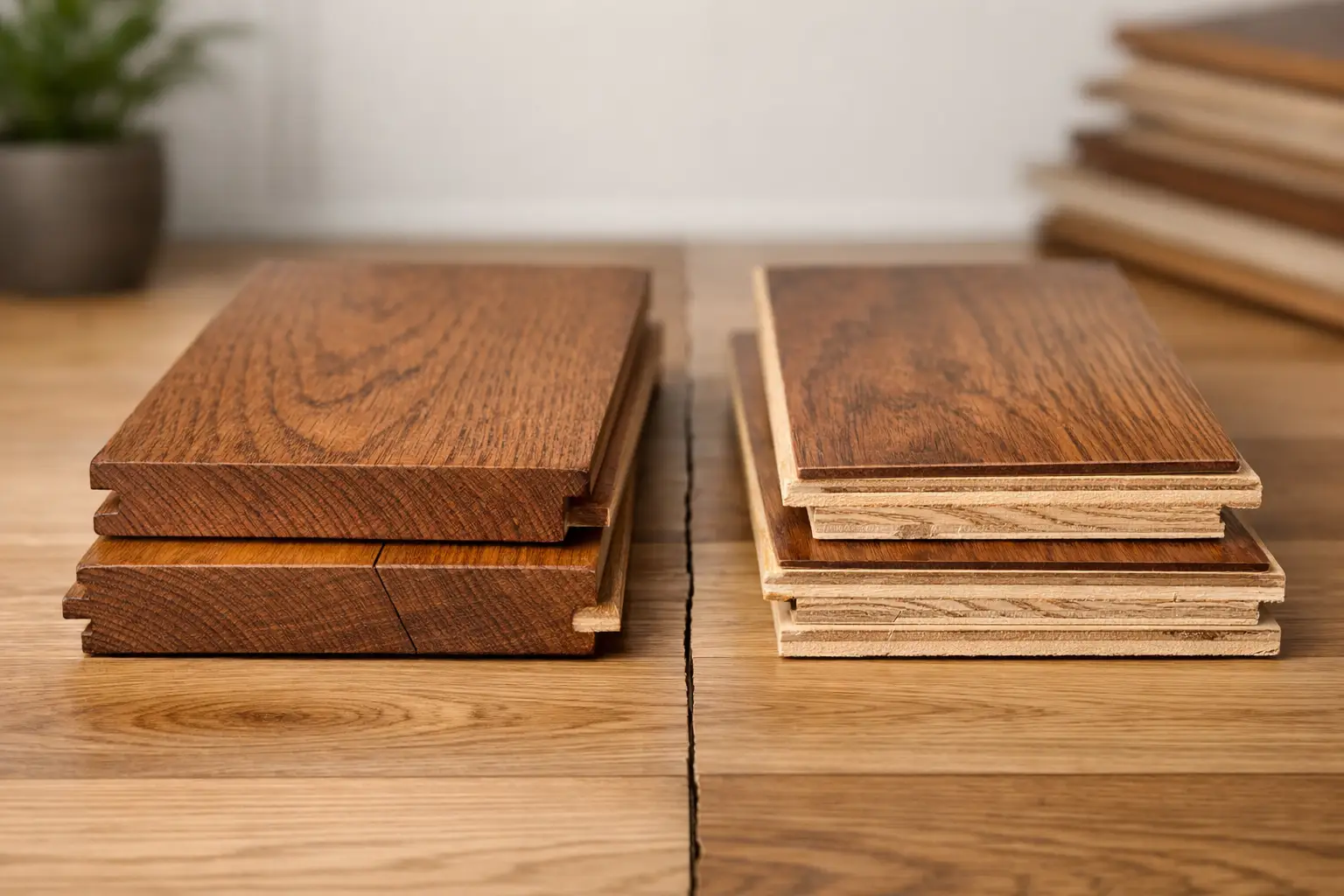
Solid hardwood is exactly what its name suggests: each plank is milled from a single piece of lumber. Whether you choose white oak, walnut, maple, cherry, or another species, the board is wood all the way through. It brings an authenticity that is difficult to imitate, along with the ability to be sanded and refinished repeatedly over its service life.
Engineered hardwood has a real hardwood wear layer on top, bonded to a layered core beneath. That core is typically constructed from plywood or other stable wood layers arranged in alternating directions. The result is still a genuine hardwood floor, not a printed imitation. The difference is structural: engineered planks are designed to move less as humidity changes.
Neither construction is automatically superior. A carefully chosen engineered floor can be an excellent, enduring material. A properly installed solid wood floor can last for generations. The right selection depends on the room, the home’s construction, and the ownership goals behind the project.
When Solid Hardwood Is the Better Investment
Solid hardwood remains the classic choice for above-grade living spaces with stable indoor conditions. It is especially well suited to main-level living rooms, dining rooms, bedrooms, hallways, and historic homes where material authenticity matters as much as visual impact.
Its greatest advantage is renewability. A quality solid floor can generally be sanded and refinished several times, allowing the surface to be restored after years of wear or transformed when a homeowner wants a different color or sheen. A honey-toned oak floor may later become a refined natural finish, a rich walnut stain, or a lighter contemporary look without replacing the floor itself.
That flexibility has real value in a long-term home. Scratches, fading, pet wear, and the accumulated evidence of busy family life do not necessarily signal the end of the floor. In many cases, they are conditions that a skilled refinishing process can correct.
Solid planks also offer a particular sense of depth at details such as stair nosings, floor vents, thresholds, and custom borders. In a historic residence in Washington, D.C., Potomac, or Maryland’s Eastern Shore, solid hardwood can feel especially appropriate because it respects the building tradition while providing a surface that can be maintained over decades.
There are boundaries, however. Solid wood naturally expands and contracts with seasonal shifts in humidity. In the D.C. Metro area, where humid summers and dry heated winters can create meaningful changes indoors, proper acclimation, moisture testing, expansion allowances, and humidity control are essential. Solid hardwood is not the best answer for every setting, particularly below grade or over concrete slabs.
Where Engineered Hardwood Earns Its Place
Engineered hardwood was developed to solve practical installation challenges without giving up the beauty of real wood. Its layered construction makes it more dimensionally stable than solid lumber, meaning it is generally less reactive to normal changes in moisture and humidity.
That stability makes engineered flooring an excellent candidate for rooms over concrete, condominiums, lower-level spaces, and homes with radiant heating systems when the product is approved for that use. It can often be glued directly to a properly prepared concrete slab, floated in appropriate applications, or installed over a wood subfloor. The installation possibilities are broader, but they still demand careful preparation.
For homeowners seeking wide planks, engineered construction can be particularly appealing. Wider boards make a room feel more open and composed, but wide solid planks can show more seasonal movement. A well-made engineered wide-plank floor provides the generous scale and natural grain of hardwood while helping manage that movement.
Not all engineered flooring is created equally. The thickness of the hardwood wear layer matters. A thin veneer may offer limited refinishing potential, while a premium product with a substantial wear layer can often be refinished at least once, and sometimes more, depending on its construction and condition. The core quality, surface treatment, milling precision, and manufacturer specifications deserve as much scrutiny as the color sample.
A floor labeled “engineered” should never be treated as a lesser category by default. It should be judged by its individual craftsmanship and suitability for the project.
Refinishing Potential Is More Than a Selling Point
The ability to refinish a floor is often presented as a simple advantage for solid hardwood, but the practical question is more nuanced. How often do you expect to change the finish? How much surface wear will the space experience? Is the floor being installed in a forever home, a historic property, or a residence likely to be updated in ten years?
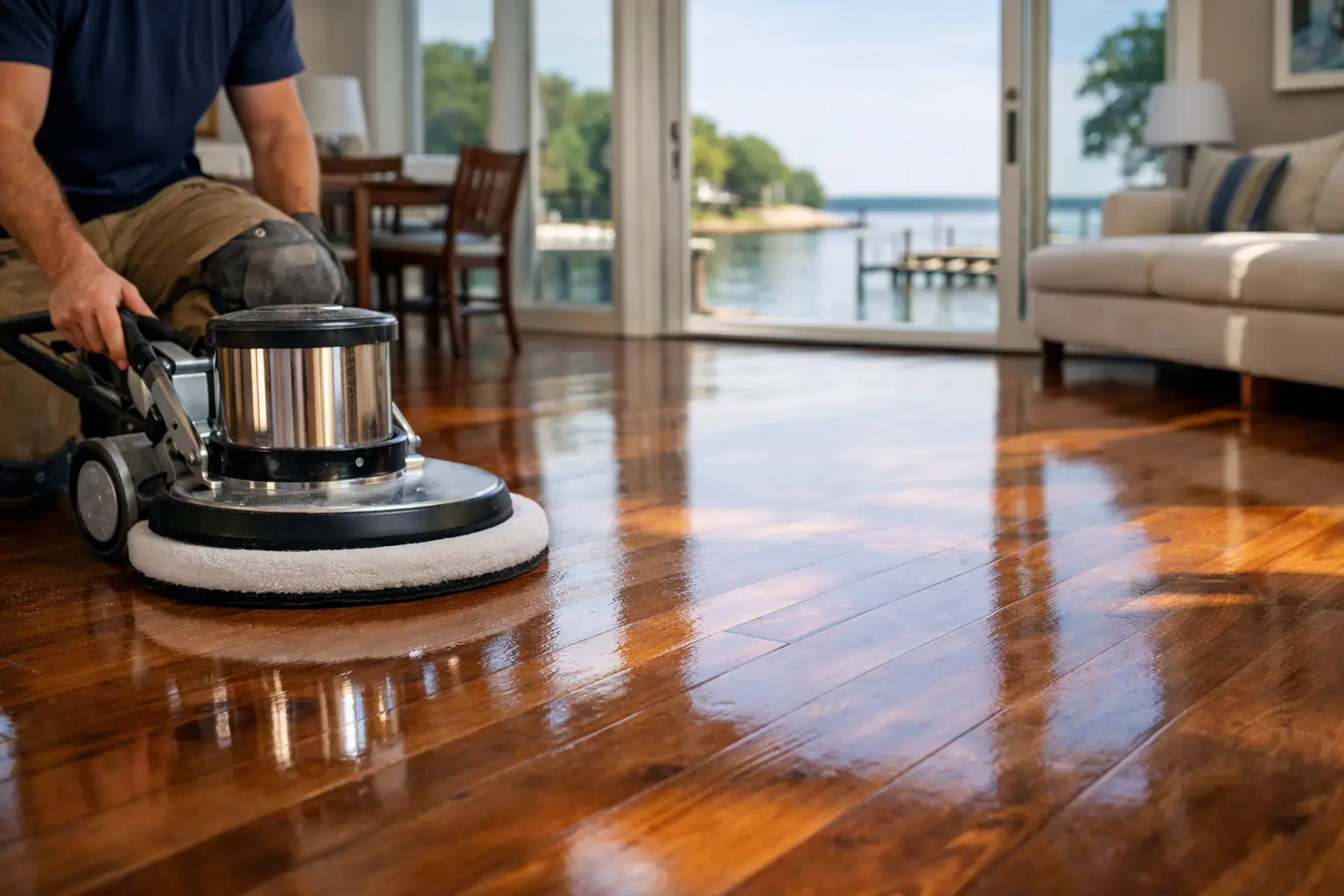
Solid hardwood gives owners the greatest margin for future restoration. That makes it a compelling choice when preserving a floor for generations is a central goal. It is also ideal for site-finished work, where the floor can be sanded smooth after installation and finished in a custom color and sheen.
Engineered flooring may arrive prefinished with durable factory-applied coatings, often offering excellent consistency and faster installation. The trade-off is that repairing or changing the appearance later can be more limited. A quality engineered floor with a thicker wear layer can still offer restoration options, but it should not be assumed to have the same refinishing lifespan as a three-quarter-inch solid oak floor.
For either material, finish selection matters. Modern low-VOC, GreenGuard-certified finishes can provide strong protection, quicker cure times, and a healthier indoor environment. The right finish does not eliminate the need for care, but it can make daily life easier while preserving the natural beauty of the wood.
The Subfloor Often Decides the Answer
The most beautiful flooring choice can fail if it is installed over an unsuitable subfloor. This is where a professional evaluation becomes indispensable.
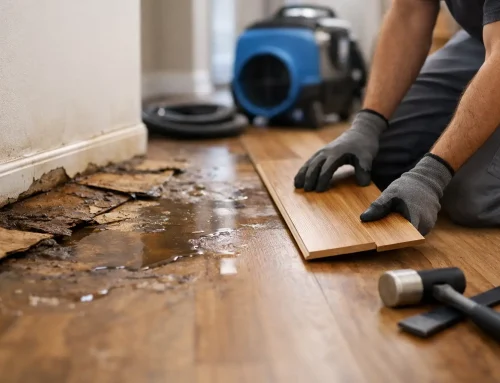
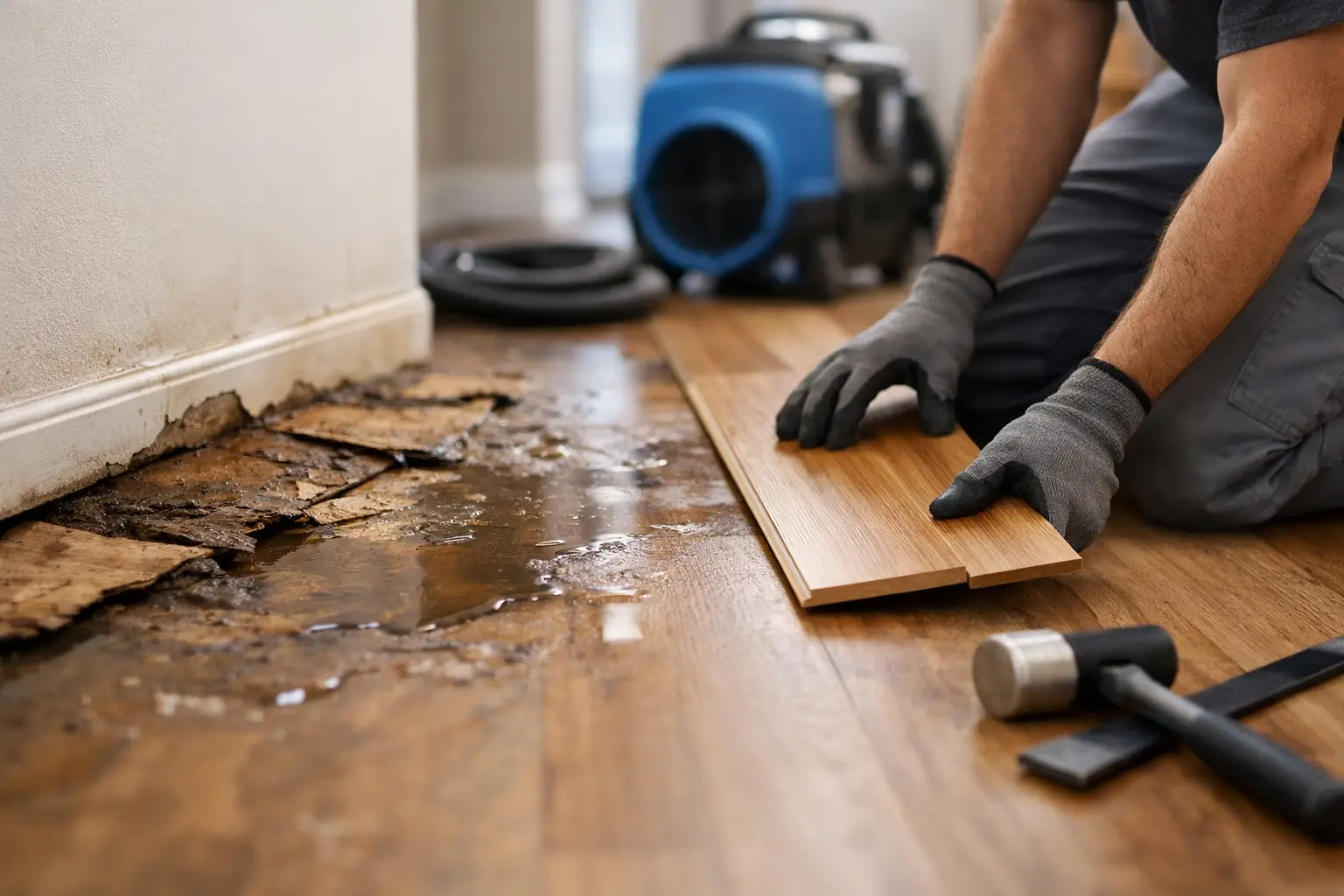
A wood-framed subfloor above grade may be an ideal setting for solid hardwood. By contrast, a concrete slab requires careful moisture testing and may point toward engineered hardwood with a compatible adhesive system. A basement, even one that feels dry, should be evaluated with particular caution. Concrete can transmit moisture vapor that affects wood flooring long after installation.
Flatness is equally important. Wide planks, long boards, and premium materials reveal irregularities that a smaller-format floor might disguise. Subfloor preparation may involve leveling, repair, moisture mitigation, or removal of existing materials before the first plank is installed. These steps are not glamorous, but they are the foundation of a quiet, stable, refined floor.
Radiant heating also calls for a measured approach. Many engineered products are designed for radiant applications, while solid hardwood may be more restrictive depending on the species, width, and system design. Manufacturer requirements should be followed precisely, not treated as suggestions.
Appearance, Character, and the Details You Will Live With
Because both options use real wood at the surface, either can deliver the warmth, grain variation, and timeless appeal homeowners expect from hardwood. The better aesthetic choice often comes down to the specific product rather than the construction alone.
Solid hardwood offers broad freedom in site finishing, custom stains, decorative inlays, borders, and future color changes. It is a natural fit for reclaimed wood projects, traditional strip flooring, and custom installations where each detail is tailored to the home.
Engineered hardwood offers remarkable range as well, including long lengths, wide planks, wire-brushed textures, matte finishes, and carefully curated European oak looks. In a more contemporary home, a wide-plank engineered floor can create an elegant, continuous field of wood with fewer visual interruptions.
Consider the room’s light, cabinetry, wall color, and architecture before choosing a stain. Dark floors can be dramatic but tend to show dust and scratches more readily. Very pale finishes can make a room feel expansive, yet they may require thoughtful coordination with existing trim and furnishings. A natural oak finish often offers enduring versatility because it allows the wood’s own grain and color variation to remain the focal point.
A Better Choice Comes From a Better Evaluation
The solid vs engineered hardwood decision should begin with the house, not a showroom sample. Evaluate the subfloor, moisture conditions, room location, desired plank width, heating system, finish preferences, and how long you plan to enjoy the floor. Then choose a material whose construction supports those realities.
At Royal Oaks Flooring, that process is treated as part of the craft. A floor should be measured carefully, prepared correctly, and installed with the same respect given to the material itself. When the construction, finish, and installation method are aligned, hardwood becomes more than a surface underfoot – it becomes one of the lasting expressions of a well-made home.
Before settling on a color or plank width, ask to see how each option will perform in your specific rooms. The best hardwood floor is the one that still feels right after years of gatherings, changing seasons, and everyday life.