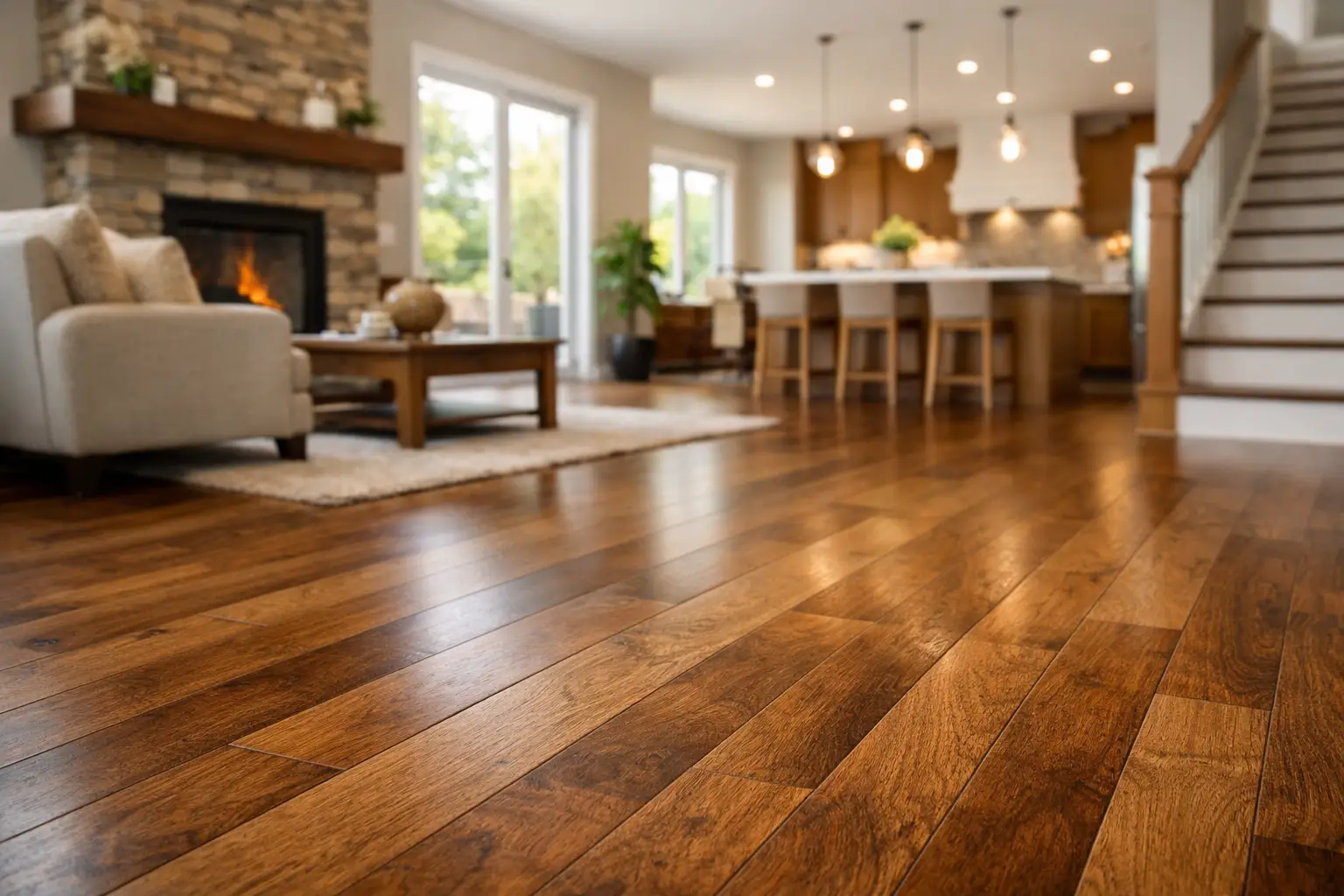
A newly sanded hardwood floor gives you one brief opportunity to decide how the wood will live in your home. The choice between oil finish vs polyurethane is not simply a question of sheen. It determines whether the grain feels close and natural underfoot, how the floor responds to a dropped toy or moved chair, and what restoration will look like years from now.
For a wide-plank white oak floor in a sunlit Potomac kitchen, an oil finish may bring out the movement and texture that made you choose the wood in the first place. For a busy household with dogs, frequent entertaining, and little appetite for regular maintenance, a high-performance polyurethane system may be the more practical investment. Both can create exceptional floors. The right finish depends on the species, the room, the desired appearance, and how your family uses the space.
Oil Finish vs Polyurethane: The Essential Difference
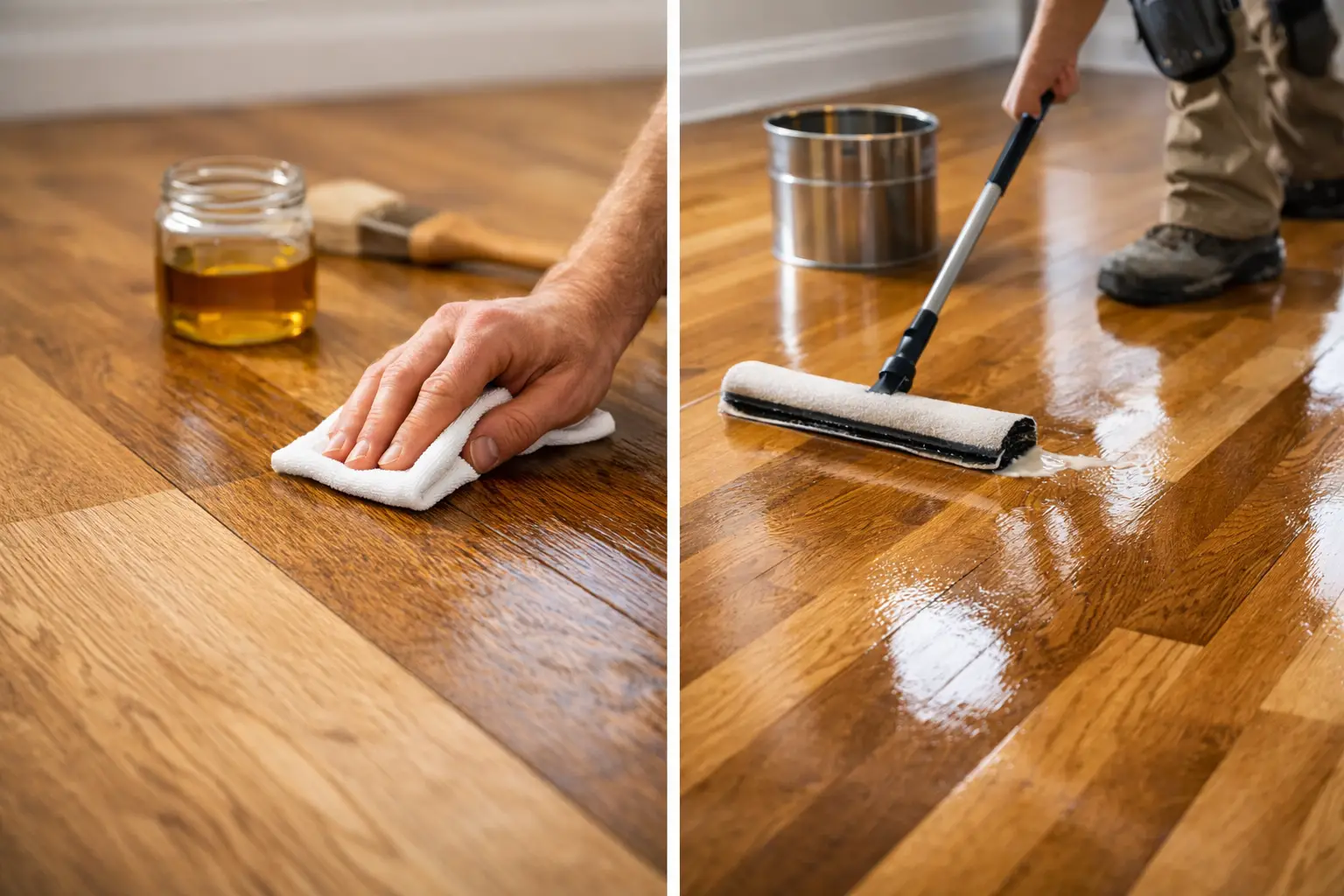
An oil finish penetrates into the wood fibers rather than building a substantial protective film on top of them. Traditional penetrating oils and modern hardwax oils both emphasize the natural character of the wood, though hardwax oils add waxes and resins that improve surface protection. The resulting floor tends to have a low-sheen, matte, hand-rubbed appearance that feels especially at home on white oak, European oak, reclaimed boards, and wire-brushed textures.
Polyurethane is a film-forming finish. It cures into a protective layer over the wood, creating a barrier against moisture, spills, and daily abrasion. Modern water-based polyurethane can range from nearly invisible matte to satin or glossier sheens, while oil-based polyurethane generally adds warmer amber tones and develops more color over time.
Neither approach is universally superior. A finish should support the floor’s intended character and its real-life demands, not just the look of a sample board under showroom lighting.
Appearance: Natural Depth or a Protective Surface
Oil finishes excel when the goal is to make hardwood look and feel like wood. They tend to deepen the grain without creating a pronounced surface layer. On a carefully selected oak floor, that subtlety can be striking: open grain, knots, medullary rays, and natural color variation remain visually present. Matte oil finishes also soften reflections, which suits historic homes, tailored interiors, and rooms where the floor should feel established rather than glossy.
That natural presentation comes with a practical consideration. Oil can deepen the color of certain species significantly, and it may highlight sanding marks or uneven absorption if the floor has not been prepared with care. Maple, for example, can be less predictable than oak because of its dense, closed grain. A skilled flooring professional will create samples on the actual wood whenever possible, particularly when using reactive stains, custom colors, or reclaimed material.
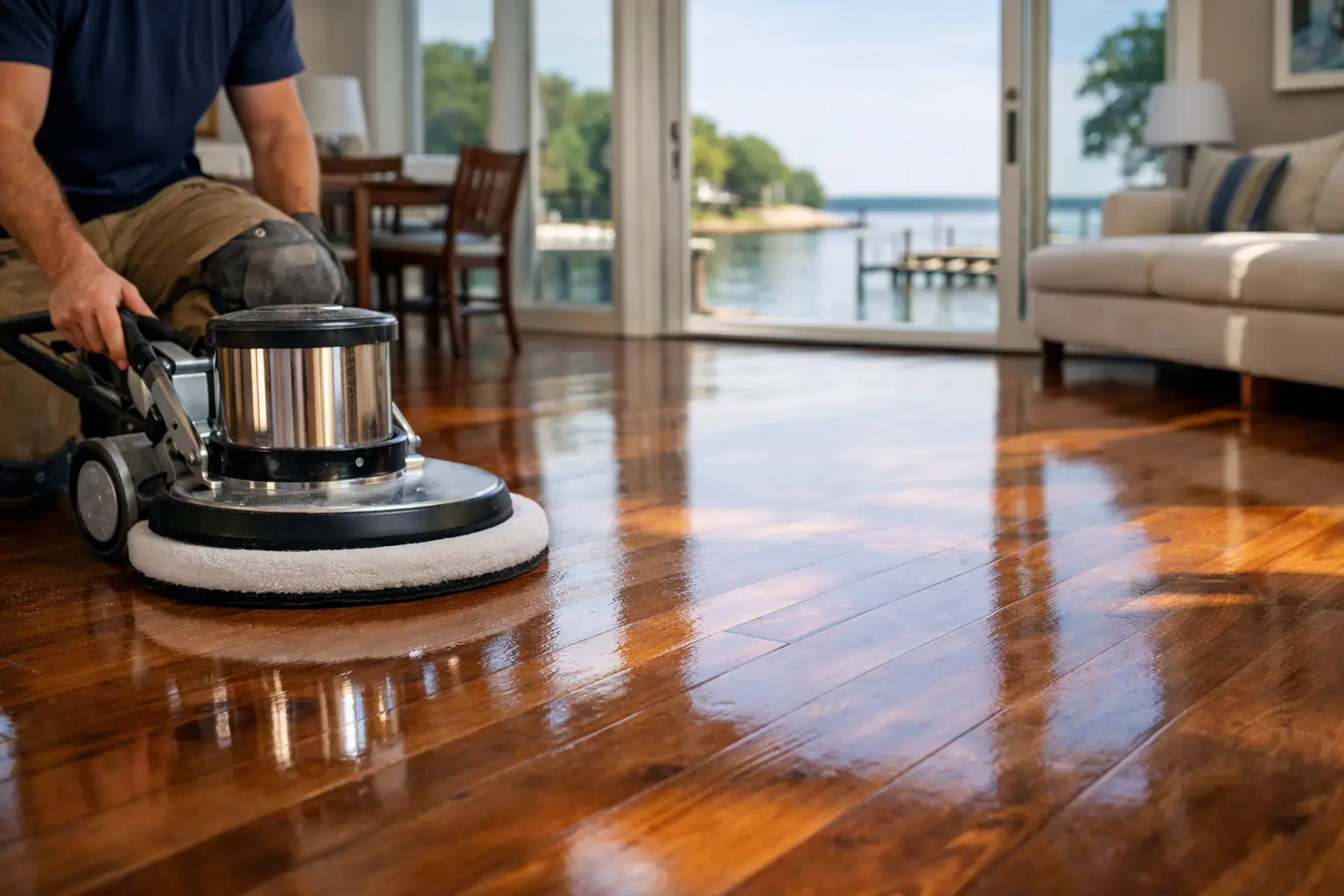
Polyurethane offers a different kind of beauty. It can make a floor look more refined and uniform, with the sheen level helping define the room’s atmosphere. Matte and satin water-based finishes are popular for contemporary homes because they protect the wood while preserving a cleaner, lighter appearance. Semi-gloss finishes can create a more formal look, but they also reveal scratches, dust, and surface imperfections more readily.
For many homeowners, the decision comes down to whether they want to see a protective finish on the surface. With oil, the answer is usually very little. With polyurethane, even a low-sheen formula provides more of a finished, sealed presentation.
Durability Is Not One Simple Measurement
Polyurethane generally provides the stronger defense against standing water, food spills, and ordinary household wear. This makes it a dependable choice for kitchens, entryways, dining rooms, and homes where the floor must tolerate a steady stream of activity. Quality water-based systems also dry quickly, cure to excellent hardness, and can be very low VOC and Green Guard certified, a meaningful consideration for families planning a renovation around daily life.
Oil and hardwax oil finishes are durable in a different way. They do not always resist surface abrasion and water exposure as long as a premium polyurethane film, particularly if spills are left sitting. Yet because the finish is integrated with the wood rather than resting heavily above it, wear often appears more gradual and less conspicuous. A small scratch may blend into the overall patina instead of looking like a sharp break in a clear coating.
This distinction matters in older homes and on character-grade or reclaimed flooring. A polyurethane floor can look pristine for years, but when its surface film is visibly worn or damaged, it may eventually need a full screening and recoating or a complete sand-and-refinish. An oiled floor develops a lived-in quality that many owners value, especially when the wood itself carries history.
Repairability: Where Oil Has a Real Advantage
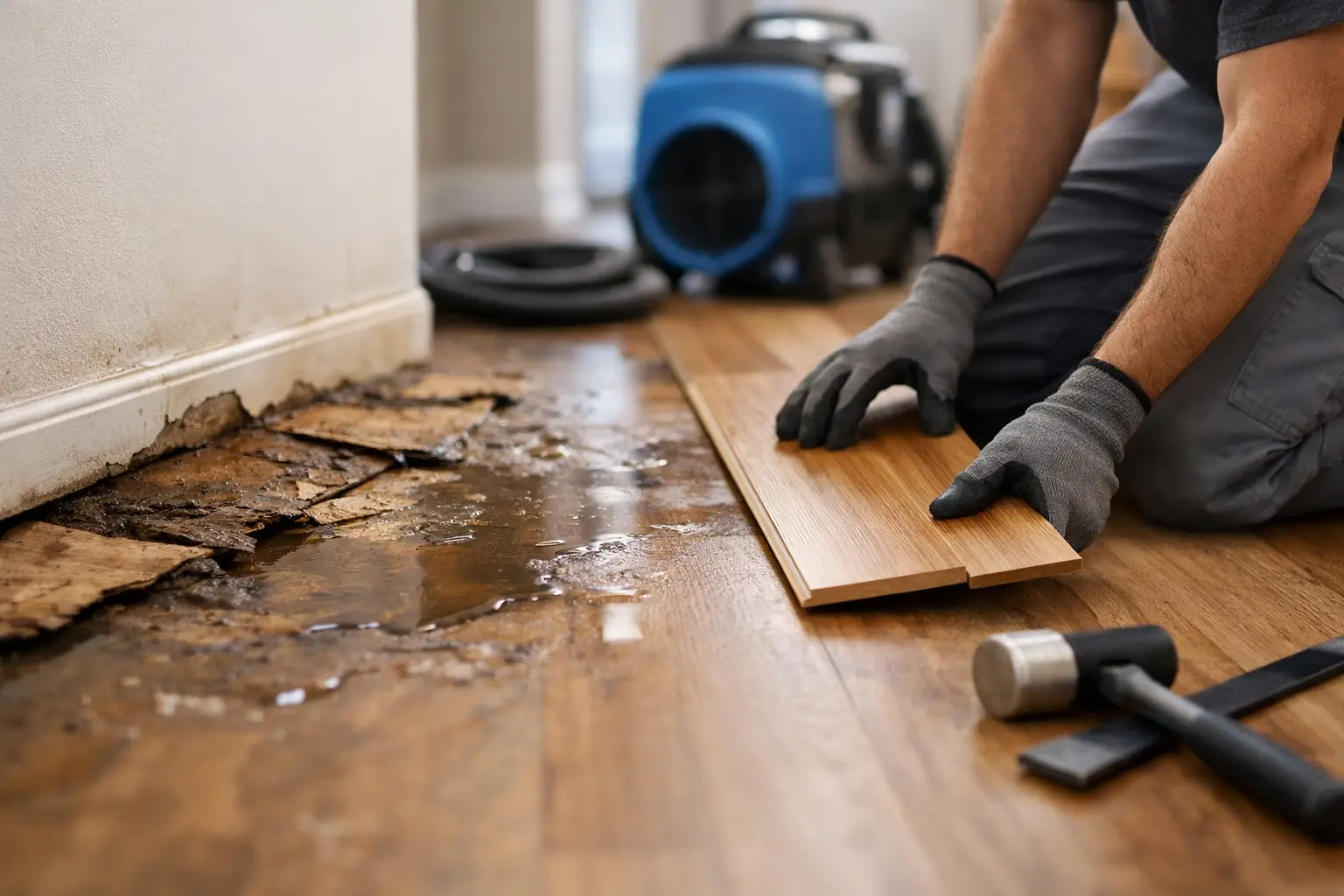
A deep gouge in a polyurethane finish often requires attention beyond the damaged spot. A professional may be able to make a localized repair, but matching sheen and blending the repair into the surrounding floor can be difficult. When a polyurethane coating reaches the end of its service life, refinishing larger sections or the entire floor produces the most even result.
Oil finishes are often easier to maintain locally. After cleaning and light preparation, a worn path near an exterior door or a scratch beneath a dining chair can frequently be refreshed with compatible maintenance oil. The repair blends more naturally because there is no thick film edge to feather into the surrounding area.
That advantage should not be mistaken for no-maintenance flooring. Oil requires the homeowner to follow the product’s maintenance schedule and use approved cleaners. Applying the wrong soap, polish, or household cleaner can leave residue, interfere with future refresh coats, or alter the floor’s appearance. The ease of spot repair works best when the system is understood and maintained consistently.
What about pets and children?
Neither finish is impervious to claws, grit, toy wheels, or standing water. The most protective finish cannot prevent dents in soft wood, and a beautifully oiled floor will not thrive under neglected spills. For active households, species selection is part of the durability conversation. White oak, for instance, is often favored for its stable grain and ability to disguise everyday wear better than smoother, lighter woods.
If pets and children are part of the picture, a matte polyurethane is frequently the practical middle ground. It provides strong surface protection without the reflective sheen that makes every scuff noticeable. A hardwax oil can also work well for homeowners who prefer a natural look and are willing to perform periodic maintenance.
Maintenance Expectations Over Time
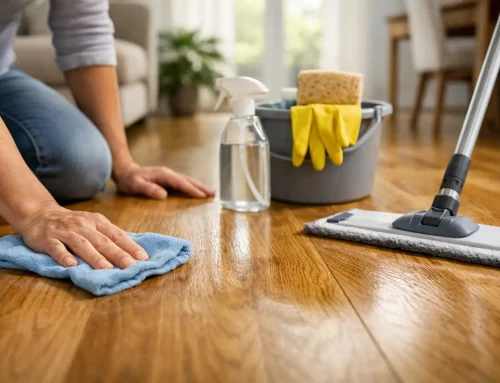
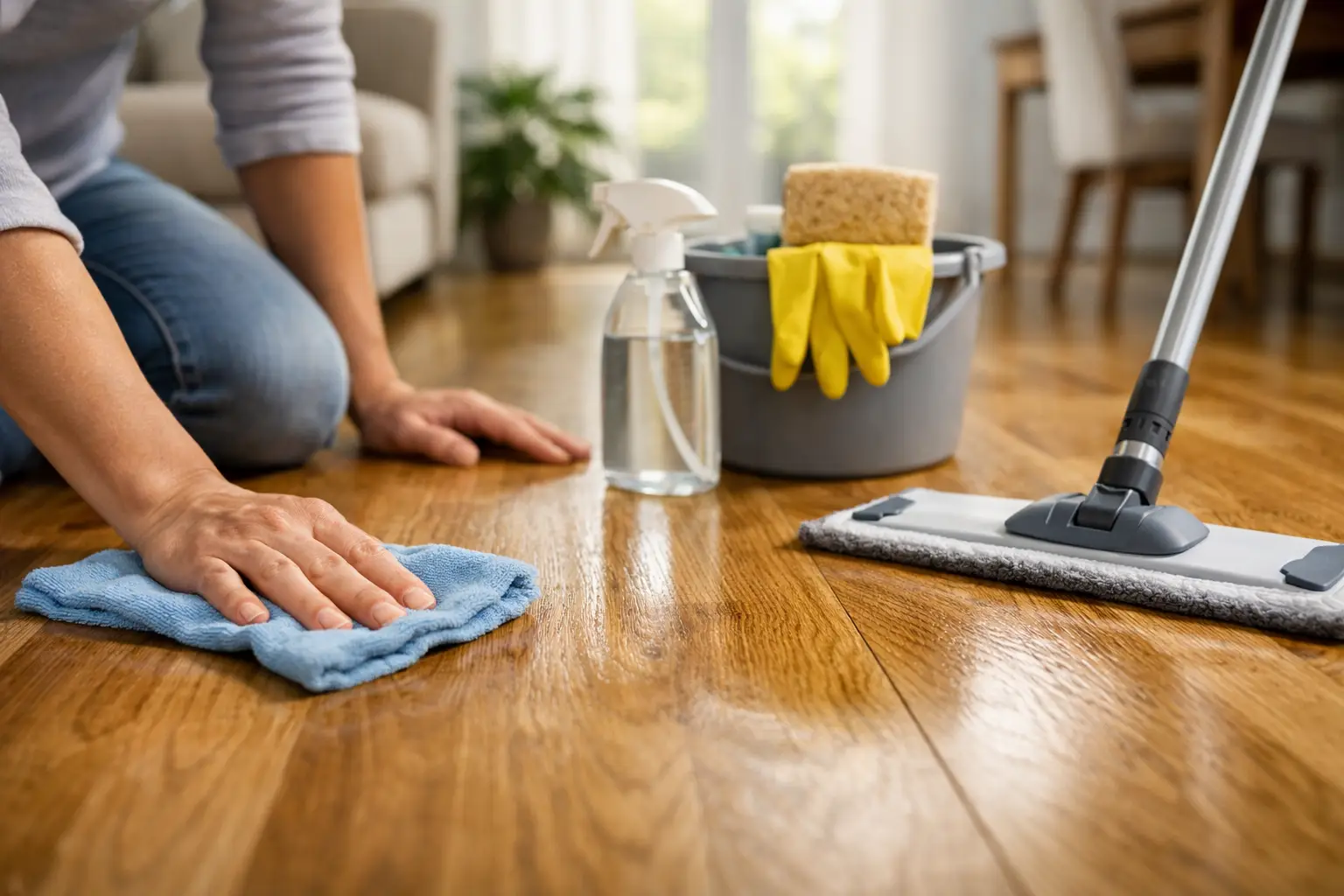
A polyurethane floor benefits from simple, disciplined care: sweep or vacuum with a hardwood-safe attachment, use a lightly damp microfiber mop and a finish-approved cleaner, and place protective pads beneath furniture. Avoid steam mops and excessive water. When the finish begins to show broad, dull traffic patterns but the wood has not been worn through, a professional screen and recoat may restore protection without sanding down to bare wood.
Oil-finished floors need the same protection from grit and moisture, but their renewal cycle is more active. Depending on traffic, an oil maintenance product may be applied to refresh the surface and replenish protection. High-use areas may need attention sooner than bedrooms or formal living rooms. The reward is a finish that can be revived rather than simply coated over.
Before choosing either system, consider who will care for the floor after installation. A homeowner who appreciates hands-on stewardship may enjoy the evolving character of oil. Someone who wants a more set-it-and-forget-it surface will likely be better served by polyurethane.
Choosing by Room and Design Intent
An oiled finish is particularly compelling for bedrooms, living rooms, studies, and dining spaces where tactile warmth and authentic grain are the priorities. It is also a natural partner for wide-plank floors, reclaimed lumber, and European-inspired interiors. In a carefully designed home, its quiet matte surface can make millwork, antique furnishings, and natural textiles feel more connected.
Polyurethane is often the more straightforward recommendation for kitchens, hallways, mudroom-adjacent spaces, and rental or commercial settings where spill resistance and predictable upkeep matter most. That does not mean it must look plastic or overly glossy. A premium matte water-based polyurethane, applied with proper sanding, sealing, and curing procedures, can preserve a remarkably natural appearance.
The finish must also work with the stain and wood species. Water-based polyurethane is generally preferred when homeowners want to minimize ambering and keep a pale white oak or maple floor looking light. Oil-based polyurethane may be chosen for the warm, richer tone it brings to red oak, walnut, or traditional interiors. With oils, the specific product and color treatment matter greatly, so test boards are essential rather than optional.
The Craft Is in the Preparation
Finish performance begins long before the final coat. Uneven sanding, inadequate edge work, poor dust control, moisture problems, or rushed cure times can compromise even the finest finish. This is why premium flooring work is measured in preparation as much as product selection. The wood must be properly acclimated, the substrate assessed, the floor sanded evenly through each grit, and the finish system applied according to its technical requirements.
For homeowners considering a major restoration or custom installation, Royal Oaks Flooring approaches this decision as part of a complete flooring plan. A finish sample should be evaluated in the home’s actual light, beside cabinetry, wall color, and textiles, not selected from a small chip alone.
Choose the finish that supports the way you want your floor to age. A well-made hardwood floor should not merely survive daily life. With the right finish and thoughtful care, it should gain the quiet confidence and character that make a home feel truly settled.