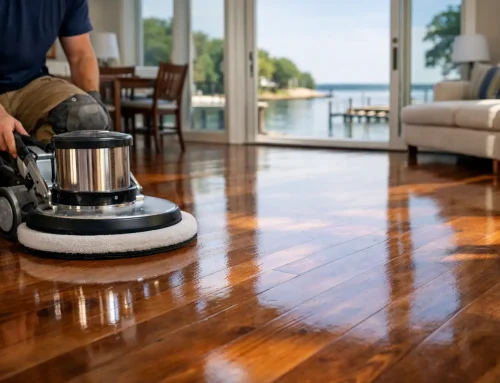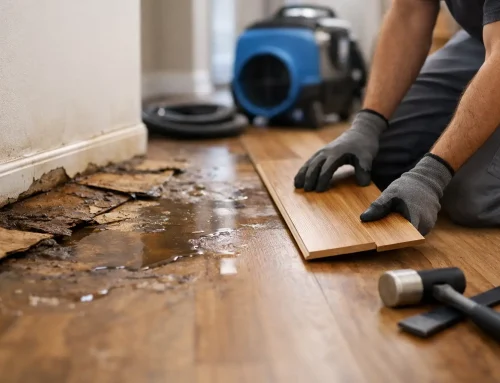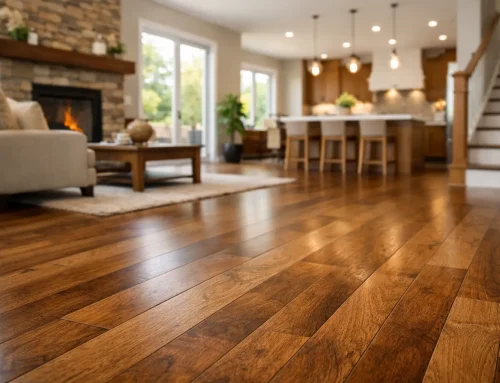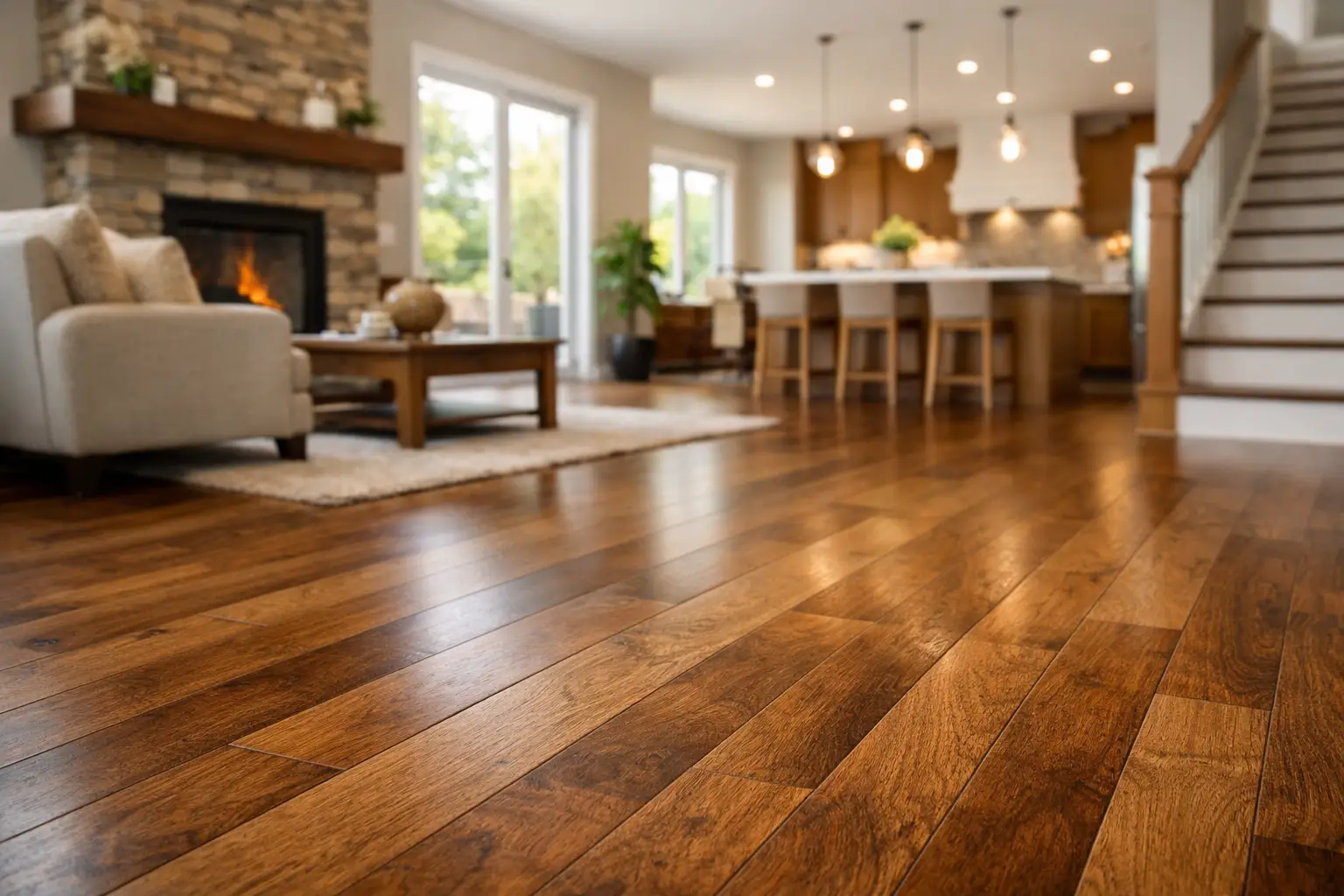
A hardwood floor rarely asks for attention all at once. It starts with traffic lines near the kitchen, a dulled finish by the entry, a few shallow scratches under dining chairs, and a general loss of depth that makes the whole room feel flatter than it should. Choosing the best wood floor restoration products means understanding what has actually worn away – the finish, the color, or the wood itself – before you put anything on the surface.
That distinction matters. The right product can restore richness, improve protection, and buy your floor years of additional life. The wrong one can leave buildup, uneven sheen, adhesion problems, or a temporary cosmetic fix that makes professional refinishing harder later. For homeowners who value hardwood as a long-term architectural feature, not just a floor covering, product selection should be approached with the same care as the original installation.
How to Choose the Best Wood Floor Restoration Products
The best product for your floor depends first on the condition of the existing finish. If the boards are structurally sound and the wear is mostly cosmetic, a restorative cleaner, refresh coat system, or maintenance finish may be enough. If the finish has worn through to bare wood, or if the floor shows deep black staining, cupping, pet damage, or widespread discoloration, no bottle will substitute for sanding and refinishing.
Finish type also matters. Many older floors carry oil-based polyurethane, while newer systems may be waterborne polyurethane, aluminum oxide factory finishes, wax, or penetrating oil. Products that perform beautifully over one finish can fail over another. Wax-based restorers, for example, may add temporary sheen, but they can create major complications if the floor later needs a new polyurethane coat. That is why the first question is not, “What product is popular?” but rather, “What finish is on the floor now, and what result are we trying to achieve?”
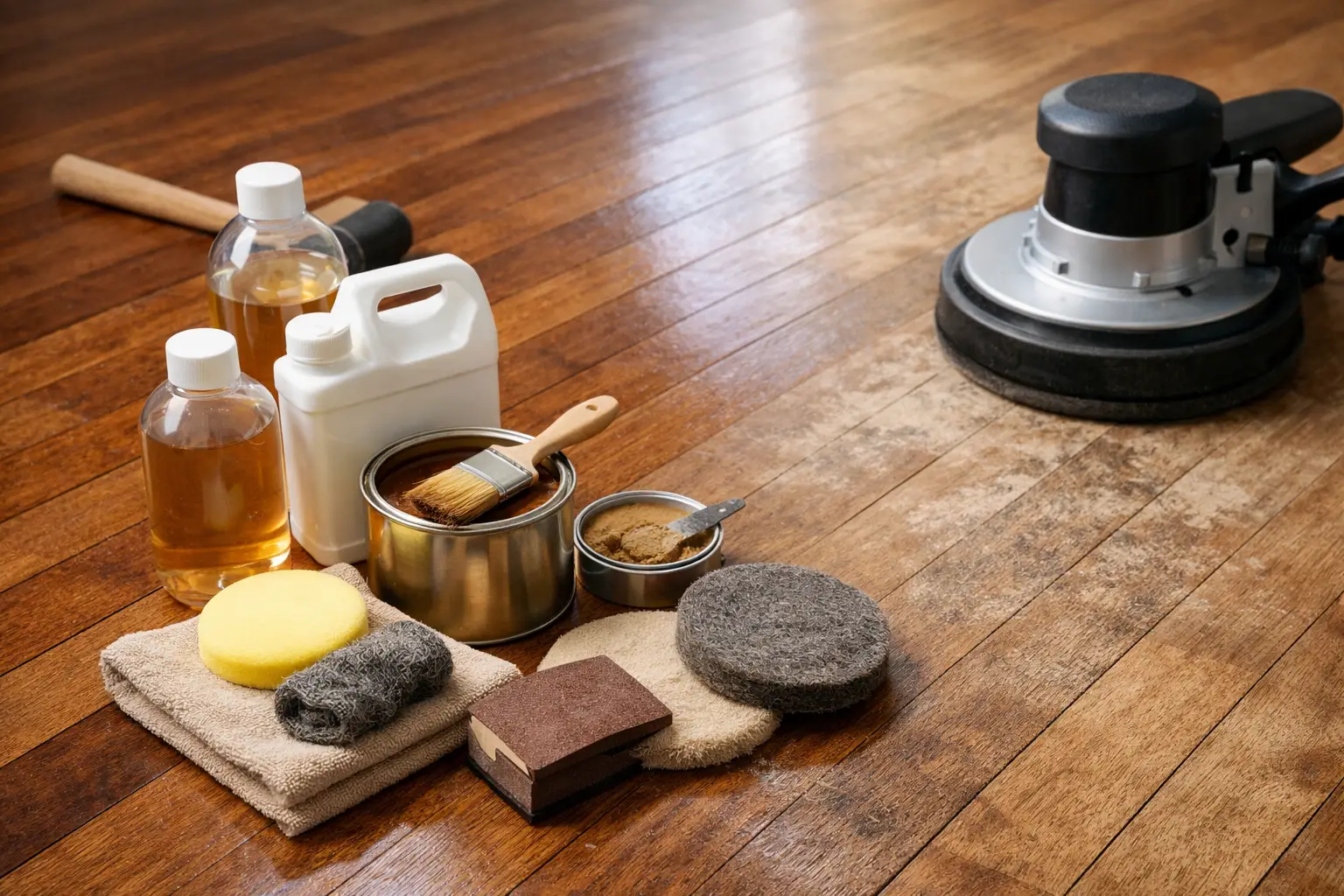
For most homes, restoration products fall into three practical categories: cleaners that remove residue and revive clarity, refresher products that improve sheen and surface protection, and repair products for scratches, gaps, or isolated damage. Each has a place, but none should be treated as a cure-all.
Cleaners That Restore Clarity Without Causing Damage
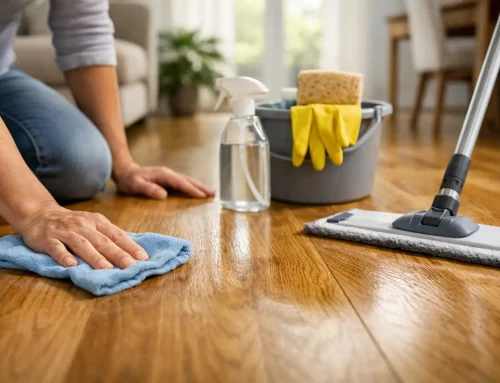
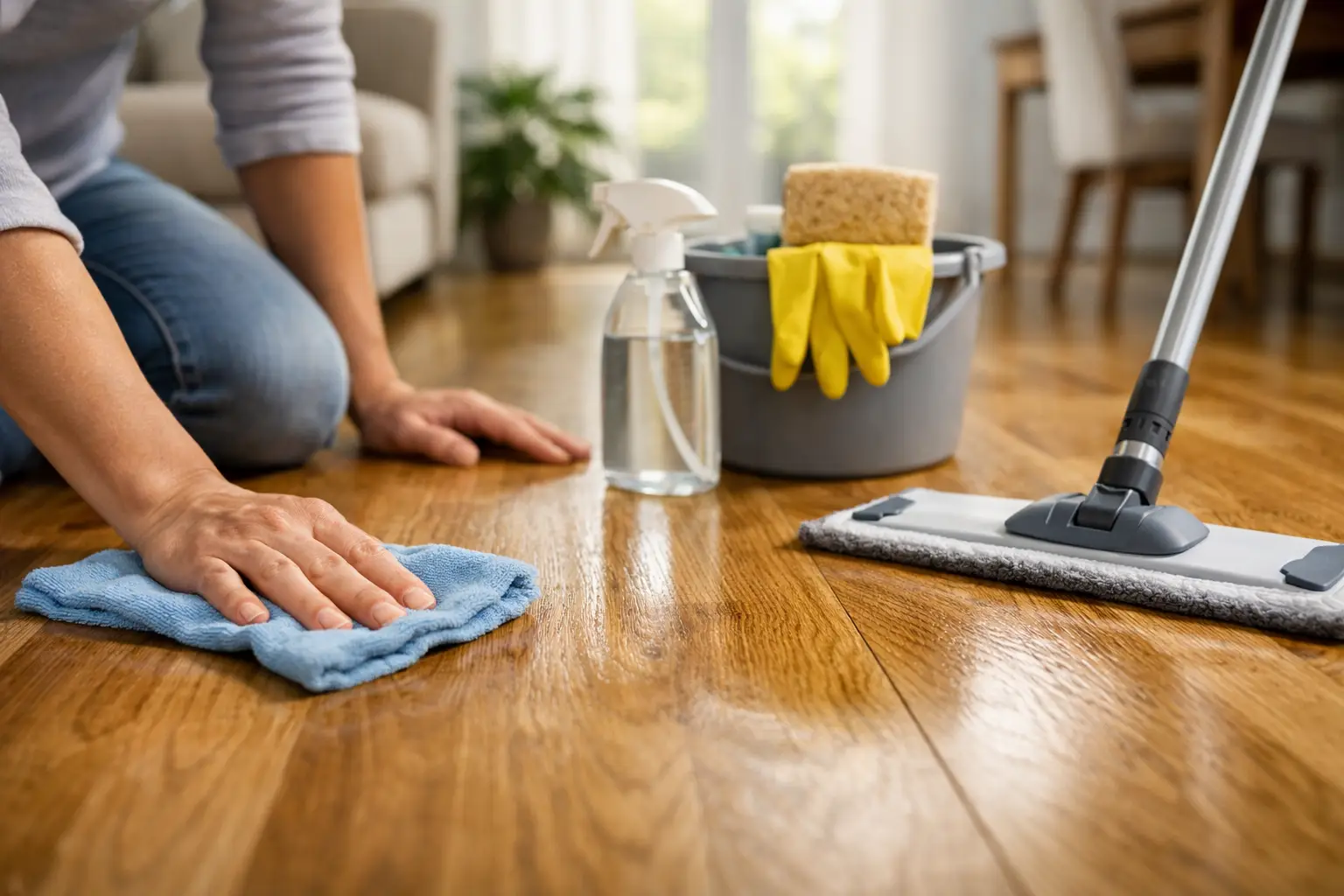
The most overlooked restoration product is the right cleaner. Floors often look tired not because the finish has failed, but because layers of residue from soaps, acrylic polishes, or incompatible cleaners have dulled the surface. A professional-grade hardwood cleaner formulated for finished wood can remove grime without softening the finish or leaving a film behind.
This is where homeowners often go wrong. Oil soap, vinegar and water, steam mops, and multi-surface sprays are still commonly used, even on premium hardwood floors. They may seem harmless in the short term, but repeated use can leave haze, drive moisture into seams, or interfere with future recoating. A proper hardwood floor cleaner should evaporate cleanly, leave no slippery residue, and be matched to the manufacturer recommendations whenever possible.
If your floor has lost its crisp reflection but still feels smooth and intact, start here. A thorough deep cleaning with the correct product can make a surprisingly dramatic difference, especially in homes with pets, children, or heavy daily traffic.
Best Wood Floor Restoration Products for Dull Finishes
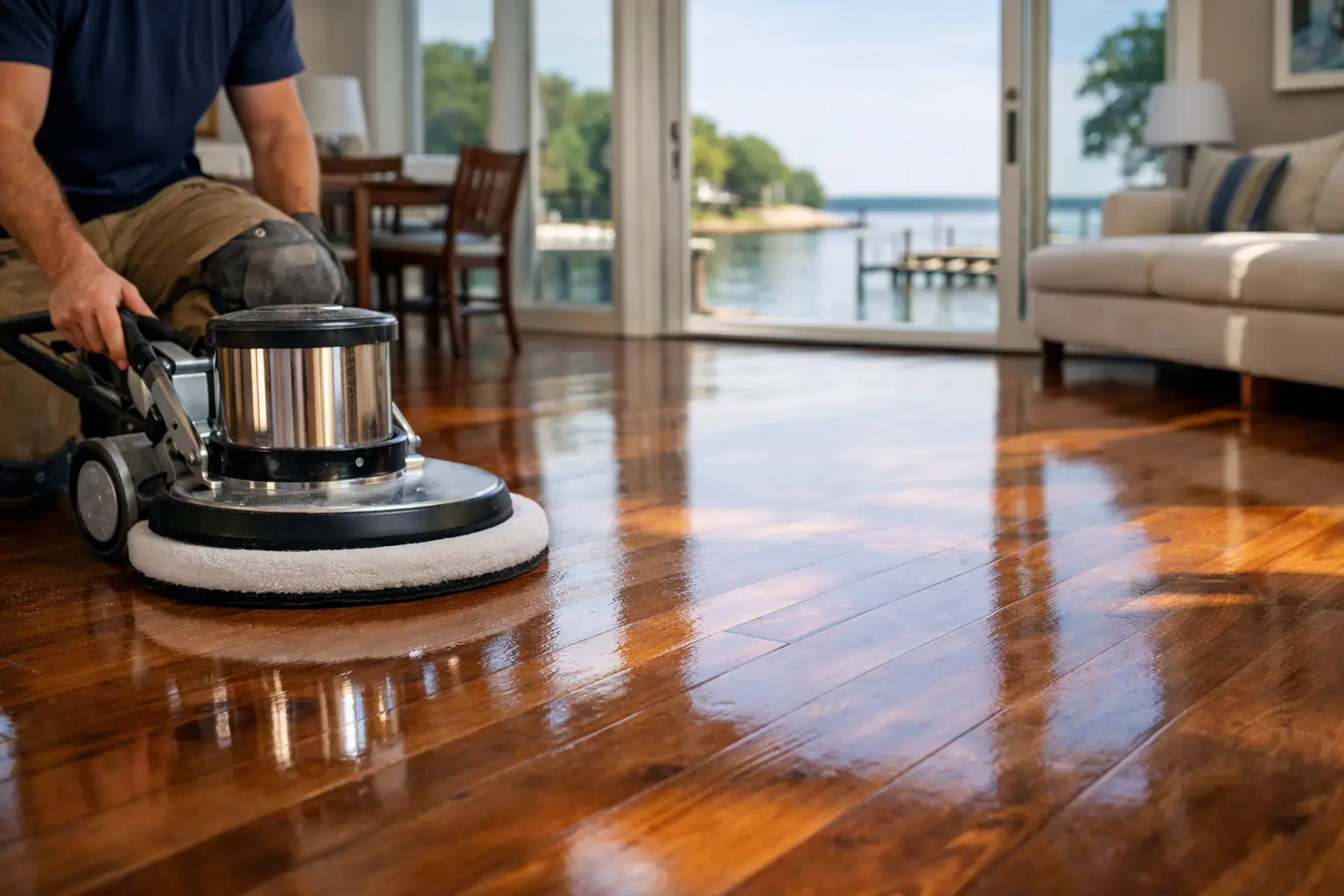
When a floor is clean but still looks flat, the next step may be a finish refresher or restorer. These products are designed to improve appearance and add a sacrificial layer of protection on top of an existing finish. The better ones level minor scuffs, enhance sheen, and create a more uniform look across worn areas.
A water-based refresher is usually the safer choice for most modern hardwood floors because it tends to have lower odor, easier cleanup, and better compatibility with contemporary low-VOC maintenance practices. It can be a sensible option for a floor that has light wear in pathways but no exposed raw wood. Some professional-grade products are specifically designed as interim maintenance coatings, and those are generally preferable to high-gloss consumer polishes that promise dramatic transformation in one pass.
That said, there is a trade-off. Many off-the-shelf “restoration” products are really appearance enhancers, not long-term finish systems. They can improve the look of a floor for a time, but if they leave acrylic buildup or an unknown film, they may complicate screening and recoating later. For a homeowner preserving a quality hardwood floor, that is not a small issue. A short-term shine should never come at the expense of future restoration options.
Scratch Repair Products and Spot Treatments
Not every floor problem requires treating the entire room. For isolated wear, targeted repair products can be highly effective. Wood floor markers, fill sticks, colored putties, and repair waxes can visually soften scratches and small dents, especially on darker species such as walnut or stained oak. They are most useful when the damage is limited and the surrounding finish is still in good shape.
The key is restraint. Overfilling, using the wrong color, or applying a glossy patch to a satin floor often draws more attention to the repair. A careful, color-matched touch-up should disappear into the floor, not announce itself. Deeper gouges, missing finish over larger areas, or repeated damage near thresholds and chair legs usually point to a broader maintenance issue that spot products alone will not solve.
For minor scratches that affect only the finish layer, a quality touch-up system can extend the visual life of the floor quite well. For scratches that cut into stained wood, results depend on species, stain color, and lighting. Those cases require a more practiced hand.
When Oil-Based, Water-Based, or Wax Products Make Sense
This is where product selection becomes more technical. Water-based restoration products are generally cleaner, lower in odor, and better aligned with modern indoor air quality expectations. They are often the right fit for homeowners who want a maintenance solution with minimal disruption.
Oil-based products can enrich color and deepen the look of certain older floors, particularly those with warm-toned wood and traditional finishes. But they come with longer cure times, stronger odor, and in some cases more ambering. They can still be appropriate, but they should be selected deliberately, not by habit.
Wax products are more specialized. They can be appropriate for historic floors that were originally finished and maintained with wax, and in those settings they can produce exceptional character and depth. But wax is not universally compatible with modern recoating systems. On a floor that may later need a polyurethane maintenance coat, wax can become a problem. For many homeowners in older properties across Maryland and the D.C. region, this is exactly the kind of detail that separates a thoughtful restoration plan from an expensive misstep.
What the Best Products Cannot Fix
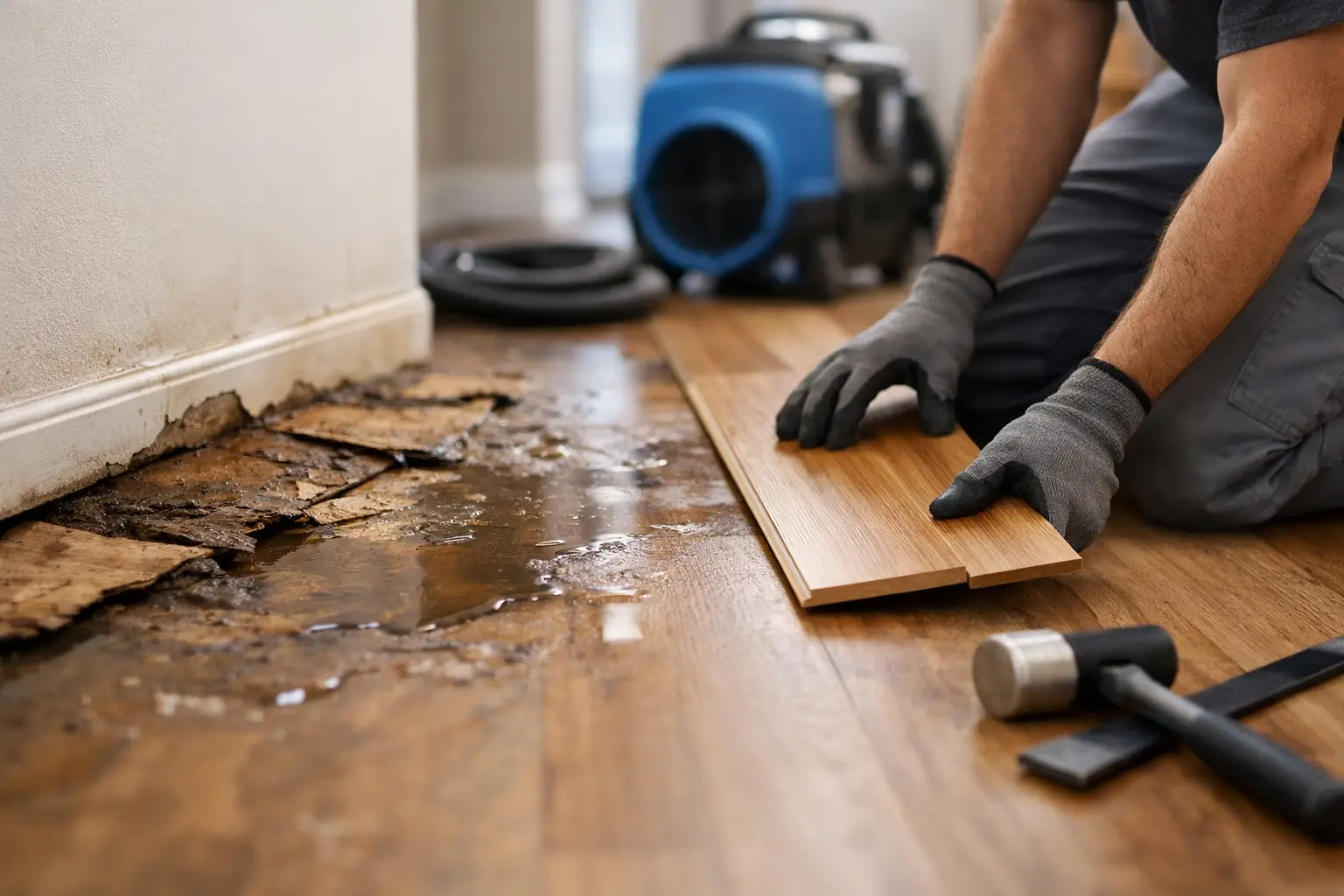
No restoration product can reverse finish failure where the wood is already exposed and absorbing damage. If water spots have turned black, if pet stains have penetrated deeply, if boards are splintering at edges, or if sunlight has unevenly bleached large sections, topical products are unlikely to deliver a satisfying result.
Likewise, no cleaner or refresher will correct cupping, crowning, movement from moisture imbalance, or poor prior workmanship. Those conditions require diagnosis first. Sometimes the right answer is a professional screen and recoat. Sometimes it is a full refinish. And occasionally, especially with severe structural damage, board replacement becomes part of the repair.
That is why truly good advice around the best wood floor restoration products is never just about products. It is about timing. Applying a restorer to a floor that really needs refinishing often delays the proper fix while reducing the quality of the eventual outcome.
A Better Standard for Restoring Hardwood Floors
The most successful floor restoration work is measured not by how glossy the surface looks on day one, but by whether the floor continues to age well. A product should preserve options, respect the existing finish system, and support the long life of the wood beneath it. That standard is especially important in homes with wide-plank flooring, reclaimed wood, custom stains, or older hardwood that carries both monetary and architectural value.
For many homeowners, the best path is simple: begin with a professional assessment, confirm the finish type, and choose the least invasive product that genuinely solves the problem. Sometimes that means a high-quality cleaner and a maintenance coat. Sometimes it means skipping retail products altogether and moving straight to a professional recoat using modern low-VOC finishes. At Royal Oaks Flooring, that kind of restraint is part of craftsmanship. Good restoration is not about selling the most product. It is about protecting the floor.
If your hardwood still has life in the finish, the right restoration product can refresh its beauty and extend its service for years. If it has moved beyond that stage, knowing when not to reach for a bottle may be the decision that preserves the floor best.