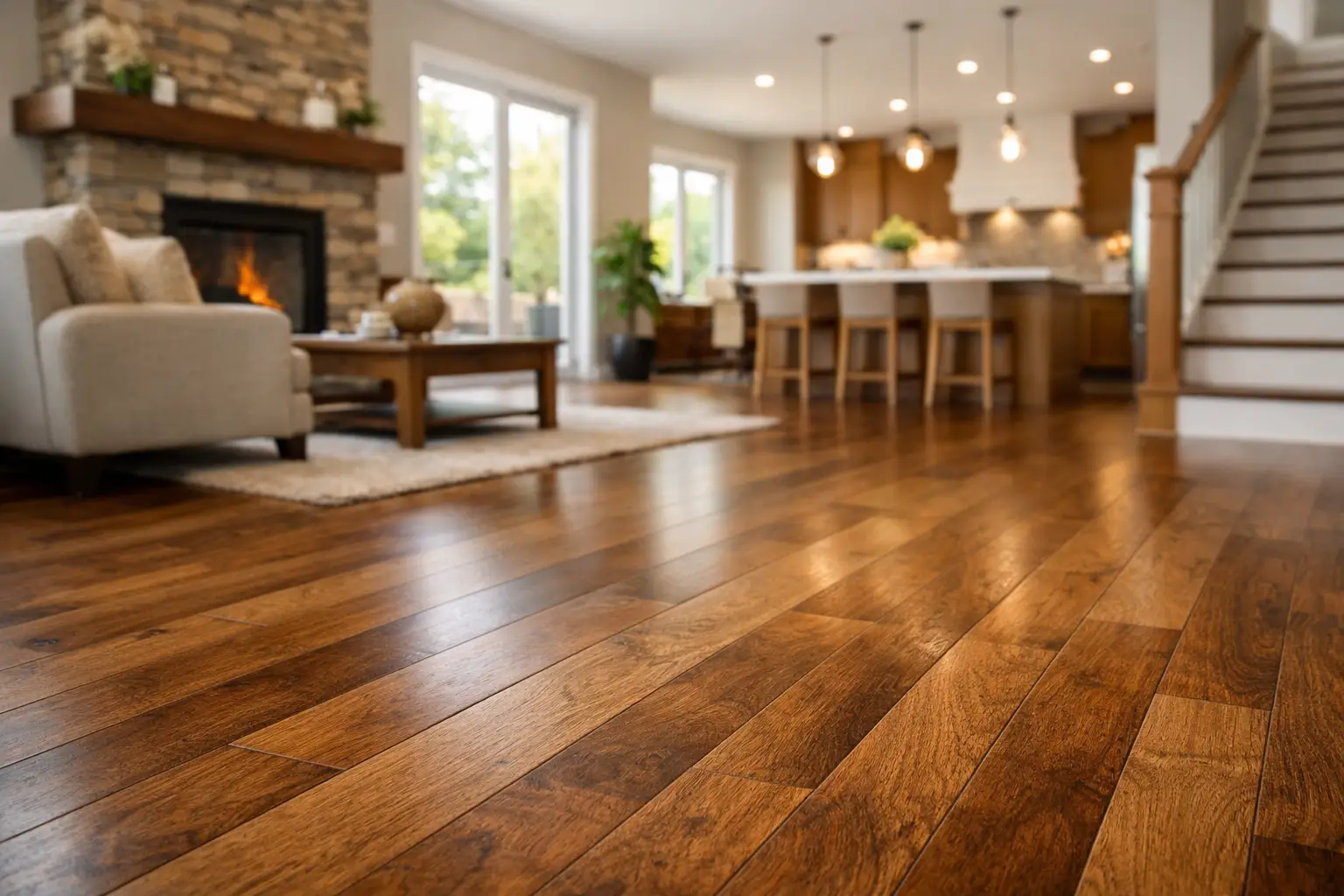
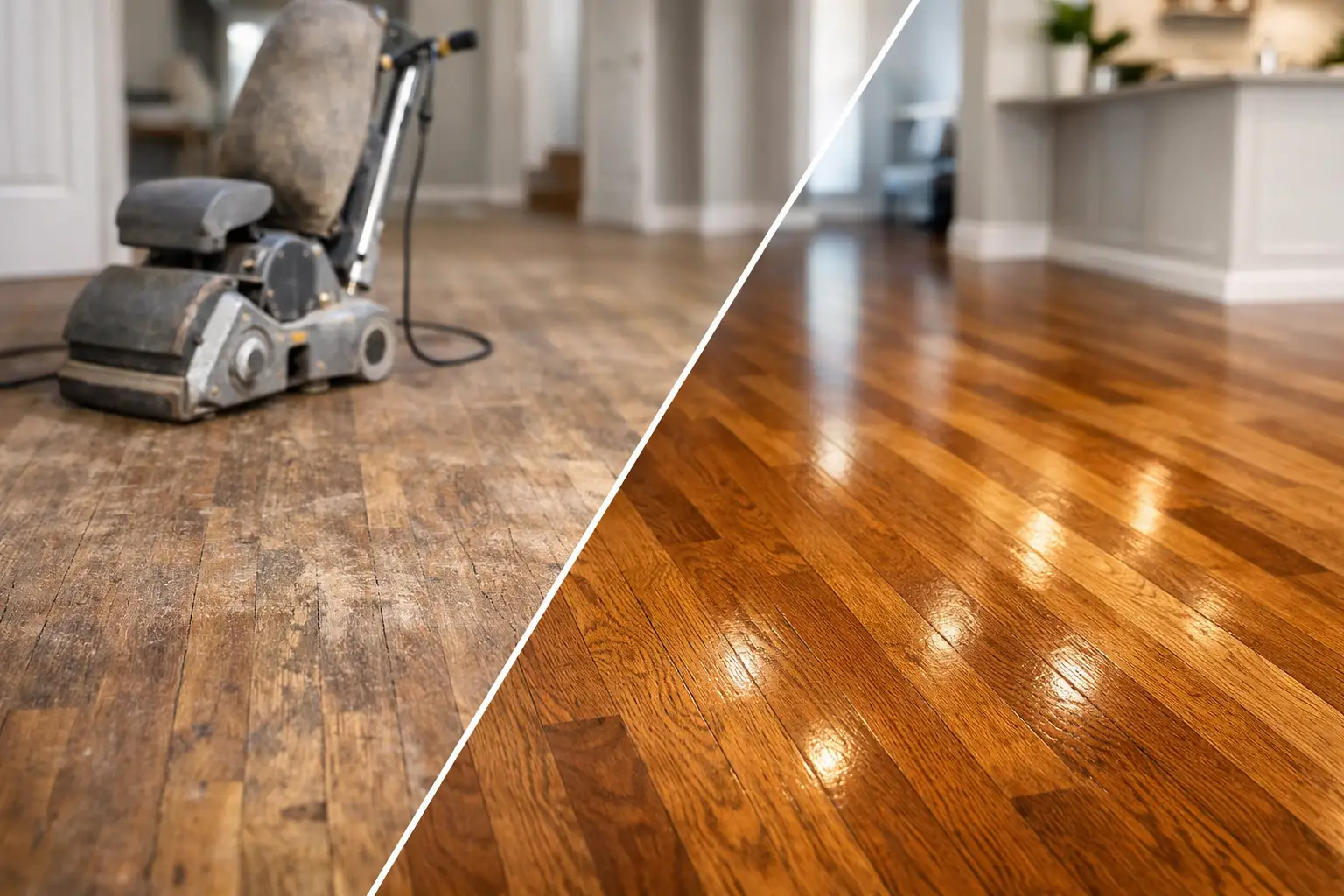
A floor rarely asks for attention all at once. It gets there gradually – traffic lanes turn dull, sunlight fades the color near windows, old finish clouds over, and small scratches start catching the light. Then one day the room feels tired, even if everything else in it is well designed. That is why wood floor refinishing before and after can be so striking. The transformation is not cosmetic in a shallow sense. It restores clarity, color, definition, and the architectural presence that hardwood is supposed to bring to a home.
For homeowners investing in quality interiors, the appeal of refinishing is not just that a floor looks newer. It is that the wood itself can reemerge. Good hardwood has depth, grain movement, and natural variation that often get buried under years of wear or outdated finish systems. When refinishing is done properly, those qualities return in a way that can change the entire tone of a space.
What wood floor refinishing before and after really means
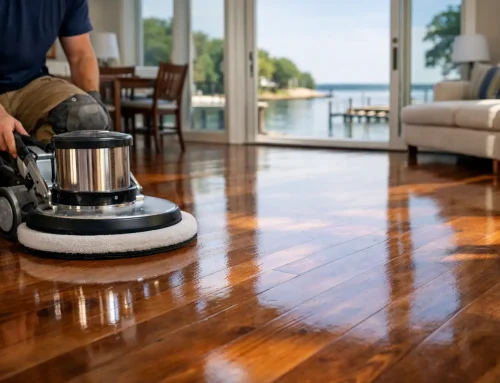
The phrase often suggests a dramatic visual reveal, and that part is real. But the most meaningful before-and-after difference is often technical. A worn floor may still be structurally sound, yet its finish has thinned, scratched, or aged to the point that the wood no longer reads cleanly. Sanding removes that damaged surface layer and creates a clean, even foundation. Stain, if chosen, adjusts tone. Finish then seals and protects the floor while shaping its final appearance.
This is why professional results look different from a floor that has simply been cleaned or polished. Dirt can be removed. Minor surface haze can be improved. But a floor with embedded scratches, uneven sheen, pet wear, blackened water marks, or orange-toned aging usually needs more than maintenance. Refinishing addresses the floor at the level where the problem actually lives.
In older homes, especially those with original oak or other traditional hardwoods, the before-and-after effect can be even more pronounced. A floor that seemed dated may simply be hidden under decades of wear, wax buildup, patchy spot repairs, or an old finish that has yellowed unevenly. Once stripped back and refinished with care, it often feels less like a replacement and more like a recovery of something the house should have been showing all along.
The biggest visual changes homeowners notice
When clients think about wood floor refinishing before and after, they usually expect smoother boards and a richer sheen. Those changes matter, but they are only part of the result.
The first major shift is color clarity. Even unstained natural floors gain cleaner definition after sanding because the surface is no longer filtered through damaged finish. Grain becomes more visible. Species character becomes easier to read. White oak, red oak, maple, walnut, and reclaimed boards each respond differently, which is why wood selection and existing floor condition should shape the refinishing approach.
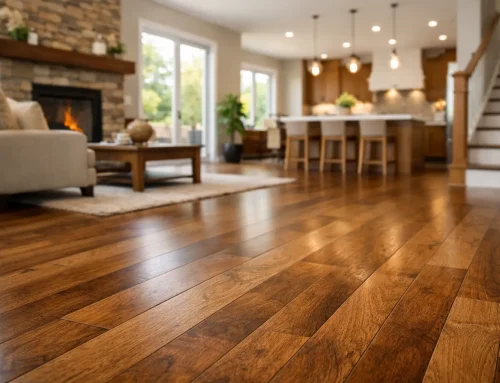
The second shift is light reflection. A scratched, uneven finish scatters light and makes the floor look tired. A newly finished surface reflects light more consistently, which can make rooms feel brighter, calmer, and more finished without changing furniture or wall color.
The third change is proportion. Floors cover a vast amount of visual real estate. When they are restored, ceilings can seem taller, trim appears crisper, and the room feels more intentional. Homeowners often expect to notice the floor itself. What surprises them is how much better the entire room looks around it.
Not every floor will look brand new after refinishing
This is where honest guidance matters. Refinishing can deliver dramatic improvement, but it does not erase every sign of a floor’s history. Deep gouges, older board repairs, gaps caused by seasonal movement, stains that have penetrated deeply into the wood, and sun-fading under old rugs may still leave some evidence behind.
That is not necessarily a flaw. In many homes, especially historic properties or rooms with reclaimed material, some visible character is part of what makes the floor compelling. The goal is not to strip away identity. The goal is to restore integrity, beauty, and protection while respecting the material.
A craftsman-led refinishing process also recognizes when full sanding is not the right answer. Some engineered floors have limited wear layers. Some antique floors have already been sanded multiple times over decades. Some isolated damage is better handled through board replacement and blending than aggressive sanding across the entire field. The best result comes from reading the floor honestly, not forcing a standard process onto every project.
Wood floor refinishing before and after by finish choice
The after photo is not created by sanding alone. Finish selection plays a major role in the final result.
A matte or low-sheen finish tends to emphasize a more natural, architectural look. It softens reflection, minimizes the appearance of small future scratches, and works especially well in homes that favor understated design. Satin remains a popular middle ground because it offers a gentle luster without looking overly glossy. Higher-sheen finishes can create a more formal appearance, but they also reveal dust, wear, and surface imperfections more readily.
Color decisions matter just as much. Some homeowners want to preserve the natural tone of the species. Others want to reduce red or orange undertones, deepen the wood for a more traditional effect, or move lighter for a cleaner contemporary palette. The right choice depends on the wood, the home’s architecture, and how the floor needs to relate to cabinetry, millwork, and natural light.
Modern low-VOC finish systems have also changed what homeowners can expect from a refinishing project. Better indoor air quality, faster dry times, and high-performance durability make it possible to achieve refined results without relying on outdated products that linger in the home far longer than they should.
When the before-and-after difference is worth the investment
Refinishing is often the right move when the floor has good bones but poor presentation. If the boards are solid, the installation is stable, and the primary issue is finish wear, refinishing usually delivers strong value. It allows homeowners to preserve quality material already in place while dramatically improving the look of the space.
It can also be the smarter choice when the alternative is replacement that disrupts adjacent rooms, trim, thresholds, or historic details. In many Maryland and D.C.-area homes, original hardwood contributes to the character and long-term value of the property. Preserving and restoring that material is often more aligned with the home than starting over with something entirely new.
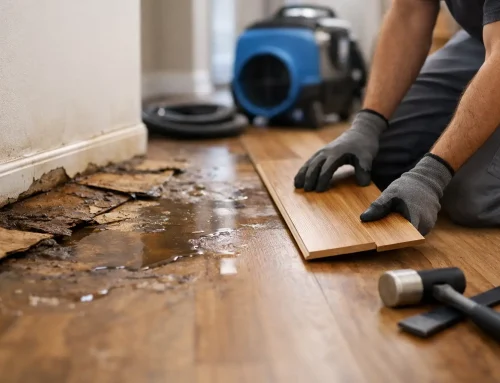
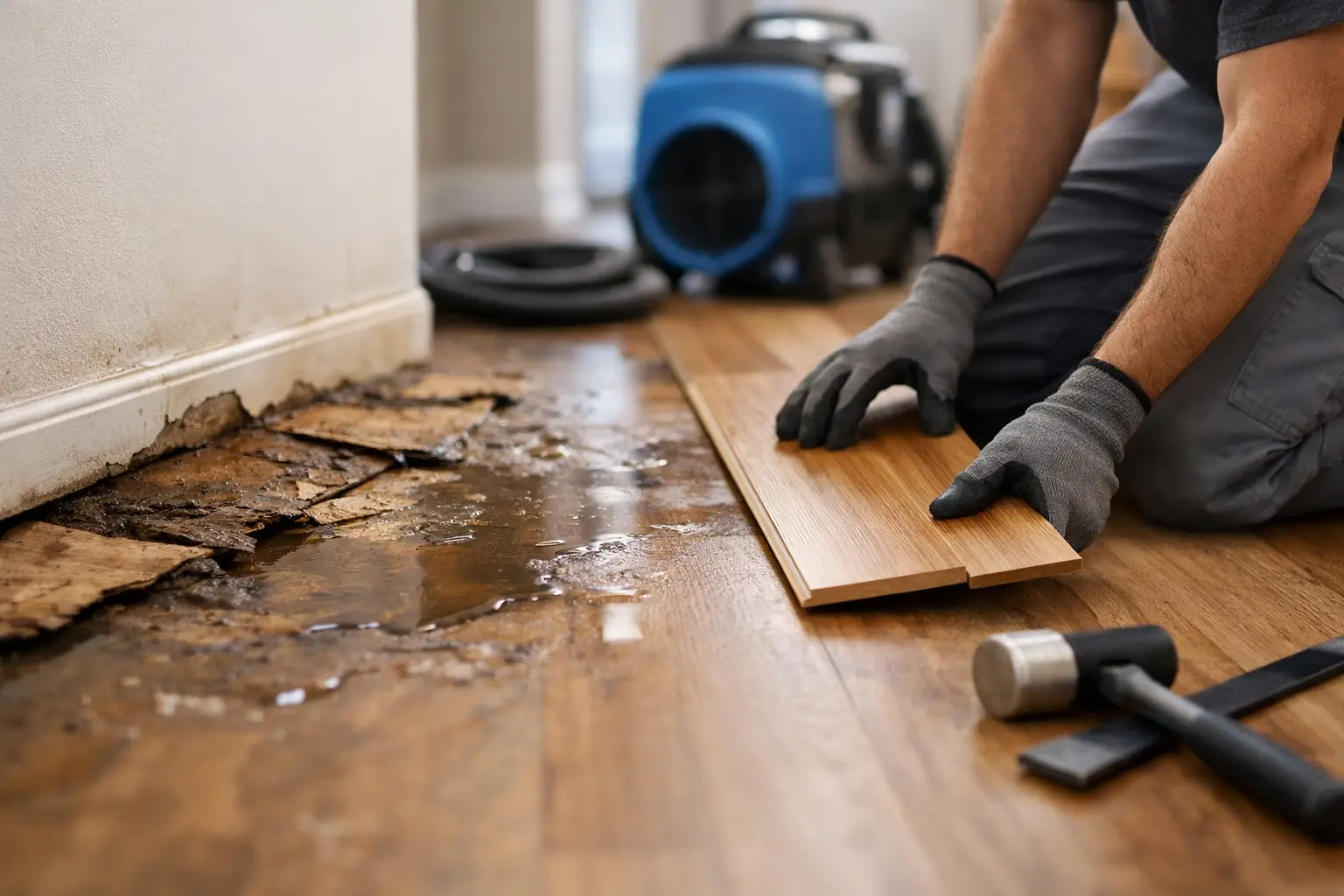
That said, refinishing is not always the answer. Severe water damage, extensive movement, major structural issues, or previous poor repairs may point toward partial replacement or a more comprehensive flooring plan. A trustworthy flooring specialist should say so plainly. Premium work begins with good judgment.
What separates an average result from an exceptional one
The best before-and-after transformations come from restraint and precision, not shortcuts. Flat, even sanding matters. Edge work matters. Dust control matters. Moisture conditions matter. So does the discipline to test stain, evaluate how the species is taking color, and apply finish consistently across the entire floor.
This is one reason homeowners with custom interiors or older homes often prefer a specialist rather than a general contractor handling flooring as one item on a larger punch list. Refinishing sits at the intersection of technical process and visual judgment. A floor can be fully sanded and coated yet still look ordinary if the prep was rushed, the stain was poorly matched, or the finish was chosen without regard to the room.
A truly successful result should feel balanced with the house. The floor should look richer, cleaner, and better protected, but it should also feel like it belongs – in scale, color, sheen, and character.
Setting realistic expectations before work begins
The strongest projects start with a clear conversation. Homeowners should know whether scratches are likely to disappear, whether dark stains may lighten but remain faintly visible, whether gaps are seasonal or structural, and how the chosen finish will read in daylight versus evening light.
They should also understand that freshly refinished floors often make surrounding surfaces look different. Trim may suddenly appear dingy. Wall color may read warmer or cooler. Furniture placement may need to be reconsidered because the floor now carries more visual presence. That is not a problem. It is often a sign that the room has regained one of its most important design elements.
For clients across the D.C. Metro region and Maryland’s Eastern Shore, this is where experienced guidance becomes especially valuable. Homes vary widely, from historic properties with original narrow-strip hardwood to newer residences with wider planks and modern finish expectations. The right refinishing plan should be tailored to the floor in front of you, not copied from a showroom sample.
A well-refinished wood floor does more than look better in photos. It changes how a home feels underfoot and how a room holds light throughout the day. The best after is not simply shinier than the before. It is truer to the wood, better suited to the home, and ready to serve beautifully for years to come.