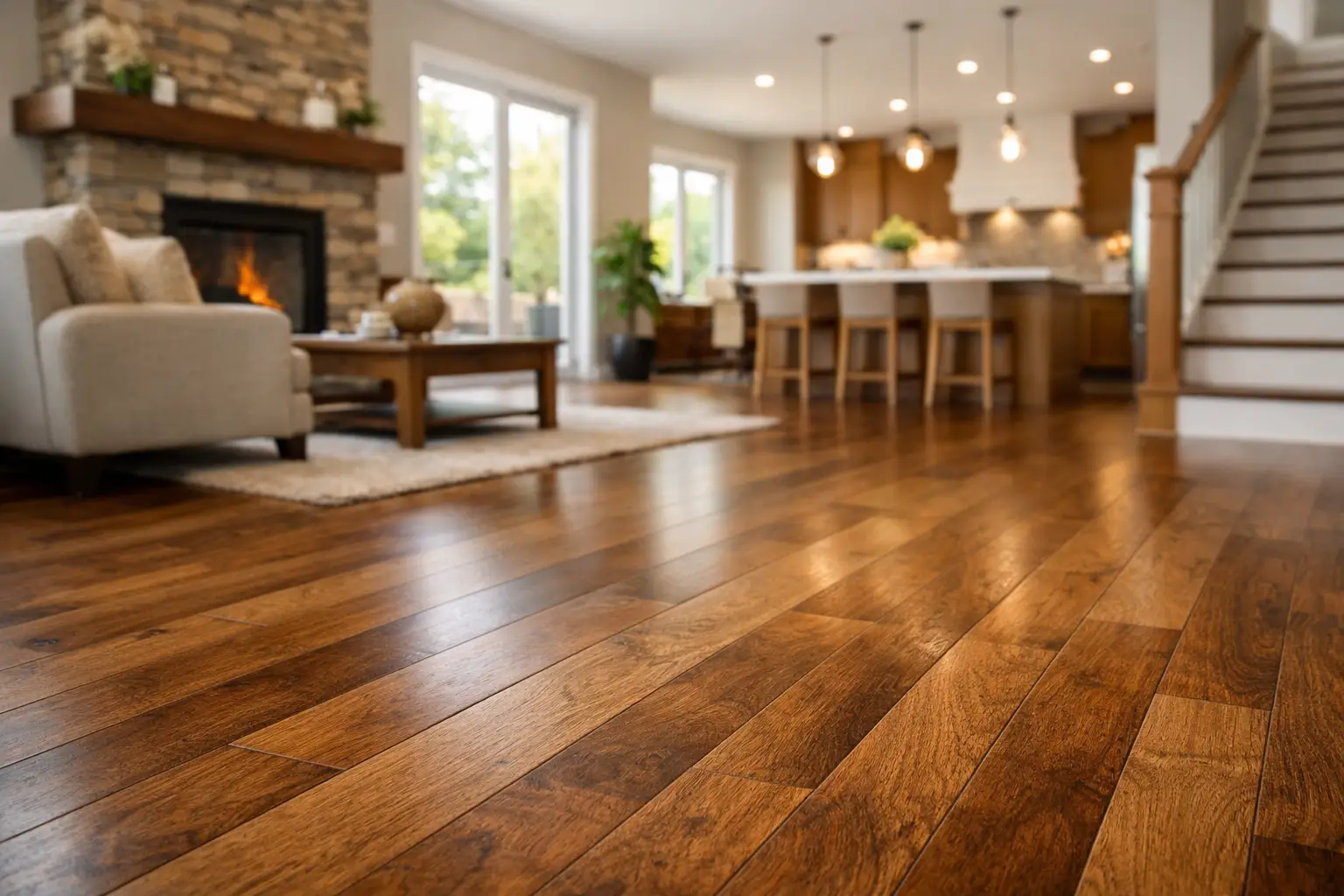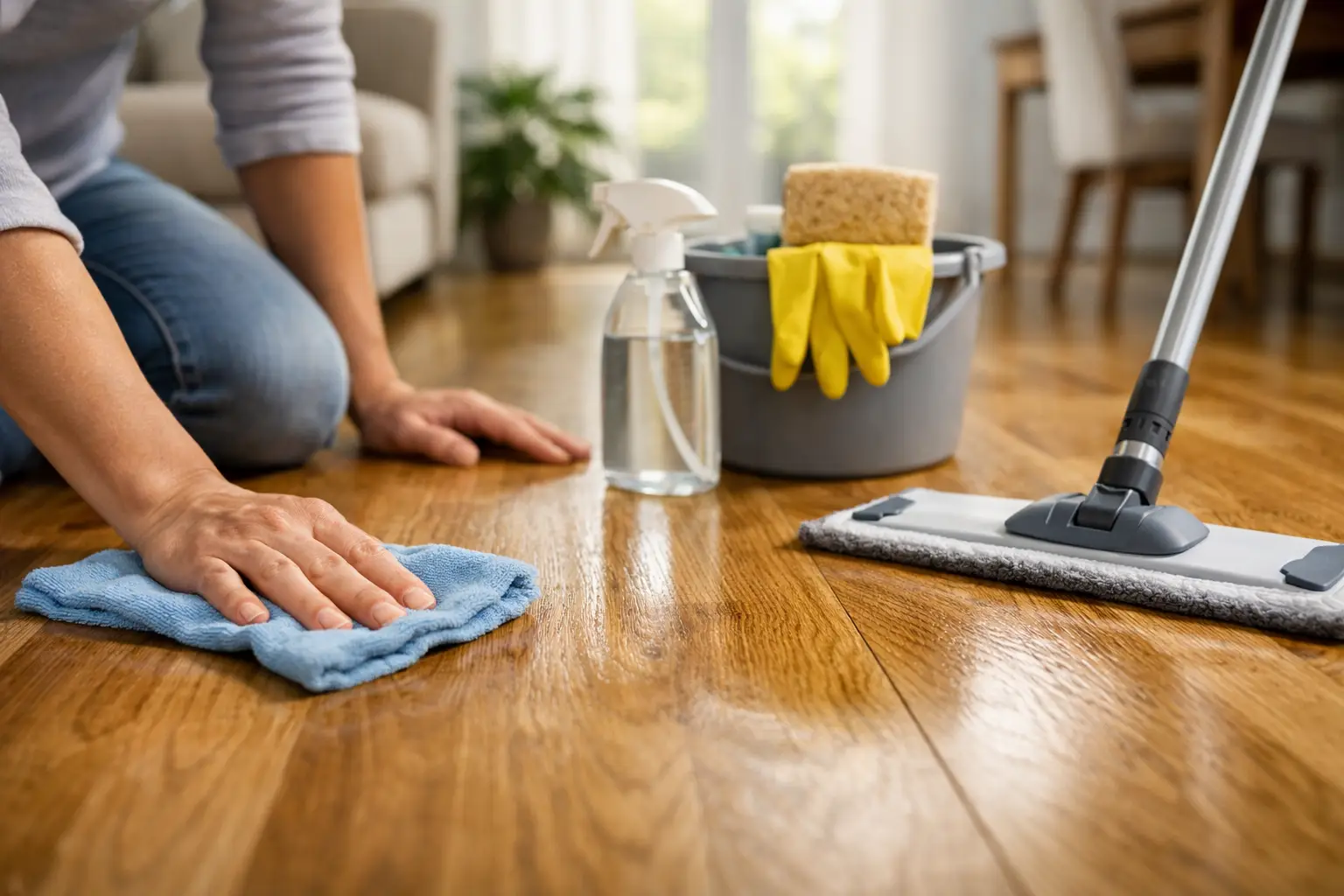
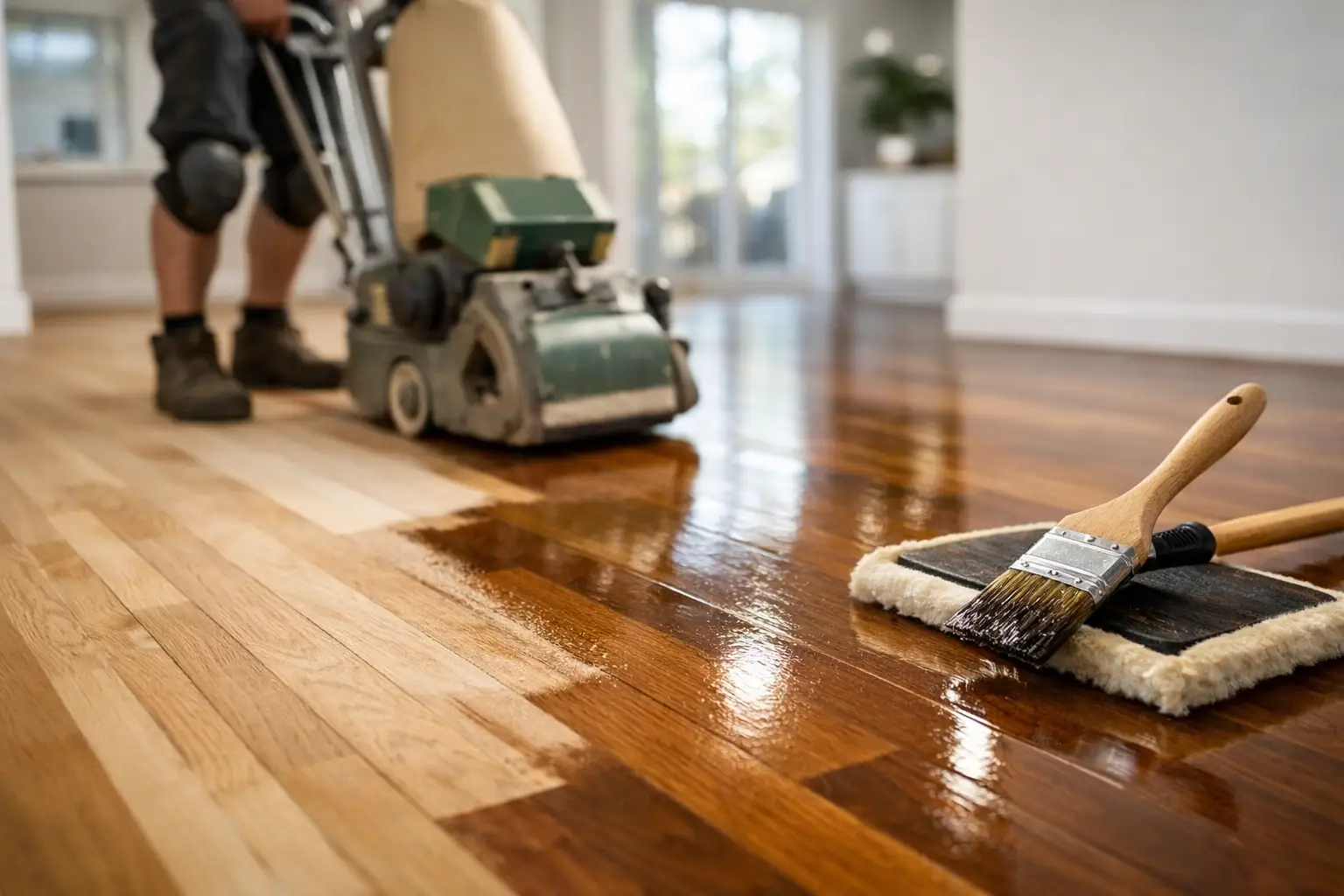
A hardwood floor can look tired long before it is truly worn out. Surface scratches, dull traffic lanes, fading near windows, and finish breakdown often make homeowners wonder whether the floor needs replacement. In many cases, the better answer is hardwood floor refinishing. If you are asking what is hardwood floor refinishing, it is the process of sanding away the old finish and a very thin layer of wood, then applying new stain if desired and new protective coats to restore beauty, color, and durability.
This is not a cosmetic shortcut. Done properly, refinishing is a skilled restoration process that can bring depth, clarity, and character back to a floor that still has years of life left in it.
What Is Hardwood Floor Refinishing and What Does It Actually Do?
Refinishing restores the wear surface of a solid hardwood floor and, in some cases, an engineered hardwood floor with a thick enough top layer. The goal is not simply to make the floor shinier. It is to remove accumulated wear, correct many surface imperfections, and rebuild the protective finish that shields the wood from daily use.
That distinction matters. A floor may look scratched because the finish is damaged, not because the wood itself is failing. Refinishing addresses that upper layer, giving the floor a fresh start without removing and replacing the boards.
For homeowners investing in quality interiors, this can be one of the most cost-effective ways to transform a room. Original oak, maple, walnut, cherry, and reclaimed wood floors often have a richness that is difficult to replicate with new mass-market materials. Refinishing preserves that value while improving performance.
How the Refinishing Process Works
The process begins with evaluation. A professional first determines whether the floor can be refinished at all. Board thickness, prior sanding history, structural movement, water damage, deep staining, and species all affect the plan. Historic and reclaimed floors require even more judgment because preserving character is part of the work.
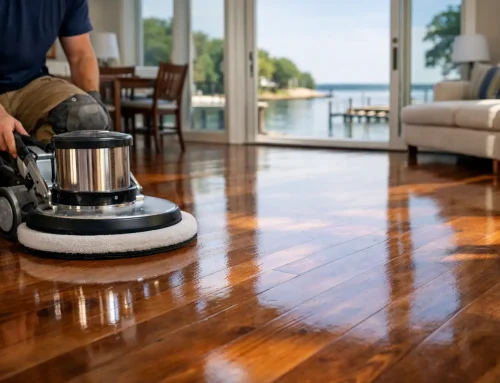
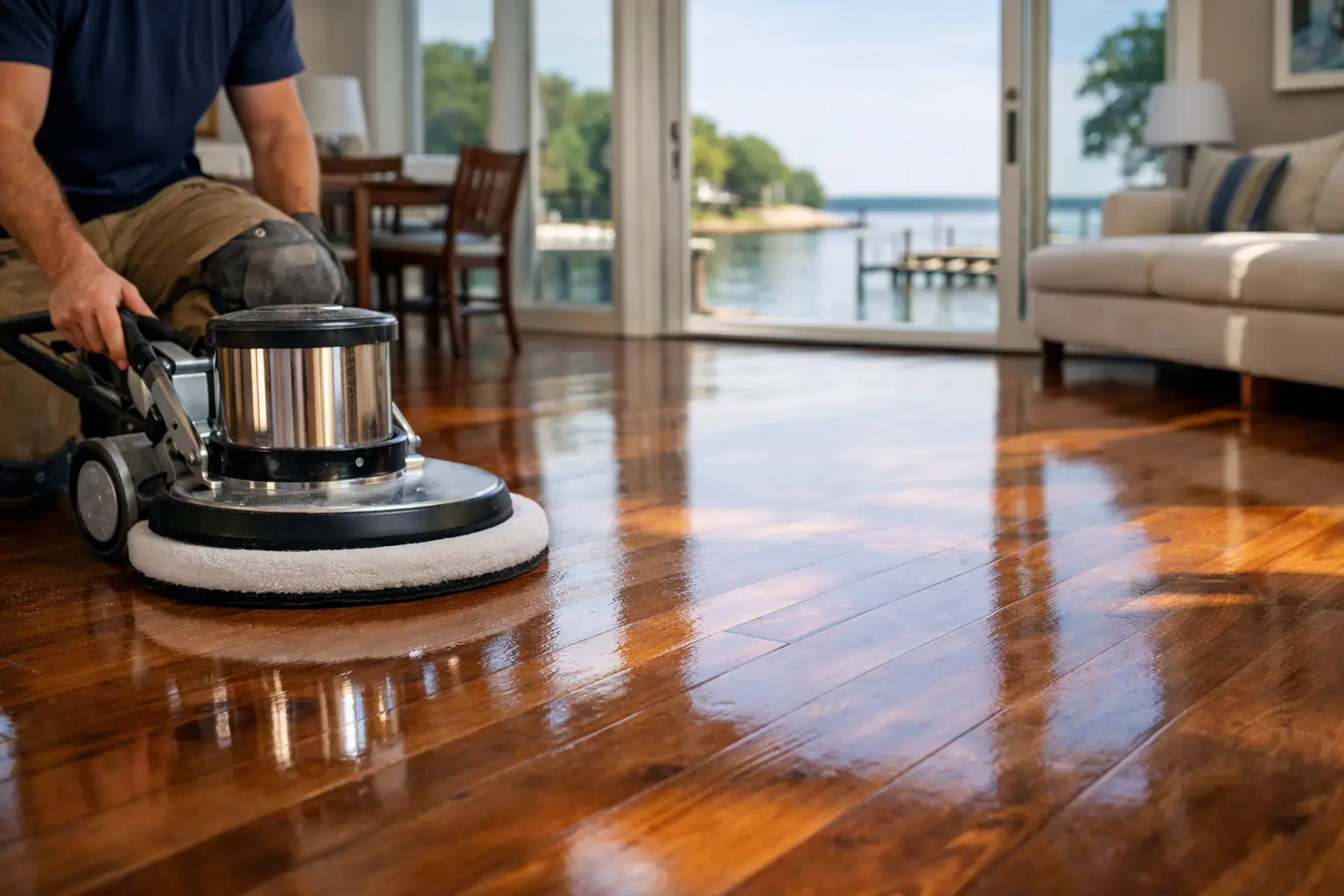
If the floor is a good candidate, the old finish is sanded off in stages using progressively finer abrasives. This is where craftsmanship matters most. Sanding is not just about removing finish. It is about flattening the floor carefully, blending edges, managing board variation, and avoiding chatter, waves, or drum marks that become painfully visible once stain and finish are applied.
After sanding, repairs may be made. That can include replacing damaged boards, addressing gaps where appropriate, resetting loose areas, or blending patched sections so they do not interrupt the overall appearance. Then the floor is cleaned thoroughly to remove dust and prep for finishing.
At that point, the homeowner may keep the natural wood tone or choose a stain color. Some prefer the quiet elegance of natural white oak or red oak. Others want a deeper custom tone that better suits a renovation or a historic home. Once the color decision is made, the finish system is applied.
Modern professional finishes are a major part of the result. High-performance, very low VOC products offer durability, faster dry times, and better indoor air quality than older finishing systems. The difference is not just technical. It affects how quickly a family can return to the space and how the home feels during the project.
Refinishing vs. Recoating vs. Replacing
Homeowners often use these terms interchangeably, but they are very different services.
Refinishing involves sanding the floor down and rebuilding the finish system. It is the right choice when scratches, discoloration, worn paths, or older finishes have gone beyond surface maintenance.
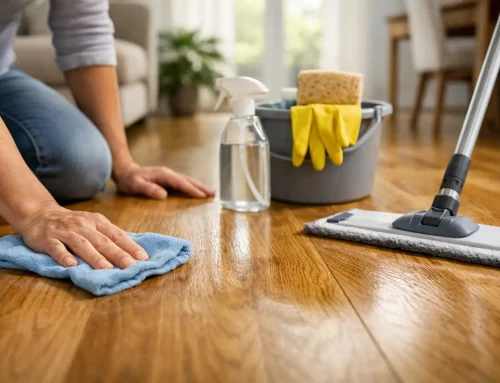
Recoating, sometimes called a screen and recoat, does not cut deeply into the wood. It lightly abrades the existing finish and adds a new topcoat. This works when the finish is dull or lightly worn but the wood beneath is still in good shape. It is less invasive and less expensive, but it cannot remove deeper scratches, stains, or major uneven wear.
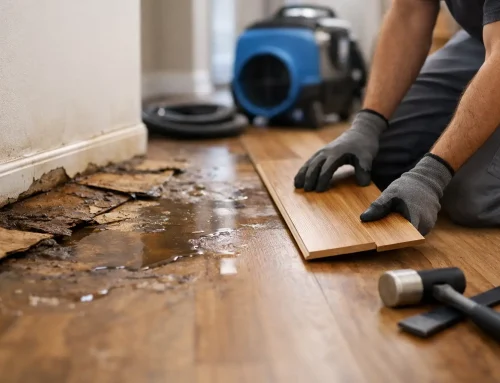
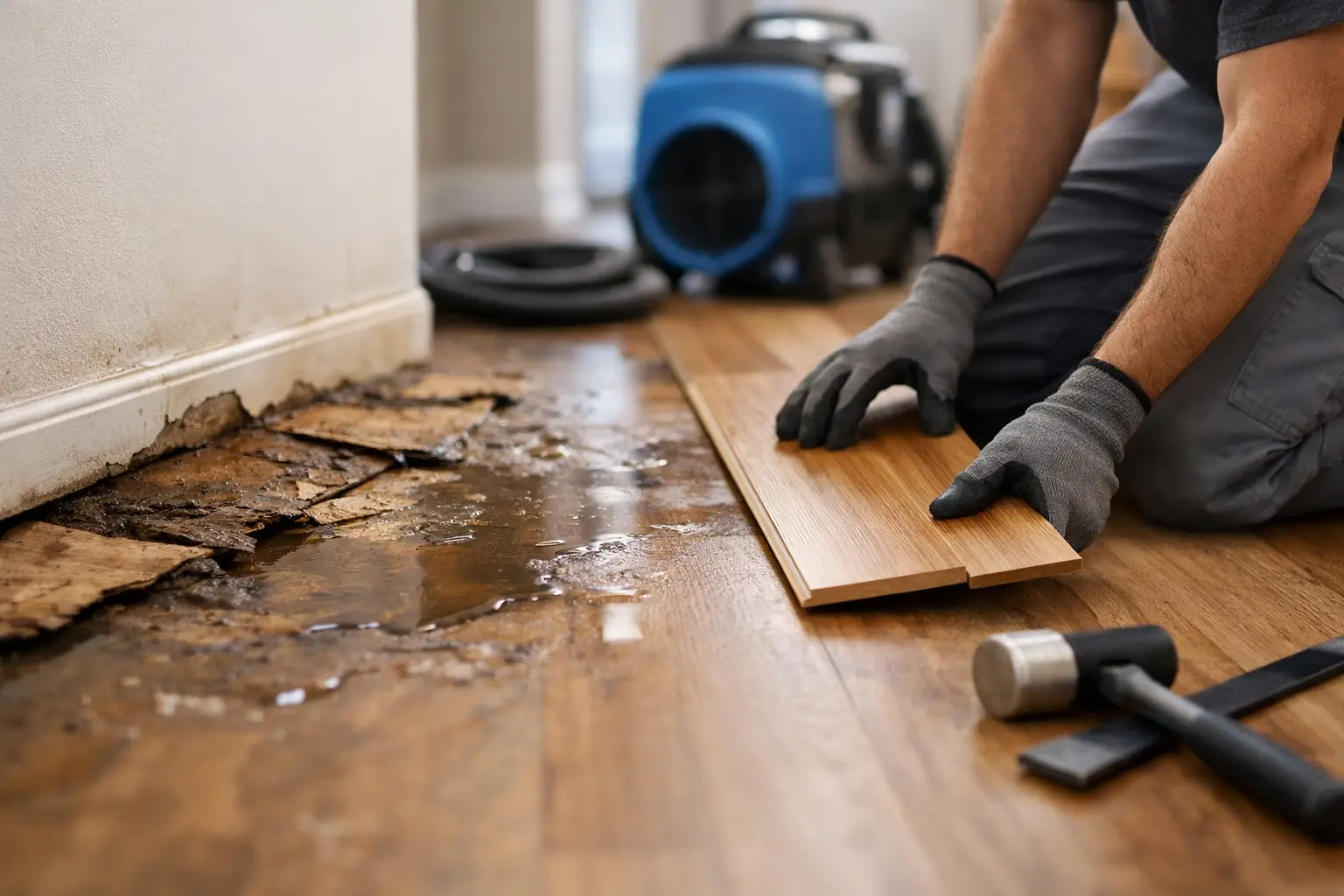
Replacement is usually reserved for floors with severe water damage, structural failure, extensive movement, or wear so advanced that there is not enough usable material left to sand. In a premium home, replacement may also be chosen when the existing floor does not match the design vision, but it should not be the default answer when quality hardwood can still be restored.
When Refinishing Makes Sense
A floor is often ready for refinishing when the finish has visibly broken down in traffic areas, scratches are widespread, the sheen has become uneven, or the color feels dated relative to the rest of the home. Sun fading, pet wear, minor cupping that has stabilized, and old orange-toned finishes are also common reasons homeowners consider the project.
It depends, though, on the floor’s condition and the owner’s goals. If you love the character of an older floor but want it cleaner, richer, and more consistent, refinishing can be ideal. If you are expecting a heavily repaired floor to look factory-new, the conversation needs more nuance. A skilled refinishing job can make a floor beautiful, but natural wood still carries its history. For many homeowners, that is part of the appeal.
What Floors Can Be Refinished?
Most solid hardwood floors can be refinished multiple times over their lifespan. Traditional oak strip flooring is one of the best candidates, which is one reason it remains such a trusted material in older homes throughout Maryland, Washington, and Northern Virginia.
Engineered hardwood is more complicated. Some engineered floors have a thick enough real wood veneer to allow refinishing, while others do not. The thickness of the wear layer, the species, and the floor’s current condition all matter. This is where a professional assessment protects the homeowner from expensive guesswork.
Not every wood floor should be sanded aggressively. Hand-scraped floors, antique boards, stained reclaimed lumber, and specialty textured surfaces may require a more tailored approach. Preserving the visual character while renewing protection is often more valuable than making the surface look overly uniform.
What Results Should You Expect?
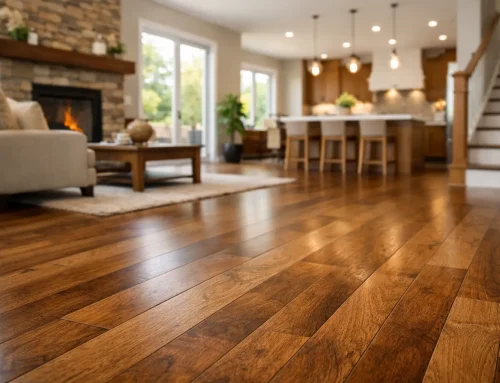
A properly refinished hardwood floor should look renewed, not artificial. Grain becomes more defined. Color feels richer and more intentional. Light reflects evenly across the surface. The room itself often appears cleaner, brighter, and more finished because the flooring stops competing with the rest of the design.
Durability improves as well. A quality finish helps resist routine wear, simplifies maintenance, and protects the wood from daily household use. That said, no finish is indestructible. Large dogs, grit from outdoors, chair movement, and standing moisture will still affect the floor over time. Refinishing resets the surface, but long-term performance still depends on how the floor is used and maintained.
The Trade-Offs Homeowners Should Know
Refinishing is valuable, but it is still a serious project. Furniture must be removed. Rooms may be unavailable for several days. Dry times vary depending on the finish system. Color selection requires care because stain can read differently depending on wood species, grain, and existing light in the home.
There is also the matter of expectation. Dark stains can be elegant, but they tend to show dust and scratches more readily. Very matte finishes can look beautifully understated, but they may reveal traffic patterns differently than higher-sheen options. The best choice is usually the one that fits the household, not just the photo inspiration.
This is why experienced guidance matters. Good refinishing is not only about operating sanding equipment. It is about helping homeowners choose a finish and color strategy that suits the architecture of the home, the character of the wood, and the realities of daily life.
Why Professional Refinishing Matters
Hardwood floor refinishing leaves little room for improvisation. Sand too much and you shorten the floor’s lifespan. Sand unevenly and the defects stay visible for years. Use the wrong stain method or finish schedule and the final appearance suffers.
Professional crews bring process, technical knowledge, and restraint. They know how different species absorb color, how board direction affects sanding, how humidity can influence finishing, and how to produce a clean, consistent result without sacrificing the integrity of the floor. For design-conscious homeowners, that level of execution is the difference between a floor that simply looks newer and one that truly elevates the space.
In many homes, the floor is the largest visible surface in the room. When it is done well, everything around it looks better.
What Is Hardwood Floor Refinishing Worth to a Homeowner?
It is worth more than a cosmetic upgrade. Refinishing protects an existing investment, preserves quality materials, and gives a home a renewed sense of craftsmanship. It can also postpone or eliminate the need for full replacement, which is often the more disruptive and more expensive path.
For homeowners who value timeless materials, refinishing is one of the clearest examples of restoration done right. Rather than discarding a floor with real substance, you renew it with precision and let the wood continue its life in the home.
If your hardwood floors have lost their luster but still have good bones, refinishing may be the moment when the house starts to feel complete again.