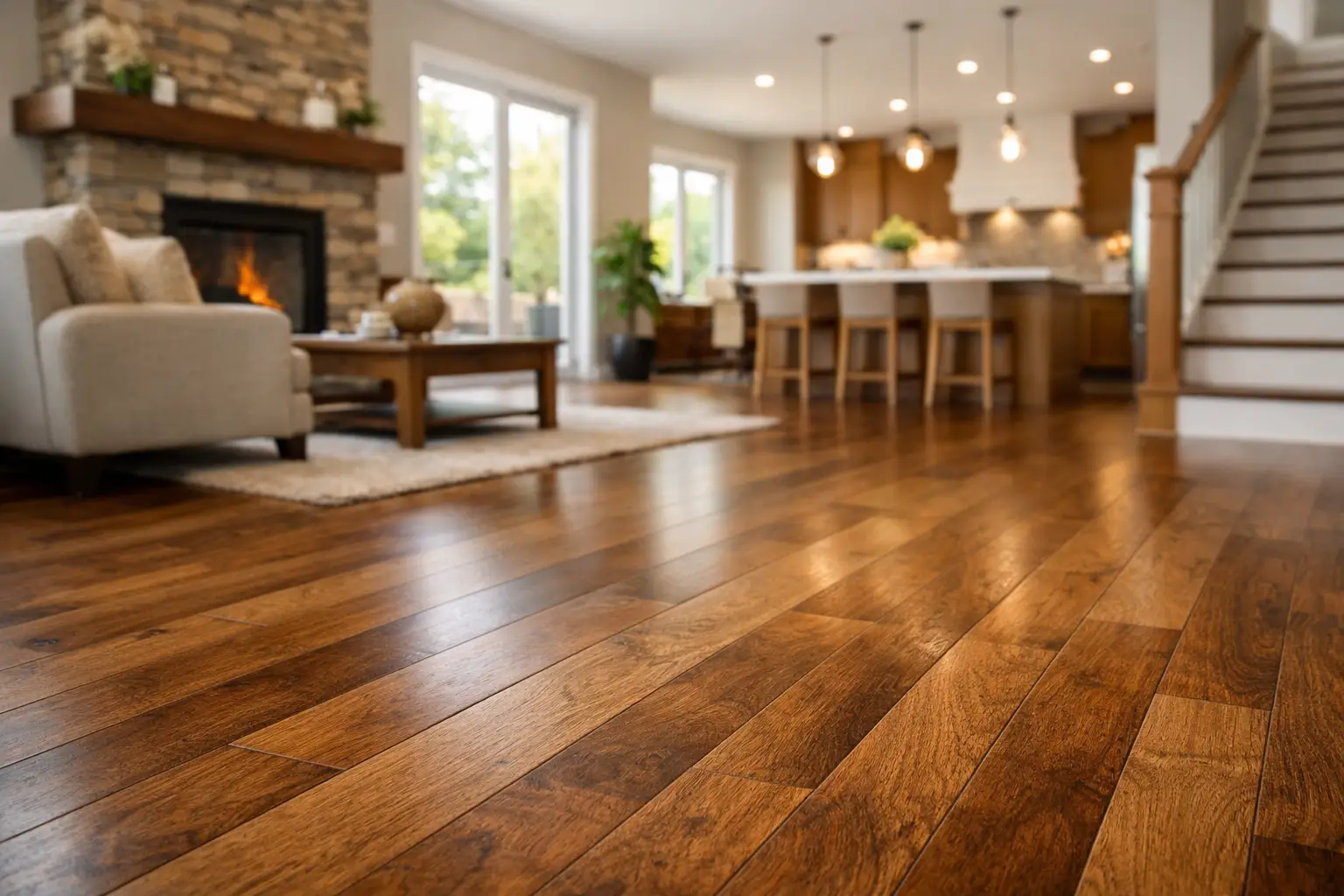
A hardwood floor can look tired long before it is truly worn out. Light scratches, dulled finish, and traffic patterns near entryways often make homeowners assume a full sanding project is the only answer. In many cases, wood floor refinishing without sanding is a legitimate solution – but only when the floor, the finish, and the level of wear make it the right one.
That distinction matters. A screen-and-recoat or chemical abrasion system can refresh a floor beautifully, restore clarity, and add a new protective layer with far less disruption than a full sand-and-finish. But it is not a shortcut for boards with deep damage, heavy cupping, black water stains, or finish failure down to bare wood. The value is in knowing which condition you actually have.
What wood floor refinishing without sanding really means
Homeowners often use this phrase to describe any process that improves an existing hardwood floor without aggressive drum sanding. In professional terms, it usually means one of two approaches. The first is a screen and recoat, where the existing finish is lightly abraded so a fresh coat can bond properly. The second uses a chemical bonding system or specialty prep product that allows a new topcoat to adhere without taking the floor down to raw wood.
Neither process reshapes the wood itself. That is the key difference. Traditional sanding removes the old finish and a thin layer of wood so scratches, minor unevenness, and previous stain color can be fully corrected. A non-sanding refinishing method works at the finish level, not the board level.
For the right floor, that can be a major advantage. You preserve more of the original material, reduce dust, shorten downtime, and often lower cost. For historic homes, older oak strip flooring, and well-maintained solid hardwood, that can be a very sensible path.
When wood floor refinishing without sanding is a smart option
A no-sand refinishing process works best when the finish is worn but the wood beneath is still in good condition. If the floor has surface scratches, slight dullness, or visible wear in common walking paths, a new coat can restore depth and protection without the disruption of a full sanding project.
This is especially useful in homes where the floor still has a consistent color and no major board damage. If your goal is to refresh the appearance rather than change the stain, flatten deep gouges, or correct years of neglect, the results can be excellent.
It also appeals to homeowners who care about preserving the integrity of older wood floors. Every full sanding removes some material. That is part of the trade. A carefully executed recoat extends the life of the floor while postponing the need for a more invasive restoration.
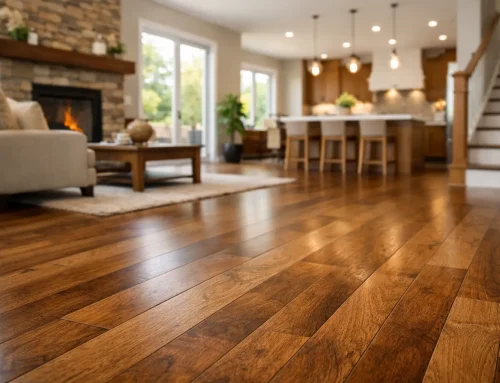
In design-conscious homes, this approach is often chosen because the finish has lost its richness rather than its structure. The boards are still handsome. They simply need renewed protection and a cleaner, more even sheen.
Signs your floor may be a good candidate
A good candidate usually has finish wear, not wood damage. The surface may look cloudy, lightly scratched, or slightly faded in high-traffic areas, but there are no deep cuts through the wood, no widespread bare patches, and no serious moisture issues.
Water drop testing can offer a clue. If a few drops of water bead briefly on the floor, some finish remains. If they soak in quickly and darken the wood, the wear may be too advanced in those areas for a simple recoat to perform well. That said, diagnosis should not rely on one small test alone. Finish type, contaminants, wax residue, and previous maintenance products all affect what can be done next.
When it is not enough
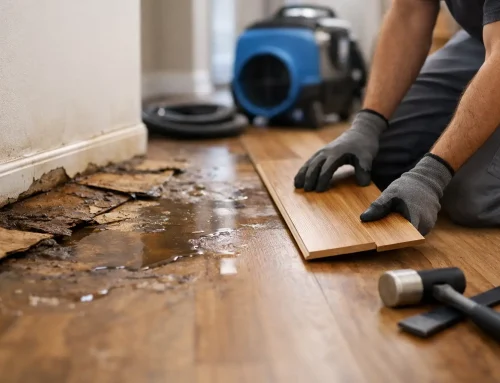
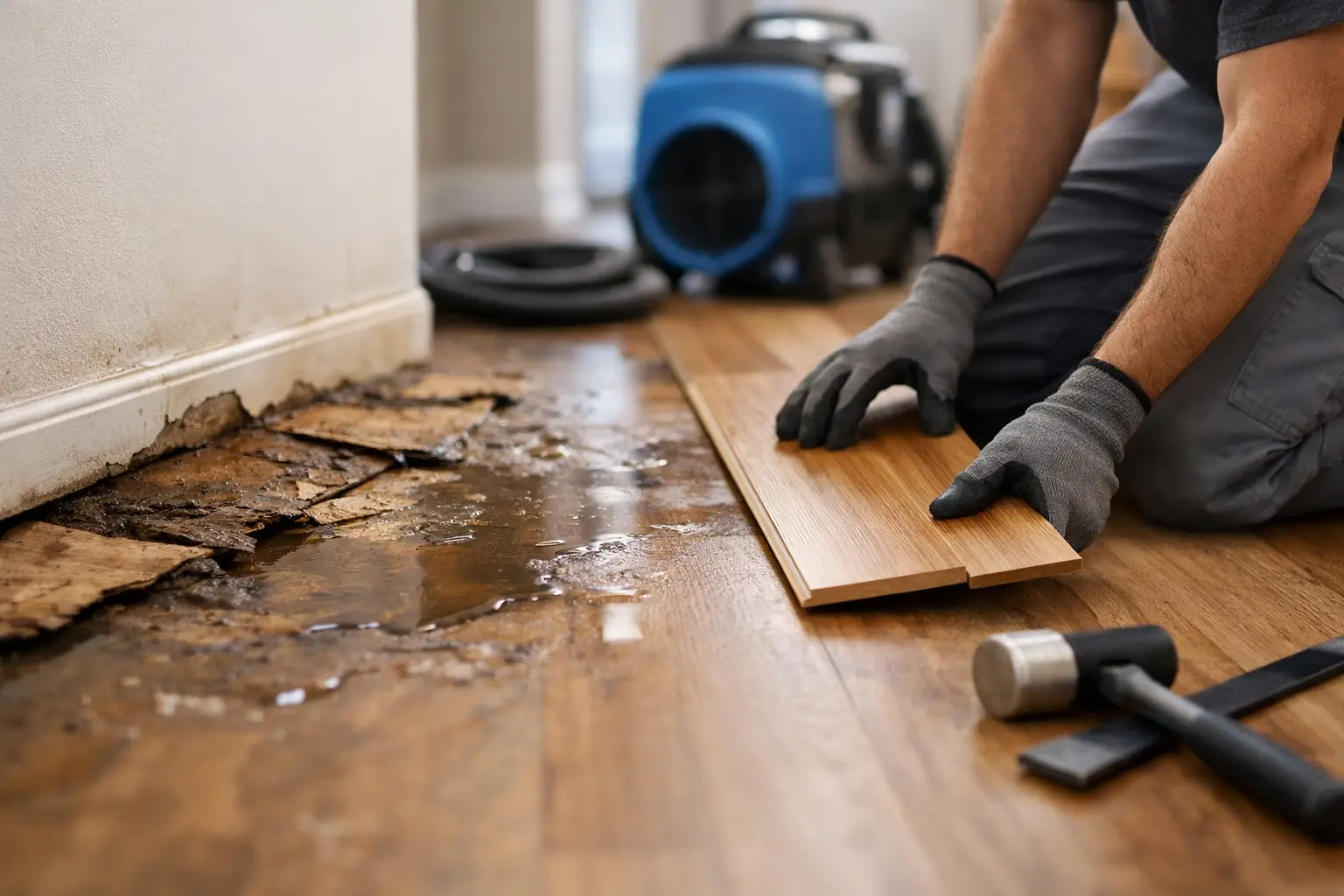
This is where honest guidance matters more than an easy sales pitch. Wood floor refinishing without sanding will not remove deep gouges, pet stains that have penetrated the wood, sun-fading that changed the floor unevenly, or cupping caused by moisture imbalance. It also cannot correct floors that were previously treated with waxes or polishes that interfere with adhesion unless those contaminants are fully addressed.
If you want to change the stain color significantly, no-sand methods are also the wrong fit. A fresh topcoat can improve clarity and sheen, but it does not erase the existing color. The old finish system and the wood underneath still define the appearance.
Floors with peeling finish or sections worn completely to bare wood may need full sanding for a consistent result. Trying to stretch a recoat too far often leads to disappointment. The floor may look better for a short period, but the underlying issues remain visible.
The most common homeowner misunderstanding
Many people hear “refinishing without sanding” and imagine a floor that comes back looking brand new regardless of condition. That expectation sets the project up poorly from the start. This process is a maintenance-minded restoration, not a reset button.
The real question is not whether sanding can be avoided. It is whether avoiding sanding will still produce a floor worthy of your home.
How the professional process works
The first step is evaluation. A trained flooring specialist looks at species, board condition, finish wear, previous coatings, contamination from household cleaners, and whether adhesion is likely to hold. This assessment is what separates a durable result from a gamble.
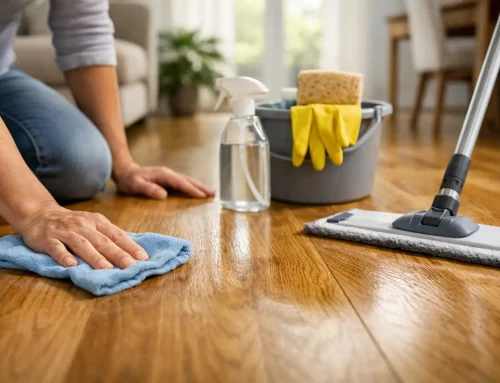
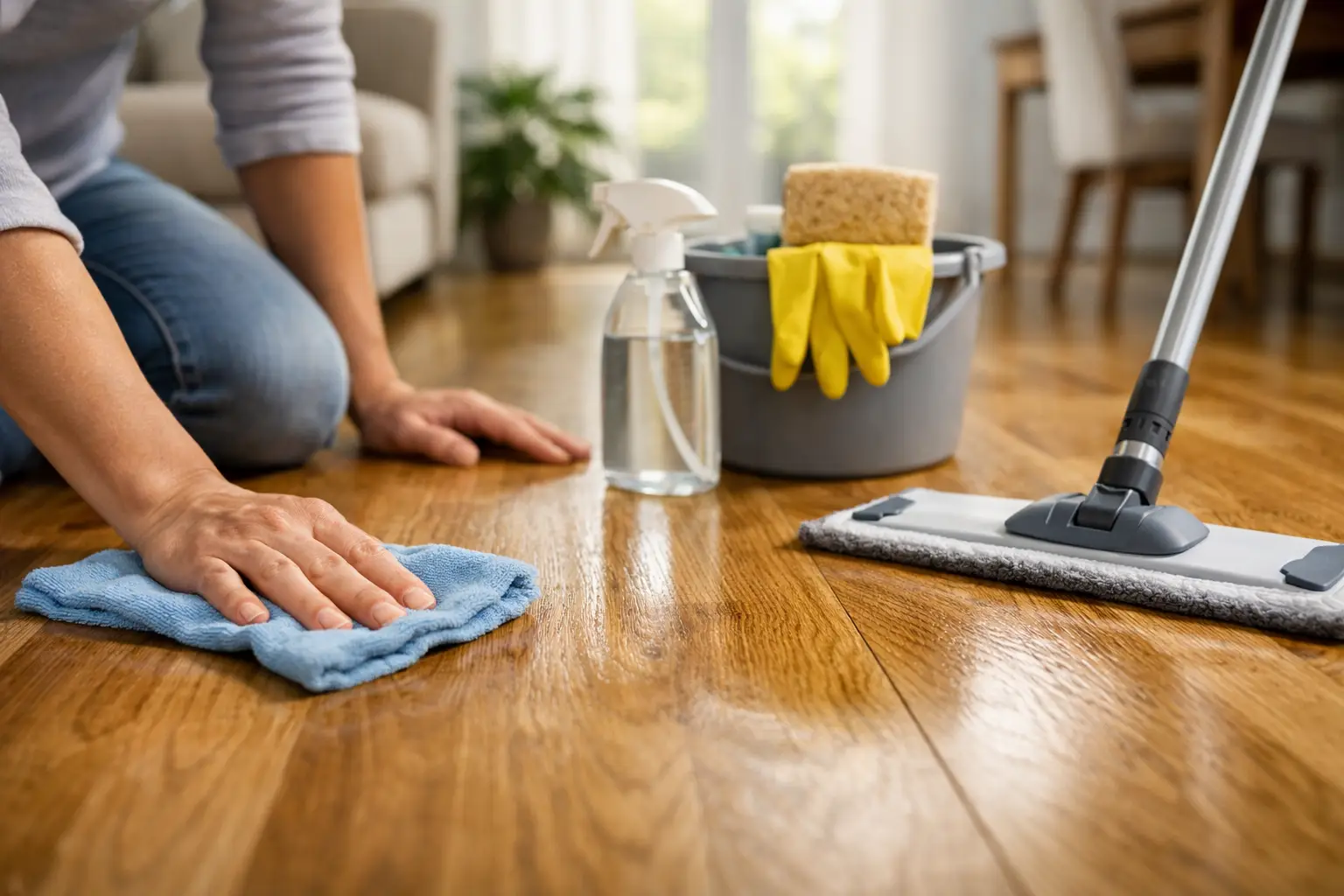
Next comes preparation. The floor must be thoroughly cleaned to remove oils, residues, and embedded grime. Any loose debris, minor repairs, or isolated problem areas are addressed before coating begins. In many homes, this prep work is more important than homeowners expect. A beautiful topcoat cannot compensate for poor surface preparation.
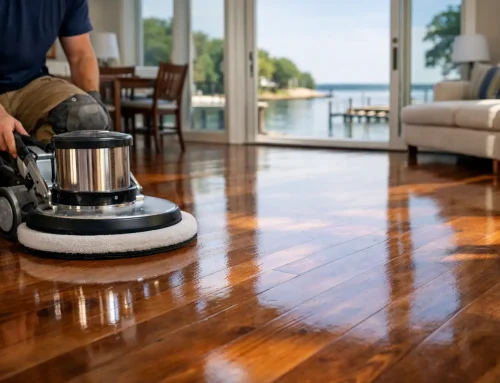
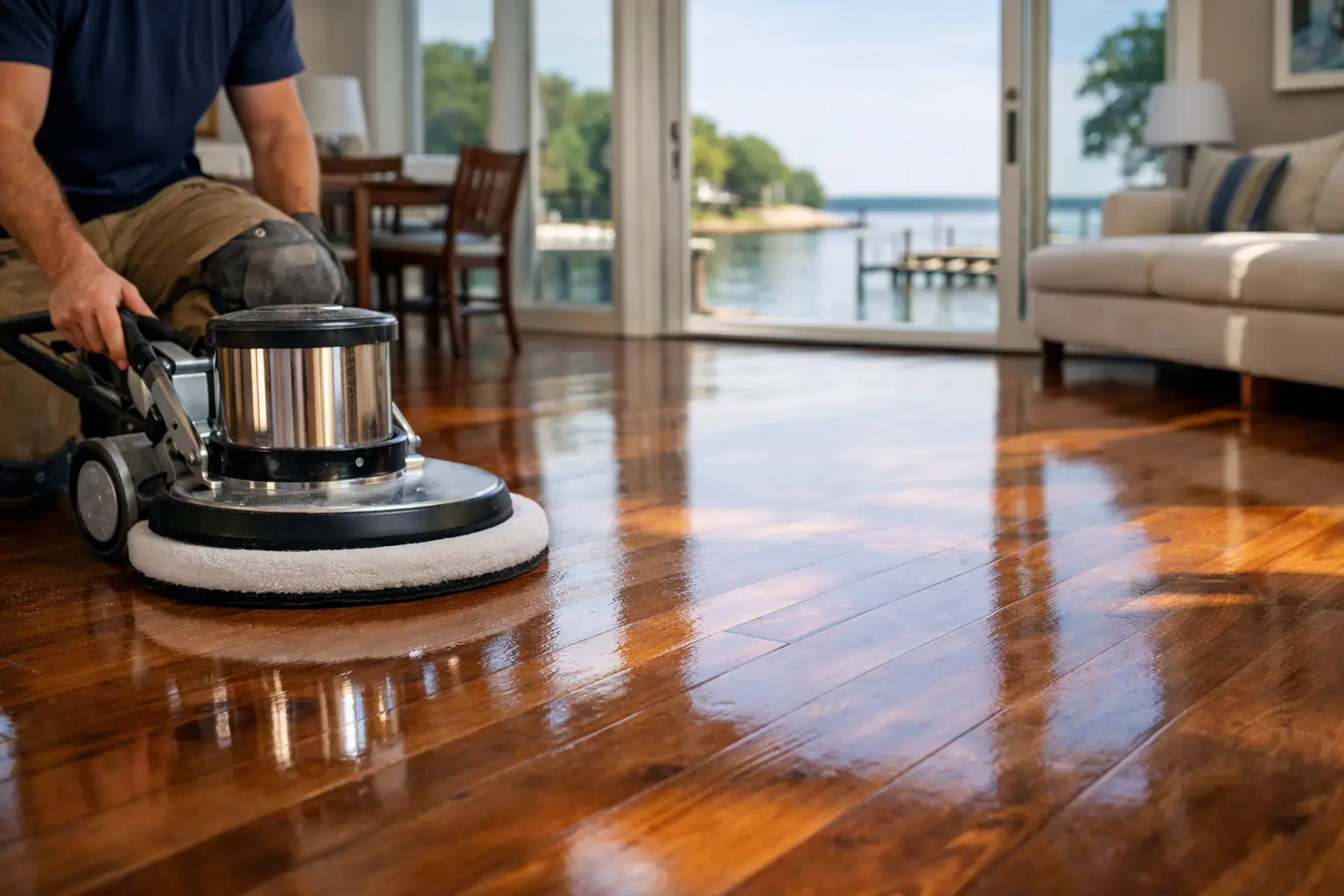
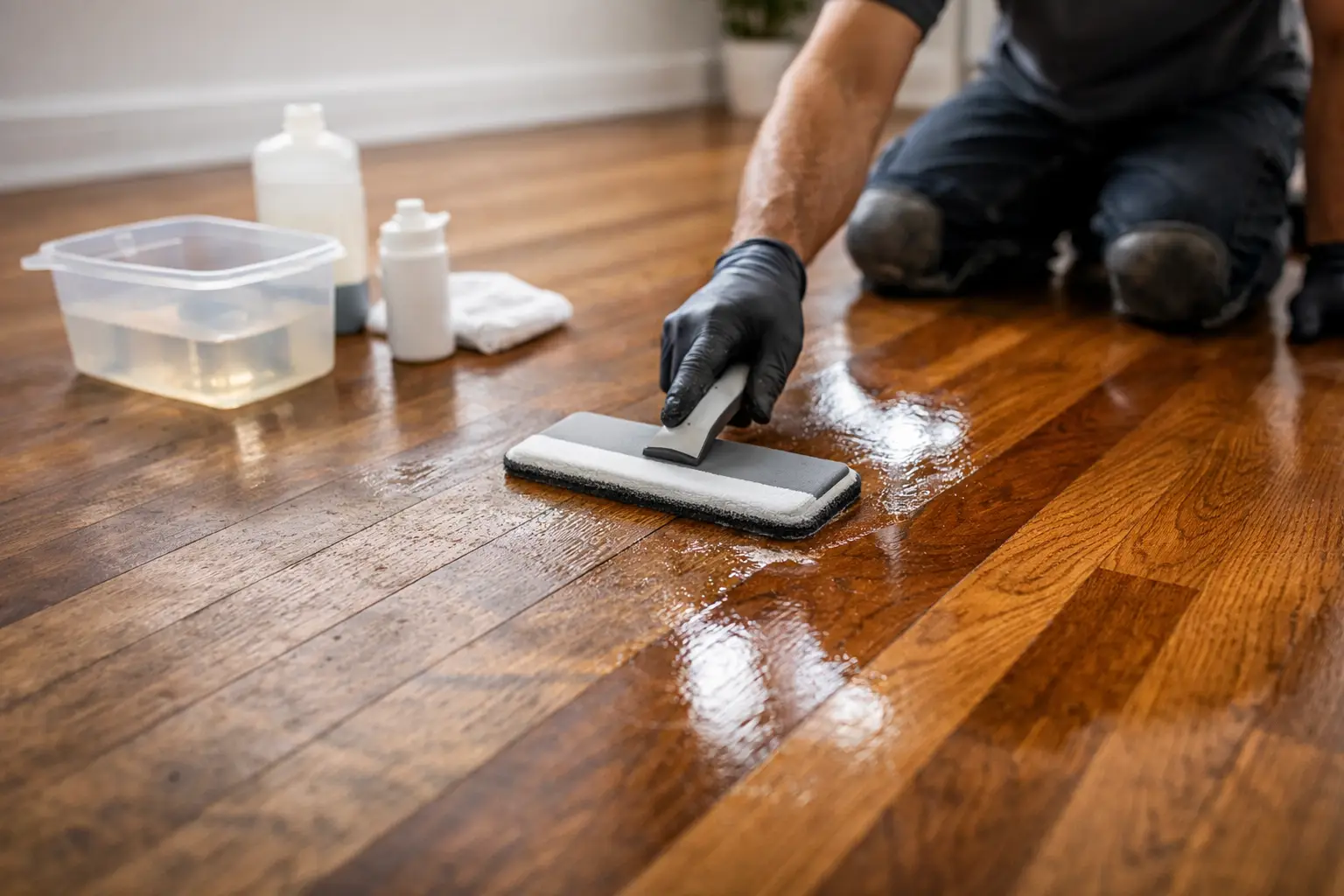
If the floor is suitable for a screen and recoat, the existing finish is lightly abraded to create mechanical bond. If the finish system calls for a chemical adhesion process instead, the surface is treated accordingly. After that, a new coat of finish is applied with attention to coverage, drying conditions, and sheen consistency.
Modern low-VOC finishes have changed this category for the better. Today’s professional-grade coatings can provide excellent clarity, durability, and indoor air quality performance when selected and applied correctly. That matters in busy family homes, especially when minimizing disruption is part of the goal.
The trade-offs homeowners should understand
The biggest advantage is less upheaval. There is typically less dust, less noise, and a shorter timeline than full sanding. For occupied homes in Montgomery County, McLean, or older neighborhoods with valuable original floors, that can be a practical and aesthetic win.
The trade-off is that imperfections in the wood remain. A recoat protects and refreshes what is there. It does not level boards, remove old stain variation, or erase deeper damage. Some homeowners are delighted with that balance because they want their floor to look refined, not newly manufactured. Others want a more dramatic transformation and should choose full refinishing instead.
Cost follows the same logic. Non-sanding refinishing is often less expensive than a full sand-and-finish project, but it is not a bargain-bin service when done properly. Surface testing, product compatibility, and finish quality still matter. Saving money upfront means little if the new coat fails because the floor was not prepared or diagnosed correctly.
How to make the right decision for your home
Start with the floor’s condition, not the method you hope to use. If the wood is fundamentally sound and your concern is worn finish rather than structural or cosmetic damage in the boards, a no-sand option may be ideal. If your floor has major staining, exposed raw wood, pronounced damage, or you want a new color, full sanding is usually the better investment.
It also helps to think long term. A well-timed maintenance coat can add years to the life of your hardwood floor and delay the day when full sanding becomes necessary. That is often the smartest move for premium wood flooring because preservation has value.
At Royal Oaks Flooring, that is how we approach these conversations – with craftsmanship first, not shortcuts first. A floor should be treated according to what the wood needs, what the finish can support, and what result will still feel right in a well-kept home.
If your hardwood floors have lost their luster, the best next step is not guessing whether sanding can be skipped. It is getting a clear read on what the floor can still become with the right hands and the right process.