A staircase is more than a route between floors. It is often the first architectural detail guests notice from an entryway, and one of the few surfaces your family touches every day. A thoughtful stair and railing renovation can turn a dated, worn, or poorly proportioned staircase into a defining feature of the home while improving safety, comfort, and long-term performance.
For homeowners investing in hardwood floors, the staircase deserves the same level of consideration as the rooms around it. A beautiful new floor can lose some of its impact when it meets an aging carpeted stair, orange-toned treads, loose balusters, or mismatched handrails. When the materials, color, grain, and finish are resolved together, the transition feels intentional rather than pieced together.
Begin With the Staircase You Have
The best renovation begins with an honest assessment of existing conditions. Some older staircases have sturdy framing and handsome proportions beneath layers of carpet, paint, or dated finishes. Others reveal uneven treads, damaged nosings, inadequate railings, or changes made over decades that no longer meet current expectations for safety and appearance.
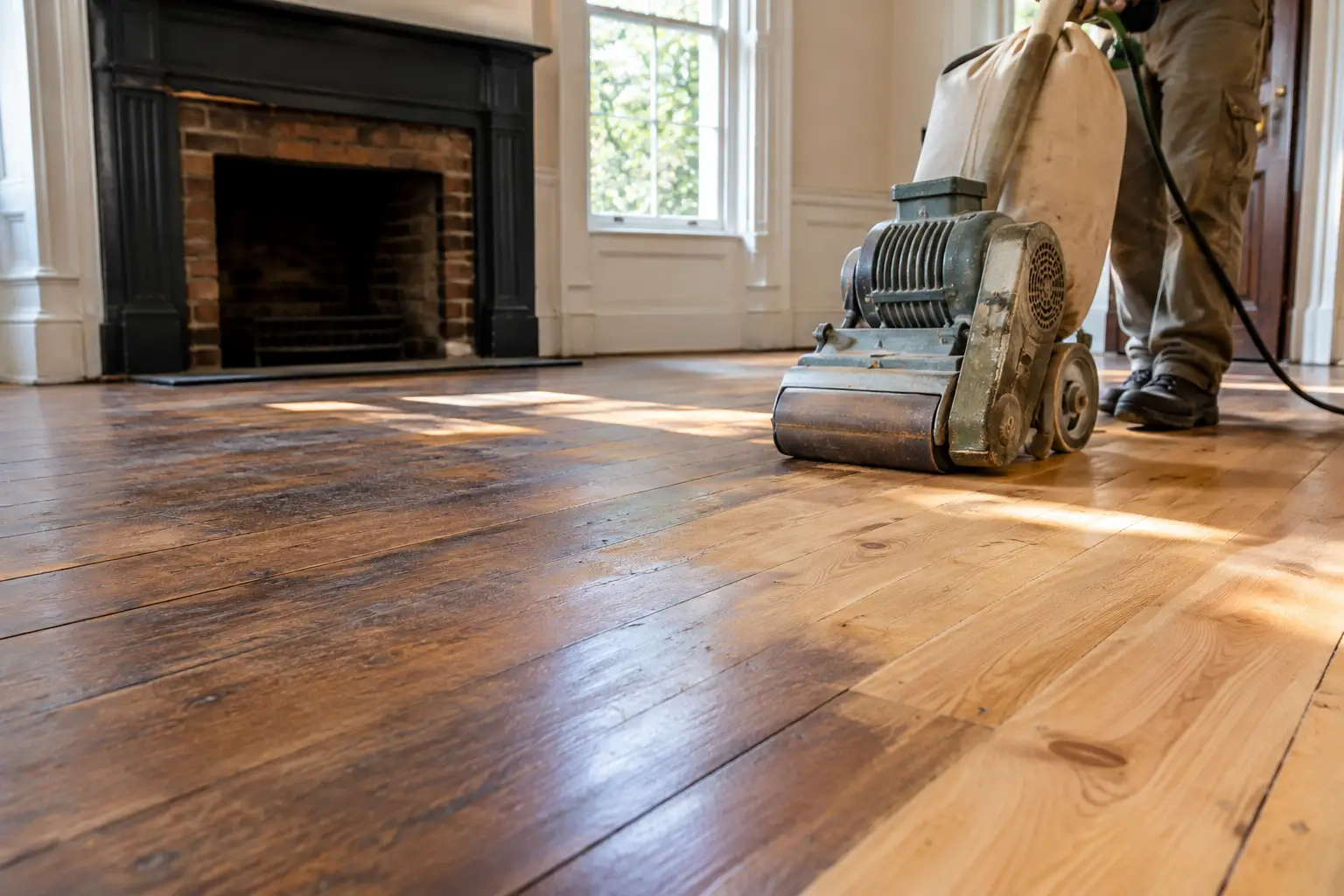
Removing carpet can be revealing. In some homes, the original treads are worth preserving and refinishing. In others, they were never intended to be a finished surface, or they have been cut, patched, and worn beyond a result that would match the rest of the home. A skilled craftsman evaluates what can be restored, what should be rebuilt, and where new material will create a more durable outcome.
This distinction matters. Refinishing an existing oak stair may preserve the character of a historic home and control the project budget. Replacing treads and risers can offer cleaner lines, more consistent color, and greater design flexibility. Neither approach is automatically better. The right answer depends on the structure, the desired look, and how closely the staircase must coordinate with surrounding flooring.
How Stair and Railing Renovation Changes a Space
A staircase occupies a surprising amount of visual territory. Its treads create horizontal rhythm, its railing establishes a strong line through the room, and its materials influence whether an entry feels formal, relaxed, contemporary, or traditional. Small details carry considerable weight: the profile of a nosing, the width of a handrail, the spacing of balusters, and the way a newel post meets the floor.
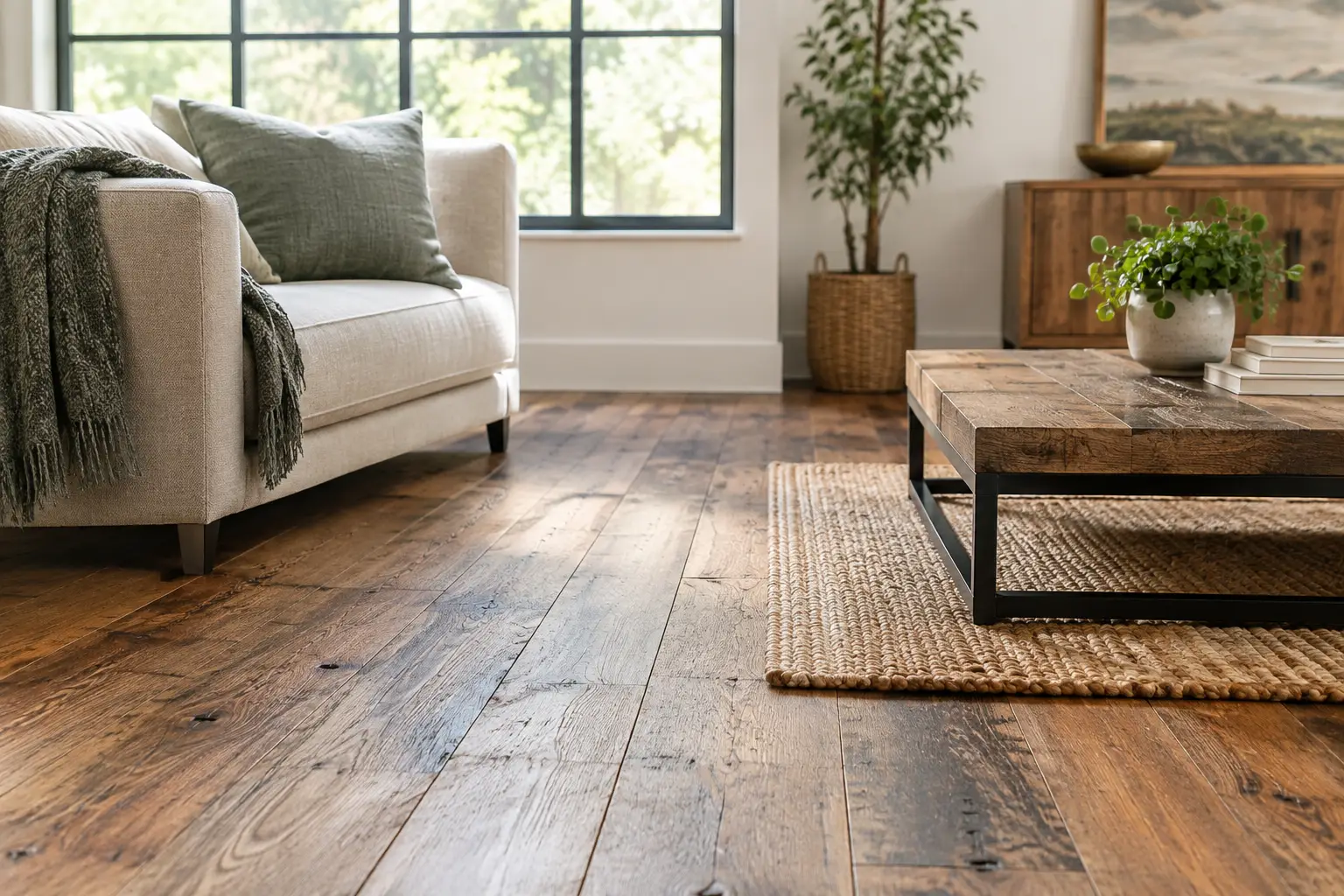
Hardwood treads bring warmth and permanence where carpet often feels temporary. Oak remains a classic choice because it is durable, expressive, and adaptable to a broad range of stains and finishes. Maple offers a smoother, more restrained grain, while walnut provides depth and richness for interiors with a more tailored character. Reclaimed wood can introduce authentic variation and history, though it requires careful selection and preparation to ensure consistent performance on a high-traffic stair.
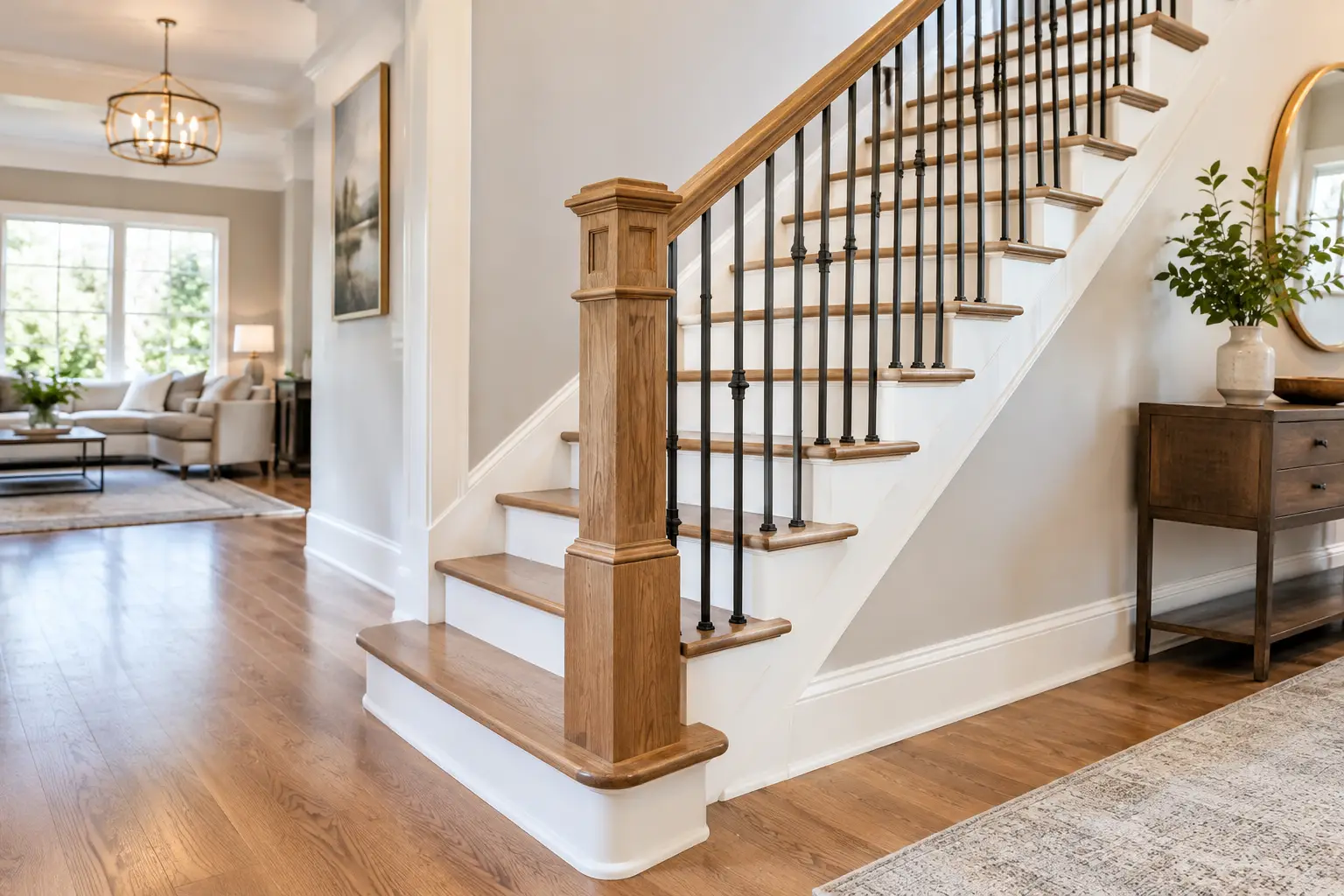
The railing should support the architecture rather than compete with it. A substantial stained handrail and painted balusters may suit a Colonial or traditional home in Potomac or Annapolis. Clean-lined white oak with slender metal balusters can bring a more current sensibility to an open-concept renovation. For a historic property, a period-appropriate profile may be worth the extra care because it protects the home’s original character.
Coordinate the Stair With the Floor
Matching is not always the goal. Coordination is.
When new flooring is being installed on adjacent levels, using the same species and finish on the treads can create a natural, uninterrupted visual flow. This approach is especially effective in open entryways where stairs and flooring are visible together. It also makes future maintenance more straightforward because the materials can be cared for with a consistent plan.
Yet an exact match may not be practical or desirable in every home. Existing hardwood can mellow and change color over time, particularly near windows. A new tread may accept stain differently than an older floor, even when both are oak. In these cases, a carefully selected complementary tone often looks more refined than an attempted match that falls slightly short.
Painted risers are another useful design choice. White or softly colored risers create contrast, brighten a stairwell, and allow the treads to carry the wood character. They are particularly effective when floors are darker or when an entry needs more visual lift. The trade-off is maintenance: painted surfaces show scuffs more readily than stained wood, especially in active family homes.
Safety Is Part of Fine Craftsmanship
A staircase should be beautiful, but it must first be dependable. Loose railings, uneven treads, worn nosings, and awkward handrail placement are not merely cosmetic issues. They affect how confidently people move through the home, particularly children, older relatives, and guests unfamiliar with the space.
A renovation is an opportunity to address these practical details with care. Treads should feel solid underfoot. Nosing profiles should provide definition without becoming a trip point. Railings should be comfortably graspable and securely anchored. Baluster spacing, guard height, and handrail requirements must be considered in relation to applicable local building standards.
This is one area where do-it-yourself shortcuts can create expensive problems. A railing is a structural safety feature, not simply a decorative accessory. Its installation demands precise measurements, sound attachment methods, and a clear understanding of how every component works together. The finest finish cannot compensate for a handrail that moves when it is needed most.
Choose Finishes for Daily Life, Not Just the Reveal
A freshly finished staircase photographs beautifully on installation day. Its true quality becomes clear months and years later, after shoes, pets, moving furniture, and everyday routines have tested it.
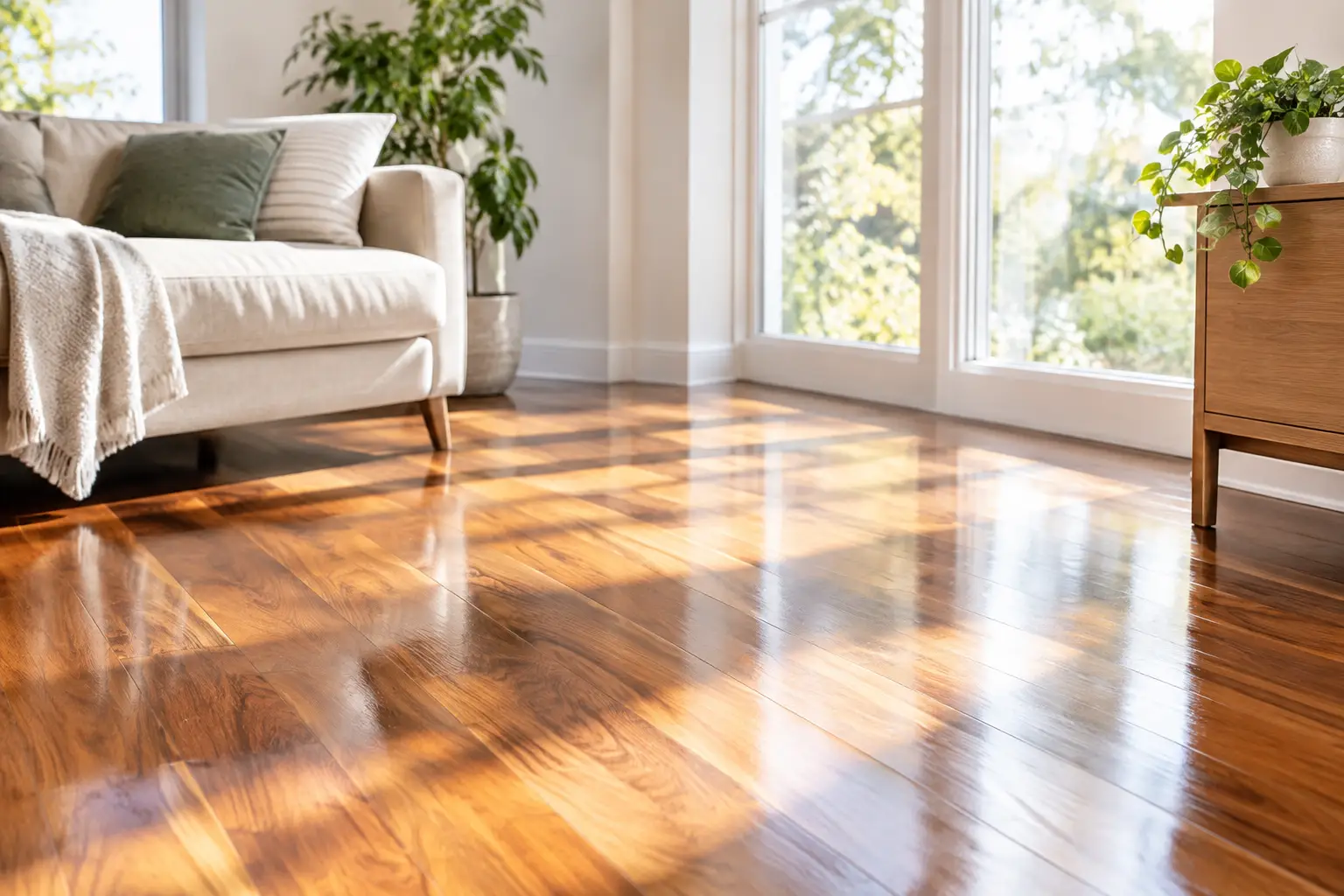
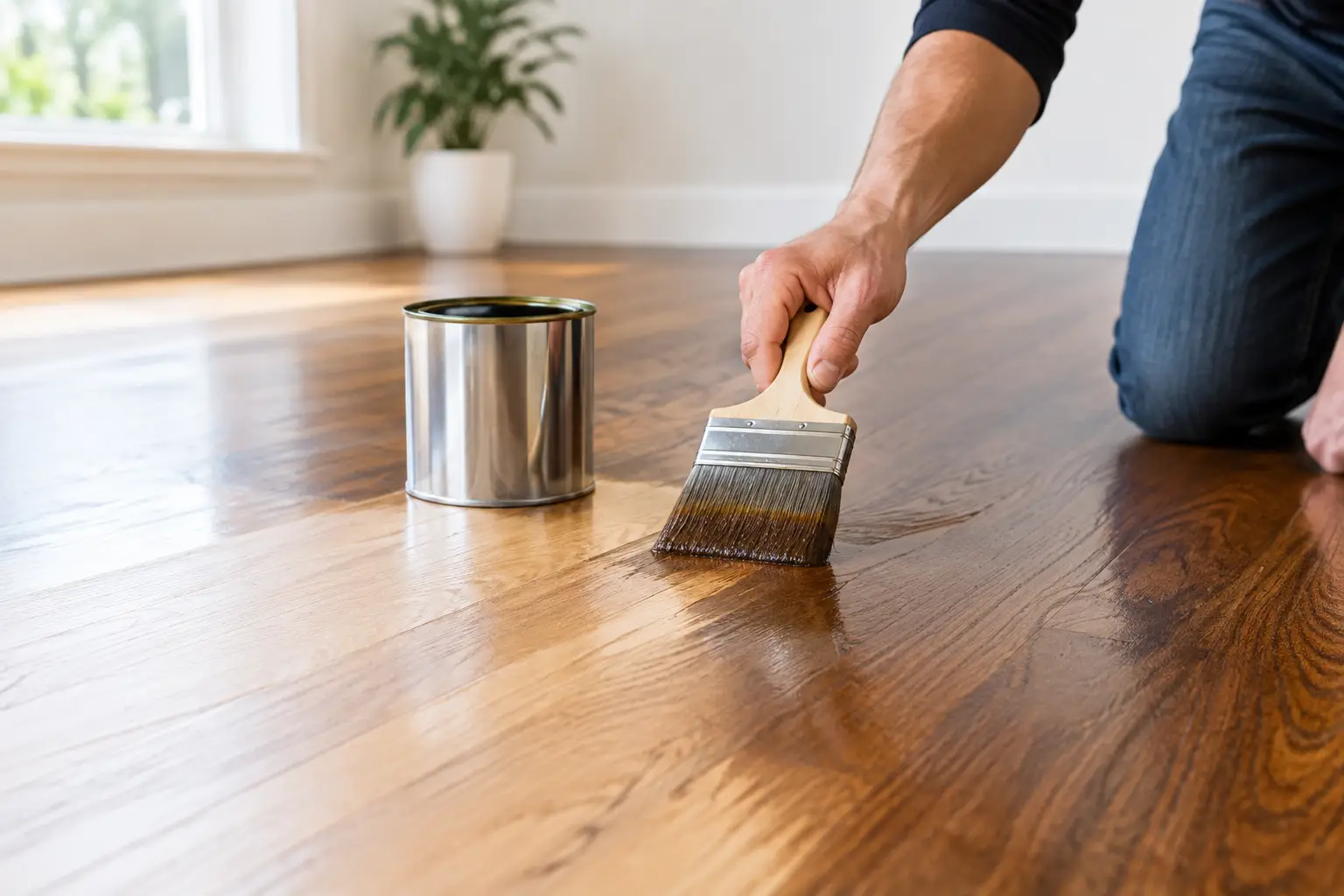
Modern low-VOC finishes offer the clarity and durability homeowners expect from a premium hardwood renovation, without the prolonged odor associated with older finishing systems. A well-chosen finish can enhance grain, resist abrasion, and simplify regular care. Matte and satin sheens are popular because they bring out the natural beauty of wood while disguising minor scratches and dust better than a high-gloss surface.
Color deserves equal attention. Very dark stains can be dramatic, but they tend to show dust, pet hair, and wear at the edge of treads. Pale natural finishes feel fresh and timeless, though certain species may require an intentional finish system to avoid yellowing over time. Mid-tone browns often offer the best balance of warmth, versatility, and forgiveness in busy households.
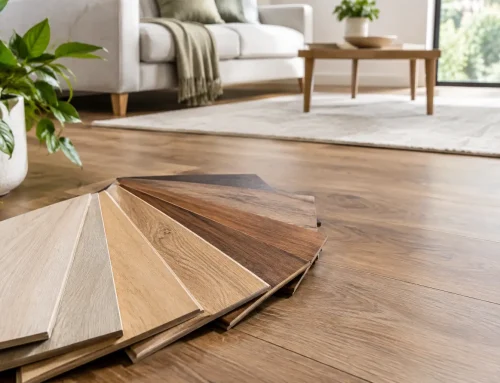
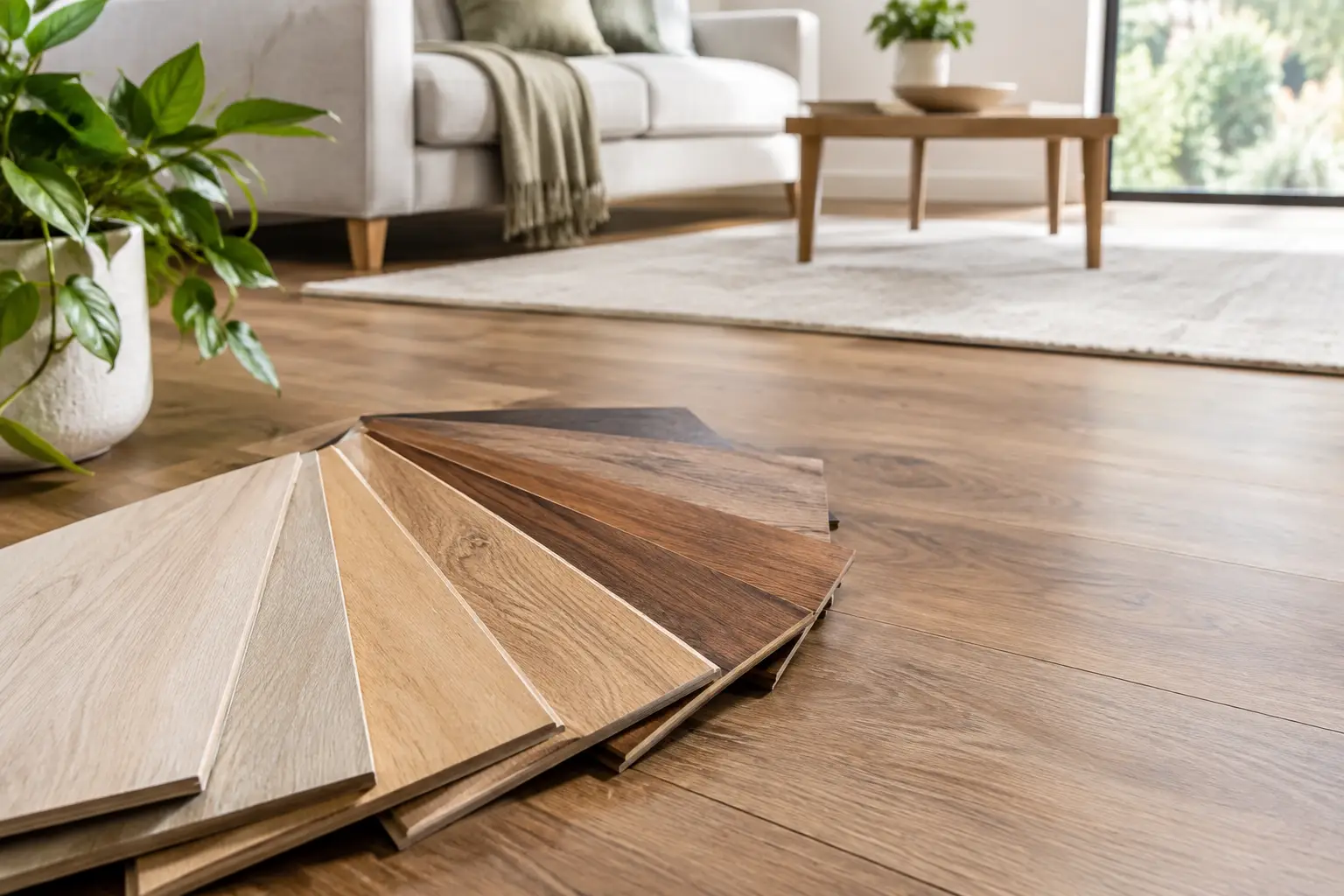
A custom sample process is worth the patience. Viewing stain and finish samples in the actual home reveals how daylight, wall color, adjacent flooring, and even the direction of the grain affect the final impression. What appears perfect under showroom lighting may feel too red, too gray, or too dark once installed near your front door.
Plan the Work Around Your Home
Stair renovation is specialized work because the staircase remains central to household circulation. A careful project plan considers access to upper floors, cure time for finishes, dust containment, and how the renovation will interact with other work such as new flooring, painting, trim, or an entryway remodel.
If the home has multiple levels, phasing may be possible. If the staircase is the only connection to bedrooms, the schedule needs particular attention. Installing prefinished components can reduce onsite finishing time, while site-finished treads allow for a more unified custom appearance. The best choice depends on the design, the existing conditions, and how much disruption the household can accommodate.
Precision also matters at the edges. Stair skirting, trim returns, transitions to landings, and the connection between newel posts and flooring are the details that separate an ordinary update from a finished architectural feature. These are not places to rush or conceal gaps with excess caulk. They require measured planning, clean cuts, and respect for the materials.
Invest Where the Eye and Hand Meet
When setting priorities, place the strongest investment in the parts of the staircase people see and touch most: treads, handrails, newel posts, and the first few visible balusters. These elements define the experience of using the stair. A well-made oak tread and a properly shaped handrail bring a sense of substance that inexpensive surface treatments cannot imitate.
Royal Oaks Flooring approaches these details with the same discipline used for fine hardwood floors: careful preparation, premium materials, thoughtful finish selection, and craftsmanship that respects the home’s architecture. The goal is not to make a staircase look newly renovated for a season. It is to give it a finish and structure worthy of the years ahead.
Before choosing a stain or railing style, stand at the base of your stairs and consider what the space should say about your home. The most successful renovation will feel less like an addition and more like it was always meant to be there.